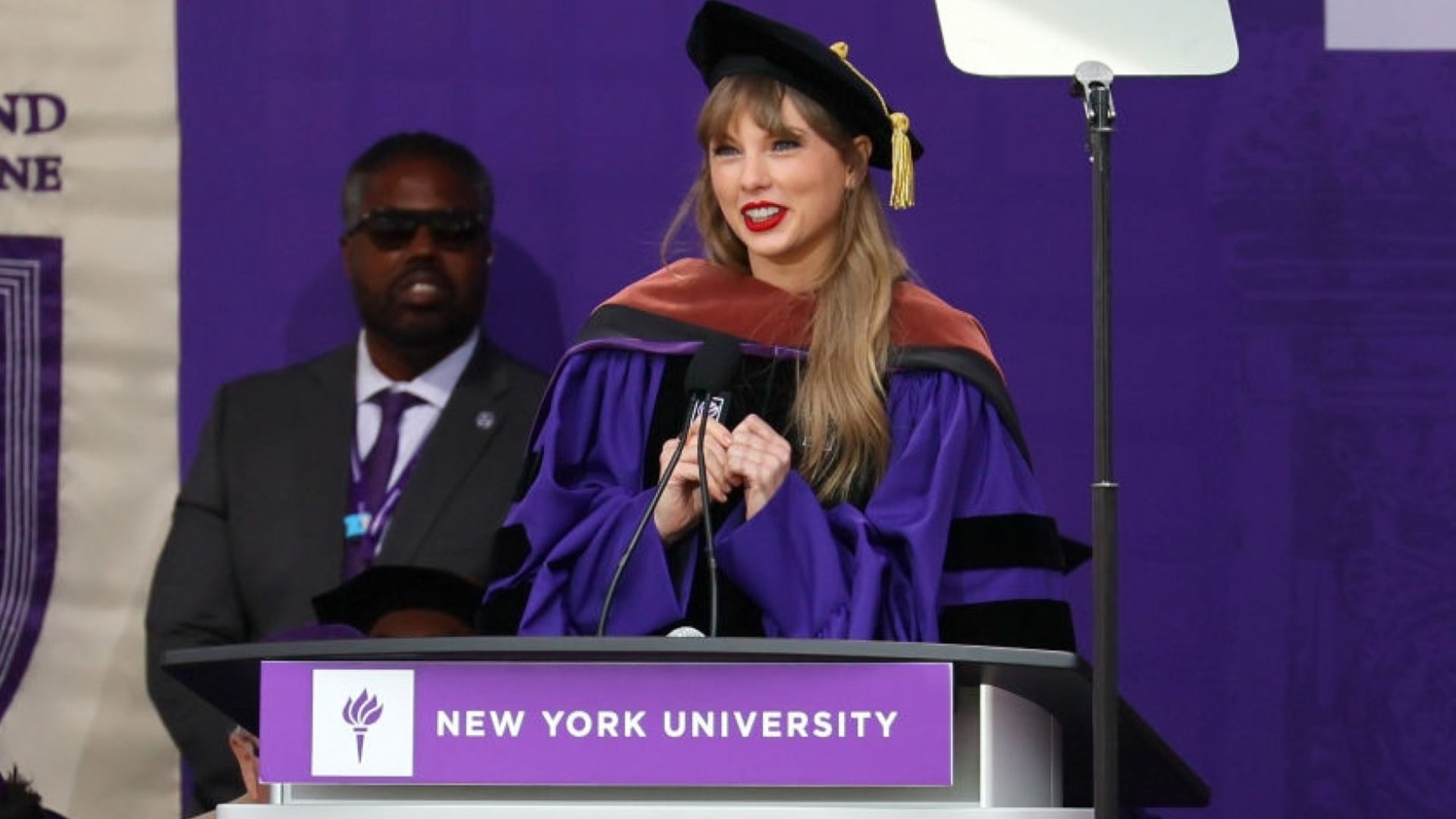
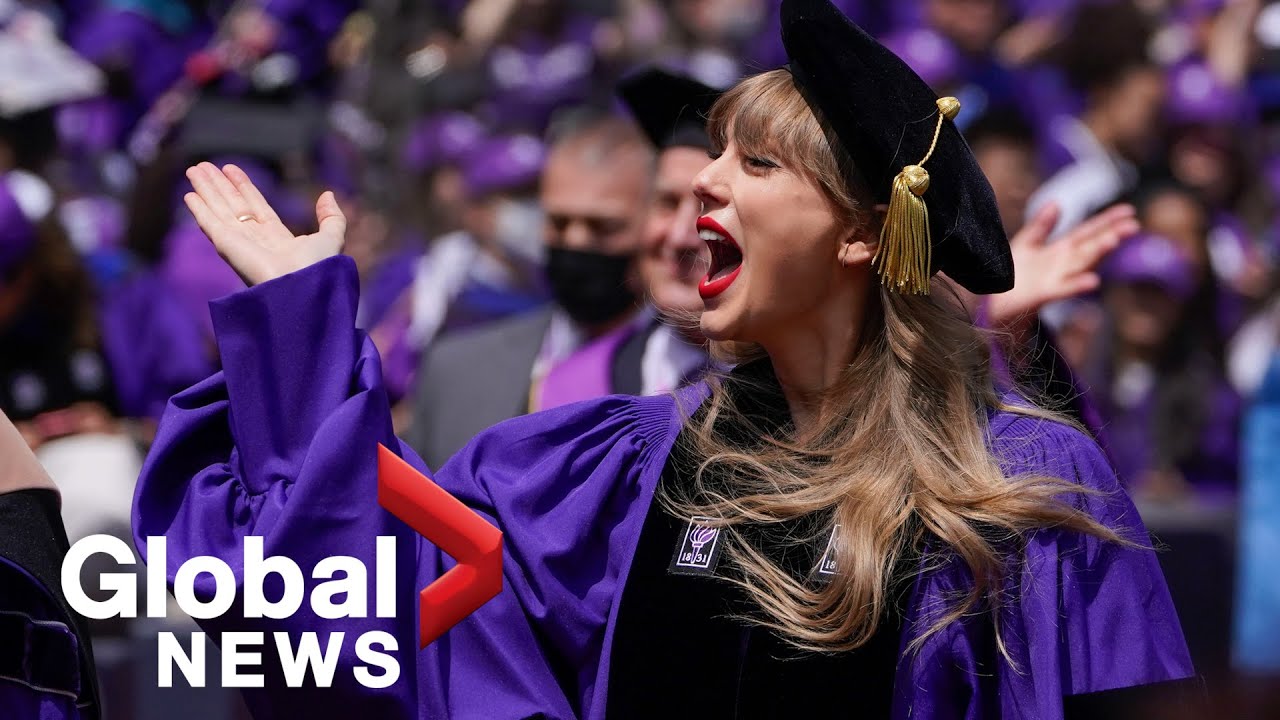
In May 2022, Taylor Swift delivered a celebrated commencement address to the New York University (NYU) Class of 2022 at Yankee Stadium, where she received an honorary Doctor of Fine Arts degree. While official transcripts are hosted by NYU, many students and professionals seek organized summaries and accessible versions of her insights on navigating early career pressures and the reality of life’s "cringe" moments.
Understanding the Significance of the NYU Address
The speech marked a pivotal moment in Taylor Swift’s public career, bridging her status as a global musical artist with the academic environment of a prestigious institution. Unlike traditional commencement speeches that focus heavily on abstract theories of success, Swift’s address was noted for its grounded, conversational, and often vulnerable delivery. She addressed the Class of 2022 by validating their specific, shared struggles, particularly the interruption of their education by the global pandemic.
For those searching for a "PDF download," it is important to clarify that there is no singular, authorized "official PDF" distributed for mass download by the artist’s management. However, the full text is readily available through the New York University official archives. Users looking to save the text for offline study or personal reflection can access the speech via the university's official news portal and utilize standard browser tools to "Print to PDF," ensuring they have an authentic and unaltered version of her remarks.
Key Takeaways: Life Lessons for Transitions
Swift’s speech is widely analyzed for its candid advice, specifically regarding how individuals process failure and the necessity of growth. The core of her message rests on three distinct pillars:
- The Inevitability of Cringe: Swift famously discussed the concept of "cringe" as an unavoidable part of life. She argued that trying to avoid embarrassment—or "cringing" at one’s past self—is a futile effort. Instead, she encouraged graduates to accept that they will look back on their current actions with a degree of discomfort, and that this discomfort is actually evidence of personal evolution and growth.
- The Utility of Failure: Moving away from the pressure to be perfect, Swift emphasized that failures are not just learning opportunities but essential components of a creative and professional life. She shared personal anecdotes about being excluded or failing to achieve specific goals, framing these moments as redirection rather than finality.
- The "Life Skills" Perspective: Swift framed her advice as "life hacks," acknowledging that she lacked a traditional college experience. By positioning herself as a peer who had to learn through trial and error in the public eye, she demystified the transition from student to professional, emphasizing the importance of kindness, consistency, and maintaining a sense of humor about oneself.
Comparison of Key Themes in Commencement Literature
To understand where Swift’s speech fits into the broader landscape of modern commencement rhetoric, it is helpful to compare it with traditional oratorical norms.
| Feature | Traditional Commencement | Taylor Swift's NYU Address |
|---|---|---|
| Tone | Formal, aspirational, authoritative | Conversational, self-deprecating, empathetic |
| Core Theme | Institutional pride, legacy building | Resilience, accepting imperfection, growth |
| Audience Focus | Future leaders, societal impact | Personal mental health, individual journey |
| Delivery Style | Oratorical, polished, detached | Authentic, story-driven, vulnerable |
Navigating the "Cringe" and Professional Development
The concept of "cringe" serves as a metaphor for the fear of judgment that often paralyzes early-career professionals. In an era where digital footprints are permanent, the anxiety surrounding "making the wrong move" has increased. Swift’s address suggests that the pursuit of perfectionism is a primary obstacle to innovation.
By acknowledging that she herself has been "cringed at" or misunderstood by the public, she provides a permission structure for her audience to take risks. For those entering the workforce in 2026, this advice remains highly applicable. Whether in corporate settings, creative industries, or academic research, the ability to pivot after a mistake and treat one's own history with compassion is a foundational trait for long-term sustainability.
How to Access and Archive the Speech Responsibly
If you are gathering resources for a project or personal library, you should prioritize primary sources over third-party summaries that may introduce bias or inaccuracies.
- Access the Source: Navigate to the official New York University news website.
- Verify the Content: Ensure the text matches the official video recording of the May 18, 2022, ceremony.
- Create Your Archive: Use your web browser's print function. Select "Save as PDF" as the destination. This provides a clean, searchable, and citation-ready document that preserves the original formatting and attribution provided by the university.
- Reference Attribution: When using the material for academic or professional work, cite the speech as: Swift, T. (2022, May 18). Commencement Address [Speech]. New York University, New York, NY.
FAQ: Addressing Common Questions
Is there an official PDF of the Taylor Swift NYU speech?
No, there is no official downloadable PDF file provided by the artist's website. The text is hosted on the New York University website. You can create your own PDF copy using your browser's print-to-PDF feature for personal, non-commercial use.
Why is this speech considered significant for students?
The speech is frequently cited because it addressed the specific isolation and disruption experienced by the Class of 2022 due to the COVID-19 pandemic. Swift’s ability to relate to the emotional state of that specific graduating class made the address feel personal rather than institutional.
What does Swift mean by "life hacks"?
In the speech, Swift uses the term "life hacks" to describe simple, actionable truths she learned through her career. She uses this modern vernacular to ground her advice, making it feel less like a formal lecture and more like a conversation between peers.
Can this speech be used for educational research?
Yes, the text is publicly available and constitutes a primary source for studies regarding modern public rhetoric, youth culture, and celebrity influence in academia. Ensure you follow standard citation protocols when using the speech in research papers or articles.
Moving Forward: Applying the Lessons
The primary value of the NYU commencement address lies not in its status as a document to be saved, but as a framework for action. As you move through your career, the advice to "let go of the cringe" acts as a protective mechanism against burnout. In 2026, as the professional landscape continues to shift rapidly, prioritize the ability to adapt over the need to be perceived as flawless.
If you are currently facing a transition—whether starting a new role, finishing a degree, or shifting career paths—take the time to review the transcript with a focus on how your own "cringe" moments have shaped your current capabilities. Use the document you have archived as a recurring touchstone when you feel the pressure to perform perfectly. The ultimate takeaway is that your worth is not defined by the absence of mistakes, but by your capacity to continue evolving despite them.