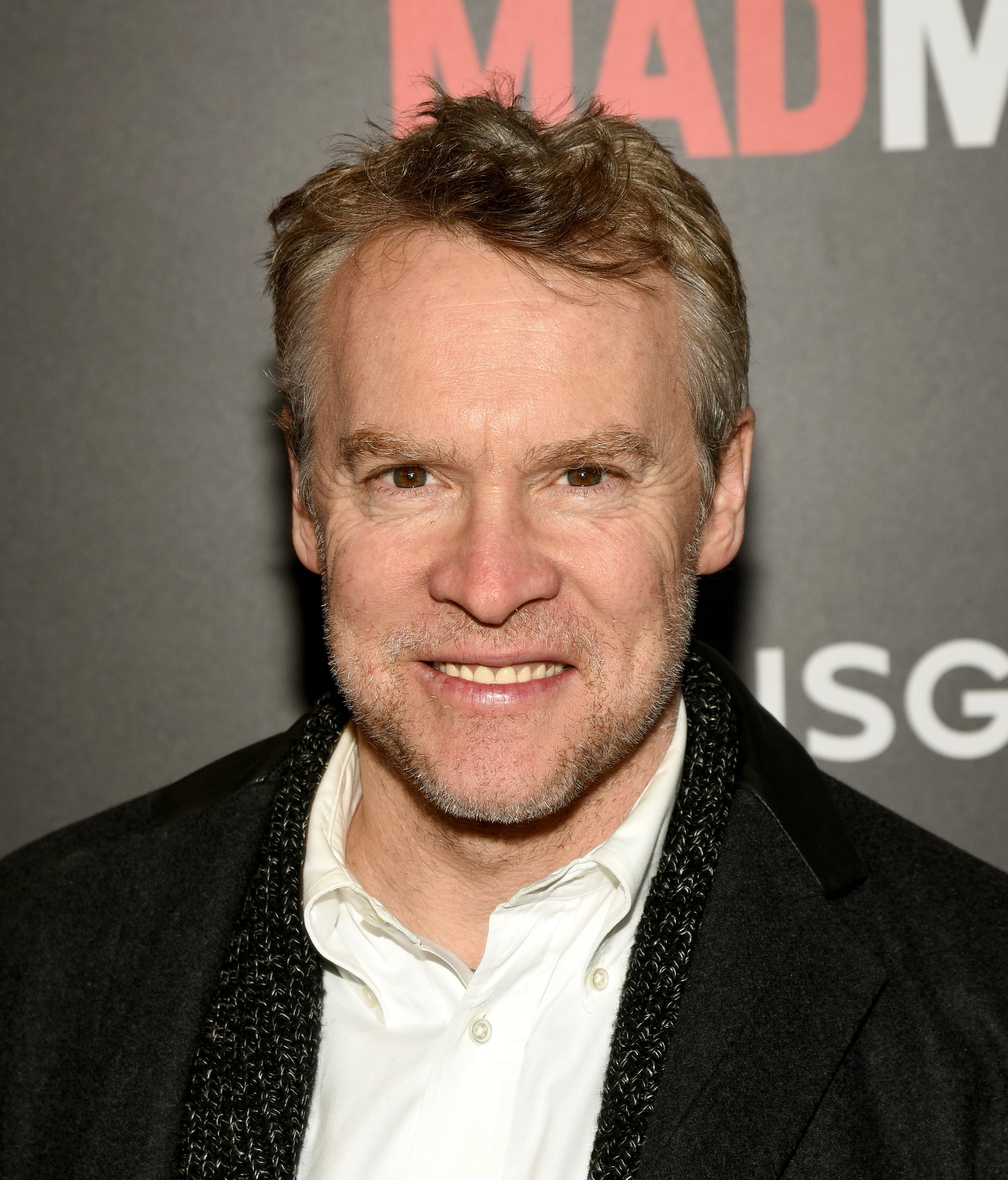
Tate Donovan maintains a diverse professional profile with an estimated net worth between $3 million and $5 million. His career spans over four decades, encompassing prominent film roles, sustained television success, and significant work as a television director. Recent projects in 2024 further highlight his transition into complex character roles within high-profile streaming and broadcast media.
The Trajectory of a Versatile Career
Tate Donovan’s longevity in the entertainment industry is marked by an ability to navigate between lighthearted comedy, intense drama, and behind-the-camera production work. Born in Tenafly, New Jersey, Donovan began his acting journey in the mid-1980s. His early breakthrough roles in films like Clean and Sober (1988) and Memphis Belle (1990) established him as a reliable and charismatic performer.
Throughout the 1990s and early 2000s, Donovan became a household name. His recurring role as Joshua Burgin on Friends introduced him to a global audience, while his voice work as the titular character in Disney’s Hercules (1997) added a classic animated credit to his portfolio. This period was critical in building his financial foundation, as he balanced guest-starring roles with series-regular commitments.
Establishing Financial Stability Through Television
Unlike many performers who rely solely on singular blockbuster films, Donovan’s net worth is largely attributed to his consistent presence in long-running television series. His role as Tom Shayes in the legal thriller Damages (2007–2010) showcased his range in dramatic television. Such roles provide stable income structures, including residuals, which are a hallmark of a sustained acting career in Hollywood.
Beyond his acting salary, Donovan successfully expanded his professional utility by moving into television direction. Directing episodes for high-budget productions like Damages, Weeds, and Glee allowed him to command higher fees than an actor-only role might provide. This dual-threat capability—acting and directing—has been a strategic element in maintaining his financial viability within the competitive landscape of the television industry.
Recent Projects and Career Status in 2024
By 2024, Donovan continued to lean into roles that prioritize narrative depth over pure star-power billing. His recent work often places him in prestige television projects where he portrays experienced, authoritative figures or complex antagonists. This transition is typical for actors of his generation who have successfully pivoted from leading-man roles to critical supporting components of an ensemble cast.
In 2024, his industry footprint included appearances in serialized dramas and independent film productions. These projects represent a shift toward high-quality, character-driven storytelling, which often aligns with established actors seeking creative fulfillment alongside commercial projects. His commitment to directing also remains active, as he continues to be sought after for pilot episodes and mid-season arcs of established cable and streaming dramas.
Comparative Professional Milestones
To understand the breadth of Donovan’s career, it is helpful to categorize his contributions across different media formats and roles. The following table provides a snapshot of the types of projects that have defined his professional trajectory and sustained his public profile.
| Category | Representative Work | Role Type | Financial/Career Impact |
|---|---|---|---|
| Animated Film | Hercules (1997) | Lead Voice | Established mass-market recognition. |
| Network Sitcom | Friends (1998) | Recurring | Provided significant industry visibility. |
| Cable Drama | Damages (2007-2010) | Series Regular | Anchored his reputation for dramatic depth. |
| Directing | The O.C. / Damages | Director | Diversified income and professional scope. |
| Recent Drama | 2024 Television Projects | Featured Actor | Maintains relevance in current streaming era. |
Understanding Net Worth in the Entertainment Industry
Determining the exact net worth of a public figure like Tate Donovan is complex, as it involves undisclosed contract terms, real estate investments, and private residuals. The figure of $3–5 million is an analytical estimate based on publicly available data regarding standard industry salary scales for television actors of his tenure, directing fees, and production credits.
Actors generally generate wealth through three primary channels: initial performance fees, backend participation (residuals), and independent investments. For Donovan, the secondary market for the series in which he starred—particularly Friends and Damages—continues to provide a steady stream of income. These residuals are a critical component of the financial security enjoyed by veteran performers, as they provide passive revenue long after the original production dates.
Prerequisites for Success in Long-Term Acting
For those looking at Donovan’s career as a template for professional longevity, there are several lessons regarding industry navigation. First, the ability to transition between genres is essential. By working in animation, network comedy, and dark cable drama, Donovan minimized the risk of being "typecast," which often leads to career plateaus.
Second, the move into directing is a common strategy among actors seeking to control their own career narrative. It requires significant investment in networking and a deep understanding of cinematography and production logistics. Actors who successfully transition into directing roles often find that their total compensation packages increase significantly, as they are essentially filling two roles on a single production.
Frequently Asked Questions
What is the primary source of Tate Donovan's income?
Donovan’s income is primarily derived from his work as a working actor in television and film, supplemented by his work as a director. Residual payments from long-running successful series play a significant role in his sustained financial health.
How has Tate Donovan stayed relevant in the industry?
He has remained relevant by adapting to the changing landscape of television, transitioning from 1990s network sitcoms to the prestige cable dramas of the 2000s and the streaming-dominated era of the 2020s. His willingness to take supporting roles that serve the narrative is a key factor.
Does Tate Donovan still direct?
Yes, Donovan continues to work as a director. While he remains active as an actor, his directing credits remain a vital part of his portfolio, allowing him to work on the creative side of production in both broadcast and streaming environments.
Why is net worth reporting for actors often estimated?
Net worth figures are estimates because personal financial data, including specific salary contracts, private investments, taxes, and living expenses, are not public information. "Net worth" in media reports typically aggregates known historical earnings and industry averages for an actor's experience level.
Are Tate Donovan's 2024 projects part of a franchise?
Some of his recent work involves projects that are part of larger established series or networks, which is common for veteran actors who possess a "track record" that producers trust to deliver consistent performances in high-pressure production environments.
Strategic Considerations for Future Projects
For established performers in 2026, the strategy remains one of balancing high-visibility streaming roles with consistent creative work. Tate Donovan’s career demonstrates that the most sustainable path in Hollywood is not necessarily chasing the largest box-office hits, but rather securing a place within the "revolving door" of high-quality television production. As the industry continues to evolve toward digital distribution, actors who are comfortable with shorter, high-impact series runs—the current standard for 2024–2026—are best positioned to maintain both their visibility and their earnings.