SweetSkin functions as a diagnostic and recommendation engine designed to bridge the gap between clinical dermatology insights and everyday consumer beauty routines. By leveraging computer vision and machine learning algorithms, the platform analyzes high-resolution facial imagery to identify specific dermatological indicators, providing users with personalized skincare regimens and ongoing progress tracking based on quantitative skin health metrics.
Understanding AI-Driven Dermatological Analytics
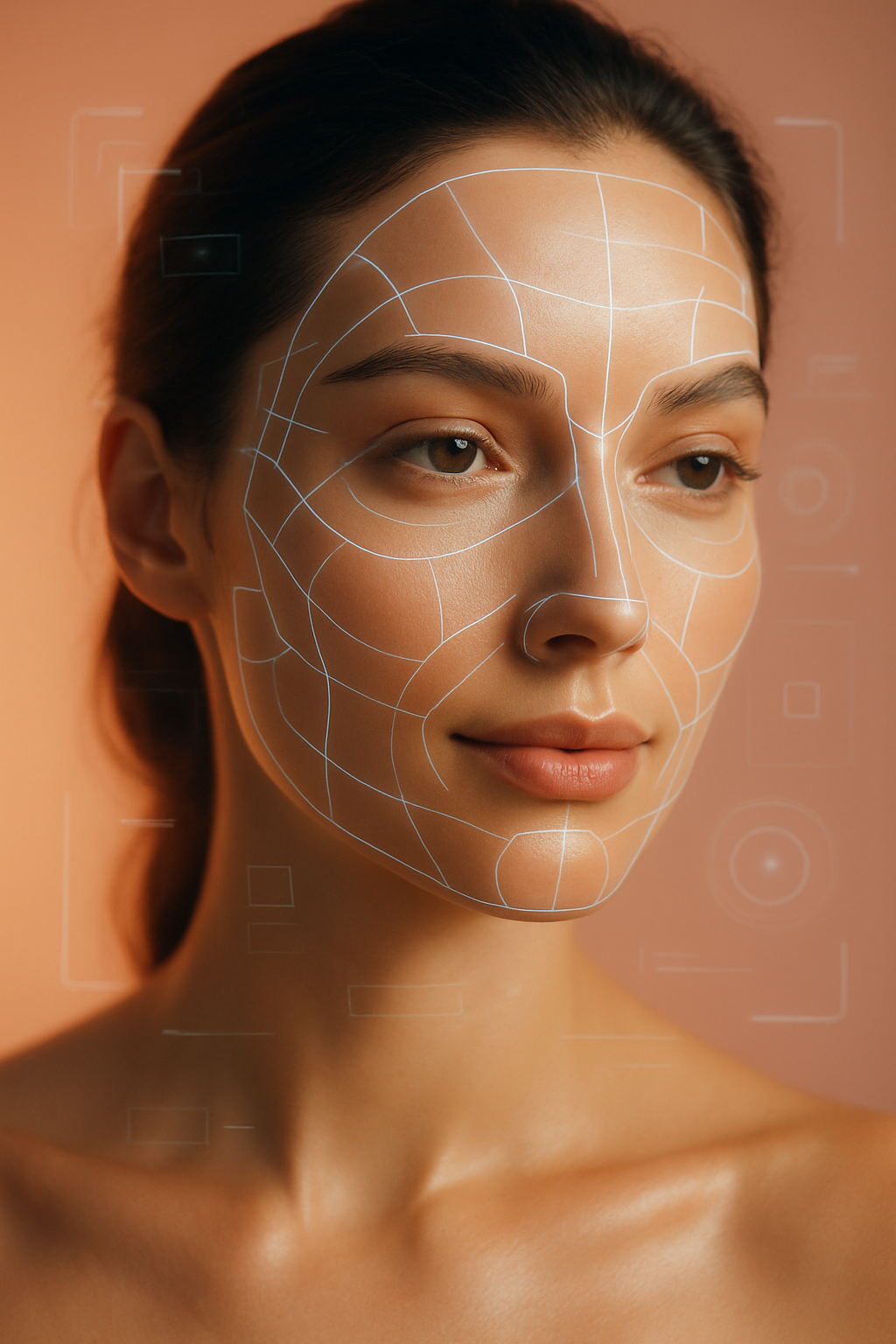
The core functionality of the SweetSkin platform revolves around its proprietary image processing pipeline. When a user captures a high-resolution photograph of their face, the software performs a series of computational tasks, including landmark detection, color calibration, and feature segmentation. These processes are essential for isolating areas of interest—such as hyperpigmentation, pore density, fine lines, and erythema—from environmental variables like lighting and image noise.
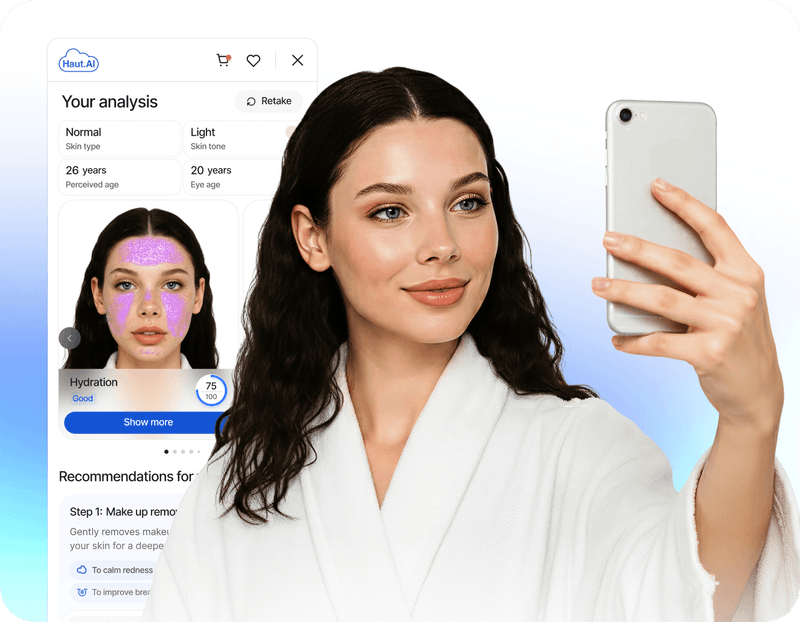
By establishing a baseline for the user’s unique skin composition, the system converts qualitative concerns into quantitative data points. This transition from subjective self-assessment to data-backed analytics allows the platform to generate a "skin score" or similar metric, providing a standardized way to measure the efficacy of skincare products over time. Unlike general beauty applications, professional-grade platforms like SweetSkin rely on large, diverse datasets curated by dermatologists to ensure the pattern recognition models are representative of various skin tones, textures, and conditions.
Technical Prerequisites and Hardware Requirements
For optimal performance and accurate analytical output, users must adhere to specific technical requirements. The reliability of AI-powered diagnostics is inherently limited by the quality of the input data.
- Lighting Environment: Analysis should occur in neutral, indirect daylight. Artificial yellow or cool-toned LED lighting can skew the software’s perception of skin tone and redness, potentially leading to inaccurate analysis.
- Camera Specifications: The device must have a camera capable of capturing sharp, non-distorted images. While most modern smartphones meet these criteria, users should remove protective lens covers or clean the lens to ensure clarity.
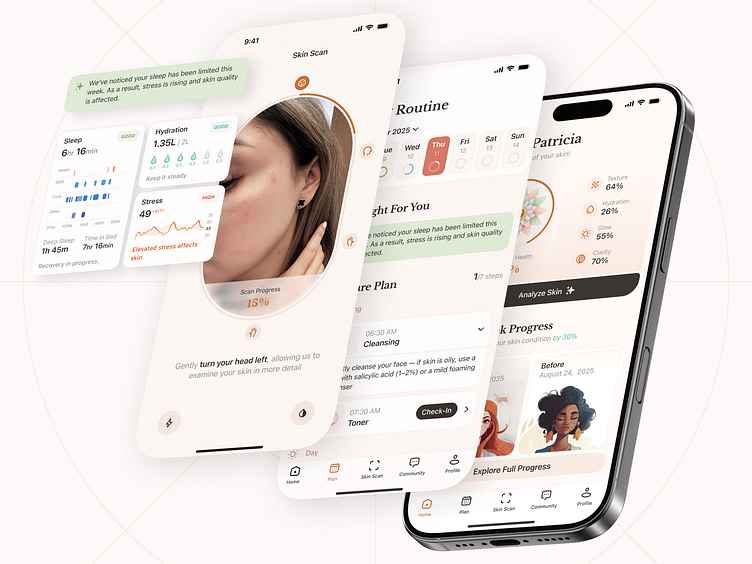
- Subject Positioning: Consistent orientation is critical. The platform typically provides a UI overlay to guide the user in maintaining the same distance and angle for each scan, which is vital for longitudinal studies of one’s skin health.
- Software Updates: Operating system updates often include improvements to camera API handling, which can impact how the SweetSkin algorithm processes raw sensor data.
Evaluating Skin Health Metrics
The platform processes several distinct biomarkers to determine the health profile of the user’s skin. Understanding these categories helps users interpret the analytics and act upon the recommendations provided.
- Hydration Levels: AI models often estimate transepidermal water loss (TEWL) indicators by examining skin texture and light reflection patterns.
- Pigmentation Anomalies: This category includes sunspots, post-inflammatory hyperpigmentation (PIH), and melasma. The software tracks the density and location of these markers.
- Texture and Pores: By analyzing the geometry of the skin surface, the platform calculates pore enlargement and general surface roughness, which are often correlated with skin barrier health.
- Vascularity: The software identifies areas of persistent redness or broken capillaries, distinguishing between transient flushing and chronic conditions like rosacea.
Comparative Analysis: Traditional Skincare vs. AI Analytics
Consumers often weigh the utility of AI-based platforms against traditional consultation or trial-and-error routines. The following table provides a comparison of how different approaches handle skin health management.
| Feature | Trial-and-Error | Professional Dermatologist | SweetSkin AI Platform |
|---|---|---|---|
| Data Basis | Subjective Feeling | Clinical Examination | Pattern Recognition/Data |
| Accessibility | High | Low (Wait times) | High (Instant) |
| Cost | Cumulative (Inefficient) | High (Per visit) | Subscription/Service Fee |
| Consistency | Low | High | High |
| Feedback Loop | Delayed | Periodic | Real-time |
Addressing Data Privacy and Security
In the health and beauty sector, the handling of biometric data is a paramount concern. Users engaging with AI analytics platforms must review the privacy policies regarding the storage, encryption, and potential usage of facial imagery. In 2026, standards for data protection emphasize the right to data deletion and the requirement for explicit consent for algorithmic training. SweetSkin operates under the expectation that user imagery is encrypted at rest and in transit, and that personal identifiable information (PII) is decoupled from the analytical datasets used to refine the AI models. Users should ensure they are not uploading sensitive health information to non-compliant or unsecured repositories.
Limitations and Clinical Reality
It is important to acknowledge that AI platforms for consumer health are intended for analysis and guidance, not for definitive medical diagnosis. While SweetSkin can identify trends—such as a reduction in visible redness or improvements in skin texture—it cannot diagnose skin cancers, autoimmune disorders, or systemic health issues.
A significant limitation of computer vision in skincare is the "garbage in, garbage out" principle. If a user uploads a blurry image, an image with heavy makeup, or a photo taken in suboptimal lighting, the AI may return a false negative or a misleading score. Furthermore, current AI models may exhibit inherent biases based on the demographic composition of their training data. Users should remain cautious of claims that suggest an AI platform can replace a visit to a board-certified dermatologist for chronic or acute skin concerns.
Troubleshooting Common Analytical Discrepancies
When a user receives an analysis score that seems inconsistent with their physical reality, the issue is often procedural rather than systemic.
- Normalization Issues: If the app shows a dramatic change in hydration overnight, it is likely due to a change in environmental lighting. Compare your current image with a previous one taken under the exact same conditions.
- Product Interference: If a user scans their face immediately after applying heavy moisturizers or serums, the optical properties of the skin will change, leading the software to interpret the moisture barrier incorrectly.
- Lens Degradation: Over time, phone lenses can accumulate micro-scratches or oil residue. If consistent results are not being produced over a multi-week period, perform a hardware check on the camera lens.
- Version Mismatches: Using an outdated version of the application may lead to discrepancies in how the algorithm weighs different markers. Ensure the app is updated to the latest 2026 build.
Frequently Asked Questions
H3: Can SweetSkin replace an in-person dermatology appointment?
No, SweetSkin is a tool for monitoring and cosmetic guidance. It is designed to track skin health trends, not to diagnose clinical conditions. Any concerning changes in skin appearance, such as rapidly evolving moles or persistent, painful lesions, require an immediate examination by a licensed medical professional.
H3: How does the AI account for different skin tones?
The platform utilizes diverse training sets to recognize patterns across the Fitzpatrick skin phototype scale. However, performance can vary based on lighting and high-contrast environments. Users with deeper skin tones should ensure they are in well-lit, neutral environments to allow the sensors to capture accurate texture and pigmentation data.
H3: Is the skin score data shared with third-party advertisers?
Reputable AI analytics platforms maintain strict boundaries between diagnostic data and commercial marketing. Always review the specific privacy terms within your account settings to see if your data is being used for "improved service recommendations" or shared with third-party beauty brands for personalized advertising.
H3: Why do my results fluctuate so much between days?
Fluctuations are typically caused by environmental noise. Factors such as circadian rhythms affecting skin barrier function, changes in ambient lighting, humidity, and the use of occlusive skincare products can drastically change the optical readout. For the most consistent results, perform your scans at the same time of day under the same lighting conditions.
H3: Does the platform suggest specific commercial products?
Many AI analytics platforms integrate with e-commerce partners to suggest products based on identified deficiencies. While these recommendations are generated by algorithms, they should be viewed as suggestions rather than medical prescriptions. Always check the ingredient list against your known allergies.
Getting Started with Your First Scan
To begin using the SweetSkin platform effectively, start by creating a consistent baseline. Choose a dedicated location in your home that receives consistent indirect natural light, such as a wall facing a window. During your first session, follow the on-screen calibration prompts exactly. Perform this initial scan without any topical products on your skin to ensure the AI analyzes your true surface texture. Commit to a consistent cadence—ideally once a week—at the same time, ensuring your device settings remain stable. By establishing this habit, you ensure the longitudinal data provided by the platform reflects genuine changes in your skin health, allowing you to make informed decisions about your beauty regimen.