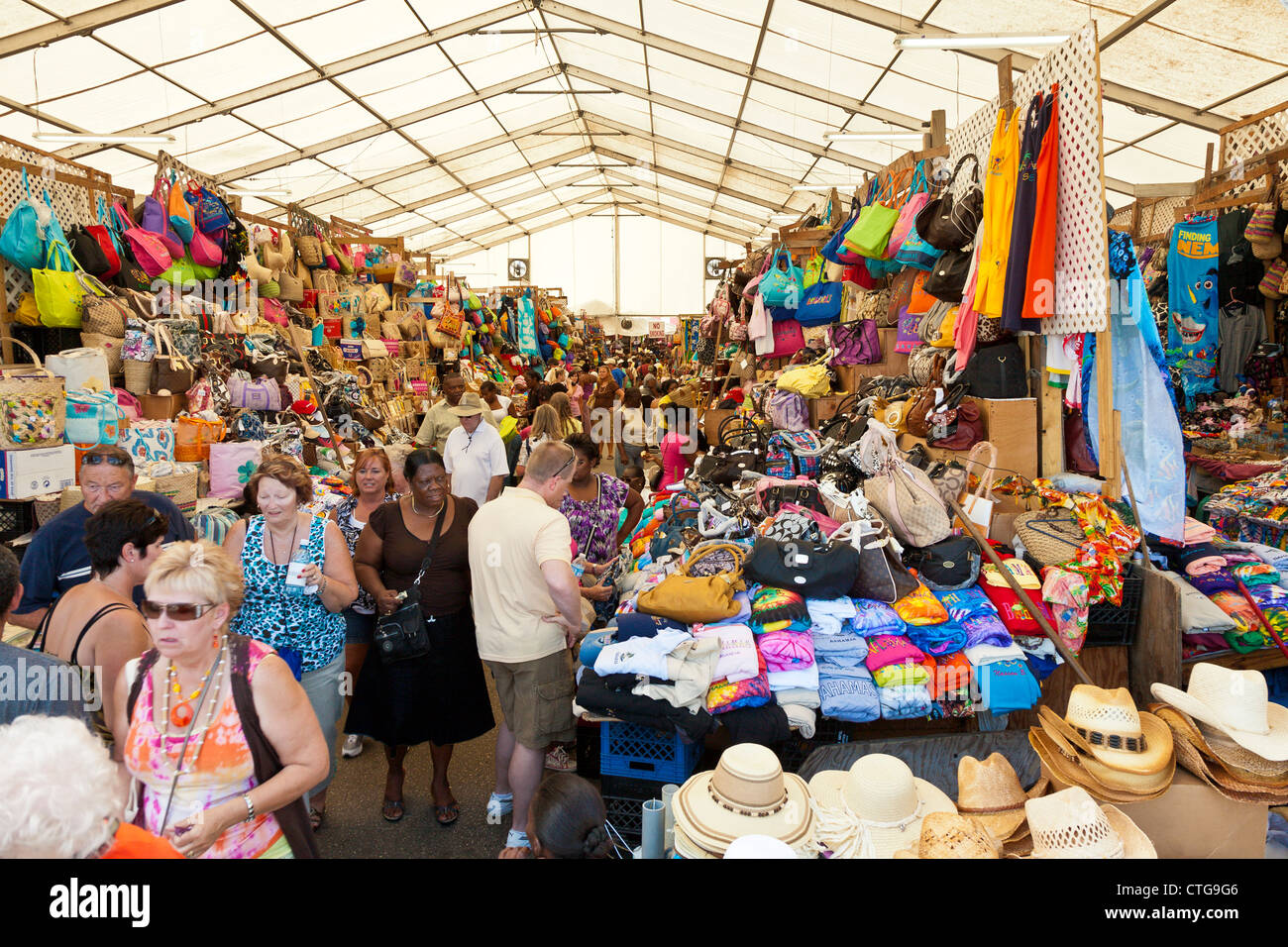
A straw market is a traditional open-air or sheltered bazaar, most famously exemplified by the historic Nassau Straw Market in The Bahamas. It serves as a commercial and cultural center where local artisans sell hand-woven palm-leaf products, wood carvings, and regional souvenirs. Visitors can browse handcrafted goods, request custom embroidery, and experience traditional island craft culture while engaging in courteous price bargaining.
What Is a Straw Market? Cultural Roots and Heritage
A straw market is far more than a simple souvenir hub; it represents a living historical institution rooted in the post-emancipation micro-economies of the Caribbean. While straw weaving exists in various island nations, the concept of a centralized "straw market" reached its iconic status in The Bahamas. The craft itself originated from West African weaving traditions brought to the West Indies during the transatlantic slave trade. Enslaved populations and their descendants utilized wild plant fibers to fashion essential everyday utility items, including fish traps, baskets for agricultural yields, strainers, and sun hats for field labor.
The transition of straw plaiting from household utility to commercial enterprise accelerated during the late 1930s. In 1938, a catastrophic fungal blight wiped out the marine sponge population across the Great Bahama Bank, crippling the sponge-harvesting industry that had sustained thousands of Bahamian families. To survive the economic fallout, local women—known historically as "straw vendors" or "straw ladies"—pivoted to their traditional weaving skills. They set up informal market stalls along the docks in downtown Nassau to sell plaited goods to wealthy winter tourists arriving on steamships and luxury yachts.
The raw materials used in authentic straw craft reflect the natural flora of the subtropical archipelago:
- Silver Top Palm (Coccothrinax argentata): The young, unopened center fronds (leaves) of the native Silver Top palm yield fine, durable straw fibers. Artisans harvest the leaves, dry them in the sun, and strip them into narrow strands before weaving.
- Sisal (Agave sisalana): Derived from the stiff fibers of the agave plant, sisal provides exceptional tensile strength. It is frequently dyed in vibrant colors and used to structuralize sturdy baskets, handles, and heavy-duty floor mats.
- Coconut Palm (Cocos nucifera): Broader coconut fronds are typically used for larger utility baskets, hats, and decorative mats, offering a darker tone and rigid texture.
Plaiting techniques require immense precision and are passed down through generations of weaving families. Crafters strip the dried palm leaves and plait them into long strips using distinct patterns. Famous traditional plait patterns include the Bahama Mama, Pineapple, Fish Tail, Jacob’s Ladder, and Strap. Once yards of plaited straw braid are completed, artisans hand-sew or machine-stitch the strips into three-dimensional shapes, creating hats, handbags, totes, and home accents.
Key Locations: The Famous Nassau Straw Market and Beyond
While straw markets exist across various Caribbean destinations, the central reference point for the industry is the Nassau Straw Market, situated on Bay Street in downtown Nassau, New Providence, The Bahamas. This location places it directly in the path of cruise ship passengers entering through Nassau Harbor and tourists staying at nearby resort corridors.
The History of the Nassau Straw Market Building
The physical space of the Nassau Straw Market has endured multiple transformations, shaped significantly by major fires throughout the 20th and 21st centuries:
- Early Markets (Mid-20th Century): Vendors originally operated out of open waterfront plazas and temporary wooden structures near the shipping piers.
- The 1974 Fire: A massive fire destroyed the historic wooden structure housing the market, forcing vendors into temporary quarters while a dedicated market hall was constructed.
- The 2001 Fire: On September 10, 2001, a catastrophic fire swept through the market, destroying the historic building and centuries' worth of archival straw patterns, family tools, and inventory. For nearly a decade, vendors operated under a massive temporary tent structure on Bay Street.
- The Modern Facility: The modern, air-conditioned, fire-resistant Straw Market structure officially opened to the public in late 2011. Built from concrete and engineered wood under the oversight of the Straw Market Authority, it houses hundreds of vendor stalls under strict structural, fire safety, and commercial guidelines.
Secondary Regional Markets
Beyond downtown Nassau, visitors encounter smaller, specialized straw markets across the Bahamian islands and the wider region:
- Cable Beach Straw Market (Nassau): A smaller, quieter alternative located west of downtown near major resort complexes.
- Port Lucaya Marketplace (Freeport, Grand Bahama): Features a dedicated craft and straw section catering to visitors on Grand Bahama Island.
- Out Island Markets: Local straw markets operate on Exuma, Eleuthera, and Long Island, where visitors can often purchase raw plait strips directly from rural weavers who supply the primary markets in Nassau.
Essential Visitor Guide: What to Buy and How to Shop
Navigating a busy straw market requires an understanding of the products available and how to differentiate between authentic local handiwork and imported factory goods. A standard market contains hundreds of small stalls packed closely together, creating a vibrant, dense shopping atmosphere.
- RAW MATERIAL HARVESTING (Silver Top Palm / Sisal / Coconut)
- SUN-DRYING & STRIPPING (Fibers cured & split into strands)
- PLAITING THE FIBERS (Hand-weaving into continuous braids)
- SEWING & STRUCTURING (Braid sewn into bags, hats, or mats)
- FINISHING & EMBROIDERY (Adding names, floral dyes, or wood accents)
Primary Market Inventory
- Hand-Plaited Straw Bags and Totes: Available in natural palm hues or dyed colors, these range from small clutch purses to large beach totes. Authentic pieces feature uniform stitching along the plait lines.
- Straw Hats: Ranging from wide-brimmed sun hats to fedoras and traditional Panama-style caps. Many vendors offer custom brim trimming and ribbon fitting on-site.
- Personalized Monogramming and Embroidery: Most vendors carry needles and colorful yarn at their booths. For a nominal fee (or included in the purchase price), they will hand-embroider your name, initials, or decorative palm trees onto a bag or hat within minutes.
- Hand-Carved Wooden Goods: Local woodcarvers sell bowls, figurines, sea turtle sculptures, and walking sticks crafted from native hardwoods such as mahogany, horseflesh wood, and cedar.
- Home Goods and Accessories: Coasters, place mats, doll figures, fan blades, and small trinket boxes woven from natural fibers.
Identifying Authentic Handcrafted Straw Items
Due to high tourist demand, some market stalls supplement their inventory with imported, factory-made synthetic bags and souvenirs. To ensure you are supporting local artisans and purchasing authentic island craft, inspect the items using these criteria:
- Texture and Scent: Authentic palm straw has a slight natural, earthy odor and a flexible, organic texture. Synthetic imitations often feel smooth, rigid, or plastic-like, and lack a natural plant fragrance.
- Weave Uniformity and Imperfections: Hand-plaited items display subtle variations in strand width, braid tension, and color tone across the surface. Machine-manufactured imports feature mechanically perfect, repetitive patterns made from synthetic thread or plastic-coated paper.
- Stitching at the Joints: Look at how the braid is joined. Hand-crafted bags show durable thread stitching where the plait overlaps, whereas mass-produced bags frequently use synthetic adhesives or lightweight machine serging.
Authentic Hand-Woven Straw Goods vs. Mass-Produced Items
The table below outlines key differences between traditional handmade straw products and mass-produced commercial alternatives commonly found in souvenir markets.
| Feature | Authentic Handmade Straw Crafts | Mass-Produced / Synthetic Imports |
|---|---|---|
| Primary Materials | Native Silver Top Palm fronds, Sisal, Coconut leaves | Woven paper fiber, synthetic polypropylene, vinyl |
| Production Method | Hand-plaited braids hand-sewn into shape | Machine-braided or factory-molded construction |
| Durability | High; natural fibers resist cracking when conditioned | Moderate to Low; paper fibers disintegrate when wet |
| Aesthetic Variation | Unique; natural tonal shifts and minor pattern variations | Uniform; identical color saturation and mechanical weave |
| Customization | Easily personalized with live yarn embroidery on-site | Difficult to customize; material may tear under hand-stitching |
| Economic Impact | Direct financial support to local artisans and weavers | Low economic retention for local craft communities |
| Price Point | Mid to High ($25 – $150+ depending on size and detail) | Low to Mid ($10 – $30) |
Practical Etiquette, Currency, and Negotiation Strategies
Shopping at a straw market involves social interaction that differs significantly from standard retail stores. Understanding commercial norms ensures a pleasant experience for both buyers and artisans.
Haggling Etiquette
Price negotiation (haggling) is a long-standing tradition in open-air straw markets, but it should always remain respectful and lighthearted. Vendors invest significant labor into harvesting materials, plaiting braid, and assembling goods.
- Ask Before Offering: Always ask the vendor for the initial price of an item before proposing a lower figure.
- Offer Reasonable Counter-Prices: A customary starting counteroffer is generally 15% to 20% below the vendor's initial quote. Avoid making extremely low offers, which can be viewed as disrespectful to the artisan's labor.
- Bundling Items: If purchasing multiple items—such as three hats or a tote and a wood carving—ask the vendor for a combined bundle price. Vendors are much more likely to grant discounts on multiple items.
- Keep it Courteous: Maintain a friendly tone. If a vendor cannot meet your price point, politely decline and thank them before walking away.
Currency and Payment Methods
- Dual-Currency System: In The Bahamas, the Bahamian Dollar (BSD) is pegged at a 1:1 ratio with the United States Dollar (USD). Both currencies are accepted interchangeably throughout all straw markets.
- Cash Is Essential: While a few larger vendors in permanent stalls may process credit cards using mobile readers, the vast majority of straw market vendors operate on a cash-only basis.
- Carry Small Denominations: Bring small bills ($1, $5, $10, and $20 notes). Vendors often cannot make change for $50 or $100 bills, especially early in the morning.
- Tipping for Customization: If a vendor spends time hand-embroidering a customized message or complex design onto your bag, adding a small tip ($2 to $5) is standard etiquette.
Customs Regulations and Bringing Straw Products Home
Travelers purchasing plant-based items and wood carvings must ensure their acquisitions meet the biosecurity and customs entry regulations of their home countries. Modern border control agencies regulate imported organic materials to prevent the introduction of invasive agricultural pests, plant diseases, and non-native insects.
| PERMITTED ITEMS | RESTRICTED / PROHIBITED |
|---|---|
| ✓ Dried, cured palm leaf | ✗ Fresh, green plant leaves |
| ✓ Finished, dyed sisal | ✗ Items containing seeds |
| ✓ Sanded, varnished wood | ✗ Wood with unstripped bark |
| ✓ Fully processed fiber | ✗ Products with insect holes |
U.S. Customs and Border Protection (CBP)
The U.S. Department of Agriculture (USDA) Animal and Plant Health Inspection Service (APHIS) establishes clear guidelines for bringing plant-derived souvenirs into the United States:
- Dried Straw and Palm Products: Processed, dried, and fully cured palm leaf items (such as finished bags, hats, and mats) are generally permitted entry without a permit, provided they are thoroughly dried, free of live insects, and contain no soil or seeds.
- Raw or Fresh Plant Material: Fresh, green, un-cured palm fronds or items containing viable seeds, raw berries, or live plant tissue are prohibited.
- Wooden Carvings: Wood carvings must be completely free of tree bark, soil, and live wood-boring insects. Items showing visible exit holes, sawdust powder (frass), or active insect infestation will be confiscated and destroyed at border checkpoints.
Canadian and European Customs Entry
- Canada: The Canada Border Services Agency (CBSA) requires all wood and plant products to be declared upon arrival. Finished wooden items must be dry and bark-free. Straw items woven from dried, processed agricultural materials are acceptable if clean and pest-free.
- United Kingdom & European Union: Border control officials permit processed, dried plant fiber items for personal use. However, untreated, unworked botanical specimens or raw wood products containing bark require phytosanitary certification.
Declaration Requirements
Always declare all plant-based souvenirs, straw items, and wood crafts on your customs declaration form upon returning to your home country. Honesty avoids fines; declared items that fail inspection are simply confiscated, whereas failure to declare organic materials can result in severe financial penalties.
Frequently Asked Questions
Can I use credit cards at the Nassau Straw Market?
While a select number of vendors have modern mobile point-of-sale card readers, cash remains the dominant and preferred method of payment. Travelers should carry sufficient physical cash in U.S. or Bahamian dollars, preferably in smaller denominations ($1, $5, $10, and $20 bills).
Are all products sold at the straw market handmade locally?
No. While many vendors sell authentic, locally plaited palm goods and hand-carved woods, some stalls carry imported mass-produced souvenirs made from synthetic materials or paper fiber. Inspect the stitching, smell the natural palm material, and ask the vendor directly about how the piece was constructed to verify its origin.
What are the standard opening hours for the downtown Nassau Straw Market?
The downtown Nassau Straw Market generally operates daily from 9:00 AM to 5:00 PM. Vendor activity peaks during the middle of the day when cruise ships are docked in Nassau Harbor.
How do I care for and maintain a straw bag or hat after returning home?
Keep straw goods in a dry, well-ventilated environment. Do not crush or fold structural straw hats, as compressed palm fibers can crack. If the straw becomes dirty, wipe it gently with a dry or slightly damp cloth; never submerge natural straw items in water or use harsh chemical detergents.
Is haggling mandatory when shopping at a straw market?
Haggling is not mandatory, but it is a widely accepted commercial norm. Prices quoted by vendors often leave room for negotiation. If you prefer not to negotiate, paying the stated price is fully acceptable and directly supports the artisan.
Actionable Steps for Planning Your Straw Market Visit
To ensure a smooth shopping experience at a local straw market, follow these practical steps:
- Prepare Small Cash Denominations: Withdraw cash prior to visiting the market area. Break large bills at your hotel or local bank to carry $1, $5, and $10 notes for easy transactions.
- Timing Your Visit: Arrive early in the morning (around 9:30 AM) to beat the peak cruise-ship crowds, enjoy cooler temperatures inside open-air facilities, and receive attentive service from vendors opening their stalls.
- Inspect Items for Authenticity: Examine the weave structure, stitch work, and material quality before purchasing. Look for tight, uniform plaiting and real dried palm fronds rather than synthetic paper fibers.
- Confirm Customization Details First: If requesting hand-embroidered names or motifs, double-check spelling with the artisan before they begin stitching on the product.
- Perform a Pre-Customs Inspection: Before packing your purchases, inspect wood carvings for small holes or loose sawdust (frass) that indicate insect activity, and ensure straw items are completely dry, free of soil, and free of green plant material.