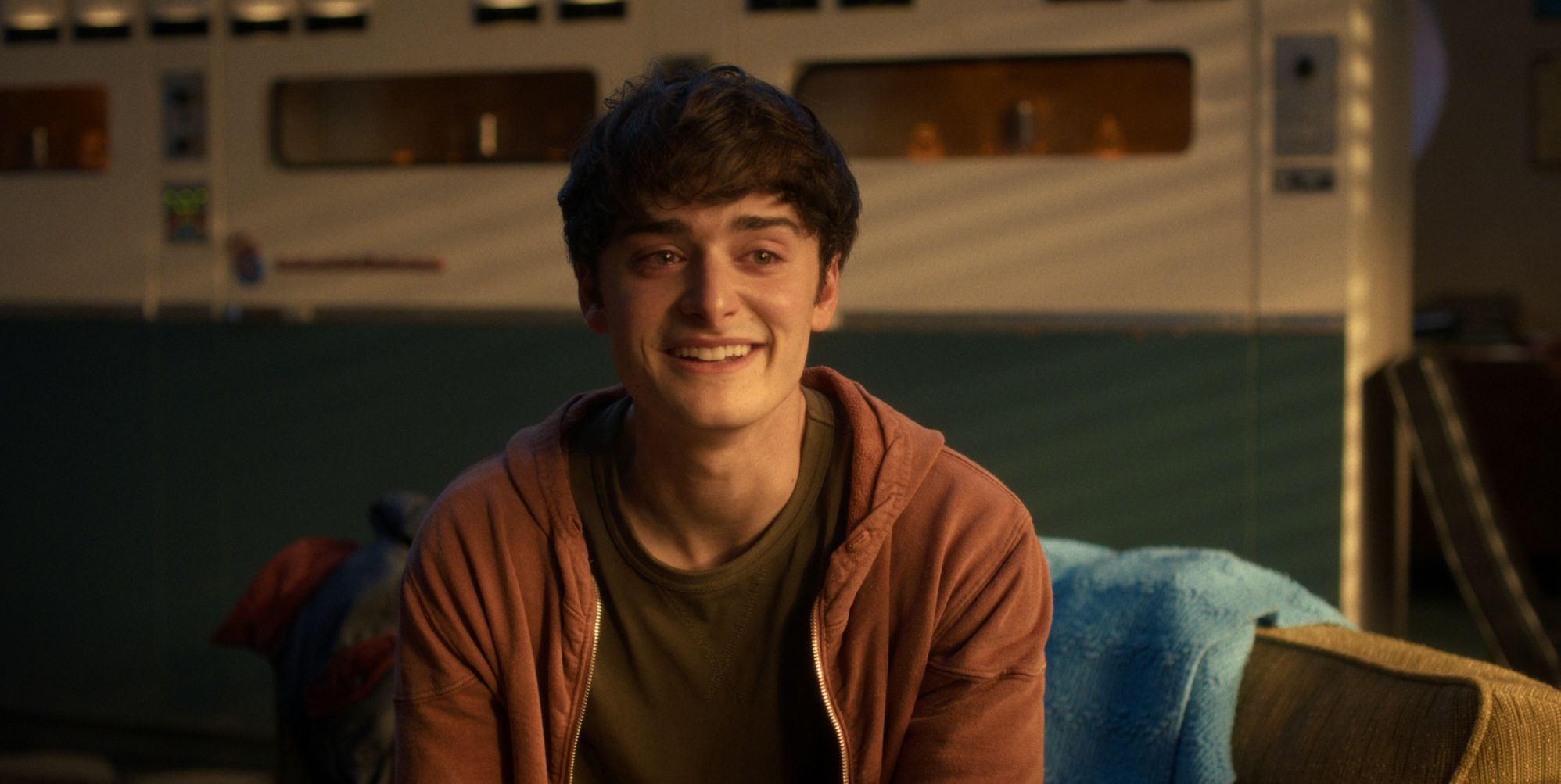
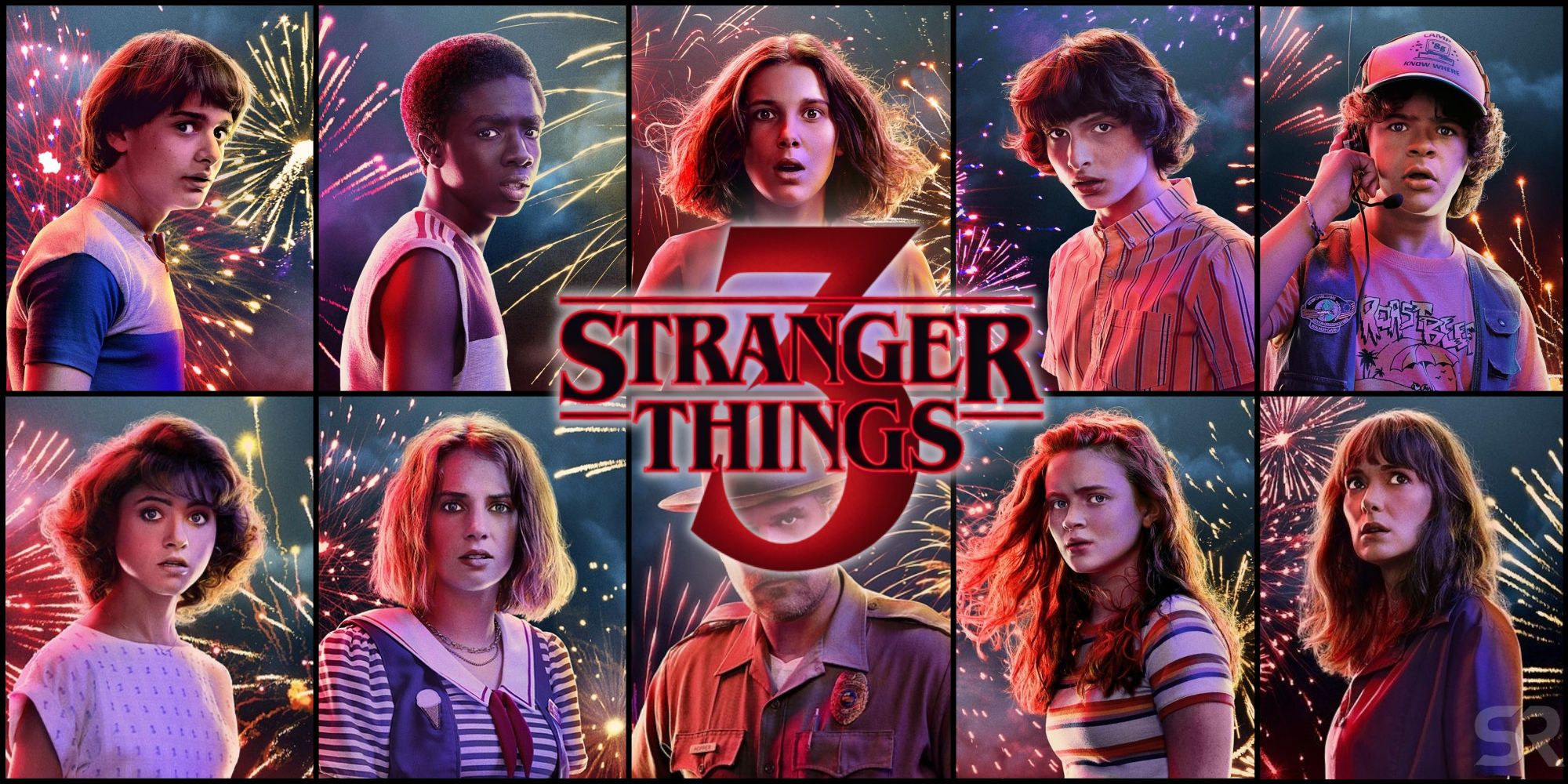
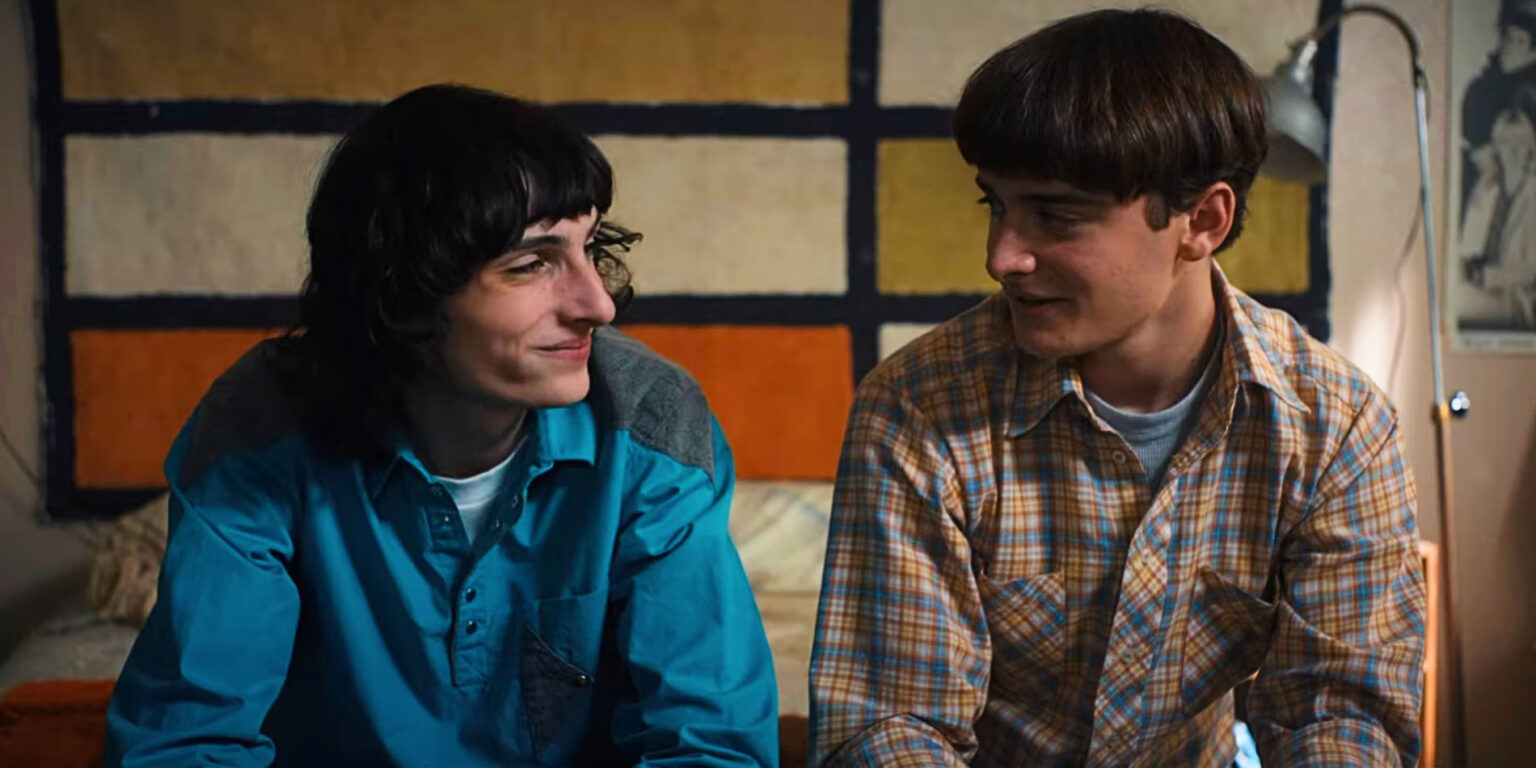
Stranger Things features prominent LGBTQ+ character representation that evolves from subtle subtext in early seasons to explicit, central character arcs in later seasons. Primary queer narratives center on Robin Buckley, who comes out as a lesbian in Season 3, and Will Byers, whose journey with unrequited feelings and queer identity unfolds through Season 4.
Key LGBTQ+ Characters in Stranger Things and Their Storylines
The inclusion of LGBTQ+ themes in Netflix’s flagship sci-fi drama Stranger Things marks a significant shift in how mainstream genre television handles queer narratives set within historical periods. Set in the mid-1980s, the series portrays the social pressures, internal isolation, and quiet solidarity experienced by queer youth in small-town Indiana.
Robin Buckley: A Breakout Queer Character
Introduced in Season 3 as Steve Harrington’s co-worker at the Scoops Ahoy ice cream parlor, Robin Buckley (played by Maya Hawke) quickly became a fan favorite. Initially written with potential romantic chemistry toward Steve, her trajectory shifted during production to reflect a authentic coming-out narrative. Robin is canonically a lesbian, making her the first explicitly queer main character on the show. In Season 4, her storyline expands to include her romantic interest in Vickie, a fellow Hawkins High Marching Band member, depicting the awkwardness and hope of teenage queer romance.
Will Byers: A Multi-Season Journey of Identity
Will Byers (played by Noah Schnapp) has been at the emotional core of Stranger Things since his disappearance in Season 1. Throughout the series, Will’s struggle for belonging is tied not only to his traumatic connection to the Upside Down, but also to his realization that he is different from his peers. Early seasons drop hints through casual dialogue, parental comments, and Will’s hesitation toward traditional teenage heterosexual romance. By Season 4, Will’s narrative explicitly focuses on his internal struggle with his sexuality and his deep, unrequited love for his best friend, Mike Wheeler.
Vickie and Secondary Queer Dynamics
Season 4 introduces Vickie (played by Amybeth McNulty), a fast-talking clarinet player in the school band who becomes the focus of Robin’s romantic attention. Their interaction explores the anxiety of attempting to read micro-signals of queer interest in a era where openly expressing non-heterosexual identity carried significant social and personal risks.
Essential Stranger Things LGBTQ+ Episode Guide
To trace the development of queer identity and representation throughout the series, key episodes highlight pivotal character moments, coming-out scenes, and narrative turning points.
Season 1, Episode 1: "Chapter One: The Vanishing of Will Byers"
- Context: The series premiere establishes early atmospheric details regarding Will Byers' perceived differences.
- Representation Fact: In discussions between Joyce Byers and Chief Jim Hopper, Joyce notes that Will's estranged father, Lonnie, used homophobic slurs against Will, criticising him for being sensitive and non-conformist. This establishes that Will faced queer-phobic marginalization even prior to his supernatural abduction.
Season 3, Episode 3: "Chapter Three: The Case of the Missing Lifeguard"
- Context: Friction grows between Will and his friend group as Mike, Lucas, and Dustin focus on romantic relationships with girls while Will wants to continue playing Dungeons & Dragons.
- Representation Fact: During a heated argument outside Mike's house, Mike utters the line, "It's not my fault you don’t like girls!" While written at the time with potential ambiguity regarding emotional maturity, the scene functions as a crucial milestone in Will's distance from normative teenage heterosexual behaviors.
Season 3, Episode 7: "Chapter Seven: The Bite"
- Context: Doped up on truth serum administered by Russian operatives, Steve Harrington and Robin Buckley rest on the floor of a Starcourt Mall bathroom stall.
- Representation Fact: Steve confesses his romantic feelings for Robin. Robin comes out to Steve, revealing that her obsession in class was not with Steve, but with Tammy Thompson, because she wanted Tammy to look at her. Steve accepts her unconditionally, marking the first explicit, verbal coming-out moment in the series.
Season 4, Episode 8: "Chapter Eight: Papa"
- Context: While traveling across the desert in Argyle's Surfer Boy Pizza van, Will shows Mike a painting depicting their D&D party defeating a dragon.
- Representation Fact: Will gives an emotional speech urging Mike not to lose faith in Eleven. However, Will uses Eleven as a metaphor to voice his own feelings, telling Mike that when you're different, you feel like a mistake, but having Mike makes you feel brave. Will turns away to cry silently while his brother, Jonathan, observes in the rearview mirror, recognizing Will's pain.
Season 4, Episode 9: "Chapter Nine: The Piggyback"
- Context: Following the battle at the Creel House, Jonathan reassures Will while prepping food in the pizza kitchen, and Robin bonds with Vickie at the Hawkins disaster relief shelter.
- Representation Fact: Jonathan offers a quiet, unconditional speech to Will, emphasizing that he loves Will no matter what and that nothing will ever change that. Later, Robin and Vickie share an intimate moment making sandwiches together after Vickie breaks up with her boyfriend, offering a glimpse of mutual romantic potential.
Key LGBTQ+ Episodes and Character Milestones
| Season & Episode | Focused Character | Key Narrative Moment | Representation Impact |
|---|---|---|---|
| S1, Ep 1 ("The Vanishing of Will Byers") | Will Byers | Early family dialogue referencing Lonnie's homophobic comments. | Establishes Will's alienation and external prejudice prior to supernatural events. |
| S3, Ep 3 ("The Case of the Missing Lifeguard") | Will Byers | Confrontation between Mike and Will regarding shifting interest in girls. | Highlighted the growing rift between Will's experience and traditional adolescent milestones. |
| S3, Ep 7 ("The Bite") | Robin Buckley | Robin comes out to Steve in the Starcourt Mall bathroom. | First explicit coming-out scene in the series; establishes Steve and Robin's platonic bond. |
| S4, Ep 1 ("The Hellfire Club") | Robin Buckley & Vickie | Robin confides in Steve about her crush on bandmate Vickie. | Normalizes casual queer conversation and peer support between Steve and Robin. |
| S4, Ep 8 ("Papa") | Will Byers | Will's van speech to Mike using his painting as a proxy for his own feelings. | Explicitly dramatizes Will's unrequited love and emotional burden of remaining closeted. |
| S4, Ep 9 ("The Piggyback") | Will Byers & Robin Buckley | Jonathan offers unspoken support to Will; Robin connects with Vickie at the shelter. | Displays family acceptance for Will and potential romantic progress for Robin. |
Historical Context: Growing Up Queer in 1980s Small-Town America
The portrayal of LGBTQ+ experiences in Stranger Things is deeply tied to its setting in 1980s rural Indiana. During this era, social conservatism and the heightening AIDS epidemic created an environment where openly identifying as LGBTQ+ brought substantial personal risk, social ostracization, and safety concerns.
- Social Isolation / Closeted Identity
- Micro-aggressions & Familial Rejection (Lonnie's comments to Will)
- Coded Signals & Unspoken Bonds (Robin reading Vickie's habits)
- Emotional Vulnerability & Allies (Jonathan's & Steve's support)
The show addresses these atmospheric realities through:
- Subtext and Coded Language: Characters like Robin rely on subtle cues—such as tracking a peer's habits, music tastes, or film interests—to gauge whether someone might share a non-heterosexual orientation without asking directly.
- Fear of Disclosure: Will’s reluctance to speak plainly about his feelings reflects the psychological burden of growing up in an era lacking visible, positive queer role models in small Midwestern communities.
- Platonic Allies: The series emphasizes the vital role of empathetic allies. Steve's immediate, lighthearted acceptance of Robin and Jonathan's gentle affirmation of Will provide safe spaces within an otherwise hostile cultural backdrop.
Creator Insights and Actor Confirmations
Beyond the textual evidence present on screen, the creative team and cast members have formally confirmed the canonical nature of these character identities.
Noah Schnapp on Will Byers
Following the release of Season 4 Volume 2 in July 2022, actor Noah Schnapp explicitly confirmed Will Byers' orientation during press interviews with major outlets such as Variety. Schnapp stated:
"Now that he’s gotten older, they made it a very real, obvious thing. Now it’s 100% clear that he is gay and he does love Mike."
Schnapp noted that the Duffer Brothers intentionally took a slow-burn approach across four seasons to reflect the natural, confusing timeline of a real teenager discovering their identity.
Maya Hawke and the Duffer Brothers on Robin Buckley
In interviews following Season 3, Maya Hawke revealed that Robin’s identity was determined during production rather than being fully mapped out in pre-production. Originally, the script leaned toward a traditional romantic storyline between Steve and Robin. However, as filming progressed, Hawke, director Shawn Levy, and the Duffer Brothers agreed that Robin coming out as a lesbian created a far more meaningful dynamic between the two characters, transforming a potential love triangle into a core platonic friendship.
Frequently Asked Questions
Is Will Byers canonically gay in Stranger Things?
Yes, Will Byers is canonically gay. While early seasons utilized subtext and character dialogue to indicate his feelings, Season 4 explicitly dramatizes his unrequited love for Mike Wheeler. Actor Noah Schnapp confirmed in July 2022 interviews that Will is gay and has romantic feelings for Mike.
What episode does Robin Buckley come out in Stranger Things?
Robin Buckley comes out in Season 3, Episode 7, titled "Chapter Seven: The Bite." Sitting in a Starcourt Mall bathroom stall with Steve Harrington, she reveals that her high school obsession was with Tammy Thompson rather than Steve, making her the first explicitly coming-out main character in the series.
Does Steve Harrington accept Robin after she comes out?
Yes, Steve accepts Robin immediately and with warmth. After Robin reveals her crush on Tammy Thompson, Steve lightheartedly teases her about Tammy's poor singing voice and accepts her identity without hesitation, establishing their signature platonic friendship.
How does Jonathan Byers react to Will's sexuality in Season 4?
Jonathan Byers notices Will crying in the van during Episode 8 after Will speaks about feeling like a mistake. In Episode 9 ("The Piggyback"), Jonathan offers Will unconditional support during a conversation at Surfer Boy Pizza, assuring Will that he will always be there for him regardless of what happens.
Who is Robin's crush in Stranger Things Season 4?
Robin's crush in Season 4 is Vickie, a member of the Hawkins High Marching Band who plays the clarinet. Robin frequently discusses her anxiety over reading Vickie's behavior with Steve, and the two characters bond at the disaster relief center in the Season 4 finale.
Guidance for Viewers and Analysts
When reviewing Stranger Things through the lens of queer media representation, consider the following approach to fully appreciate the narrative construction:
- Track Narrative Evolution: Begin with Season 1 to observe how subtle familial dialogue sets up Will's isolation before examining his explicit emotional development in Season 4.
- Examine Historical Nuance: Pay close attention to how Robin and Will navigate their feelings without modern terminology or social safety networks, reflecting the realities of 1980s Midwestern life.
- Analyze Parallel Relationships: Compare Steve’s supportive response to Robin with Jonathan’s quiet acceptance of Will to see how the series portrays positive allyship across different character dynamics.