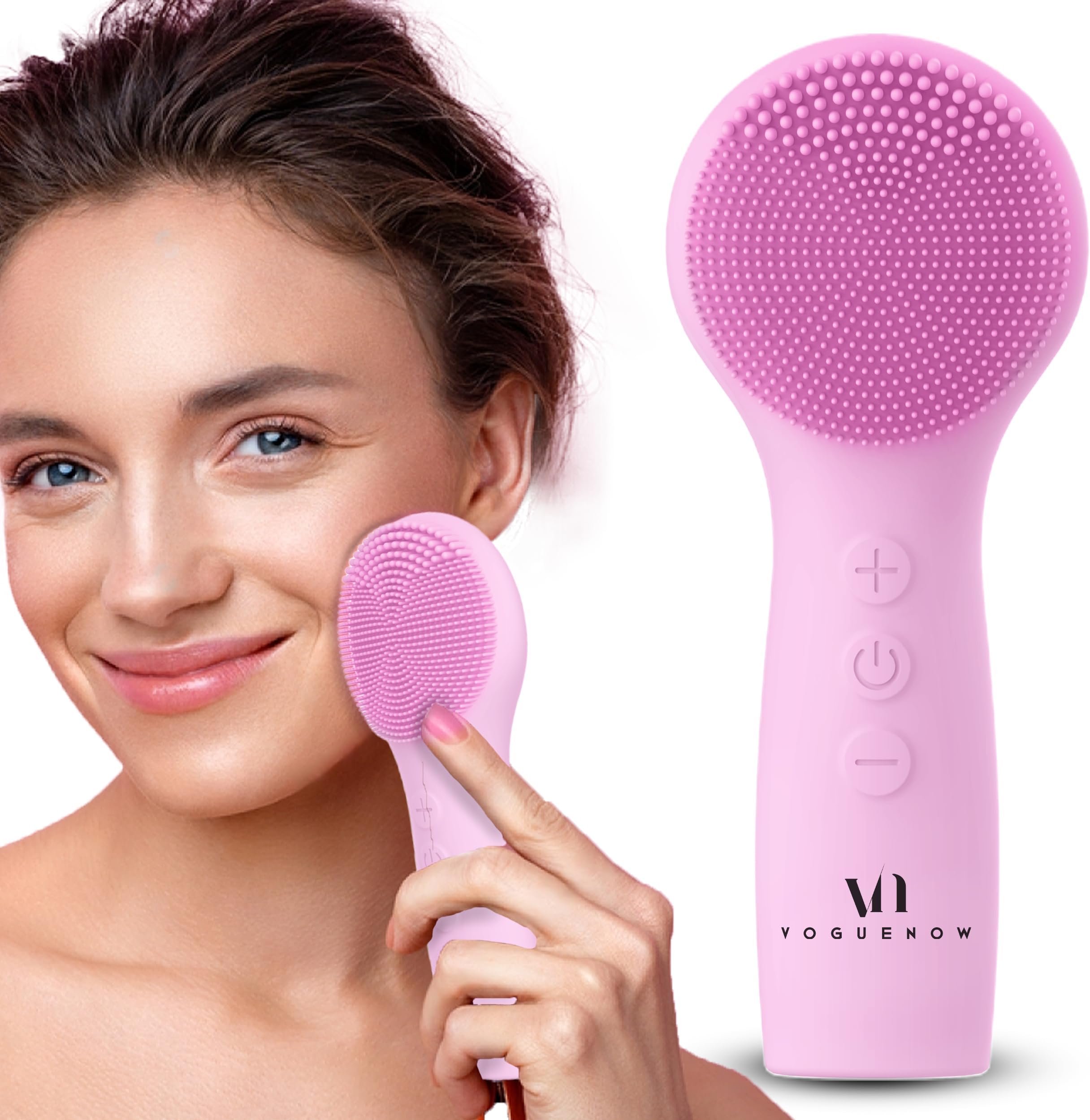
A spa face brush is an electric or manual cosmetic tool designed to enhance skin cleansing and physical exfoliation. By utilizing rotating bristles, high-frequency sonic oscillations, or hygienic silicone touchpoints, it dislodges deep-seated oil, dead skin cells, and cosmetic residue more effectively than cleansing with hands alone, promoting a smoother texture and better skin barrier hygiene.
Mechanics and Technologies Behind Spa Face Brushes
Understanding the mechanical differences among facial cleansing tools is essential for choosing a device that aligns with your specific skin type and routine goals. Facial brushes vary significantly in how they deliver mechanical energy to the epidermis, ranging from simple manual friction to advanced high-frequency acoustic movement.
- Mechanical Energy Source
- Rotating Nylon (Friction)
- Sonic Oscillating (Acoustic)
- Silicone Pulsation (Hygienic)
Rotating Nylon Bristle Brushes
Traditional electric face brushes utilize a motor that drives a circular brush head in continuous 360-degree rotations. The bristles—typically composed of fine nylon filaments—physically sweep across the stratum corneum (the outermost layer of the skin).
- Action Mechanism: Direct friction against surface cells and sebum buildup.
- Performance Profile: Effective at removing heavy makeup and surface debris, but carries a higher risk of over-exfoliation if used with excessive manual pressure or on sensitive skin.
Sonic Oscillating Brushes
Sonic facial brushes use micro-oscillation technology rather than full rotational motion. The brush head vibrates back and forth at sonic frequencies, often between 200 and 300 movements per second (12,000 to 18,000 vibrations per minute).
- Action Mechanism: High-speed micro-movements create fluid dynamics within water and facial cleanser. This pushes fluid into pores to loosen debris without dragging the skin mechanically.
- Performance Profile: Provides deep cleansing with less surface friction than rotating brushes, making it safer for delicate facial tissue.
Pulsating Silicone Facial Brushes
Silicone face brushes replace traditional fibers with non-porous, medical-grade silicone touchpoints. Powered by internal motors, these devices deliver high-frequency acoustic pulsations through soft silicone nodes.
- Action Mechanism: Rapid, gentle taps dislodge impurities while massaging the underlying cutaneous tissue.
- Performance Profile: Highly hygienic, inherently resistant to bacterial accumulation, non-abrasive, and easy to clean. These features make silicone devices ideal for sensitive, reactive, or acne-prone skin.
Manual Facial Brushes
Manual brushes rely entirely on user movement and controlled physical pressure. Constructed with ultra-soft micro-fibers, synthetic bristles, or natural materials set into wooden or acrylic handles, they offer complete manual control over speed, direction, and intensity.
- Action Mechanism: User-controlled surface friction.
- Performance Profile: Cost-effective, travel-friendly, and simple to use, though efficacy depends on manual technique and brush cleanliness.
Skincare Benefits of Incorporating a Spa Face Brush
Integrating a mechanical cleansing device into a balanced skincare regimen yields several physical and aesthetic improvements when executed correctly.
Deeper Pore Cleansing and Debris Removal
Daily exposure to environmental pollutants, sunscreen formulations, and long-wear makeup leaves behind micro-particles that simple hand washing often misses. The micro-movements of a spa face brush agitate cleansing formulas into fine lather, enabling surfactant molecules to bind to trapped lipophilic (oil-based) impurities inside pore openings.
Uniform Physical Exfoliation
Dead skin cells (corneocytes) continuously shed from the stratum corneum. When this shedding process slows down due to aging, dry climate, or genetics, dead cells accumulate, leading to dullness and clogged pores. A face brush offers uniform physical exfoliation, removing loose surface cells to reveal brighter skin without requiring harsh granular scrubs.
Improved Topical Absorption
By sweeping away the outer layer of excess sebum and dead skin cells, a spa face brush clears the physical barrier obstructing your skincare products. Following a brush-cleansing session, active ingredients in toners, serums, and moisturizers (such as hyaluronic acid, niacinamide, or vitamin C) can penetrate the outer skin layer more evenly and effectively.
Cutaneous Microcirculation and Massage
The kinetic energy imparted by sonic and pulsating brushes gently stimulates cutaneous capillaries near the surface of the skin. This temporary boost in microcirculation delivers fresh oxygen and nutrient-rich blood to surface tissues while encouraging lymphatic drainage, reducing morning puffiness around the lower face and jawline.
Comparing Spa Face Brush Technologies
To help evaluate which device fits your routine, the following table breaks down the core structural features, ideal skin types, maintenance demands, and performance parameters across the primary brush categories.
| Brush Technology | Primary Mechanism | Ideal Skin Types | Hygiene & Maintenance | Exfoliation Intensity | Head Replacement Frequency |
|---|---|---|---|---|---|
| Rotating Nylon Bristle | 360-degree motor rotation | Normal, oily, non-sensitive | High maintenance; requires thorough drying | Moderate to High | Every 3 months |
| Sonic Oscillating Bristle | High-frequency micro-vibration | Normal, combination, oil-heavy | Moderate; must be rinsed and dried vertically | Mild to Moderate | Every 3 months |
| Pulsating Silicone | Acoustic T-sonic vibrations | Sensitive, dry, acne-prone | Low maintenance; non-porous, quick-drying | Gentle to Mild | None (permanent head) |
| Manual Soft Fiber | User-guided friction | Normal, resilient skin | High maintenance; prone to moisture retention | User-dependent | Every 2 to 3 months |
Step-by-Step Protocol for Using a Spa Face Brush
To prevent skin irritation and maximize your device's cleansing benefits, follow this structured, dermatologist-aligned protocol.
- Makeup Removal
- Apply Cleanser
- Timed Cleansing
- Rinse & Dry
- Hydrate & Sanitise
Step 1: Pre-Cleanse and Remove Surface Makeup
A face brush is designed to cleanse skin, not dissolve heavy cosmetics. Before using your brush, remove eye makeup, heavy foundation, and long-wear formulas using a dedicated micellar water, cleansing oil, or balm.
Step 2: Wet the Skin and Apply Cleanser
Thoroughly splash your face with lukewarm water. Never use a dry brush head directly on dry skin, as this creates intense micro-friction that damages the epidermal barrier. Apply a generous amount of a non-abrasive, low-foaming gel or cream cleanser directly to your face or the wet brush head.
Caution: Avoid pairing mechanical face brushes with physical exfoliation products containing walnut shells, apricot kernels, or micro-beads. Combining mechanical bristles with physical scrubs causes severe epidermal micro-tears.
Step 3: Execute Timed Cleansing by Zone
Power on the device (selecting the lowest speed setting if you are a beginner) and glide the brush head across your face using light, sweeping circular motions. Let the mechanical motion do the work—do not press down hard against your skin. Move through facial zones according to this recommended timeframe:
- Forehead: 20 seconds (moving from center toward temples).
- Nose and Chin (T-Zone): 20 seconds (concentrating on nostril crevices).
- Cheeks: 10 seconds per cheek (moving upward and outward).
Total active brushing time should not exceed 60 seconds per session.
Step 4: Rinse and Assess the Barrier
Rinse your face thoroughly with cool or lukewarm water until all cleanser residues are cleared. Gently pat your face dry using a clean, dry microfiber towel—avoid dragging or rubbing the towel across freshly exfoliated skin.
Step 5: Apply Restorative Skincare and Sanitize the Device
Immediately follow cleansing with a hydrating serum and a barrier-reinforcing moisturizer containing lipids, ceramides, or fatty acids to lock in hydration.
Finally, rinse your device head under hot water, wash it with mild liquid soap to remove residual oil, shake off excess water, and store it in an open, well-ventilated area to air dry completely.
Dermatological Risks and Common Mistakes
While spa face brushes offer significant benefits, improper use can harm skin health. Recognizing early signs of misuse helps prevent lasting skin barrier damage.
Over-Exfoliation Cycle:
- Excessive Brushing
- Barrier Disruption
- Increased TEWL
- Redness & Breakouts
Over-Exfoliation and Barrier Compromise
The most common mistake is using a face brush too frequently. Using a mechanical brush twice daily can strip essential structural lipids from the stratum corneum, leading to increased Transepidermal Water Loss (TEWL).
- Symptoms of over-exfoliation: Persistent stinging during product application, localized redness, tightness, flaky patches, and a polished, glassy shine across the forehead without actual hydration.
- Correction: Immediately stop using the brush for 14 to 21 days while focusing on barrier-repair moisturizers. Reintroduce the tool gradually (1–2 times per week).
Bacterial Contamination and Acne Mechanica
Brushes with natural or nylon bristles retain moisture deep within their base. Storing a damp facial brush in a closed, humid shower environment creates an ideal breeding ground for bacteria, mold, and fungi.
Reintroducing contaminated bristles to your skin can cause acne mechanica—breakouts triggered by a combination of physical friction and bacterial cross-contamination. Always let brush heads air-dry completely outside the bathroom stall.
Incompatible Skin Conditions
Mechanical cleansing tools are not suitable for all skin types and conditions. Using a mechanical brush over compromised skin can spread pathogens or worsen inflammation. Avoid using face brushes over active flares of:
- Rosacea and Erythematotelangiectatic Conditions: Physical friction triggers micro-vascular dilation, leading to chronic facial flushing.
- Active Inflammatory Acne: Brushing over open pustules, papules, or nodulocystic lesions ruptures inflammation below the surface, spreading acne-causing bacteria (Acne/C. acnes) across healthy skin zones.
- Eczema, Psoriasis, or Contact Dermatitis: Mechanical stimulation disrupts an already fragile skin barrier, worsening flare-ups and discomfort.
Selecting the Ideal Spa Face Brush for Your Skin Type
Selecting the right facial brush depends on your skin's sensitivity level, oil production, and underlying conditions.
- Identify Your Primary Skin Need
- Sensitive / Dry
- Silicone Pulsating
- Soft Touchpoints
- Low Intensity
- Silicone Pulsating
- Oily / Congested
- Sonic Oscillating
- Soft Nylon Head
- Multi-Speed
- Sonic Oscillating
- Acne-Prone
- Anti-Bacterial
- Silicone Nodes
- Gentle Vibration
- Anti-Bacterial
- Sensitive / Dry
Sensitive or Dry Skin Profiles
If your skin flushes easily, feels tight after washing, or reacts to ambient temperature shifts, prioritize non-abrasive options.
- Recommended Choice: Medical-grade silicone pulsating brushes.
- Key Features: Soft silicone touchpoints, adjustable ultra-low speed settings, and automatic shut-off timers to prevent over-use.
- Usage Frequency: 1 time per week, using low-intensity vibrations.
Oily, Thick, or Congested Skin Profiles
Skin types prone to heavy sebum production, enlarged pores, and non-inflammatory blackheads can tolerate higher mechanical kinetic energy.
- Recommended Choice: High-frequency sonic oscillating brushes.
- Key Features: Fine-bristle pore-cleansing attachments, multi-speed controls, and dynamic fluid pulsing mechanisms.
- Usage Frequency: 2 to 3 times per week, during evening cleansing routines.
Acne-Prone Skin (Non-Inflammatory)
If your goal is clearing stubborn clogged pores without irritating surrounding tissue, prioritize hygiene above all else.
- Recommended Choice: Anti-bacterial silicone brushes with variable pulse settings.
- Key Features: Fast-drying materials, non-porous surfaces, and gentle vibration modes that do not drag across the skin.
- Usage Frequency: 1 to 2 times per week. Discontinue use immediately during active, inflamed pustular breakouts.
Frequently Asked Questions
How often should you use a spa face brush?
Frequency depends on device type and skin tolerance. For most normal to combination skin types, using a brush 2 to 3 times per week during evening cleansing is ideal. Sensitive or dry skin types should limit use to once per week. Avoid using a mechanical brush multiple times a day.
Can using a facial cleansing brush cause skin purging?
A mechanical face brush can accelerate cell turnover, bringing existing micro-comedones to the surface as small whiteheads (purging). However, if you develop red, painful, or itchy bumps across areas where you don't normally break out, you are experiencing irritation or bacterial transfer—not purging. If this occurs, stop using the brush.
Is a silicone face brush safer than traditional bristle brushes?
Silicone brushes are generally safer for sensitive and acne-prone skin because they are non-porous, dry quickly, and resist bacterial buildup. Nylon bristle brushes carry a higher risk of harboring microbes and creating skin micro-tears if used with too much manual pressure.
How do you properly sanitize a spa face brush head?
Rinse the brush head under hot running water after every use, and wash it thoroughly with anti-bacterial liquid soap. Shake off excess moisture and let it air-dry completely in a dry, ventilated room. For bristle heads, soak them in 70% isopropyl alcohol for 10 minutes once per week, and replace the head entirely every 3 months.
Can you use an exfoliating facial scrub with an electric face brush?
No. Never combine an electric facial cleansing brush with physical exfoliants containing crushed shells, sugar, salt, or micro-grains. Combining mechanical brush vibrations with physical scrubs damages the skin surface, causing micro-tears, severe redness, and long-term skin barrier breakdown.
Optimizing Your At-Home Facial Cleansing Strategy
To get the best results from a spa face brush without damaging your skin barrier, take a measured, step-by-step approach:
- Evaluate Your Skin Barrier Health: Ensure your skin is free from active redness, sunburn, open lesions, or eczema flare-ups before introducing mechanical cleansing.
- Select the Right Device: Choose a gentle silicone pulsating brush for sensitive or dry skin, or a sonic oscillating brush for oil-heavy, congested skin types.
- Introduce Gradually: Start by using your device once per week during your evening routine. Observe how your skin reacts over 48 hours before increasing frequency.
- Use Light Pressure: Allow the device's sonic vibrations or rotations to do the work. Pressing the brush hard against your skin increases friction without improving pore cleanliness.
- Maintain Strict Hygiene: Sanitize your device after every use, store it outside of humid shower enclosures, and replace bristle brush heads every 90 days.
Integrating a spa face brush thoughtfully into your skincare routine helps remove stubborn impurities, smooth skin texture, and boost product absorption while keeping your skin barrier balanced and protected.
EDITORIAL CATEGORY METADATA: