While the term southwest culture can occasionally refer to corporate organizational structures within specific regional industries or airlines, this guide focuses exclusively on the socio-cultural, historical, and artistic heritage of the American Southwest region.
Southwest culture in 2026 represents a sophisticated convergence of Indigenous traditions, Spanish-Colonial history, and modern sustainable innovation. Stretching across New Mexico, Arizona, and parts of Southern Colorado and Utah, this region remains a primary driver for domestic cultural tourism. As we navigate the mid-2020s, the "Southwest" identity has evolved beyond mere aesthetic tropes—like turquoise jewelry and sun-bleached cow skulls—into a complex ecosystem of linguistic preservation, high-tech xeriscaping, and world-class culinary mastery.
The Tri-Cultural Foundation of the Modern American Southwest
The unique identity of the Southwest is built upon a "Tri-Cultural" framework that has been formally recognized since the early 20th century, though its roots go back millennia. In 2026, this intersection is more visible than ever as local governments and tribal nations collaborate on heritage preservation and economic development.
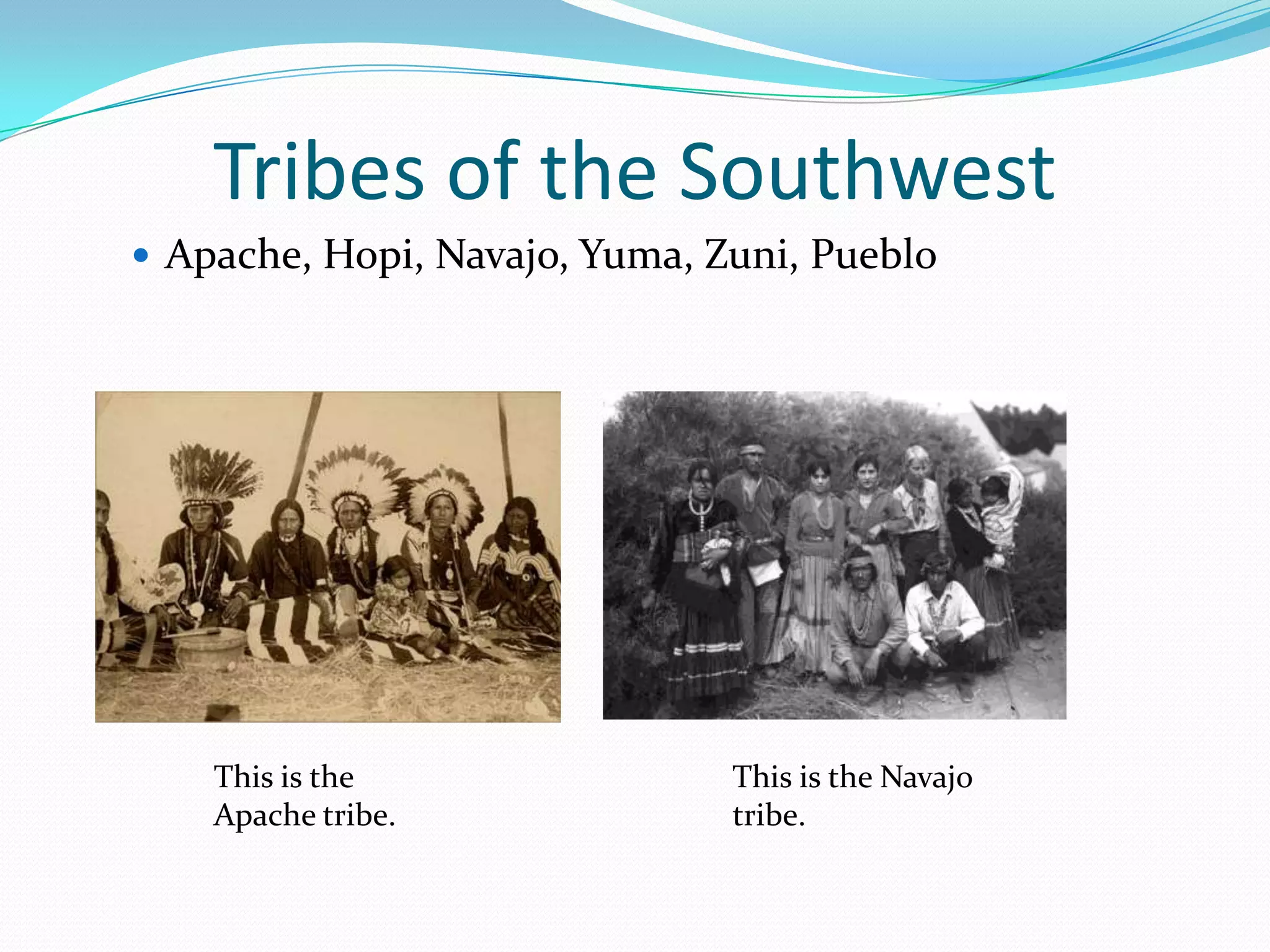
- Indigenous Sovereignty and Legacy: The Ancestral Puebloans (formerly referred to as Anasazi) established the architectural and agricultural foundations of the region. Today, the 19 Pueblos of New Mexico, the Navajo (Diné) Nation, and the Hopi Tribe maintain vibrant, living cultures. In 2026, tribal-led tourism initiatives emphasize "slow travel" and authentic educational experiences over commercialized tropes.
- Hispanidad and Colonial History: Following the 1598 Oñate expedition, Spanish influence became permanent. This is reflected in the acequia water systems still used in Northern New Mexico and the prominence of Roman Catholicism blended with local folk traditions, such as the veneration of La Conquistadora.
- The Anglo-American Frontier Influence: The arrival of the railroad in the 1880s introduced the "Santa Fe Style," a deliberate architectural movement designed to attract tourists. In 2026, this influence is seen in the region's robust art markets and the logistical infrastructure that supports millions of visitors annually.
Architectural Integrity and the 2026 Sustainable Desert Movement
Architecture is the most immediate visual indicator of Southwest culture. The transition from ancient "puddled adobe" to modern high-performance thermal mass construction highlights the region's adaptation to an increasingly arid climate.
Pueblo Revival and Territorial Styles
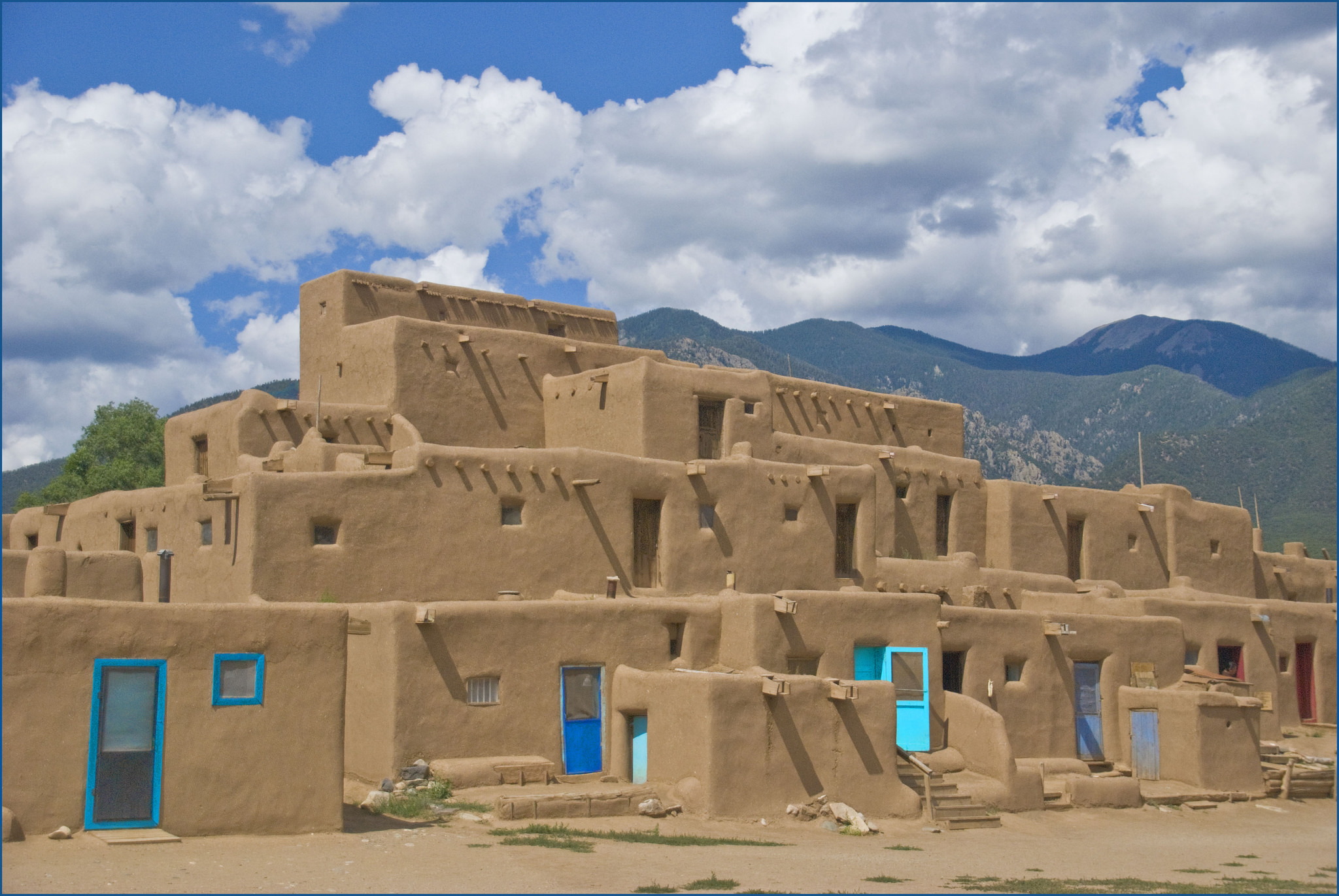
The "Santa Fe Style" remains protected by strict historical preservation ordinances (such as Santa Fe’s City Code Chapter 14). This ensures that new constructions maintain the characteristic flat roofs, rounded edges, and earth-toned stucco that mimic traditional sun-dried mud bricks.
Modern Desert Minimalism in 2026
Recent developments in 2026 prioritize "Passive House" standards adapted for the high desert. Architects now utilize "rammed earth" techniques and advanced glazing to combat the extreme diurnal temperature swings. The aesthetic shift has moved toward "Desert Minimalism," which emphasizes unobstructed views of the horizon and the use of locally sourced volcanic rock and reclaimed timber.
The Gastronomy of the High Desert: More Than Just Heat
Southwest cuisine is a distinct culinary category, separate from "Tex-Mex" or traditional Mexican food. In 2026, the focus has shifted toward "Pre-Colonial" ingredients and the science of the chile pepper.
The Chile Nuance
The distinction between Red and Green chile is the cornerstone of New Mexican gastronomy. Green chile is harvested early and roasted, offering a smoky, bright heat. Red chile is the ripened, dried version of the same fruit, providing an earthy, complex, and slightly sweet profile. In 2026, "Christmas" (a mix of both) remains the standard request for locals and informed tourists alike.
The 2026 agricultural season has seen a resurgence in the cultivation of heirloom blue corn and tepary beans, crops that are naturally drought-resistant. Culinary enthusiasts often travel to the Hatch Valley or the Chimayó region to experience these flavors at their source, where "Protected Designation of Origin" (PDO) status for chiles is strictly enforced to prevent counterfeit labeling of out-of-state produce.
Comparative Analysis of Major Southwest Cultural Hubs
The following table compares the primary cultural centers of the American Southwest based on 2026 metrics, including cultural density, primary artistic focus, and elevation-related climate considerations.
| Cultural Hub | Primary Niche | Altitude (Feet) | Key 2026 Event/Venue | Infrastructure Focus |
|---|---|---|---|---|
| Santa Fe, NM | Fine Art & History | 7,199 | 105th Indian Market | Historic Preservation |
| Sedona, AZ | Wellness & Geology | 4,350 | International Film Fest | Sustainable Trail Management |
| Albuquerque, NM | Tech & Fusion | 5,312 | International Balloon Fiesta | Multi-Modal Transit |
| Tucson, AZ | UNESCO Gastronomy | 2,389 | Tucson Gem & Mineral Show | Urban Heat Mitigation |
| Taos, NM | Heritage & Skiing | 6,969 | Taos Pueblo UNESCO Site | Tribal Sovereignty |
Artistic Expression: From Traditional Craft to Digital Frontiers
The Southwest art market remains the third largest in the United States. While traditional mediums like turquoise inlay, silver smithing, and black-on-black pottery (perfected by Maria Martinez) continue to command high prices, the 2026 landscape has integrated digital and immersive experiences.
- Indigenous Futurism: Native artists are increasingly using digital media and sci-fi themes to explore themes of resilience and sovereignty. This movement has gained massive traction in Santa Fe’s Railyard District.
- The Immersive Boom: Following the success of Meow Wolf, the Southwest has become a global center for "experience-based" art. These installations often use desert landscapes as a backdrop for augmented reality (AR) tours that reveal the "hidden history" of the land.
- Public Land Art: In 2026, there is a renewed interest in large-scale land art. Works like "The Lightning Field" in Western New Mexico require pilgrimages, emphasizing the cultural value of silence and vastness.
Regional Etiquette and 2026 Travel Protocols
Visiting the Southwest in 2026 requires an understanding of "Cultural Respect Protocols," particularly when interacting with sovereign tribal lands.
Engaging with Tribal Nations
Many Pueblos and Nations are closed to the public during sacred feast days or ceremonies. It is imperative to check official tribal websites before visiting. Photography, sketching, and audio recording are strictly prohibited on most tribal lands without a specific commercial permit. In 2026, these rules are enforced with significant fines to protect the privacy and sanctity of living traditions.
Pros and Cons of Southwest Living in 2026
Pros:
- Cultural Depth: Access to thousands of years of continuous human history and diverse linguistic groups.
- Climate: Low humidity and high sunshine hours (300+ days per year) provide significant health and energy benefits.
- Aesthetic Value: Unique natural landscapes ranging from red rock canyons to high-alpine forests.
Cons:
- Water Scarcity: Strictly enforced water quotas and high costs for non-xeriscaped properties.
- Altitude Sickness: New arrivals often struggle with the 5,000+ foot elevation, requiring a 48-hour acclimatization period.
- Infrastructure Gaps: Rural areas often lack high-speed connectivity, though 2026 satellite expansions have mitigated this significantly.
Technical Specifications of the Southwest Lifestyle
Understanding the "Technical Culture" of the region involves grasping the environmental realities. For instance, the 2026 building codes in Maricopa County and Santa Fe County now require "Cool Roof" technology and gray-water recycling systems for all new residential builds. Furthermore, the "Dark Sky" movement is a cultural priority, with several cities enacting strict lighting ordinances to preserve the visibility of the Milky Way, which is a core component of both Indigenous cosmology and modern astrotourism.
Frequently Asked Questions
What is the best time of year to experience Southwest culture in 2026?
The months of September and October are ideal due to the temperate weather and the occurrence of major events like the Santa Fe Indian Market and the Albuquerque International Balloon Fiesta. During this "Golden Season," the cottonwood trees turn vibrant yellow, and the smell of roasting chiles permeates the air, offering the most sensory-rich experience of the region.
How does Southwest culture differ from Mexican culture?
Southwest culture is a "Northern Frontier" hybrid that evolved in relative isolation from Mexico City for centuries, resulting in unique dialects, architectural styles like "Territorial," and specific culinary ingredients like the Hatch Chile. While they share a Spanish linguistic and Catholic religious root, Southwest culture incorporates a significantly higher degree of Puebloan and Navajo influence in its daily life and aesthetics.
Is it disrespectful to wear turquoise jewelry if I am not Indigenous?
Purchasing and wearing authentic, artist-signed turquoise jewelry is generally encouraged as it supports the local Indigenous economy, provided the items are sourced ethically. However, wearing items that have specific ceremonial significance—such as certain headdresses or sacred patterns—is considered cultural appropriation and is highly discouraged in 2026.
What are the "Four Corners" and why are they culturally significant?
The Four Corners is the only point in the United States where four states (Arizona, New Mexico, Utah, and Colorado) meet, serving as a symbolic heart of the Ancestral Puebloan lands. It is a major cultural site managed by the Navajo Nation, representing the intersection of various tribal histories and the diverse geological transitions of the Colorado Plateau.
Do I need a special vehicle to explore the Southwest in 2026?
While major cultural hubs are accessible via standard vehicles, a high-clearance 4WD vehicle is recommended for exploring "off-the-beaten-path" cultural sites like Chaco Canyon or remote sections of the Navajo Nation. By 2026, the region has significantly expanded its EV charging network, but rural stretches still require careful "range planning" due to the vast distances between service stations.
If you are planning a transition to the Southwest or a deep-dive cultural expedition in 2026, prioritize authenticity by engaging directly with state-certified heritage sites and tribal-owned enterprises. Embracing the "Slow Southwest" movement ensures that your presence contributes to the preservation—rather than the dilution—of this incomparable American heritage.