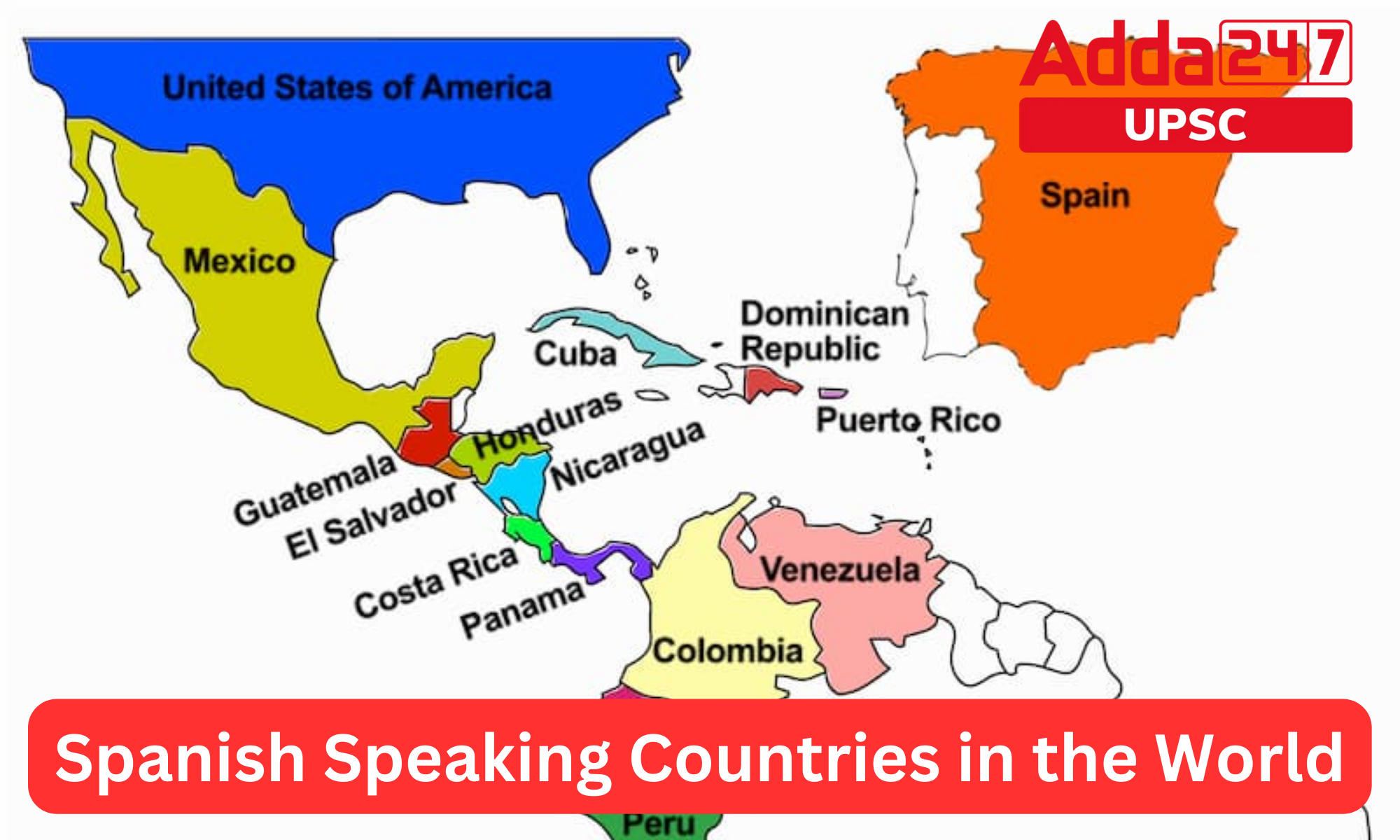
The South American continent remains a critical pillar of global trade, cultural heritage, and emerging market investment as we progress through 2026. While the continent is geographically diverse, the shared linguistic bond of Spanish unites nine distinct nations, each offering unique economic trajectories and cultural depth. Understanding the nuances of these Spanish-speaking countries requires more than a superficial glance at a map; it demands an analysis of their 2026 fiscal health, digital infrastructure, and socio-political stability.
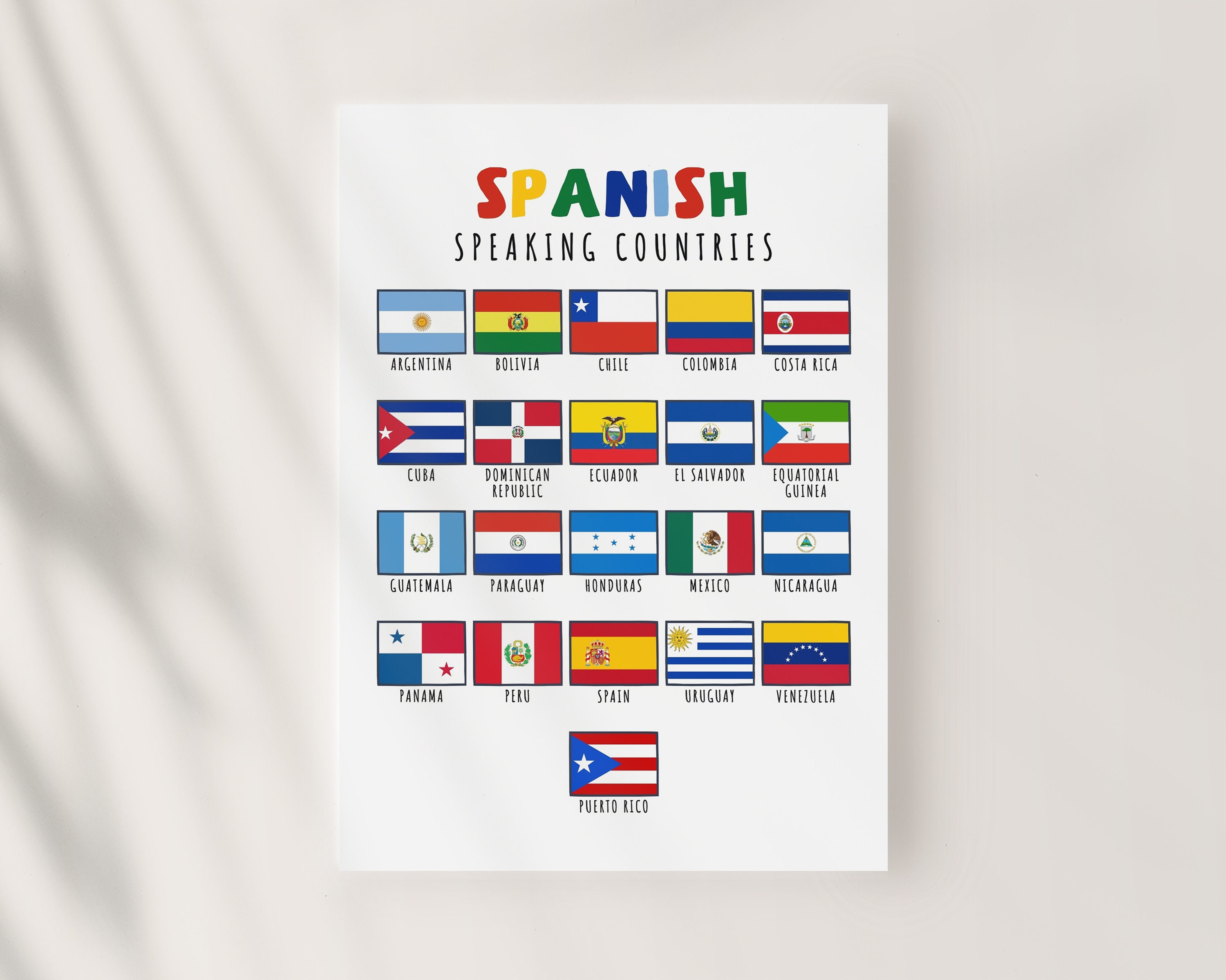
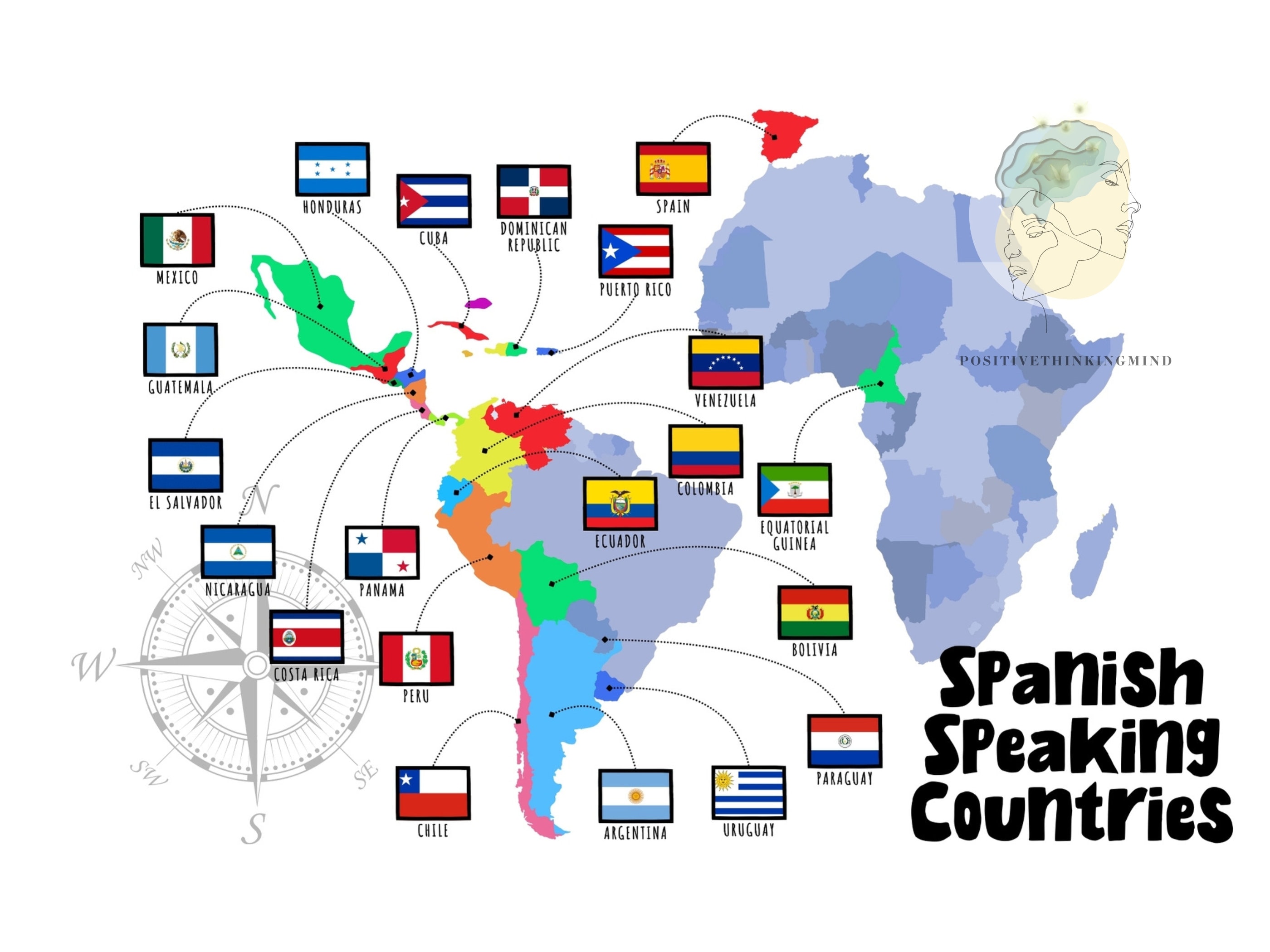
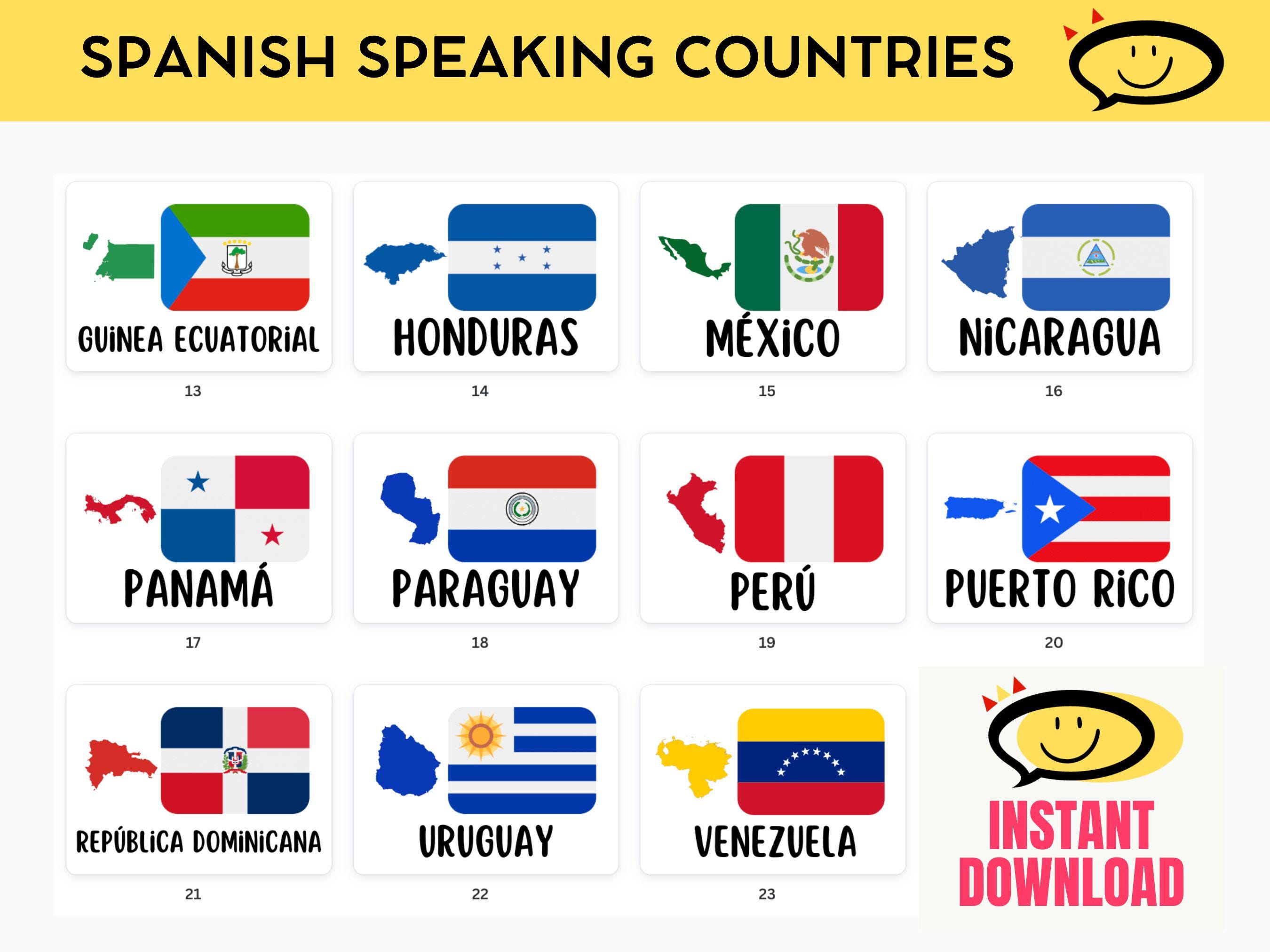
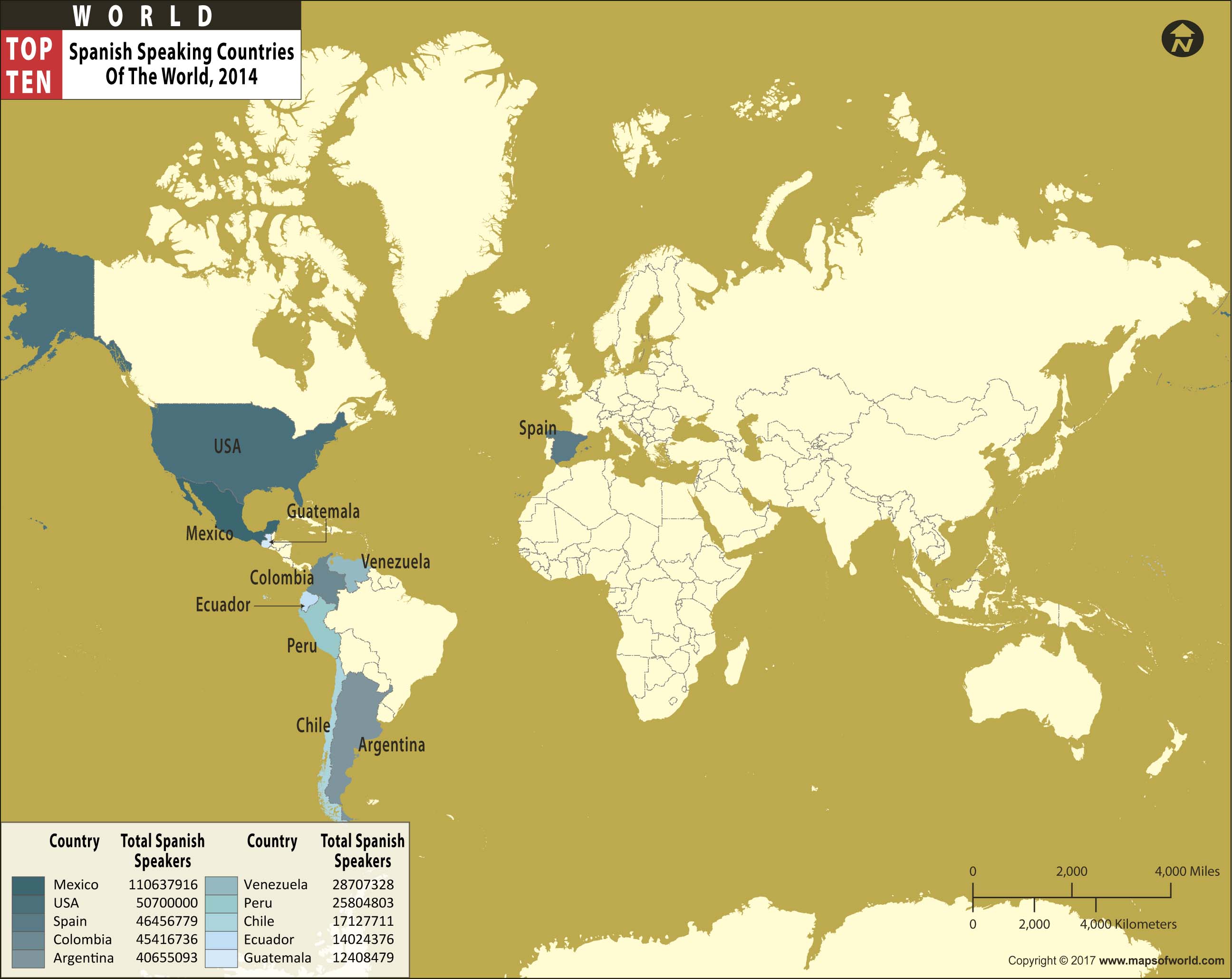
This guide focuses exclusively on the nine sovereign nations in South America where Spanish is the official or primary language: Argentina, Bolivia, Chile, Colombia, Ecuador, Paraguay, Peru, Uruguay, and Venezuela.
The Geopolitical and Economic Landscape of Hispanic South America in 2026
As of 2026, the Spanish-speaking bloc of South America has transitioned into a "Green Energy Superpower" phase. With the global demand for lithium, copper, and hydrogen at an all-time high, countries like Chile, Argentina, and Bolivia—often referred to as the "Lithium Triangle"—have seen unprecedented foreign direct investment. This shift has altered the traditional commodity-export model, moving toward value-added processing and localized tech manufacturing.
Digital transformation has also reached a saturation point in 2026. High-speed satellite internet, such as Starlink’s expanded constellation, and the nationwide rollout of 5G in metropolitan areas like Bogotá, Santiago, and Buenos Aires, have solidified the region as a premier destination for "anywhere workers" and multinational tech hubs.
Expert Insight on Regional Stability
In 2026, the most successful South American economies are those that have prioritized institutional transparency and digital bureaucracy. Uruguay and Chile continue to lead the region in the Ease of Doing Business Index. For investors and long-term travelers, the 2026 outlook suggests that while currency volatility persists in specific pockets, the overall regional trend is one of fiscal consolidation and infrastructure modernization.
Profiles of the Nine Spanish-Speaking Nations
1. Argentina: The Hub of Innovation and Resilience
In 2026, Argentina has emerged from a period of significant economic restructuring. The focus has shifted from traditional agriculture to a robust knowledge-based economy. Buenos Aires remains the "Paris of the South," but it is now complemented by tech clusters in Córdoba and Mendoza.
- Primary Exports 2026: Lithium, Software services, Soybeans, and Wine.
- Key Infrastructure: Expansion of the Vaca Muerta shale gas pipeline, enhancing energy self-sufficiency.
2. Bolivia: The Heart of the Andes
Bolivia in 2026 is navigating the complexities of industrializing its massive lithium reserves. While remaining deeply rooted in indigenous traditions, the country has modernized its urban centers like La Paz and Santa Cruz de la Sierra.
- Key Focus: State-led lithium extraction and sustainable highland tourism.
- Cultural Note: The "Cholets" of El Alto have become world-renowned architectural landmarks.
3. Chile: The Economic Standard-Bearer
Chile remains the most stable economy in the region as of 2026. With a fierce commitment to carbon neutrality, Chile has become the world's leading exporter of green hydrogen. Santiago is now a Tier-1 global city with infrastructure rivaling European capitals.
- Metric: Highest GDP per capita among the Spanish-speaking bloc in 2026.
- Innovation: Implementation of AI-driven mining operations in the Atacama Desert.
4. Colombia: The Gateway to South America
Colombia has leveraged its strategic location to become the primary logistical hub of the northern continent. By 2026, the "Peace with Nature" initiative has made it the global leader in eco-tourism and biodiversity research.
- Metropolitan Growth: Medellín continues its reign as a "Smart City" leader, utilizing integrated AI for public transport and safety.
- Trade: Significant growth in coffee value-added products and floral exports to Asian markets.
5. Ecuador: The Dollarized Stability Center
Ecuador continues to provide a unique investment environment due to its use of the U.S. Dollar. In 2026, the focus is on sustainable fishing and expanding the tech-services sector in Quito and Guayaquil.
- Tourism 2026: Strict "Blue Carbon" regulations in the Galápagos have created the most exclusive eco-tourism model in the world.
6. Paraguay: The Renewable Energy Powerhouse
Paraguay in 2026 is the region's hidden gem for manufacturing. Utilizing its surplus of hydroelectric power from the Itaipu Dam, it offers some of the lowest energy costs globally for industrial production.
- Investment Niche: Data centers and aluminum smelting.
- Tax Climate: Maintains the "10-10-10" tax structure (VAT, Income, and Corporate tax), attracting significant regional capital.
7. Peru: A Global Culinary and Mineral Giant
Peru’s 2026 outlook is dominated by the full operational capacity of the Chancay Mega-Port, which has slashed shipping times to Asia by 15 days. This has positioned Peru as the premier Pacific gateway for the entire continent.
- Gastronomy: Lima remains the undisputed culinary capital of the world for the tenth consecutive year.
- Mining: Large-scale copper production remains the backbone of the national treasury.
8. Uruguay: The "Silicon Valley" of the South
With a population of just 3.5 million, Uruguay has the highest density of software developers per capita in the region. In 2026, it is the primary choice for family-based relocation due to its high safety ratings and social stability.
- Social Policy: Continued leadership in progressive legislation and digital nomad visas.
- Economic Pillar: High-quality beef exports and global IT outsourcing.
9. Venezuela: The Path of Recovery
By 2026, Venezuela has shown signs of pragmatic economic opening. While challenges remain, the stabilization of oil production and the "de facto" dollarization of the internal market have invited cautious international interest in energy and telecommunications.
2026 Regional Comparison Table: Key Metrics
| Country | 2026 Projected GDP Growth | Dominant Industry | Digital Connectivity Score (1-10) | Safety Rating (Regional Context) |
|---|---|---|---|---|
| Argentina | 3.2% | Tech & Energy | 8.5 | Moderate |
| Bolivia | 2.8% | Mining (Lithium) | 6.0 | Moderate |
| Chile | 2.5% | Green Hydrogen | 9.5 | High |
| Colombia | 3.5% | Logistics & Tourism | 8.0 | Moderate |
| Ecuador | 2.1% | Agriculture/Oil | 7.0 | Moderate-Low |
| Paraguay | 4.0% | Hydro-Manufacturing | 6.5 | Moderate-High |
| Peru | 3.8% | Maritime Trade | 7.5 | Moderate |
| Uruguay | 2.3% | Software & Finance | 9.8 | Very High |
| Venezuela | 1.5% | Petroleum | 5.0 | Low |
Comparative Analysis: Business vs. Lifestyle in 2026
Choosing a destination within Spanish-speaking South America depends heavily on the objective. For 2026, the trends are clear:
- For Corporate Investment: Chile and Peru are the standout choices. The institutional strength of Chile and the logistical advantages of Peru's new port infrastructure provide the most reliable ROI for 2026-2030 cycles.
- For Tech Entrepreneurs: Uruguay and Argentina offer the best talent pools. Despite Argentina's historical inflation, its human capital remains the most skilled in software engineering and creative industries.
- For Remote Workers: Colombia and Ecuador offer the best balance of cost-of-living and lifestyle. Medellín and Cuenca have established 2026 "Expat Zones" with high-speed fiber and community support systems.
Technical Note on Logistics and Travel
In 2026, the "Bi-Oceanic Corridor"—a massive railway and highway project connecting the Atlantic coast of Brazil through Paraguay and Argentina to the Pacific coast of Chile—has reached 80% completion. This is significantly reducing the cost of land travel and freight between these Spanish-speaking nations, fostering a new era of intra-continental tourism and trade.
Guide to Navigating Regional Diversity
When interacting with these nine nations, it is vital to recognize that "Spanish-speaking" does not mean culturally identical. In 2026, regionalism is stronger than ever.
- Linguistic Variations: The "Voseo" of the Rioplatense region (Argentina/Uruguay) remains distinct from the neutral Andean Spanish of Bogotá or Quito. For business, using a localized translation strategy is essential.
- Climate Diversity: In a single week in 2026, you could experience the tropical humidity of the Colombian coast, the arid high-altitude deserts of Bolivia, and the sub-antarctic glaciers of Chile’s Patagonia.
- Financial Reality: While credit card and mobile payment penetration (like Pix-equivalents and Mercado Pago) is near 90% in urban Uruguay and Chile, cash remains king in rural Bolivia and parts of Paraguay.
Frequently Asked Questions (FAQ)
Which South American country is the safest to visit in 2026?
Uruguay and Chile are consistently ranked as the safest countries in South America for 2026. Both nations boast low violent crime rates and stable political environments, making them ideal for solo travelers and families.
Do all South American countries speak the same Spanish?
While the core grammar is the same, each country has distinct accents, slang (slang terms), and even different verb conjugations. For example, the "Rioplatense" Spanish of Argentina and Uruguay uses "vos" instead of "tú," which is the standard in Colombia or Peru.
What is the best country for digital nomads in 2026?
Colombia, specifically Medellín and Bogotá, is the top choice for digital nomads in 2026 due to its dedicated nomad visa, low cost of living, and high-speed internet infrastructure. Uruguay is a close second for those seeking more stability and higher safety.
Is the US Dollar widely accepted in these countries?
Ecuador is officially dollarized and uses the USD as its national currency. In Argentina and Venezuela, the dollar is widely used in "gray market" transactions or for high-value purchases, whereas, in Chile and Uruguay, the local currency is preferred for daily transactions.
Which country has the best infrastructure for business in 2026?
Chile holds the title for the best business infrastructure in 2026, featuring the most advanced telecommunications, transport networks, and the most transparent legal framework for foreign investors.
Strategic Outlook for 2026 and Beyond
As we move through 2026, the Spanish-speaking countries of South America are no longer just "developing markets"; they are essential players in the global energy transition and digital economy. For the traveler, the region offers an unmatched diversity of experiences. For the investor, it offers a frontier of resource-rich opportunities backed by an increasingly digital-savvy workforce. To succeed in this region, one must respect the individual sovereignty and unique cultural identity of each nation while leveraging the common linguistic bridge that connects over 220 million people across the continent.