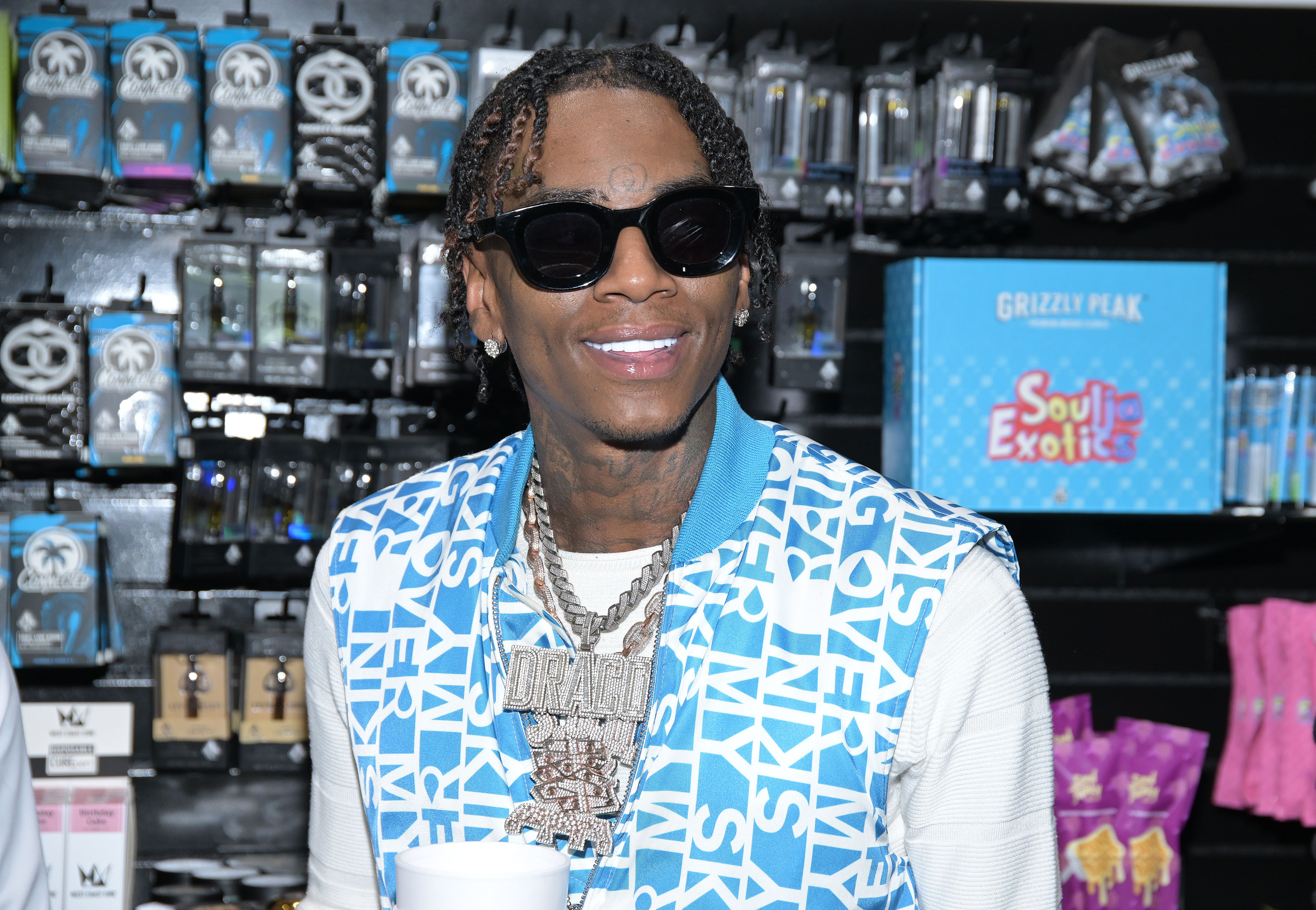
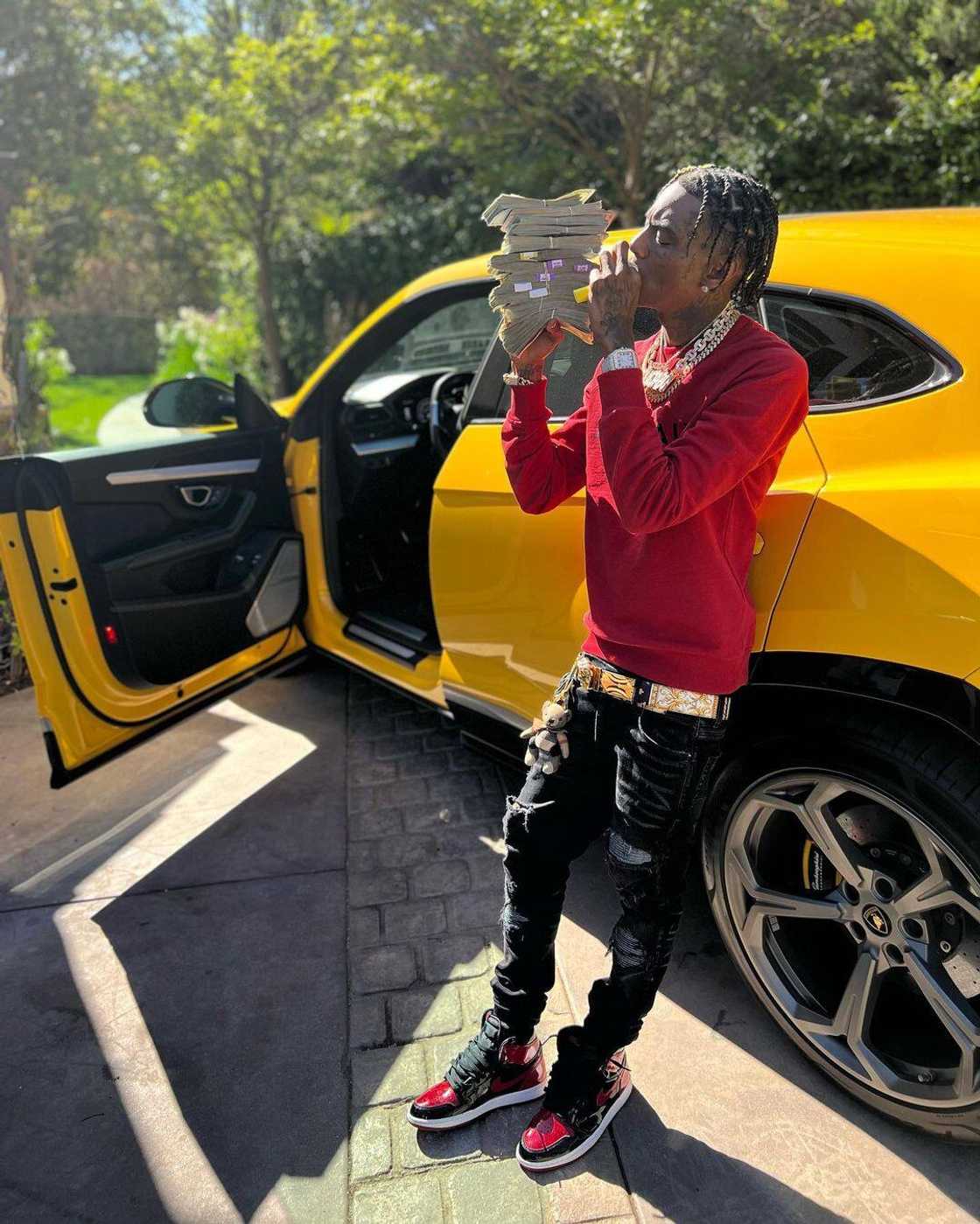
As of 2026, hip-hop artist and entrepreneur Soulja Boy (DeAndre Cortez Way)—frequently searched as "soluja boy"—has an estimated net worth ranging between $5 million and $30 million. This valuation reflects his groundbreaking digital music royalties, touring revenues, e-commerce branding, and cryptocurrency investments, balanced against documented legal judgments, tax liabilities, and fluctuating private business ventures.
Clarifying the Entity: Career Trajectory and Search Disambiguation
Search queries for "soluja boy net worth" refer directly to American rapper, producer, and internet pioneer DeAndre Cortez Way, professionally known as Soulja Boy Tell 'Em (or simply Soulja Boy). Born in Chicago in 1990 and raised in Atlanta and Mississippi, Way achieved international fame in 2007 at the age of 17 with his self-published mega-hit single, "Crank That (Soulja Boy)".
| Metric / Field | Detail |
|---|---|
| Estimated Net Worth | $5M – $30M (As of 2026) |
| Primary Revenue | Music Royalties, Publishing, Touring |
| Key Business Assets | SODMG Records, E-Commerce, Endorsements |
| Financial Risk Areas | SEC Fines, Civil Judgments, Tax Liens |
Understanding his actual financial landscape requires separating viral self-promotional claims from verifiable financial records, corporate disclosures, legal filings, and music industry standards. While Soulja Boy regularly asserts higher net worth metrics on social media, official court disclosures and independent forensic financial assessments present a more complex economic picture.
The Breakthrough: "Crank That" and Early Music Royalty Wealth
Soulja Boy revolutionized the music industry's business model in the late 2000s by utilizing early digital platforms, including SoundClick, MySpace, and YouTube, to distribute his audio files independently. When "Crank That (Soulja Boy)" was officially picked up by Interscope Records via Collipark Music, it skyrocketed to the top of the US Billboard Hot 100, holding the number-one spot for seven consecutive weeks.
Digital Downloads and Ringtones
In 2007 and 2008, the monetization landscape was transitioning from physical compact discs to digital downloads and ringtones. Soulja Boy was one of the first music artists to heavily monetize the master ringtone market:
- Ringtone Sales: "Crank That" became the first song in history to sell over 3 million digital master ringtones in the United States. Ringtones at the time sold for approximately $2.50 to $3.00 each, generating tens of millions of dollars in gross revenue shared among carriers, publishers, labels, and songwriters.
- Digital Track Downloads: The single racked up over 5 million digital downloads in the U.S. alone, providing Soulja Boy with significant initial capital that formed the base of his early wealth.
Studio Albums and Catalog Value
Following his debut studio album, Souljaboytellem.com (2007), which earned RIAA Platinum certification, Soulja Boy released subsequent albums including iSouljaBoyTellem (2008) and The DeAndre Way (2010). Hit singles such as "Kiss Me Thru the Phone" (featuring Sammie) and "Turn My Swag On" added substantial ongoing performance royalties through performance rights organizations such as BMI and ASCAP.
Catalog valuation experts point out that while streaming payouts per play on platforms like Spotify and Apple Music generate smaller per-unit earnings than mid-2000s digital downloads, Soulja Boy's extensive discography—comprising dozens of independent mixtapes and studio releases—continues to yield steady annual residual royalties.
Independent Label Model and SODMG Records
A key component of Soulja Boy’s long-term revenue architecture is his independent record label, SODMG (Stacks On Deck Money Gang), founded in 2004. By maintaining ownership or favorable joint-venture splits over his independent releases, he captures a significantly higher percentage of royalty net income compared to traditional major-label record deals.
- Traditional Major Label Split:
- Artist: 15-20%
- Label: 80-85%
- Independent SODMG Structure:
- Artist/Label Owner: 70-85%
Through SODMG, Soulja Boy has signed various underground hip-hop artists over the years, operating as an executive producer and distributor. This corporate setup grants him direct control over merchandise sales, tour booking splits, and sync-licensing agreements for television, film, and video game soundtracks.
Tech Ventures, E-Commerce, and Brand Licensing
Beyond the entertainment industry, Soulja Boy has frequently attempted to establish tech-oriented enterprise ventures. While these ventures have generated considerable public interest and short-term sales spikes, they have also faced commercial and legal hurdles.
The SouljaGame Initiative
In late 2018, Soulja Boy launched a line of branded handheld and home video game consoles marketed under the name SouljaGame. The products were customized, white-labeled hardware sourced from third-party manufacturers, pre-loaded with emulator software running classic retro titles.
- Initial Demand: The announcement drew massive online traffic, leading to rapid initial pre-orders and sales revenue through his e-commerce storefront.
- Intellectual Property Issues: Because the consoles hosted unlicensed ROMs belonging to major game publishers, including Nintendo, the venture faced immediate legal warnings regarding copyright infringement.
- Market Withdrawal: Within weeks, Soulja Boy pulled the gaming hardware line from his store, redirecting his retail infrastructure toward legal apparel and electronics accessories.
Apparel, Accessories, and Soap
Soulja Boy has launched multiple consumer product lines under his brand umbrella:
- SBREZ / Soulja Stars Apparel: High-top sneakers and streetwear lines sold directly to fans via drop-shipping and e-commerce portals.
- Soap-Clean Enterprise: During the COVID-19 pandemic, Soulja Boy acquired an equity stake in a South Hollywood cleaning products manufacturing company, expanding his portfolio into consumer health goods.
Cryptocurrency Investments, Web3, and Regulatory Actions
Soulja Boy was an early celebrity adopter of cryptocurrency, Non-Fungible Tokens (NFTs), and Web3 promotional campaigns during the 2020–2022 market expansion. He frequently traded assets such as Bitcoin (BTC), Ethereum (ETH), and various altcoins, while launching his own NFT collections on digital marketplaces.
However, his high-profile involvement in crypto promotion eventually led to regulatory scrutiny from financial authorities:
- SEC Charges: In March 2023, the U.S. Securities and Exchange Commission (SEC) charged Soulja Boy alongside several other public figures for illegally touting crypto asset securities—specifically Justin Sun's Tron (TRX) and BitTorrent (BTT) tokens—without disclosing that they were compensated for doing so.
- Financial Impact: Resolving regulatory enforcement actions and civil litigation stemming from promotional token deals has required substantial legal defense expenditures and financial settlements, reducing his overall liquid cash reserves.
Legal Liabilities, Civil Judgments, and Financial Disclosures
Assessing Soulja Boy’s net worth requires accounting for documented debt, civil judgments, and tax claims filed in California and federal courts.
Summary of Known Financial Obligations & Liabilities
| Liability Type | Status / Details |
|---|---|
| Civil Court Judgment | ~$471,000 compensatory + ~$236,000 punitive awarded |
| SEC Regulatory Fine/Settle | Enforcement action for undisclosed crypto promos |
| Historical State Tax Liens | Periodic state tax assessments on earnings |
Civil Lawsuits and Damages Awards
In April 2023, a California jury awarded an ex-girlfriend approximately $471,000 in compensatory damages in a civil battery and assault lawsuit against Soulja Boy. Shortly thereafter, the court assessed an additional $236,000 in punitive damages, bringing the total judgment near $700,000.
During the post-trial proceedings regarding his ability to pay punitive damages, court filings provided rare visibility into his cash flow and liquid bank accounts:
- Testimony and financial records presented during the hearing indicated that while Soulja Boy maintained high gross royalty income, his ongoing living expenses, lease commitments for luxury vehicles, security details, and legal expenses created tight cash liquidity at specific intervals.
- The judge initially paused punitive damage collections before confirming the final monetary award, prompting restructured payment plans and asset evaluation.
State and Federal Tax Liens
Like many high-income entertainment figures with volatile seasonal income, Soulja Boy has faced various federal and state tax liens over his career. Periodic back-tax assessments from the IRS and California Franchise Tax Board have periodically encumbered real estate and royalty payouts until resolved through installment agreements or compromise settlements.
Financial Profile Breakdown
The following table contextualizes Soulja Boy’s primary assets, historical earning channels, and financial risk considerations:
| Financial Domain | Source / Asset Class | Key Revenue & Valuation Factors |
|---|---|---|
| Music Streaming & Royalties | Master Recordings & Publishing | Annual recurring revenue from legacy hits ("Crank That", "Kiss Me Thru The Phone") via BMI/ASCAP and streaming platforms. |
| Touring & Live Shows | Concerts, Club Appearances, Festivals | Performance fees ranging from $10,000 to $50,000 per booking depending on venue capacity and international travel. |
| Record Label (SODMG) | Independent Business Entity | Captures high-percentage distribution margins on self-released mixtapes, albums, and signed artist contracts. |
| E-Commerce & Branding | Merch, Consumer Products, Electronics | Direct-to-consumer digital store sales, white-label products, and apparel drops. |
| Digital Assets & Crypto | Crypto Holdings & Web3 Promotions | Variable asset values in BTC/ETH alongside past promotional income, offset by regulatory liabilities. |
| Liabilities & Encumbrances | Legal Judgments & Tax Liens | Active civil damage awards, legal defense fees, and state/federal tax resolution programs. |
Frequently Asked Questions
What is Soulja Boy's estimated net worth in 2026?
Soulja Boy's net worth is estimated between $5 million and $30 million. While conservative financial reviews and court disclosures emphasize lower liquid cash reserves and active legal liabilities, higher estimates factor in the long-term capital value of his music publishing catalog and master recordings.
How much money did Soulja Boy make from "Crank That"?
The hit single generated tens of millions of dollars in total gross revenue across master ringtones, digital downloads, CD album sales, and performance royalties. "Crank That" became the first digital single to sell over 3 million master ringtones in the United States.
Does Soulja Boy own his music masters?
Soulja Boy owns significant portions of his independent recordings released through SODMG Records. However, his early studio albums released during his tenure with Interscope Records and Collipark Music are subject to joint major-label distribution and royalty-sharing agreements.
What happened to the SouljaGame video game console?
Soulja Boy launched the SouljaGame console in late 2018 via his e-commerce platform. The product was removed from sale within a month due to intellectual property concerns over pre-installed, unlicensed game emulators from major publishers such as Nintendo.
Why was Soulja Boy charged by the SEC?
In March 2023, the U.S. Securities and Exchange Commission charged Soulja Boy for illegally touting cryptocurrency tokens (specifically TRX and BTT) on social media without disclosing that he was paid to promote them, violating federal securities regulations.
How do legal judgments affect his current financial status?
Civil court judgments—such as the $700,000 award granted in a 2023 California lawsuit—require direct cash settlements or asset liquidations. These legal debts, combined with ongoing legal defense fees, create significant cash flow demands against his streaming and touring revenues.
Tracking Celebrity Net Worth and Financial Health
When analyzing celebrity net worth figures like those for Soulja Boy, readers should distinguish between gross career earnings, headline valuations, and true net worth. Gross career earnings do not account for talent agent fees, legal expenses, taxes, or management commissions, which often consume 40% to 50% or more of an artist's gross income.
To maintain an accurate picture of high-profile financial profiles, monitor official public records, such as court-filed financial statements, regulatory disclosures from government entities like the SEC, and verified RIAA certification data, rather than relying solely on social media commentary.