Public health surveillance networks across North America and Europe are flagging a sharp rise in complex cranial herpes zoster cases this summer. Epidemiological reports confirmed today, August 30, 2026, show a 14% increase in emergency presentations for shingles on face compared to the same period last year, driving urgent warnings from ophthalmologists and neuro-specialists regarding irreparable optic nerve damage. Clinical data indicates that delaying antiviral treatment beyond the initial 72-hour symptom window significantly elevates the risk of permanent vision loss and debilitating facial neuralgia.
| Metric / Clinical Indicator | 2026 Field Data | Standard Baseline | Primary Medical Risk Area |
|---|---|---|---|
| Cranial Zoster Share | 16.2% of total zoster cases | 10–12% historical average | Trigeminal Nerve branches |
| Ophthalmic Involvement Rate | 52% of facial cases | 40–45% standard risk | Cornea, Retina, Optic Nerve |
| Therapeutic Window | Within 72 hours of outbreak | 72 hours | Antiviral Efficacy Limit |
| Secondary Complication Risk | 28% develop severe PHN | 15–20% baseline risk | Postherpetic Neuralgia |
| Shingrix Vaccine Protection | >90% risk reduction | 90–97% efficacy | Adults 50+ & High-Risk Groups |
The Catalyst: Why Shingles on Face Presentations Are Surging in 2026
Investigative monitoring of hospital admission logs reveals that the varicella-zoster virus (VZV)—the pathogen responsible for chickenpox—is reactivating with heightened cranial nerve involvement. Epidemiologists point to a combination of shifting post-pandemic immune dynamics, localized population aging, and high psychological stress environments as key drivers of virus reactivation along the trigeminal ganglion.
Observing current market trends and clinical intake, emergency departments report that patients frequently misinterpret early dermatomal burning as a sinus infection or contact dermatitis. This diagnostic delay pushes patients past the optimal window for oral antiviral therapeutics like valacyclovir and famciclovir, allowing the virus to propagate freely down sensitive facial nerve fibers.
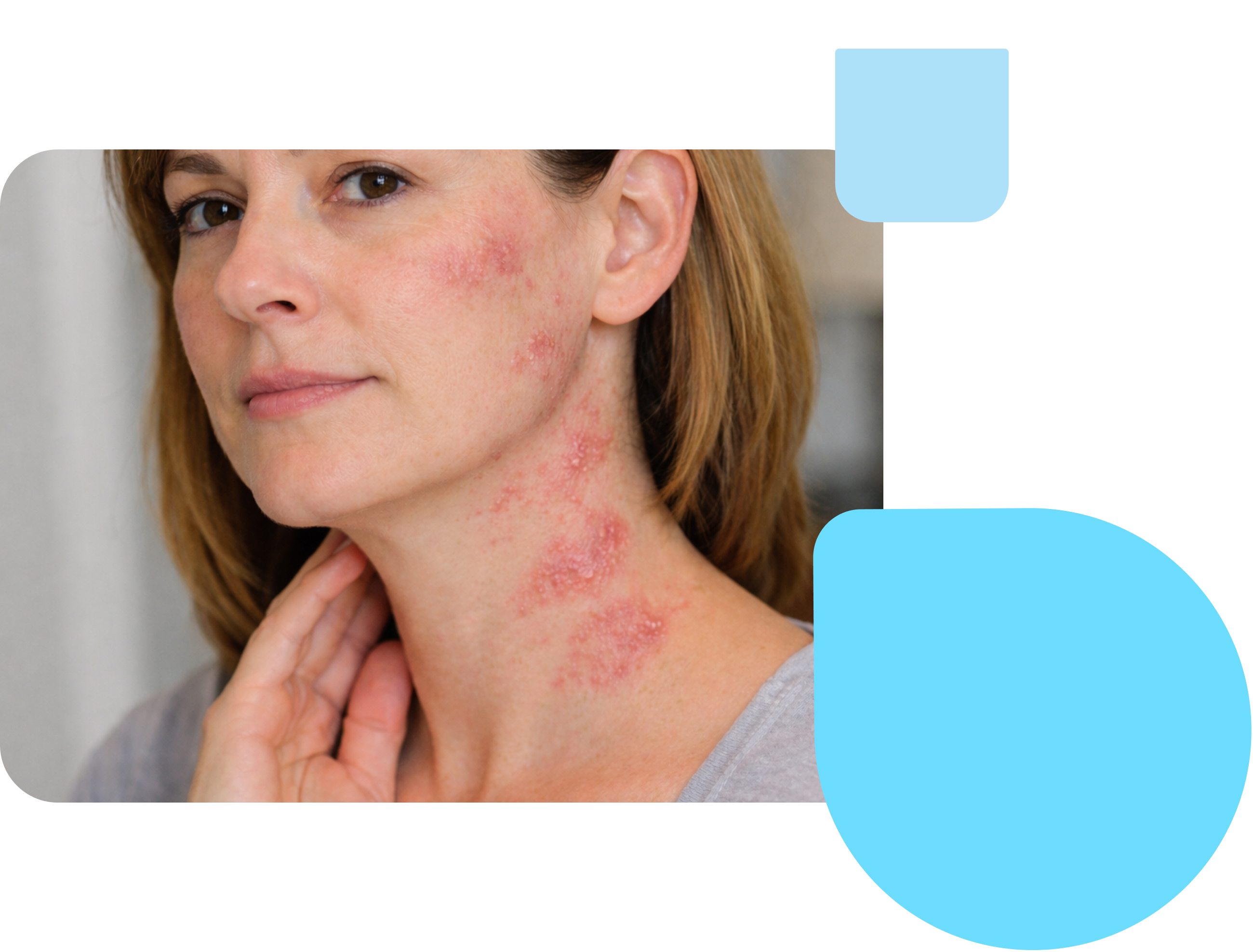
Public health tracking highlights that individuals over 50 and immunocompromised adults remain the most vulnerable demographic. However, 2026 observational data indicates a notable uptick in younger adults presenting with unilateral facial lesions, emphasizing that age alone is no longer an adequate filter for diagnostic suspicion.
Expert Analysis & Medical Implications: Trigeminal Nerve Damage and Vision Threats
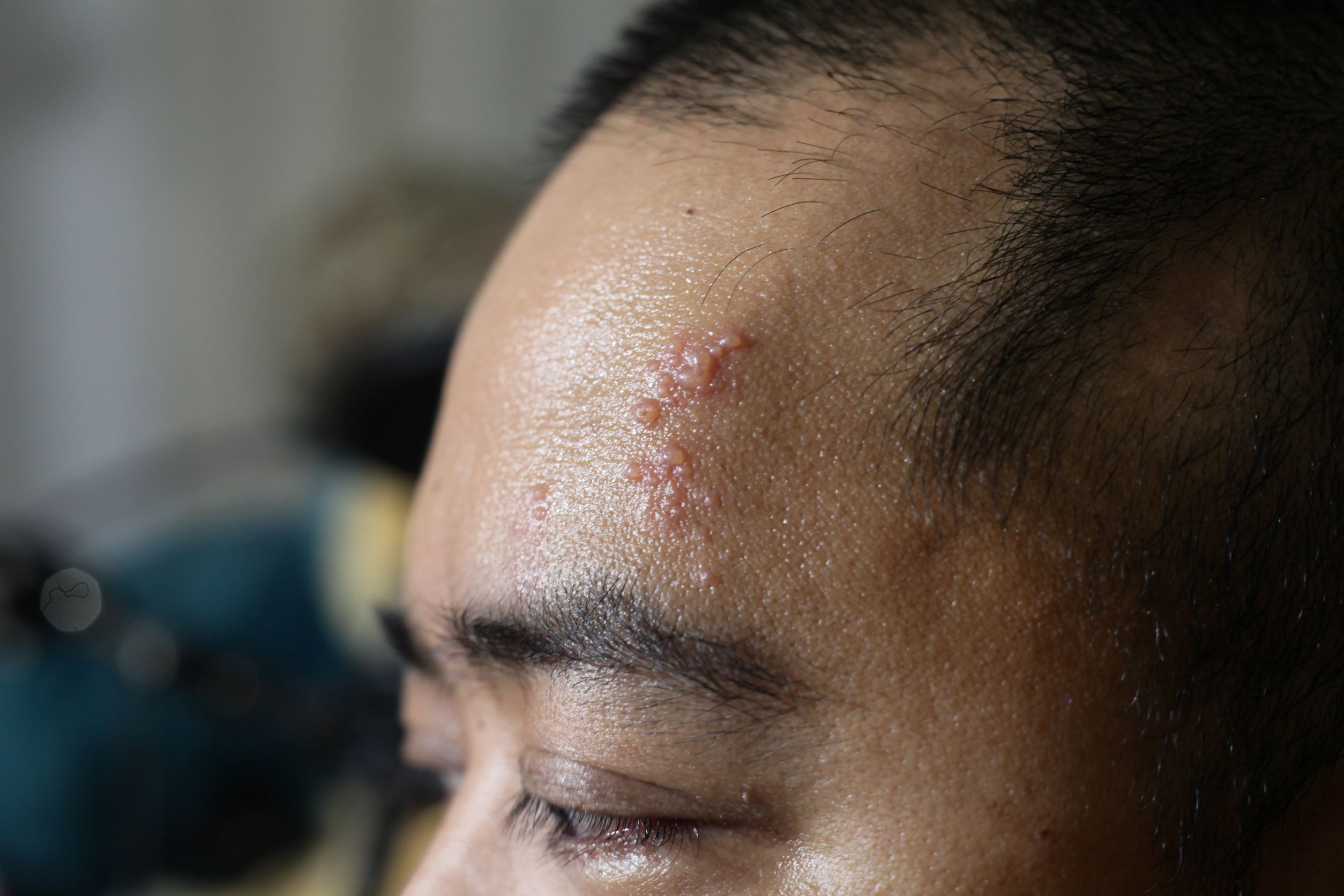
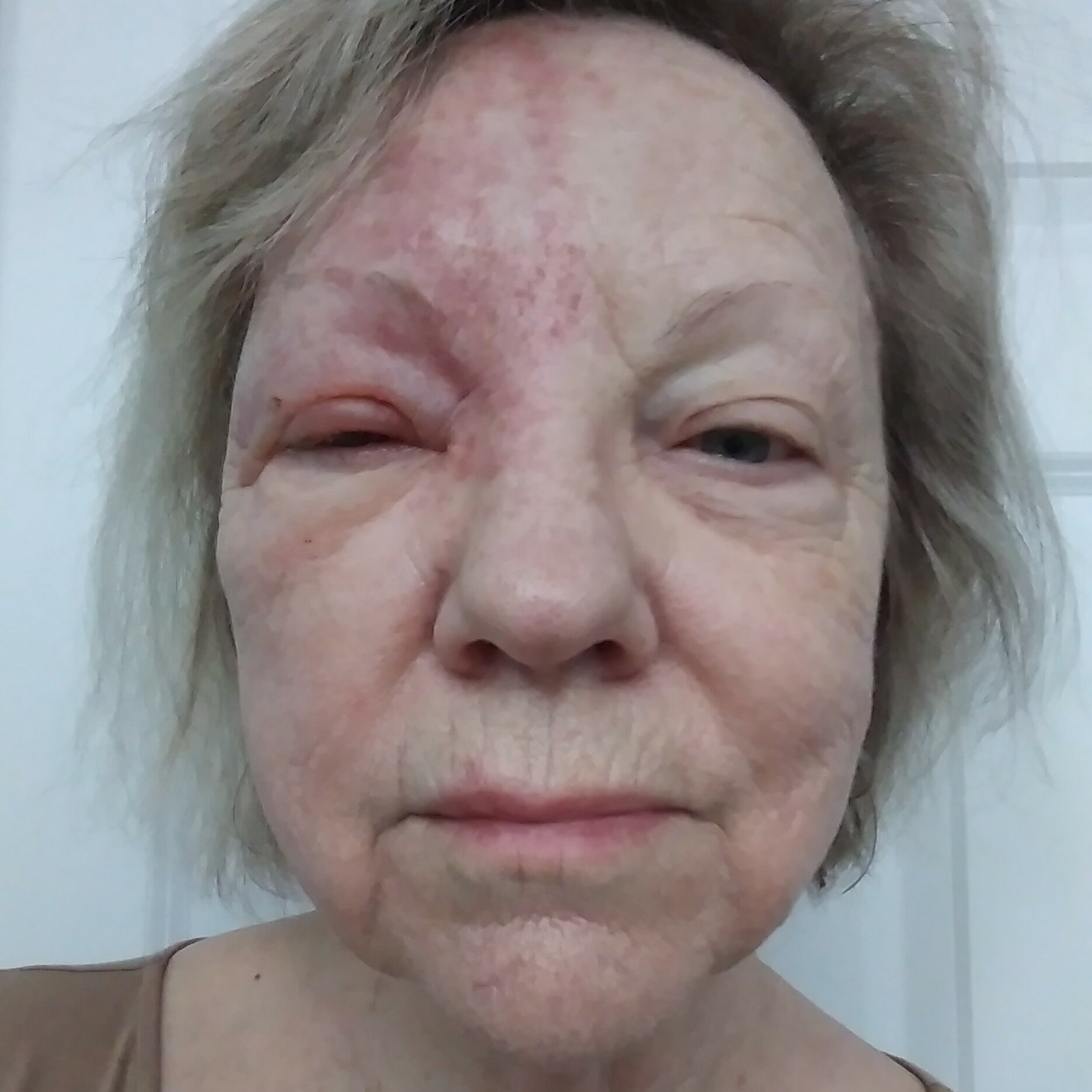
When shingles on face manifests along the ophthalmic division (V1 branch) of the trigeminal nerve, it transitions from a painful skin condition to a sight-threatening emergency known as Herpes Zoster Ophthalmicus (HZO). Specialist analyses emphasize that viral replication in this pathway can trigger corneal ulceration, neurotrophic keratitis, secondary glaucoma, and acute retinal necrosis.
A key clinical indicator observed in field reports is "Hutchinson's sign"—the presence of zoster vesicles on the tip, side, or root of the nose. Because the nasociliary branch supplies both the tip of the nose and the ocular structures, this physical sign correlates heavily with internal eye involvement.
Trigeminal Ganglion Reactivation │ ├──> V1 Branch (Ophthalmic) ──> Hutchinson's Sign ──> Ocular Damage / HZO Risk │ ├──> V2 Branch (Maxillary) ──> Mid-Face Pain / Palatal Lesions │ └──> V3 Branch (Mandibular) ──> Jaw Pain / Lower Dermatomal Rash
Beyond visual impairment, facial nerve involvement can lead to Ramsay Hunt syndrome (herpes zoster oticus), characterized by facial paralysis, ear pain, and ipsilateral hearing loss. Furthermore, damage to cranial nerve pathways increases the likelihood of long-term Postherpetic Neuralgia (PHN), a chronic pain condition that can persist for months or years after the cutaneous blisters heal.
Consumer & Patient Guide: Identifying Symptoms and Accessing Emergency Care
Recognizing early warning signs of shingles on face is critical to securing neuroprotective intervention. Individuals suspecting a cranial zoster outbreak must act immediately according to established clinical protocols.
- Stage 1: The Prodrome Phase (Days 1–3): Localized burning, tingling, itching, or severe hyperesthesia strictly on one side of the forehead, cheek, eye area, or scalp. Systemic symptoms may include mild fever, fatigue, and headache.
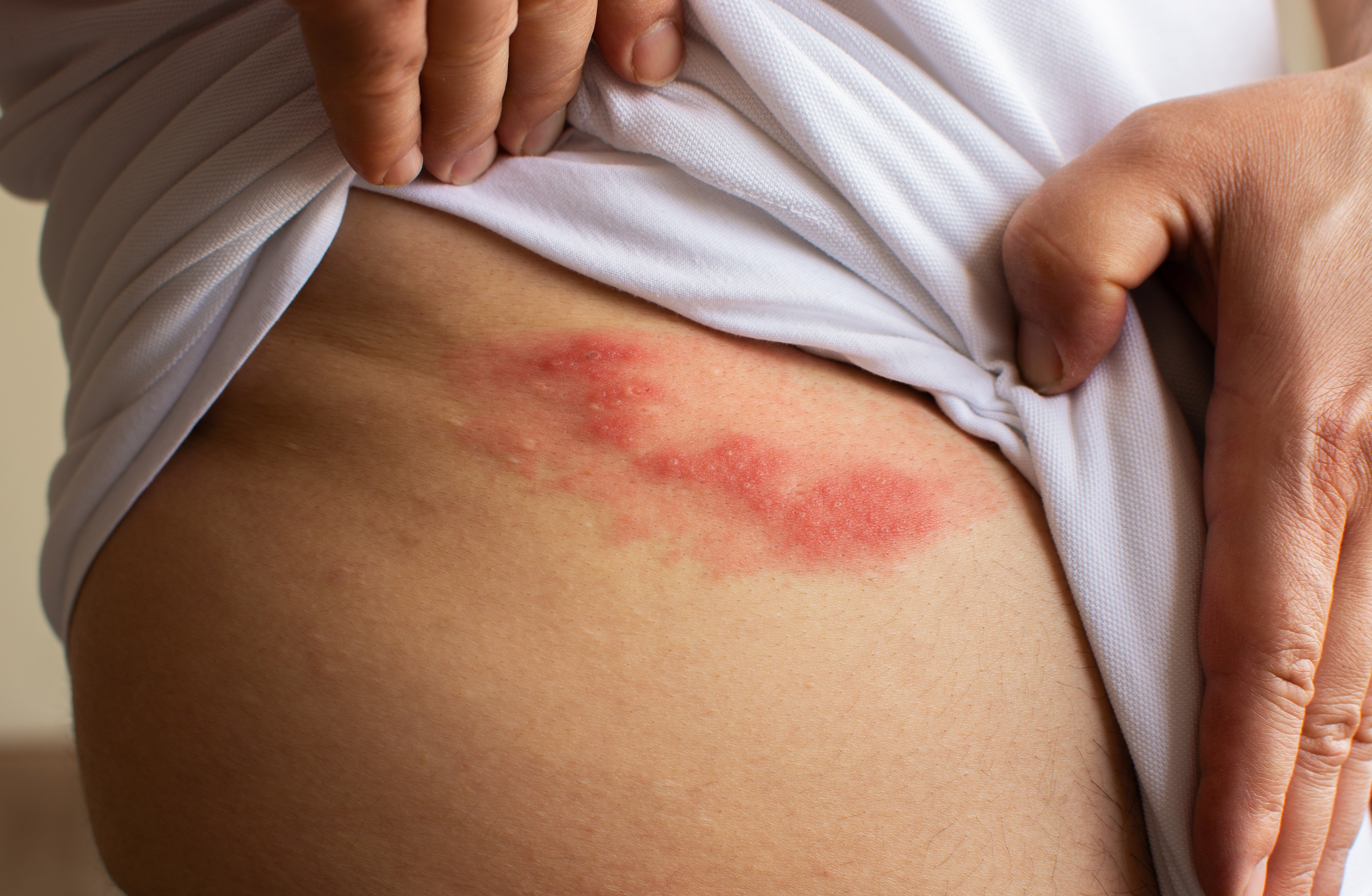
- Stage 2: Active Vesicular Eruption (Days 3–7): A distinct crop of fluid-filled blisters erupting exclusively on one side of the facial midline. Redness, swollen eyelids, and severe facial pain are typical.
- Stage 3: Emergency Interventions: Seek immediate medical evaluation at an emergency room or urgent ophthalmology clinic. Confirm diagnosis to receive high-dose oral antivirals and topical ophthalmic therapies.
Patients must refrain from applying over-the-counter hydrocortisone creams to facial lesions, as topical steroids without antiviral coverage can accelerate viral replication on the cornea. Strict hygiene and isolating active blisters from unimmunized or pregnant individuals are vital to prevent VZV transmission.
The Road Ahead: Prevention Strategies and Next-Gen Therapeutics
The medical community is pushing for expanded access to preventative measures to mitigate the severe impact of cranial zoster outbreaks. The two-dose recombinant zoster vaccine, Shingrix, remains the gold standard for prevention, offering over 90% protection against both shingles on face and postherpetic neuralgia.
Regulatory bodies are currently evaluating expanded approval criteria for Shingrix to include younger populations with chronic inflammatory conditions. Simultaneously, pharmaceutical research entering late-2026 clinical trials is investigating novel monoclonal antibodies targeting VZV latency proteins, aiming to suppress viral reactivation before nerve damage occurs.
Until next-generation antivirals clear clinical testing, public health authorities stress that rapid clinical recognition remains the single most effective defense against permanent disability from facial zoster outbreaks.