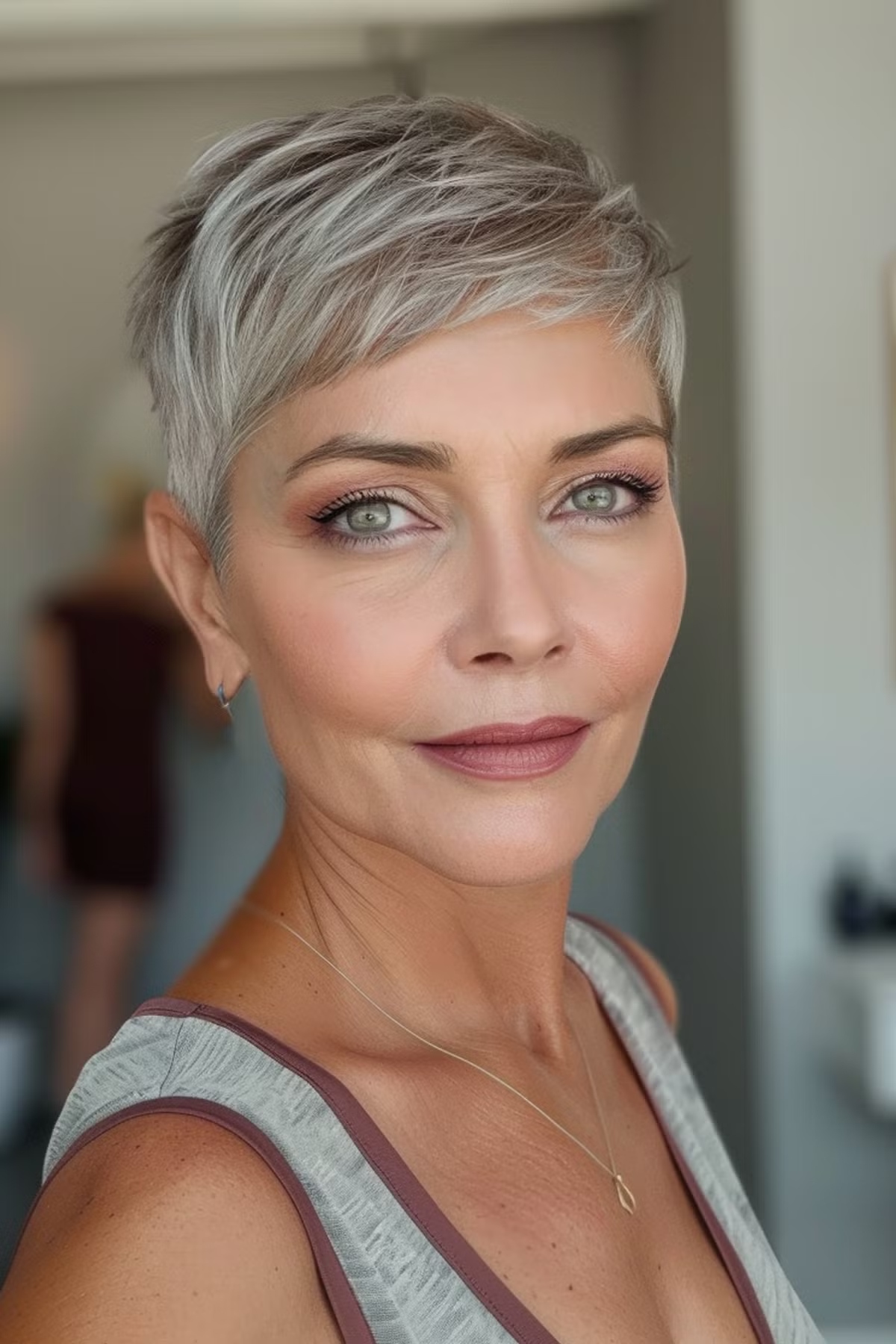
The shaggy pixie cut stands as the definitive solution for fine, thin hair in 2026, combining intentional texture with precision layering to simulate density. Unlike traditional, sleek pixie cuts that often lie flat against the scalp and emphasize a lack of volume, the modern shaggy pixie utilizes internal weight removal and texturizing techniques to create a lived-in, voluminous aesthetic.
Why Textured Layers Define 2026 Hair Trends for Fine Strands
The primary challenge for thin hair is the tendency for strands to clump together or appear limp when grown long. By 2026, technical hair design has moved toward the "shag-pixie hybrid," which prioritizes movement over length. The secret to this cut lies in the elevation of the hair during the cutting process. By cutting layers at varying lengths rather than a blunt perimeter, stylists can encourage the hair to stand up at the root.
When discussing this cut with your stylist, emphasize the desire for "shattered ends" or "razor-textured finishes." These methods remove the bluntness that usually reveals the scalp, effectively masking thinness. The objective is to create a visual illusion of thickness through shadow and light play within the texture.
Essential Technical Specifications for Achieving Volume
Achieving a successful shaggy pixie on thin hair requires a departure from standard shear-cutting. In 2026, top-tier stylists rely on specific techniques to build structural support for delicate hair types.
- Point Cutting: This technique involves cutting into the hair at an angle rather than across the grain. It softens the edges of the layers, allowing the hair to stack upon itself, which is vital for building internal body.
- Razor Cutting: By using a feathered edge, the stylist creates a tapered effect. This is particularly beneficial for thin hair because it eliminates the weight that typically pulls the hair down, allowing for a more buoyant, airy finish.
- Internal Weight Removal: Using thinning shears or specific texturizing shears in the mid-lengths ensures that the hair is not overly heavy at the tips, which prevents the "triangle" effect common in shorter cuts.
- Crown Elevation: For thin hair, the crown area must be cut shorter to provide a foundation for volume. By leaving the crown slightly more disconnected from the sides, you create a natural lift that stays in place throughout the day.
Comparing Cutting Techniques for Thin Hair
The following table outlines how different professional techniques impact the final aesthetic of a shaggy pixie for thin-haired individuals.
| Technique | Primary Benefit | Best For | Resulting Texture |
|---|---|---|---|
| Point Cutting | Softens blunt lines | Fine, straight hair | Natural, blended layers |
| Razor Tapering | Increases movement | Fine, slightly wavy hair | Wispy, airy, lived-in |
| Channel Cutting | Adds internal structure | Extremely thin hair | High-volume support |
| Deep Slicing | Reduces bulk at ends | Coarser, thin density | Feathered, shattered look |
Professional Maintenance and Styling Protocols for 2026
Maintenance is the cornerstone of keeping a shaggy pixie looking intentional rather than unkempt. In 2026, the industry standard focuses on "minimalist styling." Because the cut itself provides the structure, you should rely on high-quality thickening products rather than heavy-hold sprays that cause buildup.
The 2026 Styling Workflow
- Pre-styling: Apply a thickening mousse or foam to damp, towel-dried hair. This provides the "grip" necessary for the fine texture to hold volume.
- Drying: Use a diffuser on a low-heat setting. Flipping your head upside down during the drying process encourages lift at the root.
- Finishing: Utilize a texturizing powder or a dry matte paste. Avoid oil-based pomades or heavy creams, as these will cause the hair to separate and look sparse. Apply a small amount of powder directly to the roots, massage it in, and style with your fingers for a disheveled, chic look.
Expert Stylist Insight
Product Selection Strategy
When selecting products for a shaggy pixie, prioritize those labeled as volumizing or texturizing. Avoid any product containing heavy silicone, which acts as a weigh-down agent. In 2026, the trend leans toward clean beauty formulations that provide grit without compromising hair health.
Pros and Cons of Transitioning to a Shaggy Pixie
Before committing to a major chop, consider the following trade-offs regarding styling time, maintenance cycles, and long-term hair health.
- Pros:
- Creates immediate volume that is difficult to achieve with longer styles.
- Shortens daily preparation time significantly, often requiring less than five minutes of styling.
- Healthier appearance, as the constant removal of ends prevents split ends from traveling up the hair shaft.
- Cons:
- Requires frequent salon visits, typically every 4 to 6 weeks, to maintain the desired shape and texture.
- Limited up-do styling versatility compared to shoulder-length hair.
- Styling is required daily; you cannot simply air-dry thin hair into a polished look without some intervention.
Frequently Asked Questions
Will a shaggy pixie make my hair look thinner?
No, the shaggy pixie is specifically designed to counteract the appearance of thinness by creating layers that add height and volume. When cut correctly with shattered ends, the hair appears denser and more dynamic than a uniform, single-length cut.
How often do I need a trim to maintain the shaggy look?
You should schedule a trim every 4 to 6 weeks. Because the shaggy pixie relies on specific layer lengths to create its textured look, growth of even a half-inch can disrupt the silhouette and lead to the cut losing its intended shape.
Can I wear a shaggy pixie if I have a round face shape?
Yes, you can. By leaving longer, wispy pieces around the temples and keeping the sides shorter, the cut actually works to elongate the face, providing a slimming effect that is highly customizable based on your specific facial geometry.
What is the best way to transition from a long, thin style to a pixie?
The transition is best managed through a "gradual chop." Start by taking the length to a bob, then move to a textured lob, and finally transition to the shaggy pixie. This allows you to adjust to your new features and find the right amount of layering for your hair's specific texture.
Should I color my hair to enhance the effect?
Color plays a major role in 2026. Balayage or subtle lowlights can add the appearance of depth to fine hair, making it look much thicker than it actually is by creating dimension and shadow.
Achieving Your New Look
The transition to a shaggy pixie is an empowering choice for those with thin hair. By focusing on the structural integrity of the cut and utilizing modern, lightweight texturizing tools, you can enjoy a style that feels voluminous, modern, and effortless. Consult with a stylist who specializes in razor cutting or texturizing techniques to ensure your cut is tailored to your specific hair growth pattern and density.