Serial killers on TV encompass a dominant subgenre of entertainment that includes fictional psychological thrillers and true crime docuseries. This programming focuses on the motives, investigative processes, and social impacts of multi-victim offenders. Viewers are primarily drawn to these narratives to explore human psychology and the procedural mechanics of criminal justice from a safe distance.
The portrayal of serial killers on television has undergone a radical transformation over the last few decades. What began as secondary plot points in police procedurals has evolved into a dedicated "prestige TV" category. In 2026, the landscape of "serial killer on TV" content is more diverse than ever, balancing the high-octane drama of scripted series with the sobering, investigative rigor of documentary filmmaking. Understanding this genre requires looking at the technical shift from "killer of the week" formats to deep-dive character studies that examine the intersection of trauma, forensics, and societal failure.
The Shift from Procedural to Psychological Horror
Historically, television treated the serial killer as a monster to be caught within a 42-minute episode. Shows like Law & Order or Criminal Minds popularized the "unit-led" investigation, where the focus remained strictly on the heroism and expertise of law enforcement. While these shows provided a sense of "just world" resolution, they rarely explored the killer’s perspective with any significant depth.
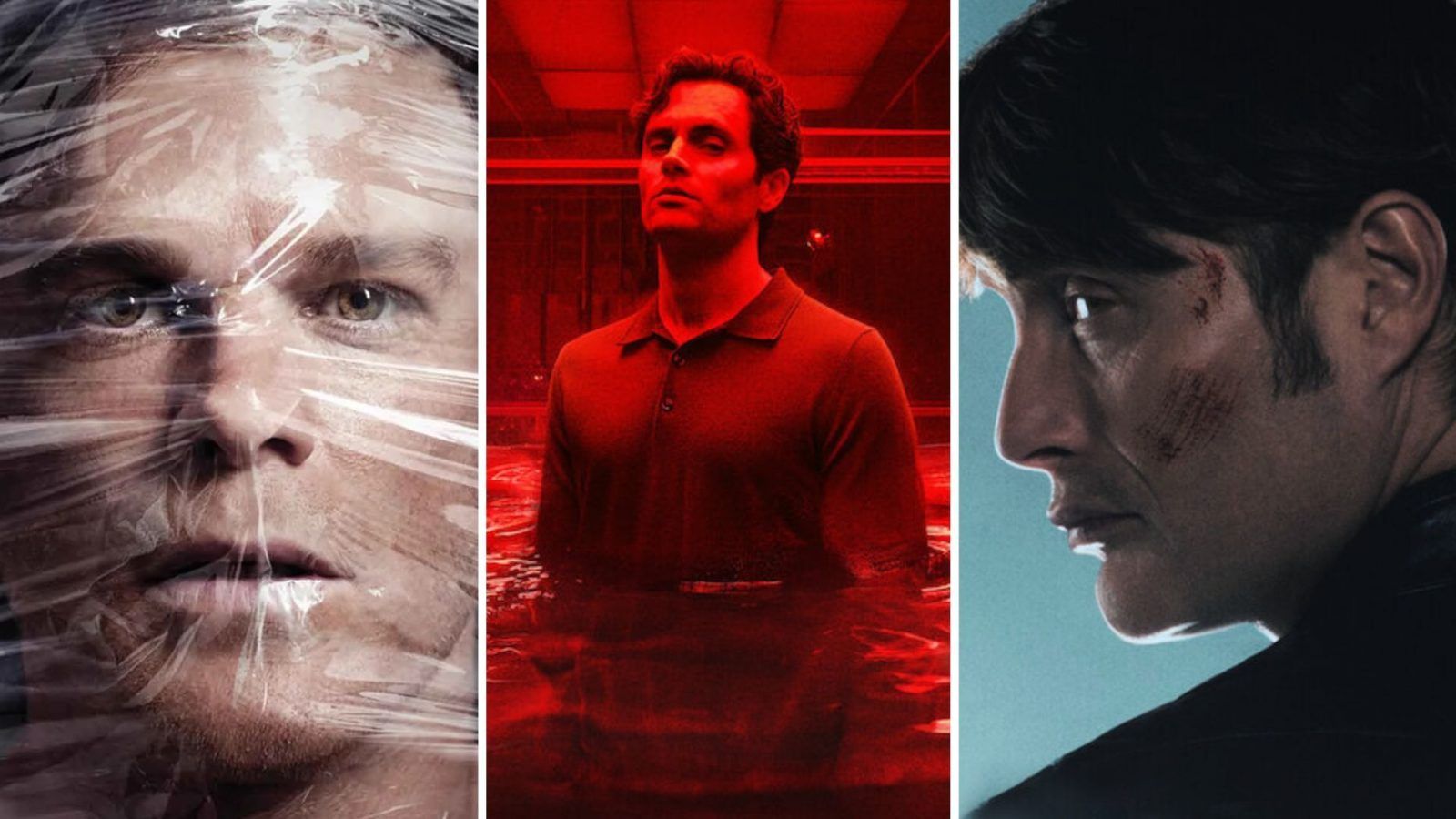
The shift toward the "serial killer as protagonist" began in the mid-2000s, most notably with Showtime’s Dexter (2006). This series challenged audiences to sympathize with a forensic technician who was himself a serial killer, albeit one who followed a "code" to target other criminals. This era introduced the concept of the "sympathetic monster" or the "dark hero," forcing viewers to reconcile their moral compasses with the charismatic portrayal of a murderer.
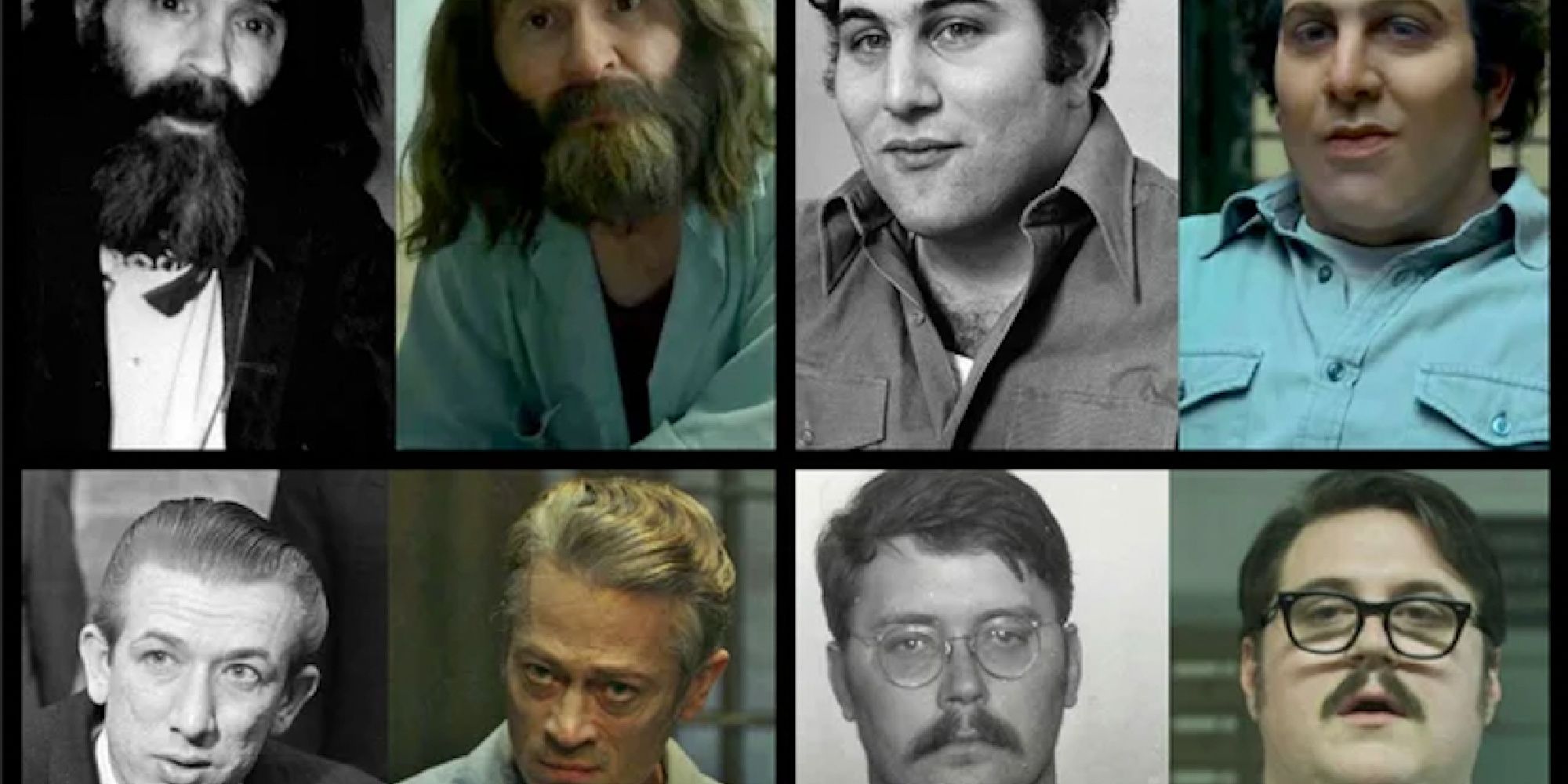
By the time Mindhunter premiered on Netflix in 2017, the focus had shifted again—this time toward the intellectual and psychological roots of profiling. Based on the real-life work of John Douglas and the FBI's Behavioral Science Unit, the show prioritized dialogue and interrogation over action. It demonstrated that the most chilling aspects of serial killers on TV often come from their words and the banality of their evil, rather than the violence itself.
Iconic Fictional Portrayals that Defined the Genre
Fictional series allow creators to explore the "what if" scenarios of criminal psychology, often pushing the boundaries of aesthetics and storytelling. These shows have created cultural touchstones that influence how the public perceives real-world forensics and criminology.
- Hannibal (NBC): This series reimagined Thomas Harris’s famous characters with a focus on psychological manipulation and "elevated" horror. It was notable for its lush cinematography and the complex, almost romanticized relationship between Will Graham and Hannibal Lecter. It moved the genre away from gritty realism toward a gothic, dream-like atmosphere.
- The Fall (BBC/Netflix): Starring Jamie Dornan and Gillian Anderson, this show was praised for its stark, unflinching look at the "double life" of a killer. By showing the killer’s domestic life alongside the police investigation, it stripped away the mystery to focus on the predatory nature of the antagonist.
- You (Netflix): Representing a more modern, social-media-driven era, You uses the serial killer trope to critique "nice guy" culture and digital stalking. It serves as a reminder that the genre continues to adapt to contemporary fears and technologies.
The Rise of True Crime Docuseries
While scripted dramas offer a controlled narrative, the explosion of true crime docuseries has redefined what it means to watch a serial killer on TV. This movement gained massive momentum with the release of Making a Murderer (2015) and The Jinx (2015), which proved that real-life legal battles could be as binge-worthy as any fictional thriller.
In 2026, the "Golden Age of True Crime" persists, but with a more critical lens. Audiences now demand more than just the "gory details"; they want to see how systemic failures allowed these individuals to operate. Docuseries like Conversations with a Killer: The Ted Bundy Tapes or the various iterations of Monster (Ryan Murphy’s anthology series) have set high bars for archival research and production value.
These programs often utilize:
- Archival Footage: Original police interviews, courtroom recordings, and home movies.
- Expert Testimony: Insights from forensic psychologists, former FBI profilers, and investigative journalists.
- Survivor Narratives: A growing trend toward centering the voices of those who escaped or the families of those who did not, shifting the focus away from the "celebrity" status of the killer.
Comparing Top-Rated Serial Killer TV Programs
To better understand the options available for viewers, the following table compares various types of serial killer programming based on their narrative style, focus, and typical platform availability.
| Series Title | Format | Primary Focus | Viewing Intensity |
|---|---|---|---|
| Mindhunter | Scripted Drama | Behavioral profiling and FBI history | Moderate (Intellectual) |
| Dexter | Scripted Drama | The "Dark Hero" archetype and vigilantism | High (Graphic) |
| The Jinx | Docuseries | Real-life investigation and confession | High (Suspense) |
| Hannibal | Scripted Drama | Psychological manipulation and aesthetics | Very High (Stylized) |
| I'll Be Gone in the Dark | Docuseries | Victim advocacy and the hunt for the killer | Moderate (Emotional) |
| Monster (Anthology) | Scripted Biography | Historical accuracy and systemic failure | Very High (Disturbing) |
The Psychology of Why We Watch
Psychologists have long debated why "serial killer on TV" content remains a top-performing category for streaming services. According to research cited by Psychology Today, the fascination often stems from a survival instinct. By observing the "predator," viewers subconsciously feel they are learning how to identify and avoid danger in their own lives.
Furthermore, there is the "forbidden fruit" aspect. Serial killers represent the ultimate transgression of social norms. Watching their stories allows audiences to explore the darkest corners of human nature from the safety of their living rooms. This "vicarious experience" provides an adrenaline rush similar to a roller coaster—intense fear followed by the relief of knowing the threat is not immediate or real.
However, researchers also warn of the "Mean World Syndrome," a phenomenon where frequent viewers of crime television begin to perceive the real world as significantly more dangerous than it actually is. This highlights the importance of distinguishing between the frequency of these crimes on TV and their actual statistical rarity in society. For accurate data on the prevalence of these crimes, the FBI's Serial Murder statistics provide a necessary reality check against the heightened drama of television.
Ethical Considerations and the "Glamorization" Debate
As we move through 2026, the ethical implications of serial killer programming are under more scrutiny than ever. Critics argue that by focusing so heavily on the killers—often casting attractive actors to play them—the media risks "glamorizing" heinous acts. This was a major point of contention during the release of the Jeffrey Dahmer series in 2022, where the families of the victims expressed pain over the retraumatization caused by the show's popularity.
Modern production guidelines now often emphasize:
- Victim-First Storytelling: Ensuring the narrative honors the lives lost rather than the "mythology" of the murderer.
- Avoiding "Killer Worship": Refraining from giving killers catchy nicknames or focusing on their "genius," as many real-world serial killers are actually disorganized and impulsive rather than criminal masterminds.
- Educational Value: Focusing on the "how" and "why" to provide social commentary on issues like mental health, law enforcement bias, and community safety.
Where to Watch: Navigating Platforms in 2026
For viewers looking to find specific serial killer content, the market is largely segmented by the "flavor" of the content. Netflix remains the leader in both true crime docuseries and high-budget scripted adaptations. Max (formerly HBO Max) tends to favor grittier, more cinematic true crime and psychological dramas. Disney+ and Hulu often host international crime dramas and procedural spin-offs.
When selecting a series, it is helpful to check IMDb for content warnings and parental ratings, as the "serial killer on TV" niche frequently involves graphic violence, sexual assault, and intense psychological distress.
Frequently Asked Questions
Why are serial killers so popular on TV?
The popularity is driven by a combination of psychological curiosity, the thrill of the "cat-and-mouse" chase, and the analytical satisfaction of solving a puzzle. These shows provide a safe environment to explore extreme human behavior and the complexities of the justice system.
Are TV portrayals of serial killers accurate?
Fictional portrayals often exaggerate the "brilliance" of serial killers. In reality, most multi-victim offenders are caught due to forensic errors or routine police work rather than high-stakes psychological games. However, docuseries using archival footage tend to be much more factually grounded.
What is the difference between a procedural and a psychological thriller?
A procedural (like CSI) focuses on the "how" of the crime—forensics and evidence. A psychological thriller (like Hannibal) focuses on the "why"—the mental states of both the killer and the investigator, often emphasizing character development over the actual investigation.
Can watching these shows be harmful?
For most people, it is a form of escapism. However, for those sensitive to violence or trauma, it can lead to increased anxiety or sleep disturbances. Experts recommend "palette cleansing" with lighter content and remaining mindful of how much true crime one consumes.
How has the genre changed for victims?
In recent years, there has been a significant move toward "victim-centric" storytelling. Producers are increasingly consulting with victims' families and focusing on the social conditions that allowed the crimes to happen, rather than solely on the killer's "legend."
Recommended Approach for Responsible Viewing
To get the most out of "serial killer on TV" content without falling into the trap of misinformation or psychological fatigue, viewers should adopt an active rather than passive viewing habit. Start by alternating between scripted dramas and factual documentaries to maintain a balance between entertainment and reality.
Before starting a new series, research the production's intent. Shows that prioritize historical context and victim impact often provide a more enriching experience than those that rely solely on shock value. Finally, utilize resources like the National Center for Victims of Crime to understand the real-world support systems available, which helps ground the "on-screen" drama in the reality of the social work and advocacy that follows such tragic events.