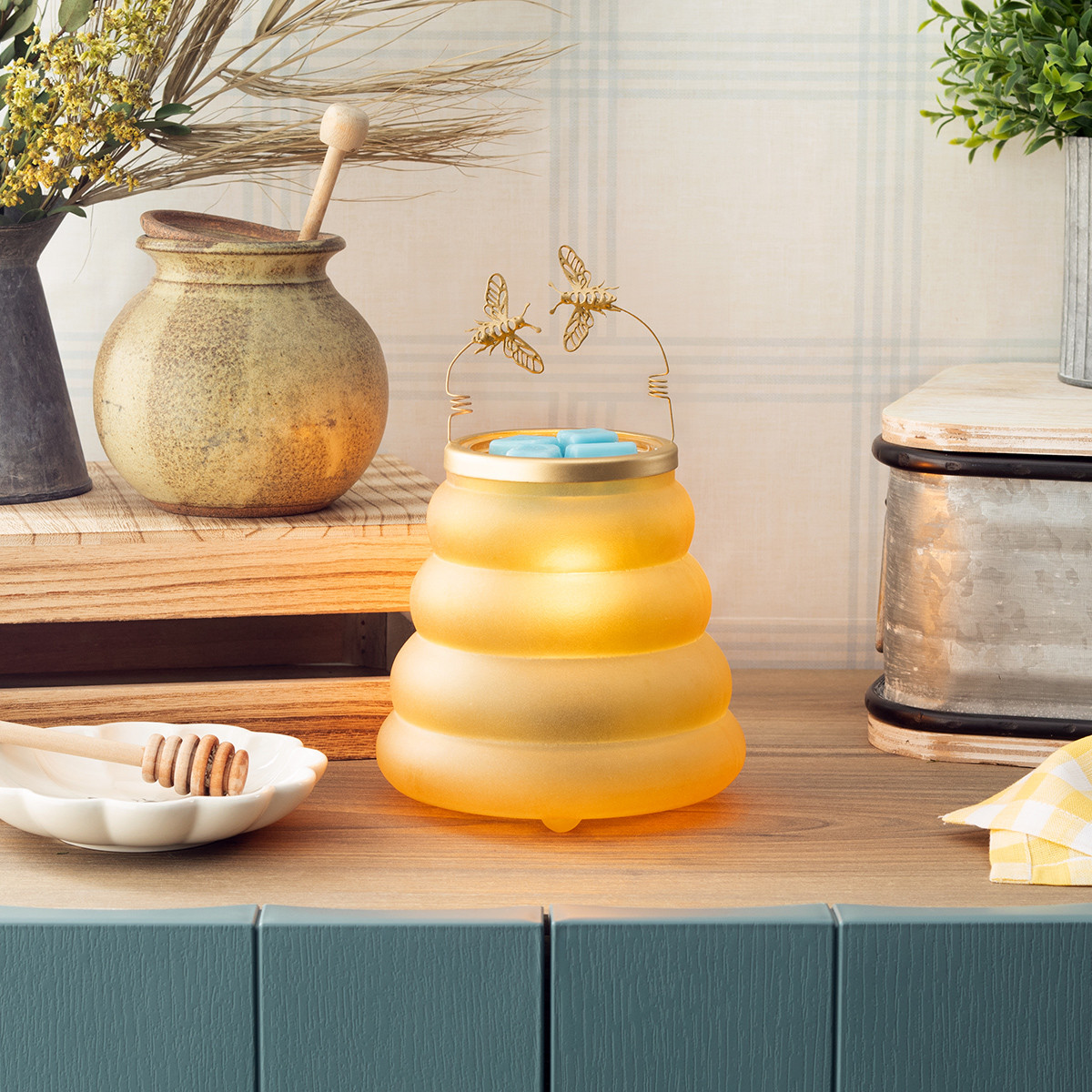
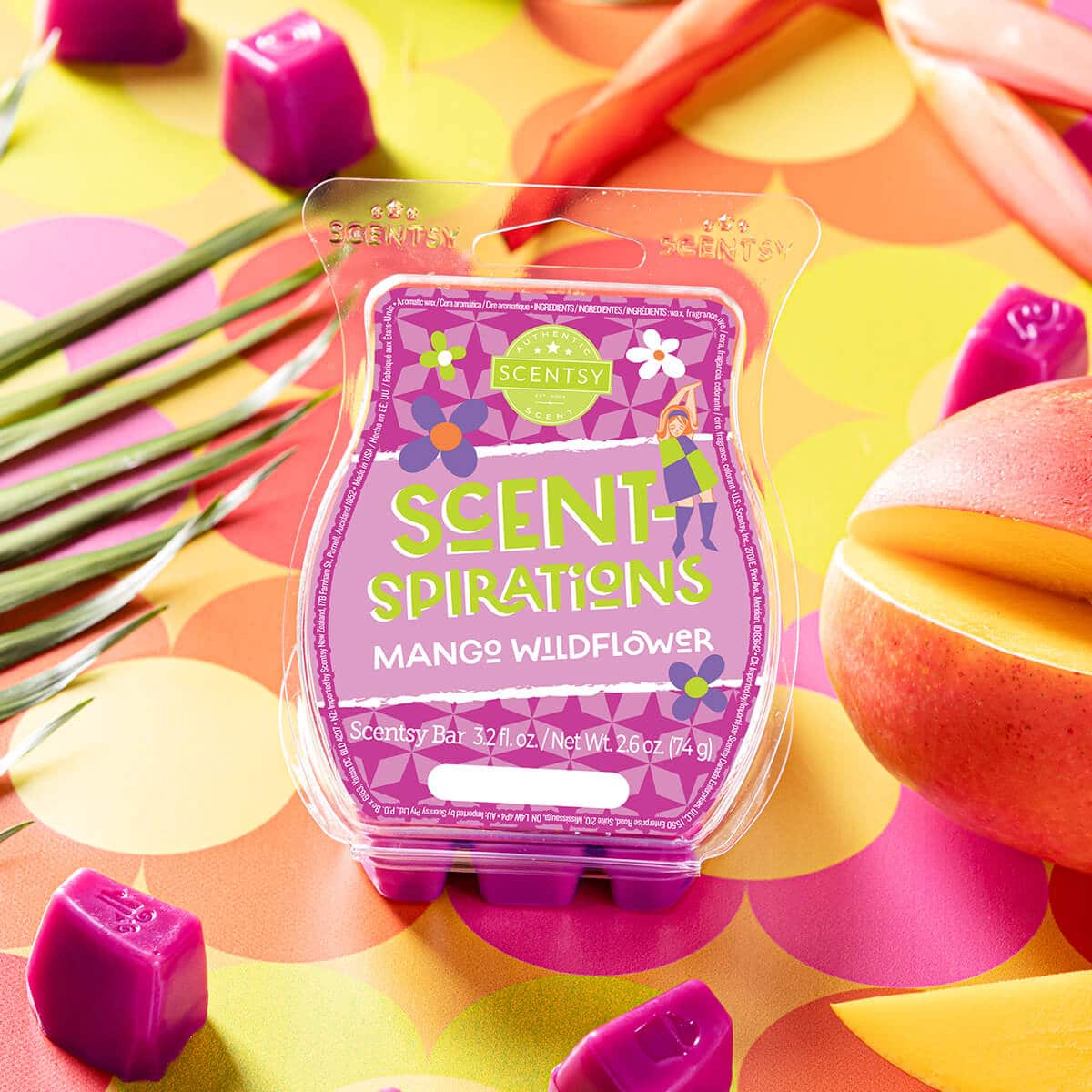
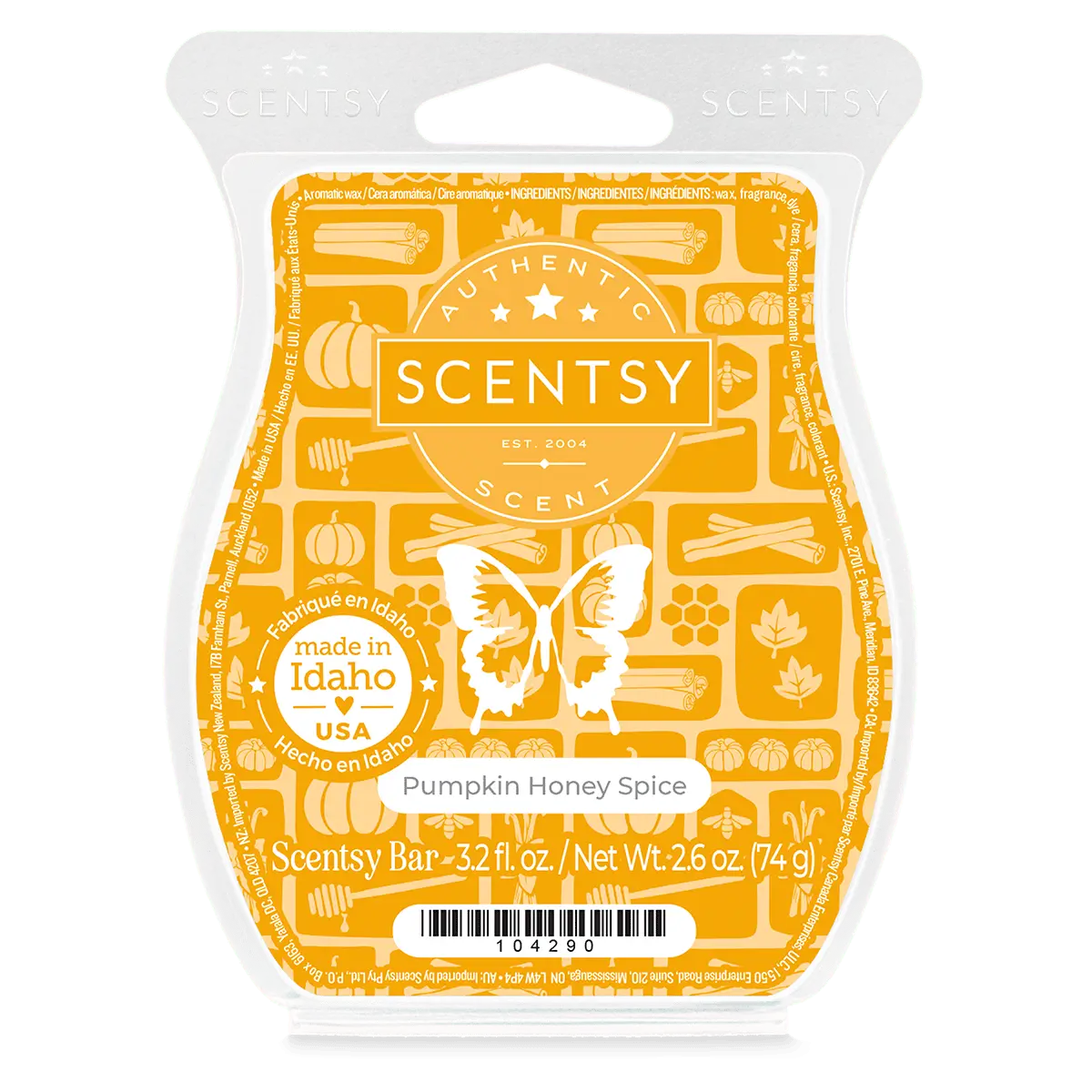
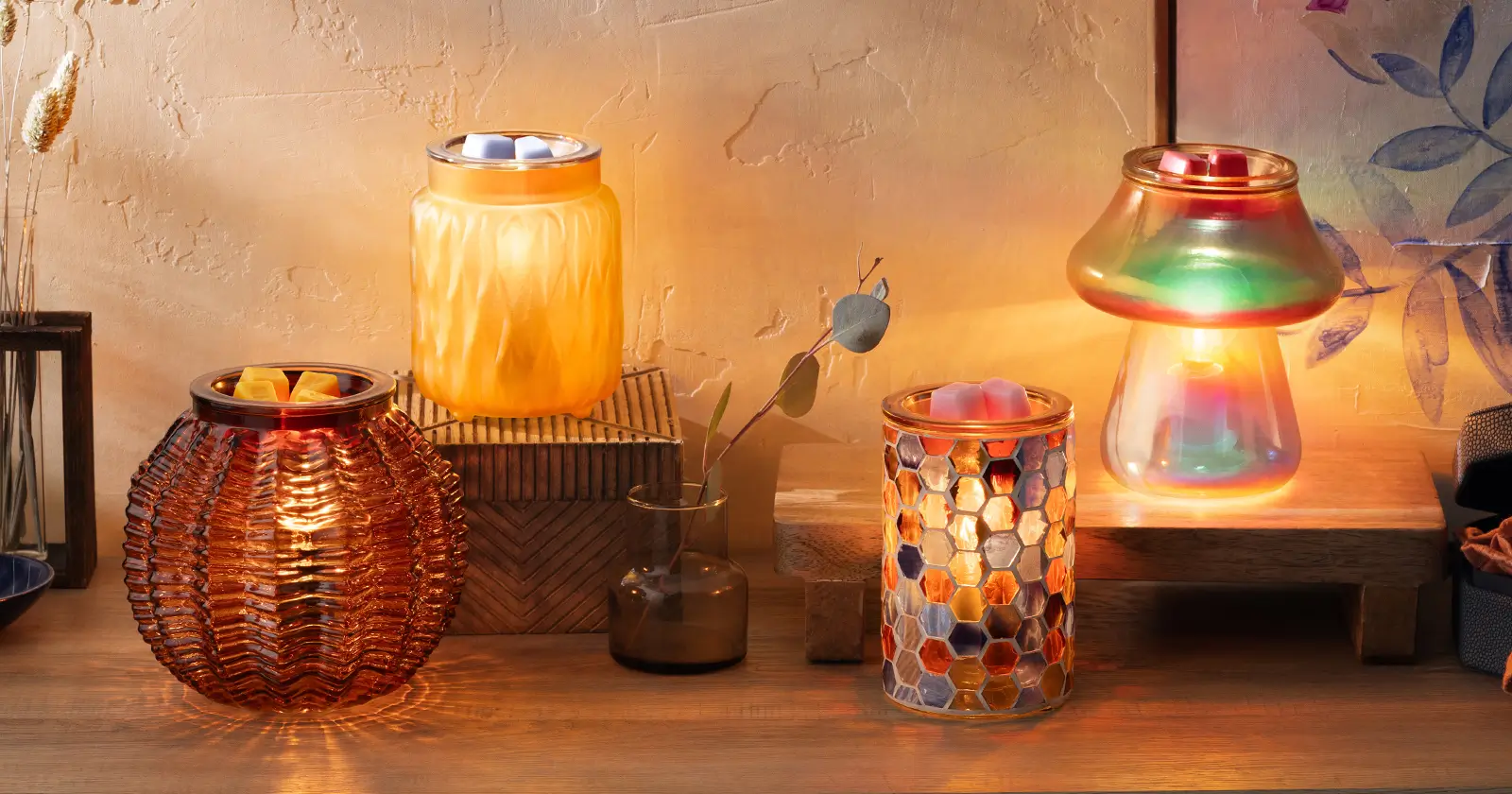
Understanding the science and performance metrics behind home fragrance products ensures optimal scent dispersion and safety. Scentsy wax occupies a unique space in the home fragrance market due to its specific formulation, low melting point, and pourous characteristics designed for use in electric warmers rather than traditional open-flame candle applications.
Technical Composition and Formulation of Scentsy Wax
The foundational chemistry of Scentsy wax relies primarily on a specialized, high-grade paraffin wax blend. Unlike traditional paraffin used in standard taper or pillar candles, this formulation is engineered to remain stable at room temperature while transitioning rapidly to a low-viscosity liquid at significantly lower temperatures.
- Melting Point Profile: Formulated to melt completely between 120°F and 130°F (49°C to 54°C). This low operating threshold minimizes burn risks and prevents the degradation of delicate top notes in complex fragrance oils.
- Fragrance Load Capacity: The molecular matrix of the wax is engineered to absorb and retain a high percentage of fragrance oil—often ranging between 8% and 12% by weight—without bleeding or sweating during storage.
- Hardness and Consistency: The wax bars are scored into distinct break-apart cubes. The structural integrity is balanced to snap cleanly while resisting crumbling in warm ambient environments.
Material Integrity Standard: High-grade food-grade and cosmetic-grade paraffin bases undergo rigorous hydro-treating and refining processes. This eliminates impurities, soot precursors, and undesirable hydrocarbons, ensuring a clean vapor release without particulate smoke generation during normal warmer operation.
How Electric Warmers Interact with Scentsy Wax
Electric warmers eliminate the combustion process entirely, shifting the physics of scent dispersion from thermal oxidation to passive thermal evaporation. A low-wattage incandescent bulb or a specialized ceramic heating element provides the precise thermal energy required to liquefy the wax pool.
- Convection and Diffusion: As the wax liquefies, molecules rise to the surface and vaporize into the surrounding air currents. Because no flame is present, heavier base notes evaporate at a more controlled, steady rate.
- Heat Source Variance: Standard warmers use 15-watt, 20-watt, or 25-watt Edison-style bulbs, or integrated low-voltage ceramic plates. Using unauthorized replacement bulbs with higher wattage can cause the wax to overheat, degrading the fragrance oil prematurely and emitting acrid thermal breakdown notes.
- Refining the Scent Throw: The size of the room, ambient airflow, and ceiling height directly impact the perceived throw. Placing a warmer in a high-traffic cross breeze maximizes mechanical diffusion.
Comparative Performance Analysis of Home Fragrance Systems
Selecting the right home fragrance method involves balancing longevity, safety profiles, cost efficiency, and maintenance requirements. The following matrix compares Scentsy wax and warmer systems against traditional open-flame candles and Reed diffusers.
| Fragrance System | Primary Energy Source | Average Burn/Operation Time | Safety Risk Profile | Maintenance Requirements |
|---|---|---|---|---|
| Scentsy Wax & Warmer | Electricity (15W - 25W) | 60 - 80 hours per bar (approximate) | Low (No open flame; wax does not reach boiling temperatures) | Periodic dish cleaning and wax extraction |
| Traditional Jar Candles | Open Flame (Wick combustion) | 40 - 60 hours | High (Open flame, soot accumulation, hot glass risk) | Trimming wicks, preventing tunneling, soot cleanup |
| Reed Diffusers | Ambient Air Evaporation | 30 - 90 days (Continuous) | Very Low (Alcohol or oil base, no heat) | Flipping reeds, dust accumulation on vessels |
| Ultrasonic Diffusers | Electricity & Water Vibration | 4 - 10 hours per water reservoir fill | Low (Automatic shut-off, cool mist) | Regular descaling, water reservoir sanitization |
Step-by-Step Guide to Maximizing Wax Longevity and Performance
Proper handling and maintenance of your warmer dish and wax bars can significantly extend the fragrance release cycle and protect your equipment.
- Evaluate Fragrance Exhaustion: Allow the wax to melt fully. If the scent intensity drops significantly after 15 to 20 cumulative hours of heating, the volatile fragrance compounds have completely evaporated from the paraffin matrix.
- Power Down and Cool: Turn off the electric warmer and allow the liquid wax to cool until it reaches a warm, semi-solid or fully liquid yet safe handling state. Never pour boiling or excessively hot wax directly into fragile plumbing traps.
- Extraction Methods:
- Cotton Ball Method: Drop two to three cotton balls or paper towels into the warm, liquid wax pool to absorb the entirety of the oil and wax, then discard them in the trash.
- Pop-Out Method: Place the removable warmer dish into a freezer for 10 to 15 minutes. The wax will shrink slightly and pop out cleanly as a single solid disc.
- Dish Sanitization: Wipe the ceramic or glass dish with a microfiber cloth and rubbing alcohol to remove any residual fragrance oil film before adding fresh cubes.
- Cube Portion Control: Add only one to two cubes at a time to standard-sized warmers. Overfilling the dish restricts heat transfer, reduces efficiency, and risks spilling liquid wax over the rim.
Pros and Cons of Using Scentsy Wax Systems
Every home fragrance medium comes with distinct structural advantages and limitations. Evaluating these factors helps determine alignment with lifestyle and home safety preferences.
- Advantages:
- Zero Soot and Smoke: Absence of combustion means walls, ceilings, and HVAC filters remain free from black carbon soot deposits.
- Child and Pet Friendly: No open flame, and the liquid wax operates at a temperature low enough to prevent severe contact burns.
- Customizable Blending: Users can mix different Scentsy bar cubes together in the dish to create customized fragrance profiles.
- Cost-Effective Longevity: Wax can be turned off and on repeatedly, utilizing fragrance only when desired rather than burning continuously.
- Disadvantages:
- Electrical Dependency: Requires a nearby wall outlet or USB port, limiting placement options in center-room tables without cord management solutions.
- Initial Hardware Cost: Requires purchasing an electric warmer unit alongside the consumable wax bars.
- Disposal Management: Spent liquid wax cannot be poured down domestic drains without risking pipe clogs upon cooling.
Frequently Asked Questions
How long does a single Scentsy wax bar last?
A standard Scentsy bar provides approximately 60 to 80 hours of cumulative fragrance release when used according to manufacturer guidelines. Longevity varies based on warmer wattage, ambient room temperature, and the specific fragrance oil family.
Can I use Scentsy wax in other brands of warmers?
Yes, Scentsy wax bars feature a low melting point and can be used in most standard electric or tea-light warmers. However, ensure the alternative warmer does not exceed safe operating temperatures to prevent burning the fragrance oils.
What is the safest way to remove used wax from the warmer dish?
The safest and most efficient method is dropping cotton balls into the warm liquid wax to absorb it, or placing the removable dish in the freezer for 10 minutes so the solid wax pops out cleanly. Avoid using metal utensils that could scratch or crack the ceramic dish.
Are Scentsy wax bars toxic to pets?
Scentsy wax is formulated with non-toxic paraffin blends and high-quality fragrance oils that comply with International Fragrance Association (IFRA) standards. However, certain essential oils and heavy fragrance concentrations can irritate sensitive animals like birds or cats; always maintain well-ventilated spaces when operating warmers.
Why is my warmer melting the wax, but I cannot smell anything?
This phenomenon, often called nose blindness or olfactory fatigue, occurs when your scent receptors become saturated with a continuous aroma. Alternatively, if the wax has been heated for dozens of hours, the volatile fragrance compounds have completely evaporated, leaving only unscented paraffin base.
What should I do if wax spills on carpet or upholstery?
Allow the spilled wax to cool and harden completely using an ice pack if necessary. Gently break away the solid surface wax, then place a brown paper bag or clean cloth over the residue and apply a warm iron to lift the remaining oil into the paper.
Elevate your home environment safely and efficiently by selecting authentic, high-performance fragrance products designed to meet rigorous thermal and purity standards. Explore the current catalog of seasonal and classic wax collections to find the ideal olfactory profile for your space today.