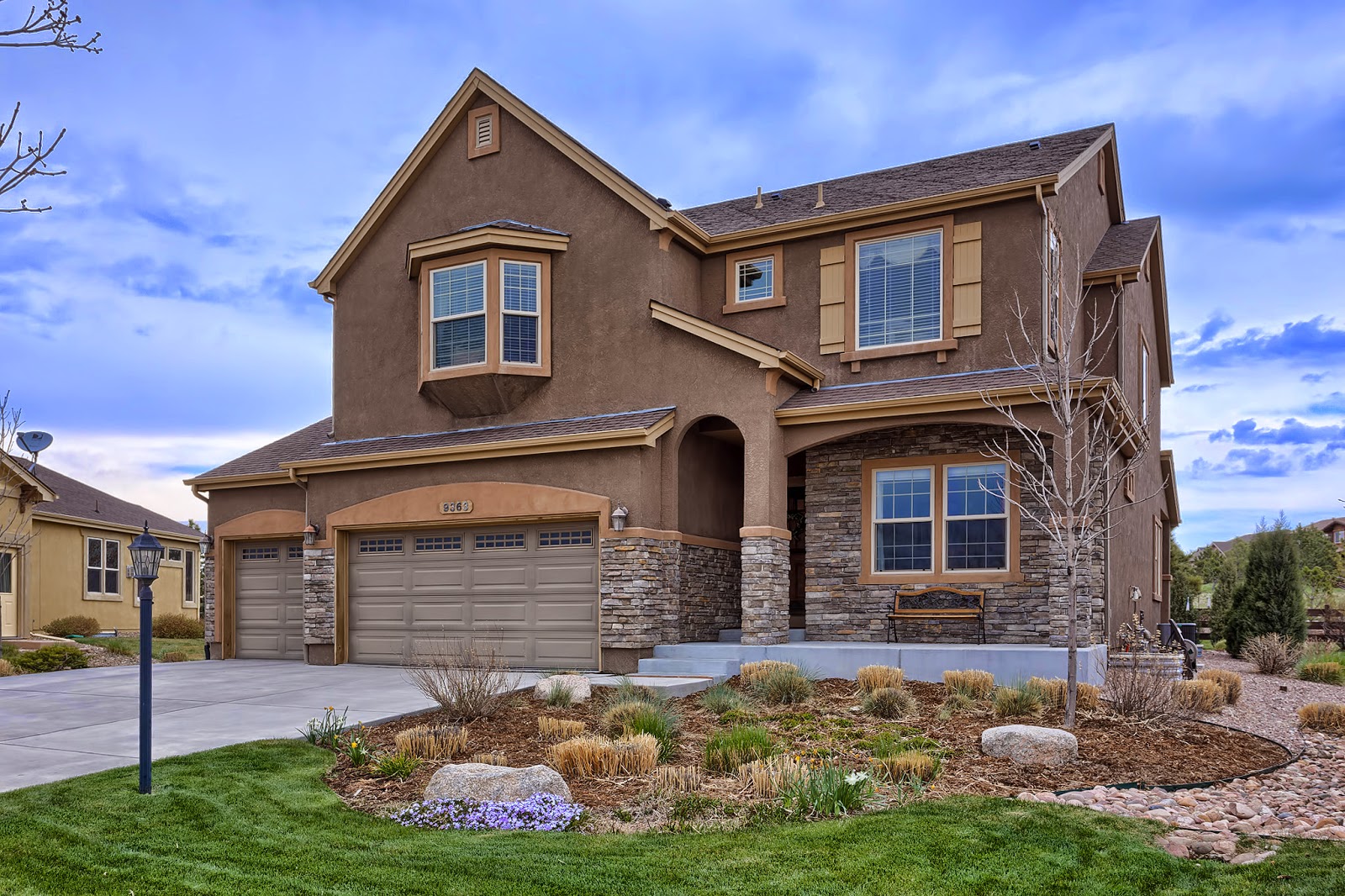
This comprehensive analysis focuses exclusively on residential real estate for sale in Colorado Springs, Colorado. While secondary markets exist for commercial assets and small businesses, the primary search volume and economic driver in the Pikes Peak region for 2026 remain centered on single-family homes, condominiums, and multi-family investment properties.
The 2026 Colorado Springs real estate market represents a sophisticated intersection of aerospace-driven economic growth, military stability, and high-altitude lifestyle appeal. As the permanent headquarters for U.S. Space Command continues to mature its operations, the local housing inventory has adapted to meet the demands of a highly technical workforce. Potential buyers must navigate a landscape defined by stabilized interest rates, evolving water rights legislation, and a shift toward sustainable, wildfire-resilient architecture. This guide provides the technical data and neighborhood-specific insights required to make an informed acquisition in El Paso County.
The 2026 Economic Landscape of the Pikes Peak Region
The inventory of homes for sale in Colorado Springs is currently shaped by the "Olympic City USA" infrastructure initiatives completed between 2023 and 2025. Unlike the volatile fluctuations seen in the early 2020s, the 2026 market is characterized by steady appreciation and a balanced "Months of Inventory" (MOI) metric, currently hovering around 3.5 months. This indicates a market that slightly favors sellers but allows well-qualified buyers significant room for negotiation and inspection contingencies.
Economic pillars supporting property values in 2026 include:
- Aerospace and Defense: The expansion of Peterson Space Force Base and Schriever Space Force Base has catalyzed a secondary market of defense contractors (Lockheed Martin, Northrop Grumman, and Booz Allen Hamilton), increasing demand for luxury and executive housing in the northern and eastern corridors.
- The Cybersecurity Hub: The National Cybersecurity Center and the University of Colorado Colorado Springs (UCCS) continue to draw a young, high-earning demographic into the downtown and Westside markets.
- Infrastructure Maturity: The completion of the I-25 "Gap" project and the expansion of the Powers Boulevard (SH-21) expressway have fundamentally changed commute patterns, making previously "remote" areas like Falcon and Peyton primary targets for residential development.
Identifying High-Value Neighborhoods and Strategic Zones
Navigating the diversity of Colorado Springs requires an understanding of the distinct micro-markets defined by school districts, elevation, and proximity to federal installations.
Northern Corridor: Briargate and Northgate
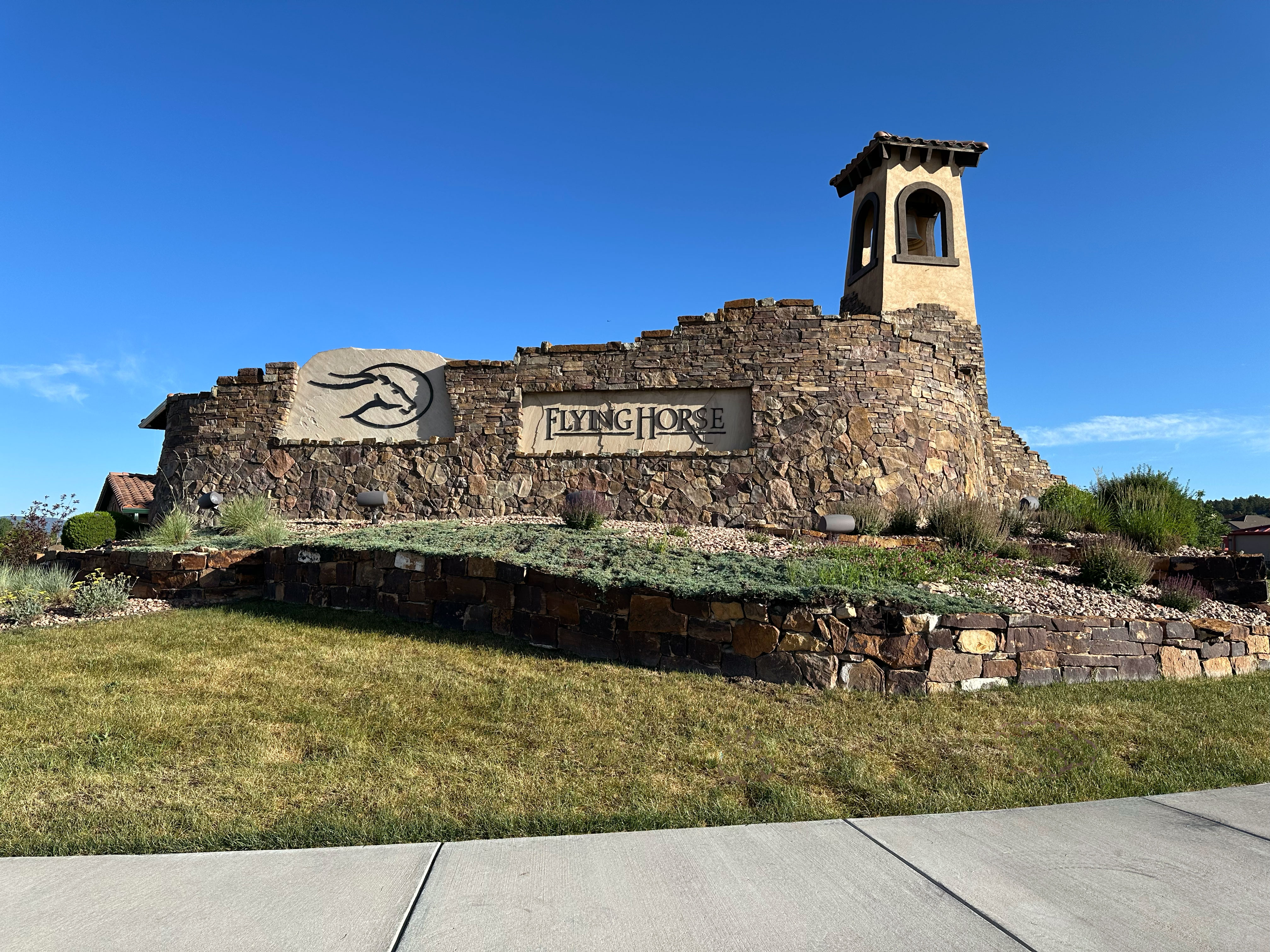
This region remains the most competitive for families, primarily due to the prestige of Academy School District 20. In 2026, we are seeing a trend toward "smart-integrated" homes and larger lot sizes in developments like Flying Horse and Cordera. Buyers in this sector prioritize proximity to the InterQuest Marketplace and easy access to Denver via I-25.
The Historic Westside and Old Colorado City
For buyers seeking character, the Westside offers Victorian-era homes and mid-century bungalows. These properties often require specialized inspections for "clay soil" expansion and older utility lines. However, their proximity to Garden of the Gods and the Red Rock Canyon Open Space ensures high land-value retention and significant short-term rental (STR) potential, provided they comply with current 2026 municipal zoning ordinances.
The Broadmoor and Southwest Luxury
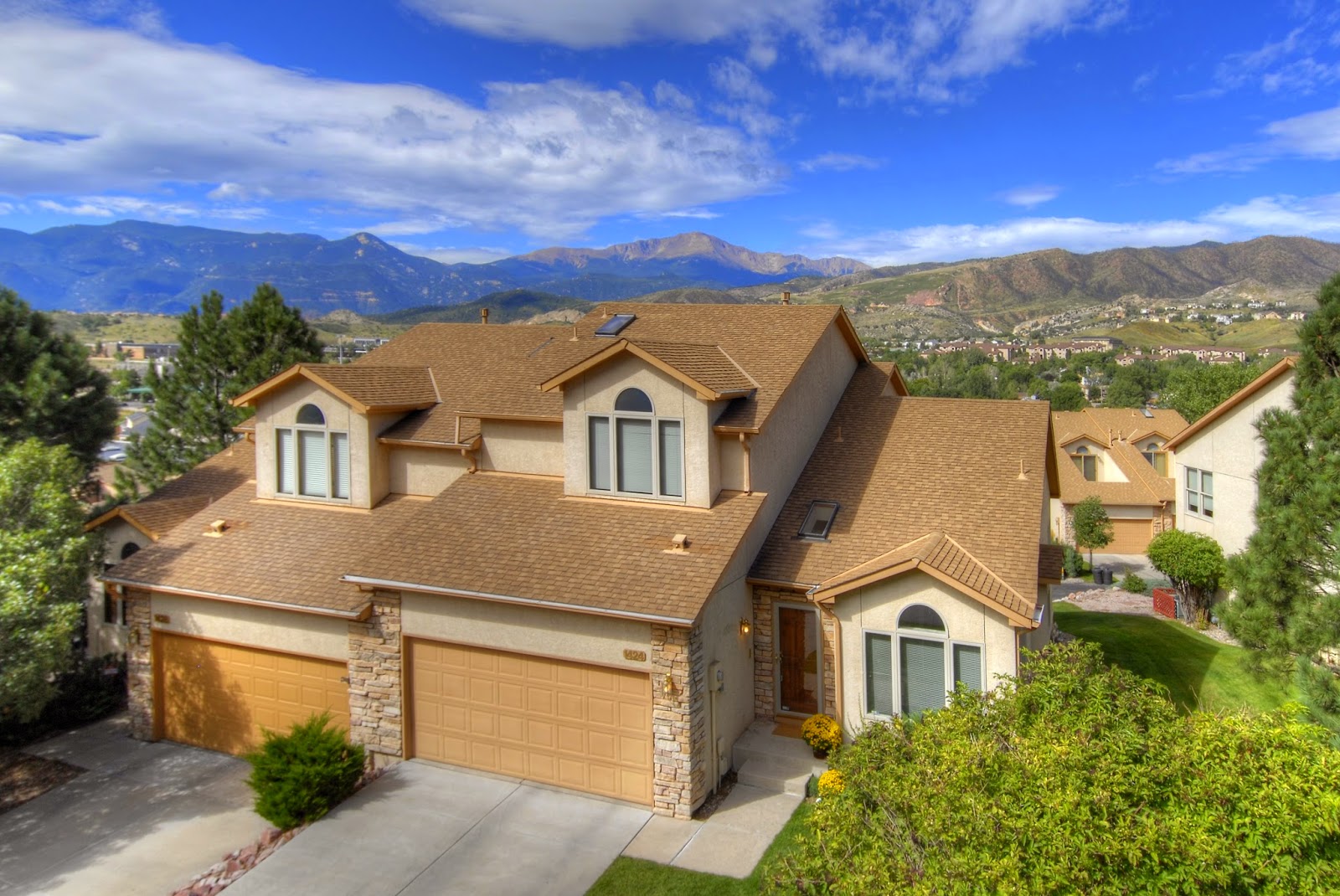
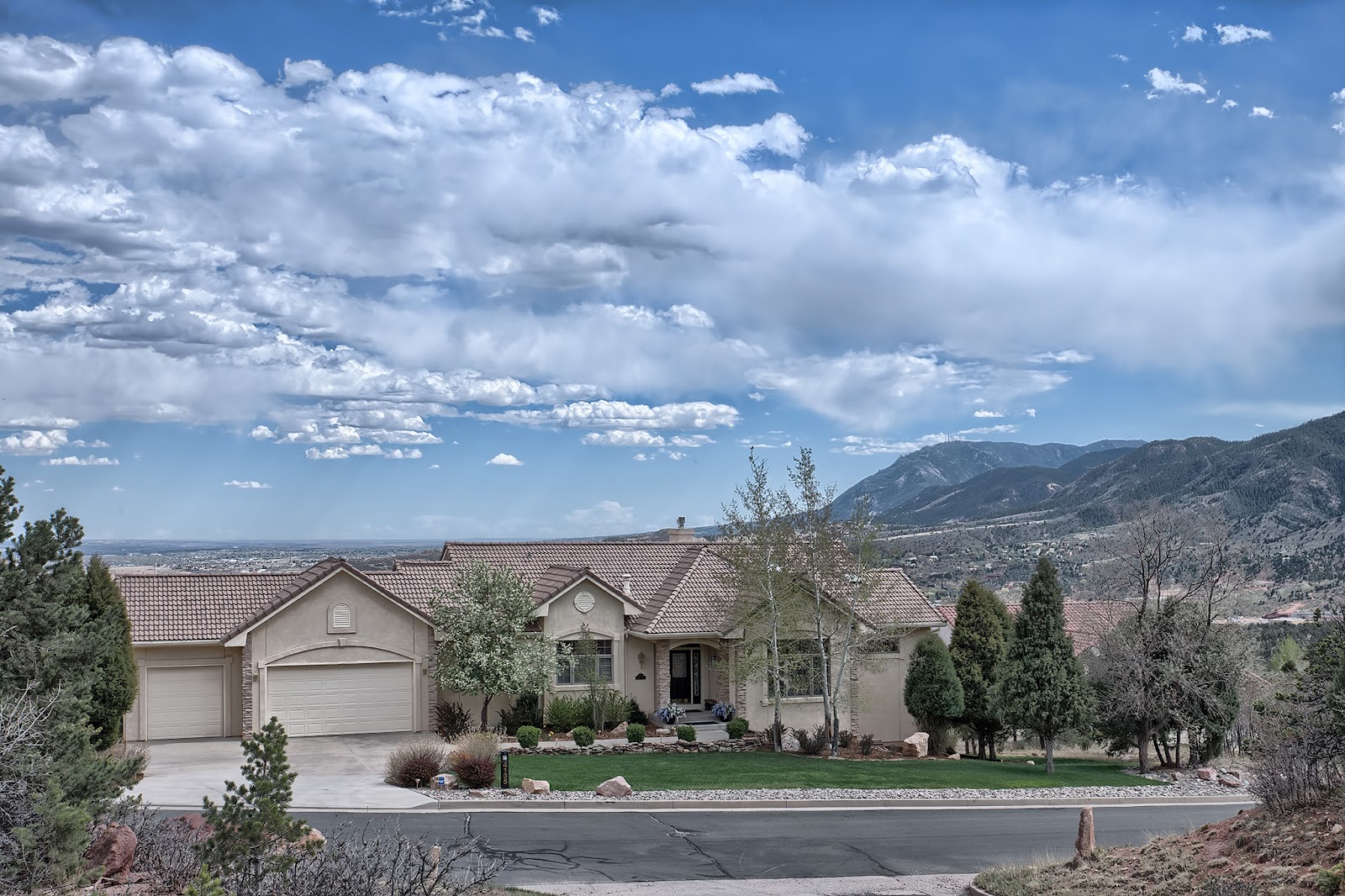
The Southwest region remains the pinnacle of the local luxury market. Properties for sale here often feature acreage and mountain views. Buyers must be aware of the "Wildfire Partners" certification requirements which became industry standard in 2026 for properties located in the Wildland-Urban Interface (WUI).
Eastern Expansion: Banning Lewis Ranch and Falcon
As the geographical center of the city shifts east, Banning Lewis Ranch has emerged as a premier master-planned community. With its own schools and extensive trail systems, it offers a lower price-per-square-foot compared to the Northgate area, making it a primary target for first-time buyers and active-duty military personnel utilizing VA loan benefits.
Technical Realities: Zoning, Water, and Geology
When evaluating property for sale in Colorado Springs, technical due diligence is mandatory. The Front Range geography presents unique challenges that are not common in other national markets.
Geological and Environmental Considerations
Expansive Soils and Foundation Integrity Much of the Colorado Springs area, particularly the eastern plains and parts of the southwest, sits on Pierre Shale. This soil expands when wet and contracts when dry. By 2026, most reputable listings include a structural engineer's report or a history of mitigation, such as helical piers or perimeter drains.
Water Rights and Colorado Springs Utilities (CSU) In 2026, water scarcity remains a critical topic. Properties within the city limits are serviced by CSU, which has a robust multi-source water portfolio. However, properties for sale in outlying areas like Black Forest or Peyton often rely on individual wells. Buyers must verify "Well Permits" and "Augmentation Plans" to ensure long-term water security.
Radon Mitigation Standards Colorado is a Zone 1 area for Radon. It is a standard technical requirement in 2026 that any residential sale include a Radon test result. Most homes are now equipped with active sub-slab depressurization systems as a condition of the sale.
Comparative Analysis of Colorado Springs Residential Sectors (2026 Estimates)
| Neighborhood | 2026 Median Price | Primary School District | Commute to Downtown | Dominant Property Type |
|---|---|---|---|---|
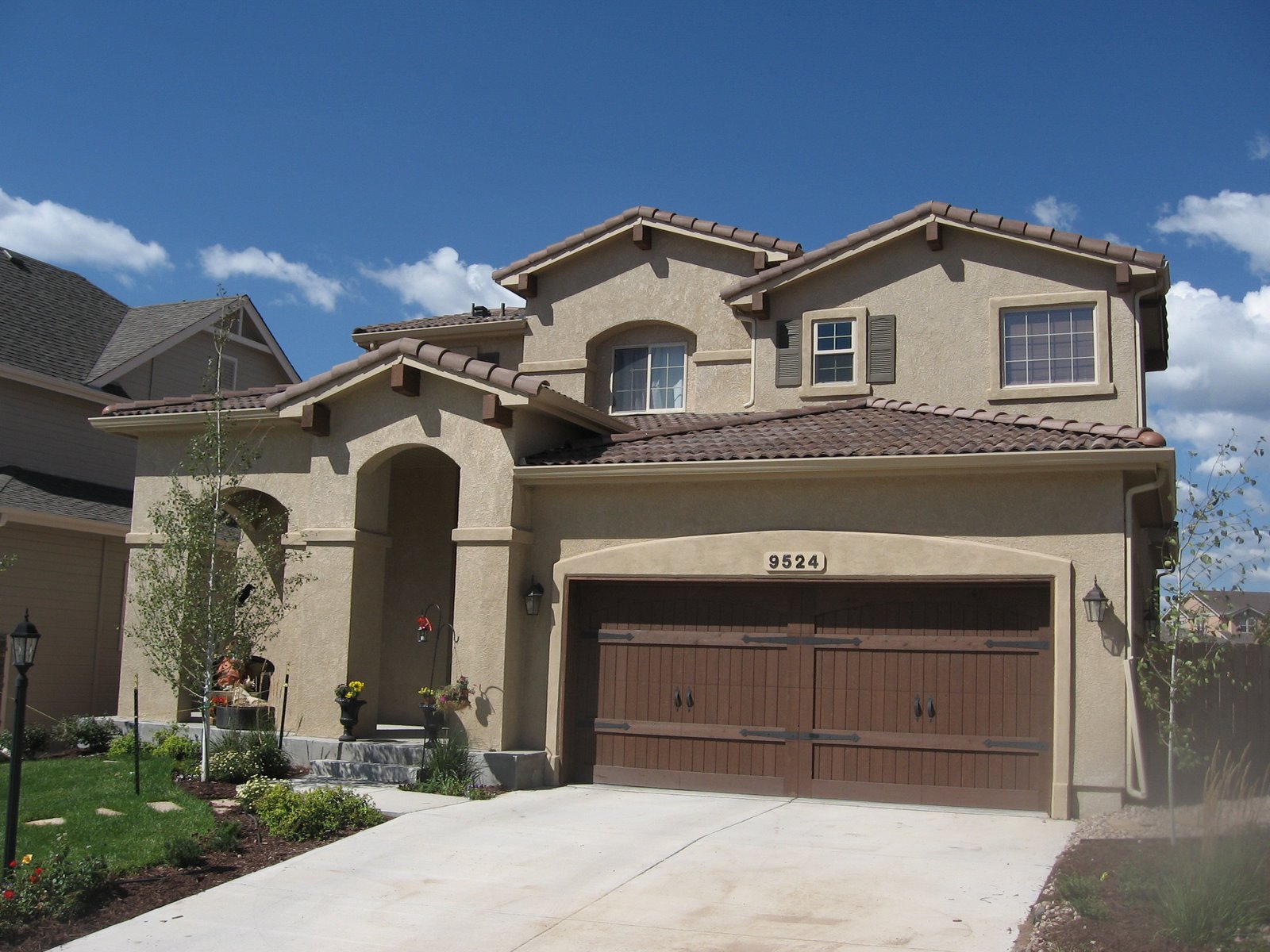
| Briargate | $685,000 | District 20 | 15–20 Minutes | Two-Story Suburban |
| Downtown | $545,000 | District 11 | 0–5 Minutes | Modern Lofts / Historic |
| The Broadmoor | $1,850,000 | District 12 | 10–15 Minutes | Custom Estates |
| Falcon / Peyton | $515,000 | District 49 | 25–35 Minutes | New Construction |
| Westside | $590,000 | District 11 | 10 Minutes | Bungalows / Cottages |
| Powers Corridor | $495,000 | District 49 / 11 | 15–20 Minutes | Single-Family / Townhomes |
The 2026 Step-by-Step Purchase Framework
The process of acquiring real estate in Colorado has become increasingly digitized. By 2026, the use of blockchain for title recording and AI-driven appraisal models has streamlined the timeline from offer to close.
- Securing a 2026 Mortgage Pre-Approval: Unlike previous years, lenders now require a "Climate Resilience Score" for the property in addition to standard credit and income verification. If using a VA loan, ensure your lender is well-versed in the 2026 El Paso County loan limits.
- The Hyper-Local Search: Utilize the Pikes Peak Association of REALTORS® (PPAR) database. While national portals are useful, local MLS data provides the most accurate "Active," "Under Contract," and "Sold" statuses, which is vital in a market where quality homes move in under 14 days.
- Drafting the Colorado Contract to Buy and Sell: This is a state-standardized form (CBS1). Pay close attention to the "Dates and Deadlines" section. In 2026, the "Inspection Objection" and "Resolution" periods are typically shorter, requiring buyers to have their inspectors lined up before the offer is submitted.
- Due Diligence and Title Review: Verify that there are no outstanding HOA liens or special assessments. Many older neighborhoods in Colorado Springs have seen recent "Special Assessment" votes for road paving or park maintenance.
- The Closing Process: Most closings in 2026 are "split closings," where the buyer and seller sign at different times or via secure remote online notarization (RON). Ensure your wire transfer for the "Cash to Close" is initiated 24-48 hours in advance due to enhanced federal anti-fraud protocols.
Navigating HOA and Covenant Restrictions
A significant portion of homes for sale in Colorado Springs are located within Homeowners Associations (HOAs). In 2026, Colorado law (HB-series updates) has increased transparency requirements for these associations.
- Reserve Studies: Buyers should demand a copy of the HOA's most recent reserve study to ensure the association has funds for long-term capital improvements without levying surprise assessments.
- Xeriscaping Rights: Under 2026 environmental statutes, HOAs cannot prohibit "water-wise" landscaping. This is a crucial feature for buyers looking to minimize utility costs and maintenance.
- Short-Term Rental (STR) Limits: Many HOAs in the northern and western parts of the city have strictly banned STRs. If your intent is investment, verify the specific "Covenants, Conditions, and Restrictions" (CC&Rs) before waiving your title contingency.
Frequently Asked Questions (FAQ)
What is the average property tax rate for homes for sale in Colorado Springs in 2026? The average effective property tax rate in El Paso County remains relatively low at approximately 0.45% to 0.60% of the market value. However, buyers should be aware that specific "Metropolitan Districts" (commonly found in newer developments like Banning Lewis Ranch or Wolf Ranch) can add significant mill levies to the annual tax bill.
Is it safe to buy a home with a history of sinkholes or subsidence in the area? Buying in areas with past mining activity, particularly on the Westside near Cragmor or Rockrimmon, requires a specific "Mine Subsidence Insurance" policy. While the city has stabilized many areas, a professional geological survey is highly recommended to assess the risk of ground movement.
How do military PCS cycles affect the "for sale" inventory in Colorado Springs? The market experiences a surge in inventory and buyer activity between April and August, coinciding with the Permanent Change of Station (PCS) season for Fort Carson, Peterson, and Schriever. Buying "off-cycle" in the late fall or winter can often result in better price negotiations, though inventory is typically lower.
What are the 2026 energy efficiency requirements for new homes in Colorado Springs? As of 2026, the City of Colorado Springs has adopted the updated International Energy Conservation Code (IECC). New homes for sale must meet higher R-value insulation standards, include EV-ready garage wiring, and often feature solar-ready roof designs to help mitigate rising energy costs.
Are there still "Air Quality" or "Smoke" disclosures required for Colorado Springs real estate? Yes, given the proximity to national forests, 2026 disclosure forms include specific sections regarding previous wildfire impact and indoor air filtration systems. High-end listings often feature integrated HEPA and UV-C filtration as a standard selling point to combat seasonal wildfire smoke.
Strategic Outlook for Buyers
The "for sale" landscape in Colorado Springs in 2026 is one of maturity and calculated investment. While the rapid-fire bidding wars of the early 2020s have subsided, the fundamental demand drivers—high quality of life, a booming tech/defense sector, and unparalleled natural beauty—ensure that real estate in the Pikes Peak region remains a core asset for both residents and investors. To succeed in this market, prioritize structural integrity, water security, and proximity to the growing employment hubs in the Northgate and Eastern corridors.
Engage with a localized Senior Technical SEO Strategist or a specialized Pikes Peak Realtor to gain access to off-market "pocket" listings and hyper-accurate neighborhood data that general search engines may overlook. The 2026 market rewards the prepared, the technical, and those who look beyond the aesthetic to the underlying geological and economic reality of the Front Range.