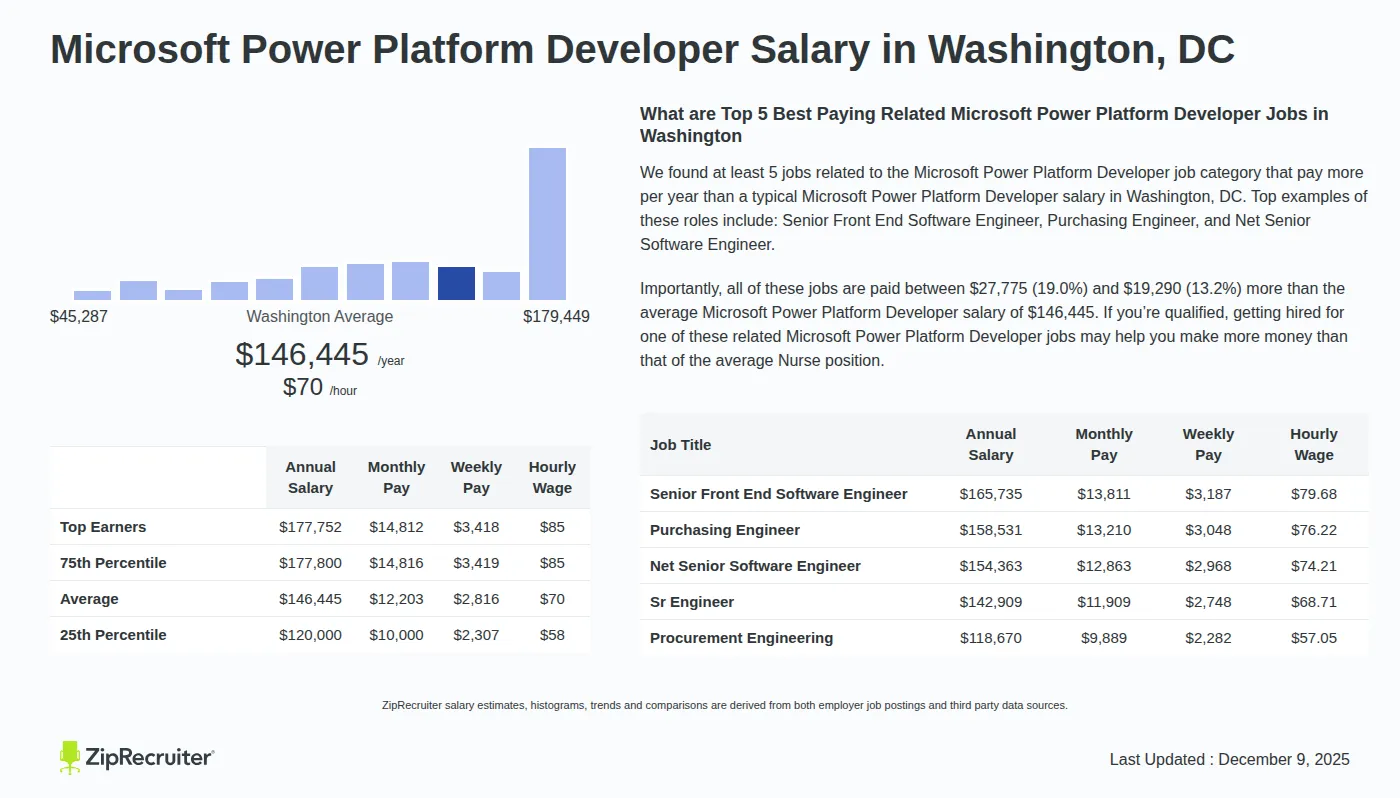
As of 2026, Washington State continues to lead the Pacific Northwest and the broader United States as a premier hub for high-compensation employment, driven by its robust technology sector, aerospace manufacturing, and an increasingly sophisticated renewable energy grid. This guide focuses specifically on Washington State (WA), analyzing the economic landscape, legal requirements for salary transparency, and sector-specific pay scales for the 2026 fiscal year.
The Washington labor market in 2026 is characterized by a high degree of transparency due to matured pay disclosure laws and a highly competitive talent war in the "Silicon Forest" corridor. For professionals and employers alike, understanding the nuances of the state's tiered minimum wage systems and the regional cost-of-living adjustments is critical for financial planning and talent acquisition.
The 2026 Minimum Wage and Statutory Pay Requirements
Washington maintains one of the highest minimum wages in the United States. Effective January 1, 2026, the Washington Department of Labor & Industries (L&I) has adjusted the state minimum wage based on the Consumer Price Index for Urban Wage Earners and Clerical Workers (CPI-W).
2026 Statutory Wage Standards
Statewide Minimum Wage The 2026 Washington State minimum wage is established at $17.28 per hour for employees aged 16 and older. This reflects a cost-of-living adjustment calculated from the previous year's inflationary data. Employers must ensure all hourly staff meet this threshold, regardless of industry, unless specific federal exemptions apply.
Seattle and SeaTac Local Ordinances Local jurisdictions continue to exercise their right to set higher floors. In Seattle, the 2026 minimum wage for large employers (501 or more employees) has climbed to $20.76 per hour. Small employers in Seattle who contribute to medical benefits or where employees earn tips must meet a combined compensation threshold of at least $19.95 per hour.
Overtime Exemptions for White-Collar Workers To be exempt from overtime pay in 2026, salaried employees must earn at least 2.5 times the state minimum wage. For 2026, this translates to a minimum salary of $89,856 per year for both small and large businesses, ensuring that lower-management and administrative roles are fairly compensated for extended hours.
High-Growth Sectors and Compensation Benchmarks for 2026
The Washington economy is no longer solely dependent on traditional "Big Tech." By 2026, the diversification into CleanTech and AI-integrated manufacturing has shifted the salary landscape.
Technology and Artificial Intelligence
Seattle, Bellevue, and Redmond remain the core of the global cloud and AI infrastructure. In 2026, "AI Literacy" is a standard requirement for all tech-adjacent roles, commanding a 15-22% premium over non-AI specialized roles. Software Development Engineers (SDE III) at Tier-1 companies (Amazon, Microsoft, Google) see total compensation packages ranging from $280,000 to $450,000, including Restricted Stock Units (RSUs).
Aerospace and Advanced Manufacturing
With the 2026 ramp-up of next-generation commercial aircraft and defense contracts in Everett and Renton, specialized aerospace engineers are seeing significant retention bonuses. Median salaries for senior aerospace systems engineers have stabilized at $168,000, reflecting the high demand for safety-critical systems expertise.
Healthcare and Life Sciences
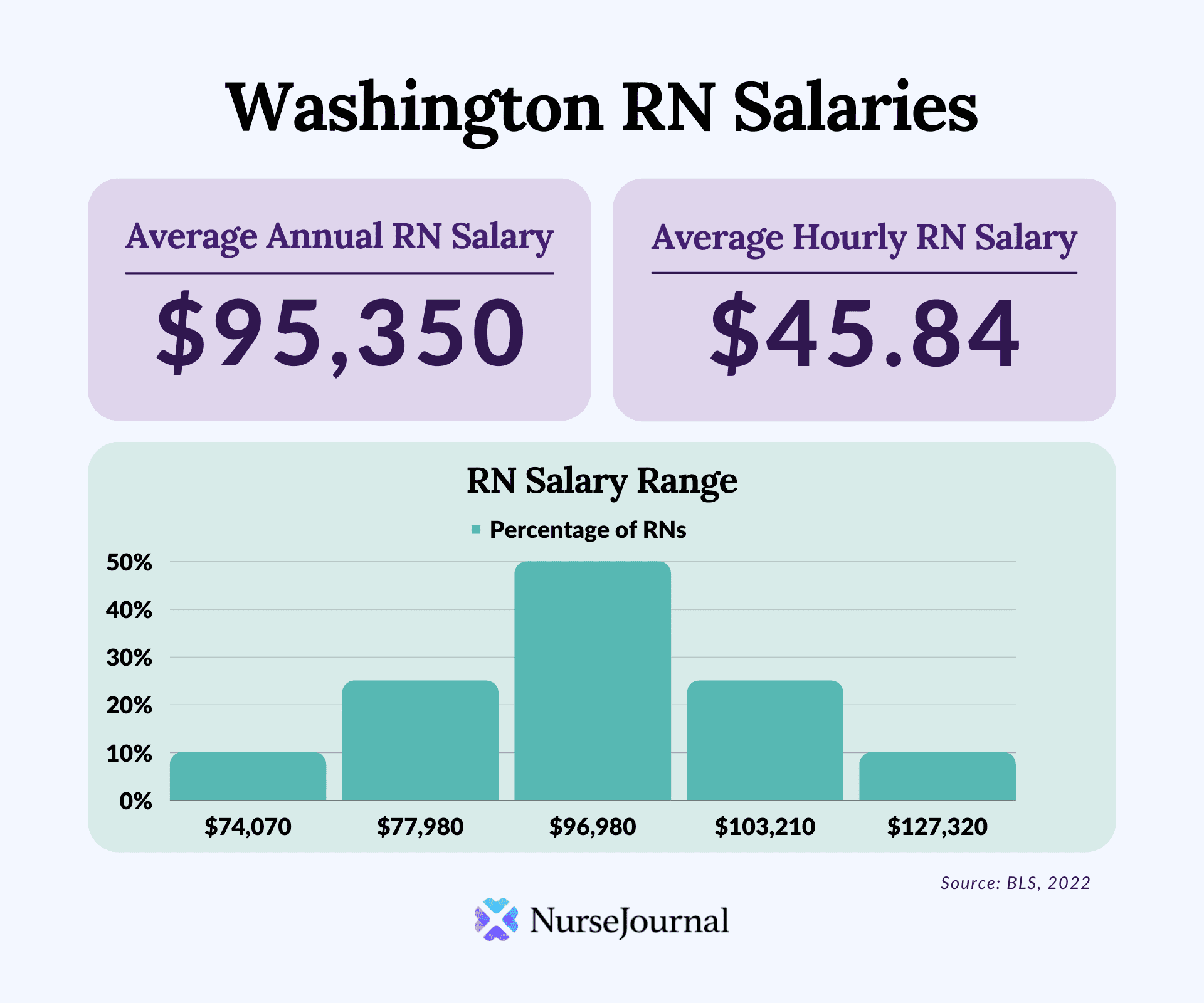
The healthcare sector in Washington, dominated by systems like UW Medicine, Providence, and MultiCare, faces a continued labor shortage in 2026. Registered Nurses (RNs) with specialized certifications in oncology or critical care now see starting base salaries in the King County area exceeding $115,000, excluding shift differentials.
Comparison of 2026 Salaries by Industry and Experience
The following table outlines the projected median annual salaries for key roles across Washington State in 2026. These figures represent base pay and do not include performance bonuses or equity grants, which are common in the private sector.
| Occupation Category | Entry-Level (0-2 Yrs) | Mid-Career (5-10 Yrs) | Senior/Principal (15+ Yrs) | 2026 Growth Trend |
|---|---|---|---|---|
| Cloud Solutions Architect | $135,000 | $185,000 | $245,000+ | Aggressive |
| Registered Nurse (BSN) | $88,000 | $112,000 | $145,000 | Steady |
| Aerospace Engineer | $92,000 | $138,000 | $175,000 | Moderate |
| Renewable Energy Project Mgr | $95,000 | $130,000 | $162,000 | High |
| Data Scientist (AI Focus) | $120,000 | $175,000 | $230,000+ | Aggressive |
| Civil Engineer | $82,000 | $115,000 | $155,000 | Stable |
| Cybersecurity Analyst | $105,000 | $155,000 | $195,000 | High |
| K-12 Educator (Public) | $64,000 | $88,000 | $110,000 | Stable/Legislated |
Regional Salary Variations: The East-West Divide
While the Greater Seattle Area (King, Pierce, and Snohomish counties) dictates the state's high-end salary averages, 2026 has seen a notable "decentralization" of wages.
- King County (Seattle/Bellevue): Still the highest-paying region. Salaries here are typically 25-35% higher than the national average, though this is largely offset by housing costs.
- Spokane and Eastern Washington: Salaries in Spokane have risen by 6.2% year-over-year into 2026, driven by an influx of remote tech workers and the expansion of logistics hubs. A Project Manager in Spokane can expect roughly 85% of the Seattle-equivalent salary, but with a significantly lower cost of living.
- The Tri-Cities (Kennewick/Pasco/Richland): Driven by the Hanford Site and Pacific Northwest National Laboratory (PNNL), this region maintains high salaries for scientific, nuclear, and engineering roles, often rivaling Seattle in specialized niches.
Washington Equal Pay and Opportunities Act: 2026 Compliance
Washington’s pay transparency laws (RCW 49.58.110) are fully integrated into the 2026 hiring culture. It is mandatory for every job posting—including those for remote roles that could be performed by a Washington resident—to include:
- Salary Ranges: A clear low-to-high expectation for the base salary or hourly wage.
- Benefits Overview: A general description of all benefits, including retirement plans, healthcare, and paid time off.
- Other Compensation: Clarity on bonuses, commissions, or equity.
Employers who fail to provide this information are subject to statutory damages and legal fees, a regulation that has successfully narrowed the gender pay gap in the state to its lowest point in history as of 2026.
Cost of Living vs. Net Take-Home Pay in 2026
A critical component of the "Salary Washington" search intent is the reality of take-home pay. Washington remains one of the few states with no personal state income tax in 2026. However, residents must account for other financial obligations:
- WA Cares Fund: A mandatory long-term care insurance premium of 0.58% of total wages (unless an exemption was secured).
- Paid Family and Medical Leave (PFML): A premium rate of 0.74% (shared between employer and employee).
- Sales Tax: High local sales taxes (reaching 10.25% in parts of Seattle) replace the revenue typically generated by income tax.
- Capital Gains Tax: For high-earners, the 7% tax on the sale of long-term capital assets (exceeding a $250,000 threshold) remains a factor for tech professionals with significant stock options.
Strategic Negotiation in the 2026 Market
For professionals looking to maximize their salary in Washington this year, the following expert strategies are recommended:
- Leverage the Transparency Law: Use the mandatory salary ranges in competing job posts to benchmark your current value. If your current employer is paying below the posted range for a similar role, you have a legally backed data point for negotiation.
- Focus on "Total Rewards": In 2026, base salary is only one part of the equation. Negotiate for "recharge days," home-office stipends for hybrid roles, or accelerated vesting schedules for RSUs.
- Credentialization: In healthcare and engineering, Washington-specific certifications (such as PE licenses or advanced nursing credentials) provide a quantifiable "step-up" in collective bargaining agreements and private contracts.
Frequently Asked Questions
What is the projected minimum wage for Washington in 2026?
The statewide minimum wage is $17.28 per hour. However, workers in Seattle and SeaTac should expect rates exceeding $20.00 per hour due to local cost-of-living adjustments.
Is there a state income tax in Washington for 2026?
No, Washington does not have a personal state income tax. Workers keep a higher percentage of their gross pay compared to neighboring Oregon or California, though they are subject to mandatory payroll deductions for long-term care (WA Cares) and Paid Family Leave.
Are employers required to show salary ranges in Washington job ads?
Yes, under the Equal Pay and Opportunities Act, any employer with 15 or more employees must disclose a valid salary range and a description of benefits in every job posting.
What is a "good" salary for a single person in Seattle in 2026?
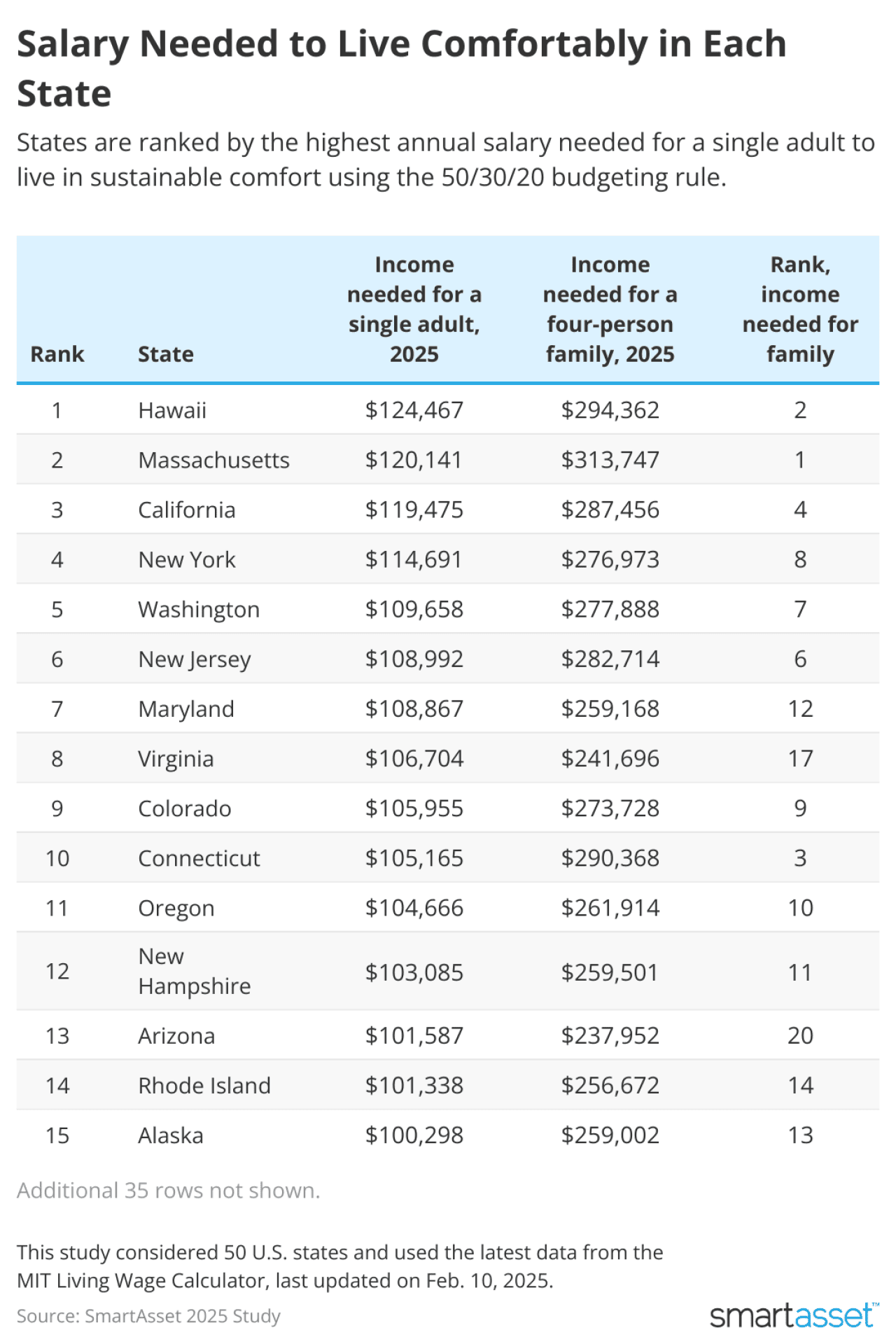
Given the high cost of housing, a salary of $95,000 to $110,000 is generally considered the threshold for a comfortable middle-class lifestyle in Seattle without significant financial strain, while $75,000 remains viable in the outlying suburbs or Eastern Washington.
How does the 2026 salary for remote workers in Washington work?
Most major employers now use "Geographic Pay Zones." If you live in Washington but work for a company based in a lower-cost state, you are often entitled to a "Washington Premium" to reflect the local market rates, and the company must comply with Washington's pay transparency and leave laws.
With its robust 2026 economic forecast and pro-worker legislative environment, Washington remains a top-tier destination for professionals seeking to maximize their lifetime earnings. Whether in the tech-heavy West or the industrial East, the "Salary Washington" landscape is one of transparency, high floors, and significant upward mobility.