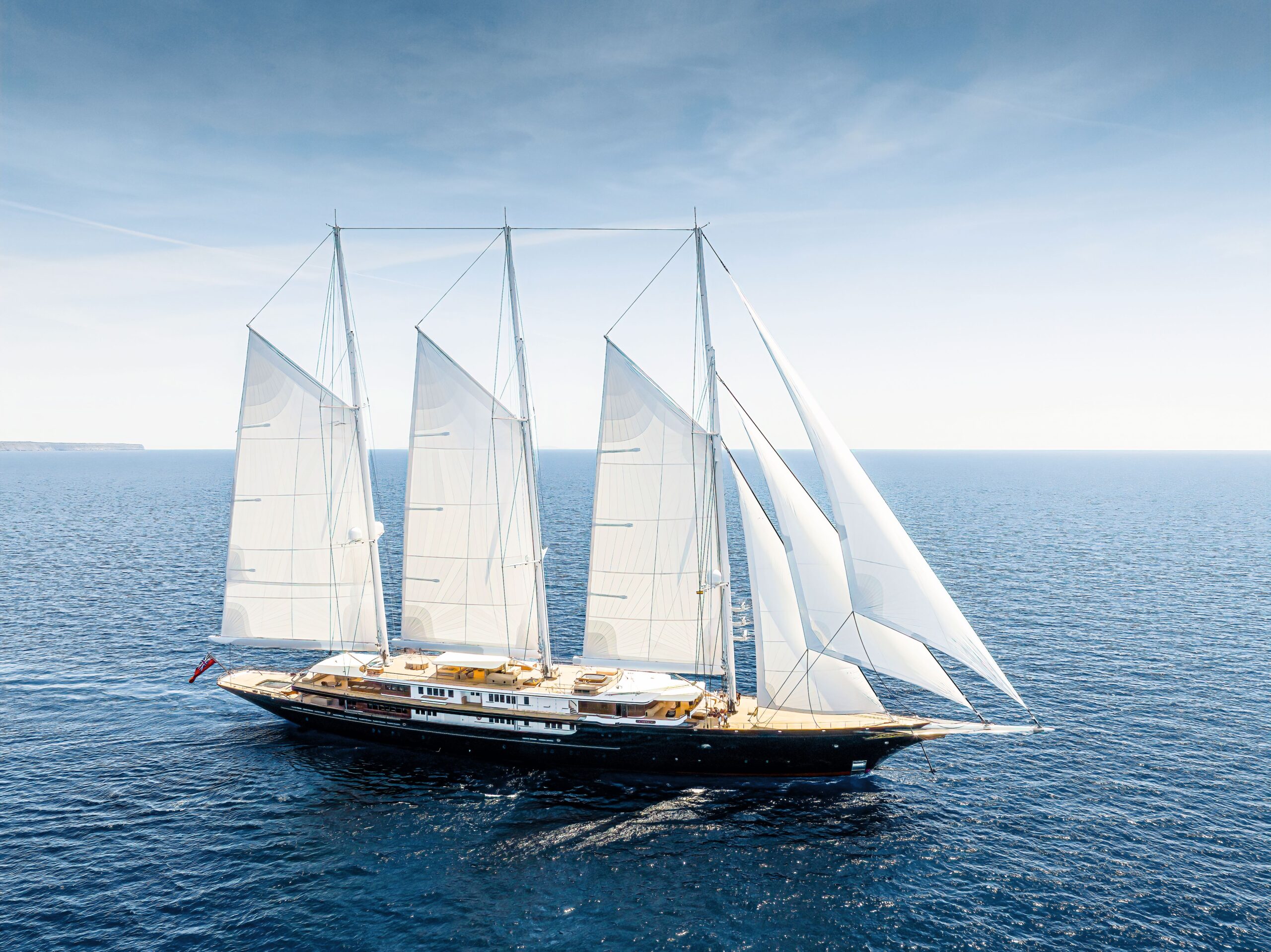
Sailing boats are wind-powered vessels designed for recreation, racing, or long-distance travel, utilizing sails and specialized hulls to convert air movement into forward motion. Selecting the ideal boat in 2026 involves balancing your specific use case—such as coastal day-sailing, competitive racing, or blue-water cruising—against factors like hull configuration, maintenance requirements, and the integration of modern sustainable technologies.
Primary Classifications of Sailing Boats
The diversity of sailing boats reflects the wide variety of environments in which they operate, from inland lakes to the open ocean. Understanding these classifications is the first step in determining which vessel aligns with your navigational goals.
Monohulls vs. Multihulls
The most fundamental distinction in sailing boat design is the number of hulls. Monohulls feature a single hull and typically rely on a heavy weighted keel to provide stability and prevent the boat from capsizing. They are known for their "heeling" (leaning) motion, which many traditionalists find essential to the sailing experience. Monohulls are generally more maneuverable in tight spaces and often more affordable to dock due to their narrower beam.
Multihulls, including catamarans (two hulls) and trimarans (three hulls), offer a vastly different experience. In 2026, catamarans dominate the charter and cruising markets because of their exceptional stability and expansive living space. Unlike monohulls, they do not heel significantly, making them more comfortable for passengers prone to seasickness. Furthermore, their shallow draft allows them to enter lagoons and coastal areas that are inaccessible to deep-keeled monohulls.
Dinghies, Keelboats, and Cruisers
Dinghies are small, open boats (usually under 20 feet) intended for day use. They are highly responsive and are the primary tools for learning the fundamentals of sail trim and weight distribution. Because they lack a weighted keel, they can capsize, requiring the crew to use their body weight to keep the boat upright.
Keelboats are larger vessels equipped with a fixed keel. This category ranges from small racing boats like the J/70 to massive luxury yachts. The keel provides the "righting moment" necessary to keep the boat stable in heavy winds. Within this category, Cruisers are specifically designed for overnight or long-term habitation, featuring cabins, galleys (kitchens), and heads (bathrooms). In 2026, modern cruisers are increasingly evaluated based on their "blue-water" capability—their ability to safely handle offshore conditions for extended periods.
The Anatomy and Mechanics of a Sailing Boat
To operate a sailing boat effectively, one must understand the interaction between the elements and the vessel's structural components. A sailing boat is essentially a machine that manages two fluids: air and water.
The Rigging and Sail Plan
The standing rigging consists of the fixed wires (shrouds and stays) that hold the mast upright. The running rigging includes the ropes (halyards and sheets) used to raise and adjust the sails. Most modern boats use a Sloop rig, consisting of a single mast with two sails: the mainsail and a headsail (often a jib or genoa).
The sails themselves act as vertical wings. When sailing upwind, the sail creates a pressure difference—lower pressure on the leeward side and higher pressure on the windward side—generating lift. This lift pulls the boat forward and sideways.
The Underwater Profile
The keel or centerboard is crucial for counteracting the sideways force of the wind (leeway). By providing a large surface area underwater, the keel allows the boat to move forward rather than simply drifting downwind. In high-performance 2026 designs, we see an increase in canting keels and hydrofoils, which reduce drag and allow boats to achieve speeds significantly higher than the actual wind speed.
Steering and Control
The rudder is the primary steering mechanism, controlled by a tiller or a steering wheel. Modern helm systems are often integrated with sophisticated autopilots and electronic navigation suites. In 2026, these systems have become highly energy-efficient, often powered by integrated solar arrays and hydro-generators that produce electricity as the boat moves through the water.
Selecting a Boat Based on Intent and Environment
Choosing a sailing boat is a process of elimination based on where you plan to sail and who will be with you. A boat designed for the Mediterranean might be entirely unsuitable for the North Sea or the rugged coast of the Pacific Northwest.
Coastal Day-Sailing
For those who plan to return to the dock every evening, simplicity is key. Small keelboats or large dinghies (18–25 feet) are ideal. These boats require minimal setup time and have lower maintenance costs. Key features to look for include a "self-tacking" jib, which makes single-handed sailing much easier by eliminating the need to manually move the sail during a tack.
Offshore and Blue-Water Cruising
If the goal is to cross oceans, the priorities shift toward structural integrity, tankage (fuel and water), and redundancy. Blue-water boats are often built with thicker laminates or materials like aluminum. They feature "cutter" rigs (three sails) to provide more options for reducing sail area in heavy weather. For 2026 buyers, the focus has shifted toward "all-electric" galleys and massive battery banks, reducing the reliance on fossil fuels during long passages.
Performance Racing
Racing boats prioritize weight reduction and sail area. These vessels often utilize carbon fiber masts and high-tech composite sails (such as 3Di or membrane sails) that hold their shape better than traditional Dacron. While these boats are incredibly fast, they require a skilled crew and frequent, expensive maintenance to remain competitive.
Cost Considerations and Ownership in 2026
The "true cost" of a sailing boat extends far beyond the initial purchase price. A common rule of thumb is to budget 10% of the boat’s value annually for maintenance, though this can vary based on the boat’s age and complexity.
| Boat Type | Typical Length (ft) | Approx. New Price (2026) | Annual Maintenance | Best For |
|---|---|---|---|---|
| Performance Dinghy | 12–16 | $10,000 – $25,000 | Low ($500+) | Learning & Racing |
| Coastal Day-Sailer | 20–28 | $60,000 – $150,000 | Moderate ($3,000+) | Weekends & Lakes |
| Family Cruiser | 34–45 | $350,000 – $750,000 | High ($15,000+) | Coastal Vacations |
| Blue-Water Catamaran | 40–55 | $800,000 – $2.5M | Very High ($30,000+) | Ocean Crossing/Living |
Depreciation and Resale
Fiberglass boats, if well-maintained, can last for decades. However, the electronics and sails have a much shorter lifespan (typically 5–10 years). When purchasing a used boat, it is imperative to hire a professional marine surveyor. A surveyor will check for structural issues like osmosis (blisters in the hull), rig fatigue, and engine health, which are not always visible to the untrained eye.
Mooring and Insurance
In 2026, marina slips have become increasingly scarce in popular sailing hubs. Before purchasing a boat, verify the availability of a berth or mooring. Insurance premiums are also a significant factor, especially for boats located in hurricane-prone zones or those intended for offshore use. Most insurers require a survey for boats over 10 years old and may require specific certifications from the skipper.
Material Innovation and Sustainability Trends
The sailing industry in 2026 is undergoing a major transition toward sustainability, driven by both regulation and consumer demand. This shift impacts how boats are built and how they are powered.
Sustainable Hull Materials
While Glass Reinforced Plastic (GRP/Fiberglass) remains the standard, new materials are gaining traction. Flax fiber and bio-resins are being used in high-end builds to create hulls that are more environmentally friendly to produce and easier to recycle at the end of their life. Additionally, "circular" boat building, which focuses on the ability to dismantle and reuse components, is a growing trend among European manufacturers.
The Rise of Electric Propulsion
The transition from diesel engines to electric motors is one of the most significant changes in 2026. Electric sail-drives offer near-silent operation and instant torque. When combined with regeneration (where the propeller spins while sailing to charge the batteries), many sailors find they rarely need to plug into shore power. However, for long-distance cruisers, a "hybrid" system with a small backup generator remains the most reliable option for handling periods of no wind and low sun.
Advanced Weather Routing
Digital integration has reached a point where sailing boats are more "connected" than ever. Starlink-style satellite internet is now standard on most cruising boats, allowing for real-time AI-driven weather routing. These systems analyze GRIB (weather) files to suggest the fastest or most comfortable route, significantly increasing safety for amateur sailors.
FAQs About Sailing Boats
Do I need a license to sail a boat?
Licensing requirements vary significantly by country and state. In many jurisdictions, no formal license is required for recreational sailing on private vessels, but most reputable charter companies and insurance providers will require proof of competency, such as an RYA Day Skipper or ASA 104 certification. Even where not legally mandated, formal training is highly recommended to understand right-of-way rules (COLREGs) and emergency procedures.
Is it possible to sail a large boat solo?
Yes, modern technology makes "short-handed" or solo sailing possible even on boats up to 50 feet. Features like electric winches, bow thrusters, and sophisticated autopilots allow a single person to manage the loads and maneuvers that previously required a full crew. However, solo sailing increases the risks related to fatigue and man-overboard situations, requiring strict adherence to safety protocols like wearing a tether at all times.
What is the difference between a fixed keel and a swing keel?
A fixed keel is a permanent, immovable part of the hull that provides maximum stability and upwind performance but limits the boat to deeper waters. A swing keel (or lifting keel) can be retracted into the hull. This allows the boat to enter shallow harbors or be transported on a trailer. The trade-off is a more complex mechanical system that requires regular maintenance and a slight reduction in overall stability.
How long do sails last?
The lifespan of a sail depends on the material and how much it is exposed to UV light and high winds. Standard Dacron sails used for casual cruising typically last 3,500 to 5,000 hours of sailing, which for the average owner equates to 7–10 years. High-performance laminate sails may lose their "racing shape" in as little as 2–3 years, even if they remain structurally intact.
Can a sailing boat tip over and sink?
Most modern keelboats are designed to be "self-righting." If a strong gust of wind or a wave knocks the boat over, the weight of the keel acts like a pendulum to pull the boat back upright. While it is extremely rare for a ballasted keelboat to capsize completely and stay down, catamarans can capsize if pushed beyond their limits and will generally stay upside down. Sinking is usually the result of a hull breach or a failed through-hull fitting, not the wind itself.
Practical Steps Toward Boat Ownership
If you are considering entering the world of sailing in 2026, the most effective path is to "try before you buy." Start by joining a local sailing club or enrolling in a certified sailing school. This provides hands-on experience with different boat types without the financial commitment of ownership.
Once you have identified a preferred boat type, consider a "fractional ownership" or boat-sharing program. These arrangements allow you to split the costs of maintenance, insurance, and mooring with other sailors while still having guaranteed access to the vessel. If you decide to move forward with a private purchase, always prioritize the rigging and structural integrity over cosmetic upgrades. A boat with old sails and a questionable mast is a liability, regardless of how new the interior cushions look. Engaging a qualified marine surveyor and a specialized yacht broker will help ensure that your investment provides years of safe and enjoyable time on the water.