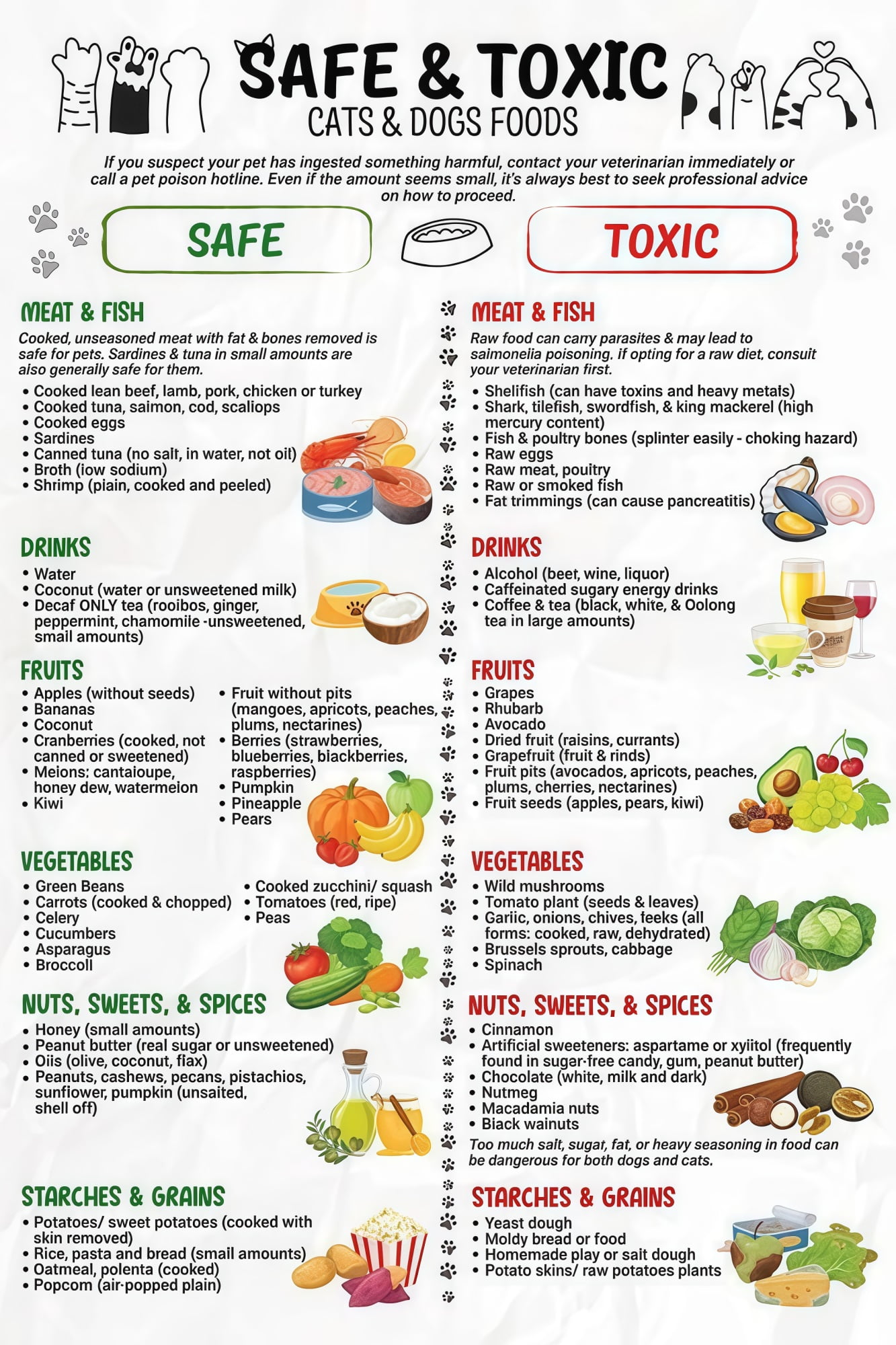
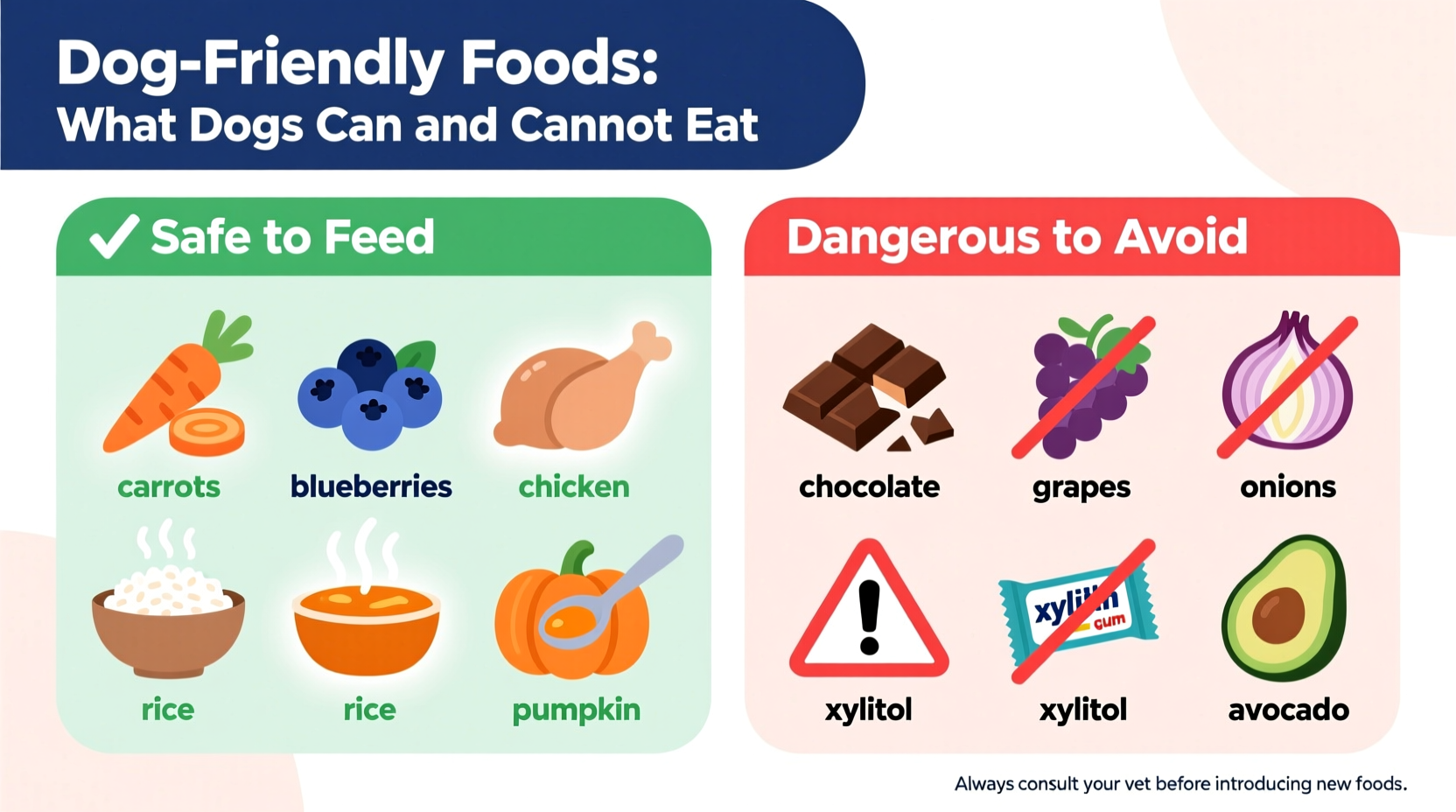
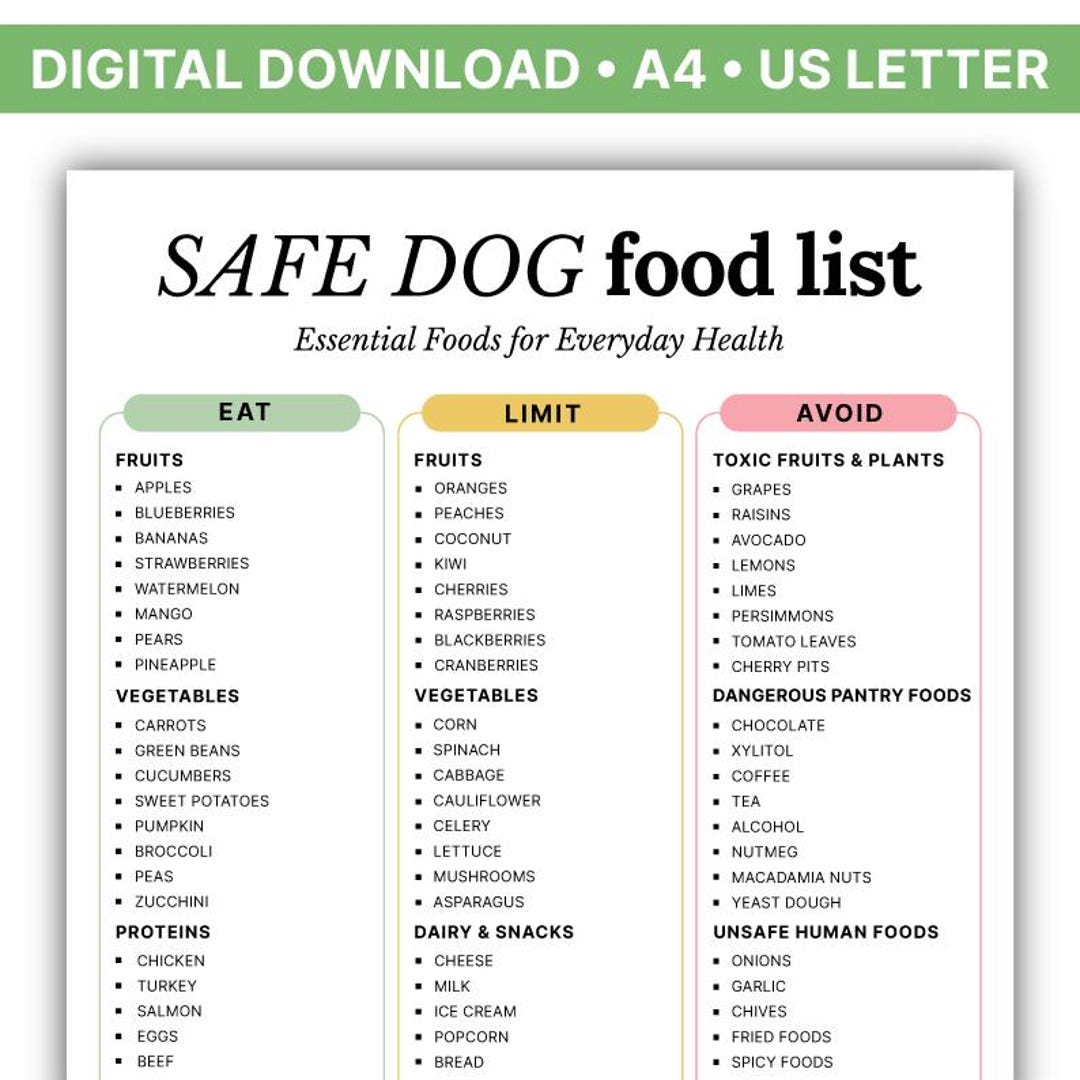
Feeding dogs human food requires knowing which ingredients support canine health and which cause severe toxicity. Dogs can safely enjoy lean meats, plain cooked vegetables like carrots and green beans, and select fruits like blueberries and seedless apples. However, toxic items—including chocolate, grapes, raisins, onions, garlic, xylitol, and macadamia nuts—must be strictly avoided to prevent organ failure, severe metabolic distress, or fatal complications.
Medical Disclaimer: This guide is intended for informational and educational purposes only and does not constitute veterinary medical advice. Nutritional needs vary based on a dog's age, weight, breed, and underlying health conditions. Always consult a licensed veterinarian before introducing new foods to your dog's diet, and contact an emergency veterinary provider immediately if you suspect toxic ingestion.
Essential Rules for Feeding Human Foods to Dogs
While dogs are taxonomically classified as carnivores, their evolutionary history alongside humans has adapted them as facultative carnivores or omnivores capable of digesting carbohydrates, proteins, and fats from varied sources. However, a dog's gastrointestinal system and metabolic pathways differ fundamentally from human biology. Compounds that human livers easily process can trigger rapid hepatic necrosis, acute renal failure, or life-threatening systemic toxicity in dogs.
To safely supplement a dog's diet with fresh human food, dog owners should follow established dietary standards:
- The 10% Treat Rule: Fresh human foods, treats, and dietary toppers combined should never account for more than 10% of a dog's daily caloric intake. The remaining 90% must originate from a balanced, complete commercial dog food formulated to meet standards set by the Association of American Feed Control Officials (AAFCO) or a diet formulated by a board-certified veterinary nutritionist.
- Plain Preparation Only: Human foods prepared for dogs must be completely free of added sodium, oils, butter, sugar, artificial sweeteners, and spices. Common kitchen ingredients like onion powder, garlic powder, black pepper, and excessive salt can cause metabolic disorders or digestive distress.
- Gradual Introduction: Introduce any safe food in small, single-ingredient quantities over 48 hours. This enables owners to monitor for adverse reactions, such as acute vomiting, loose stools, soft food intolerances, or cutaneous allergic reactions.
- Proper Portion Sizing and Choking Hazards: Raw, hard vegetables and pitted fruits must be chopped into bite-sized, digestible pieces proportional to the dog's physical size. Always remove core structures, seeds, pits, and tough outer rinds before serving.
Safe and Beneficial Human Foods for Dogs
When prepared correctly, several categories of human foods offer valuable vitamins, minerals, dietary fiber, and lean protein to supplement a standard canine diet.
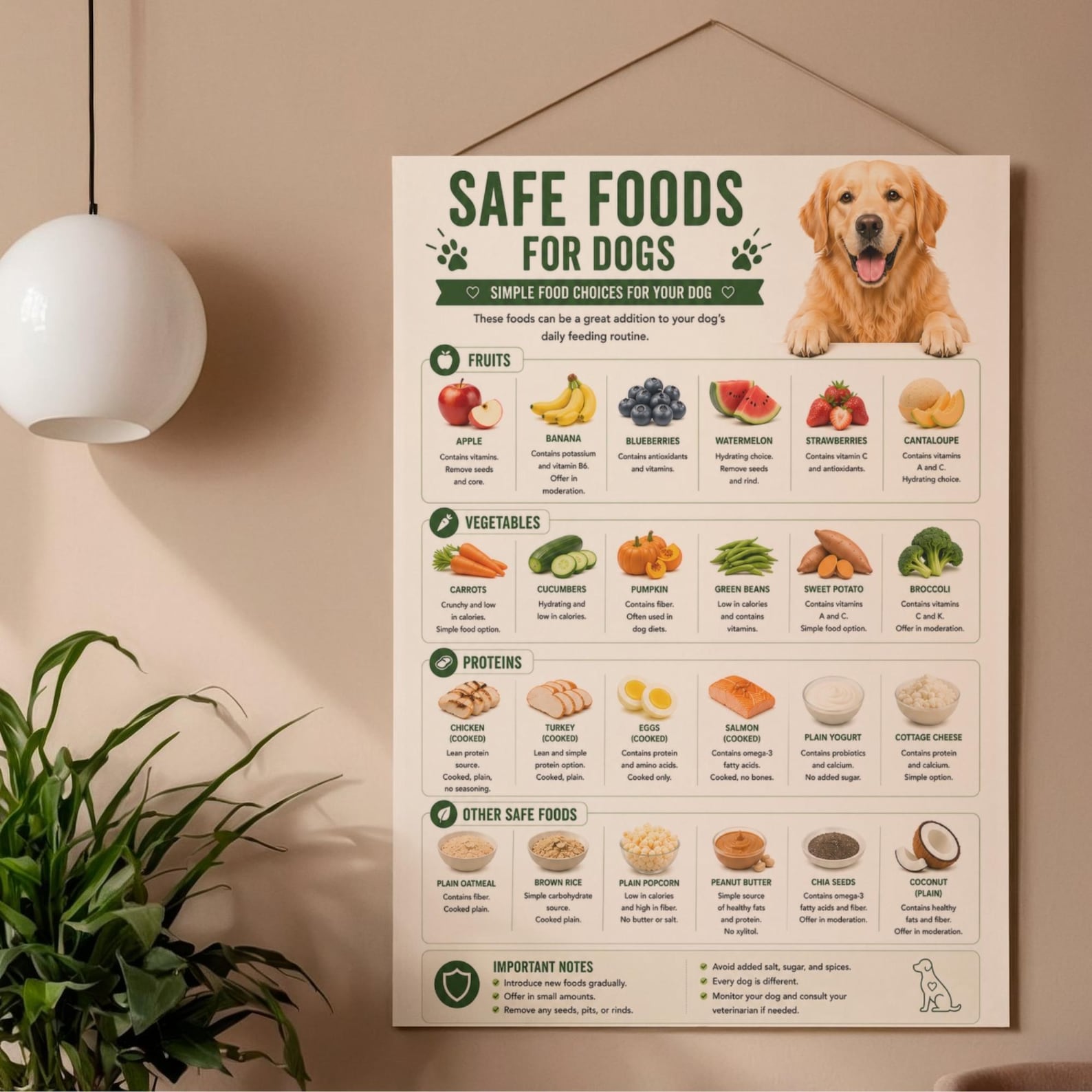
Safe fresh food categories for canine dietary supplementation:
- Lean Proteins
- Chicken Breast
- Turkey (plain)
- Salmon (cooked)
- Plain Eggs
- Vegetables
- Carrots (raw/cooked)
- Green Beans
- Pumpkin (canned/pure)
- Sweet Potatoes (cooked)
- Fruits
- Blueberries
- Apples (no seeds)
- Watermelon
- Bananas (sparing)
- Grains
- Brown Rice
- Plain Oatmeal
- Cooked Quinoa
Healthy Proteins
Lean, well-cooked proteins provide essential amino acids that support muscle maintenance, immune function, and coat health.
- Plain Cooked Chicken and Turkey: Boneless, skinless poultry boiled or baked without seasoning offers an easily digestible source of lean protein. It is frequently recommended by veterinarians as part of a bland diet for dogs recovering from mild upset stomachs.
- Cooked Fish (Salmon, Whitefish, Sardines): Rich in omega-3 fatty acids (EPA and DHA), cooked fish promotes joint health, reduces systemic inflammation, and improves skin and coat condition. Fish must be fully cooked and completely deboned. Raw salmon must never be fed due to the risk of Nanophyetus salmincola parasite infection, which causes salmon poisoning disease.
- Plain Eggs: Scrambled or hard-boiled eggs without salt or butter supply highly bioavailable protein, riboflavin, and selenium. Raw egg whites should be avoided long-term because raw avidin binds biotin (vitamin B7), potentially leading to nutritional deficiencies.
Nutritious Vegetables
Vegetables deliver low-calorie fiber, antioxidants, and micronutrients that aid digestion and promote satiety.
- Carrots: Low in calories and high in soluble fiber and beta-carotene (vitamin A precursor), carrots make excellent treats. Serving raw, cold carrot sticks helps clean teeth mechanically, while cooked carrots are gentler on sensitive gastrointestinal tracts.
- Green Beans: Packed with iron, calcium, and vitamins K and C, plain green beans are a staple recommendation for weight-management protocols in overweight dogs.
- Pure Plain Pumpkin: Canned pureed pumpkin (distinct from spiced pumpkin pie filling) is an exceptional source of soluble and insoluble fiber. It helps regulate intestinal motility, serving as a safe remedy for both mild constipation and loose stools.
- Sweet Potatoes: Fully cooked, plain sweet potatoes supply dietary fiber, vitamin B6, vitamin C, and manganese. Raw sweet potatoes should never be fed, as they are difficult to digest and can create intestinal blockages.
Safe Fruits
Fruits offer hydration and antioxidants, but due to their natural fructose content, they should be offered in strict moderation.
- Blueberries: Rich in anthocyanins, vitamin C, and fiber, blueberries are ideal low-calorie training treats that support cognitive health and combat oxidative stress.
- Apples: Sliced apples provide crisp texture, vitamin A, and pectin fiber. Stem, core, and seeds must be completely removed, as apple seeds contain cyanogenic glycosides (cyanide-releasing compounds).
- Watermelon: Composed of over 90% water, seedless watermelon cubes (with rind removed) offer hydration during warm weather along with vitamins A, B6, and C.
- Bananas: Bananas contain potassium, magnesium, and vitamins, but their elevated sugar content means they should be reserved as an occasional treat.
Toxic Foods Dogs Must Never Eat
Certain human foods contain biochemical agents that dogs cannot metabolize. Ingestion of these substances can cause organ failure, permanent tissue damage, or death.
Critical Canine Toxicities:
- Hepatic / Endocrine
- Xylitol (Birch Sugar)
- Alcohol
- Renal Toxicity
- Grapes & Raisins
- Tartaric Acid compounds
- Cardiovascular / Neuro
- Chocolate & Caffeine
- Macadamia Nuts
- Alliums (Garlic/Onions)
Xylitol (Birch Sugar)
Xylitol is a sugar alcohol commonly used in sugar-free chewing gum, peanut butter, baked goods, toothpaste, and specialty dietary foods. In humans, xylitol does not stimulate pancreatic insulin release. In dogs, however, xylitol is rapidly absorbed into the bloodstream, prompting a severe, dose-dependent surge of insulin.
This causes profound hypoglycemia (dangerously low blood sugar) within 30 to 60 minutes, leading to weakness, ataxia (loss of coordination), seizures, and collapse. At higher doses, xylitol causes acute hepatic necrosis (liver failure), which can develop within 12 to 24 hours post-ingestion.
Grapes, Raisins, Zante Currants, and Sultanas
All forms of grapes and their dried counterparts are extremely toxic to dogs. Research highlights tartaric acid and its potassium salt (bitartrate) as the primary toxic components responsible for grape toxicity in canines.
Ingestion leads to acute kidney injury (AKI). Symptoms include initial vomiting and diarrhea followed by lethargy, polydipsia (excessive thirst), oliguria (reduced urine output), and eventually anuria (complete shutdown of kidney function). Toxicity is not strictly dose-dependent; even small quantities can prove fatal to large dogs.
Chocolate, Coffee, and Caffeine
Chocolate products derived from Theobroma cacao seeds contain methylxanthine compounds—specifically theobromine and caffeine. Dogs process methylxanthines very slowly compared to humans.
The concentration of theobromine varies by chocolate type:
- Unsweetened Baking Chocolate & Cocoa Powder: Extremely high concentration; highly toxic.
- Dark Chocolate: High concentration; dangerous in small amounts.
- Milk Chocolate: Moderate concentration; dangerous in larger amounts.
- White Chocolate: Minimal methylxanthine content, but high fat poses a pancreatitis risk.
Methylxanthine toxicity leads to widespread central nervous system stimulation, excessive vasoconstriction, and elevated heart rate. Clinical signs include restlessness, hyperthermia, muscle tremors, cardiac arrhythmias, seizures, and cardiovascular collapse.
Alliums (Onions, Garlic, Chives, Leeks, Shallots)
All members of the Allium family contain organosulfur compounds (such as n-propyl disulfide) that induce oxidative damage to canine red blood cells. This oxidation results in the formation of Heinz bodies within the erythrocytes, rendering the cells fragile and causing them to rupture prematurely (hemolytic anemia).
All preparations—raw, cooked, dehydrated, and concentrated powders—are hazardous. Garlic is approximately five times more potent than onions. Symptoms of Allium toxicosis often manifest several days after ingestion and include pale gums, lethargy, elevated heart rate, dark red or brown urine (hemoglobinuria), and weakness.
Macadamia Nuts
Macadamia nuts contain an unidentified toxin that affects the canine musculoskeletal and nervous systems. Ingesting as little as 2.4 grams of macadamia nuts per kilogram of body weight can induce clinical signs. Affected dogs typically develop hind limb weakness, depression, vomiting, muscle tremors, hyperthermia, and an inability to walk within 12 hours of exposure.
Alcohol and Raw Yeast Dough
Ethanol toxicity occurs when dogs consume alcoholic beverages, alcohol-infused foods, or raw yeast dough. When a dog ingests raw yeast dough, the warm, moist environment of the stomach causes the yeast to ferment rapidly, producing carbon dioxide gas and ethanol. The expanding gas leads to severe gastric distension and potential Gastric Dilatation-Volvulus (GDV or bloat), while absorbed ethanol causes acute metabolic acidosis, central nervous system depression, respiratory depression, hypothermia, and coma.
Foods Requiring Extreme Caution and Strict Controls
Some human foods are not strictly poisonous but present substantial health risks if prepared improperly or fed indiscriminately.
Dairy Products
While small amounts of plain milk, plain Greek yogurt, or low-fat cottage cheese are tolerated by some dogs, many adult dogs experience lactase deficiency. Ingesting dairy can lead to osmotic diarrhea, abdominal cramping, flatulence, and vomiting. Additionally, high-fat cheeses present a risk factor for acute pancreatitis.
Cooked Bones
Raw bones carry pathogenic bacterial risks (such as Salmonella and E. coli), but cooked bones present severe physical hazards. Cooking alters the collagen structure of animal bones, rendering them brittle. Cooked chicken, turkey, beef, or pork bones easily splinter under a dog's jaw pressure, leading to esophageal lacerations, stomach perforation, intestinal blockages, or severe rectal bleeding.
High-Fat Meats and Table Trimmings
Feeding fat trimmings, bacon, sausages, or heavily marbled meats introduces high concentrations of saturated lipids into the duodenum. This triggers an overproduction of digestive enzymes from the pancreas, potentially causing acute pancreatitis—a painful, severe inflammatory condition characterized by persistent vomiting, abdominal pain ("prayer position" stretching), lethargy, and dehydration.
Safe vs. Hazardous Dog Foods Reference Guide
The following master reference summarizes common human foods, their safety status, primary biological impacts, and mandatory preparation parameters:
| Food Item | Safety Category | Primary Health Impact / Risk | Safe Serving Guidelines |
|---|---|---|---|
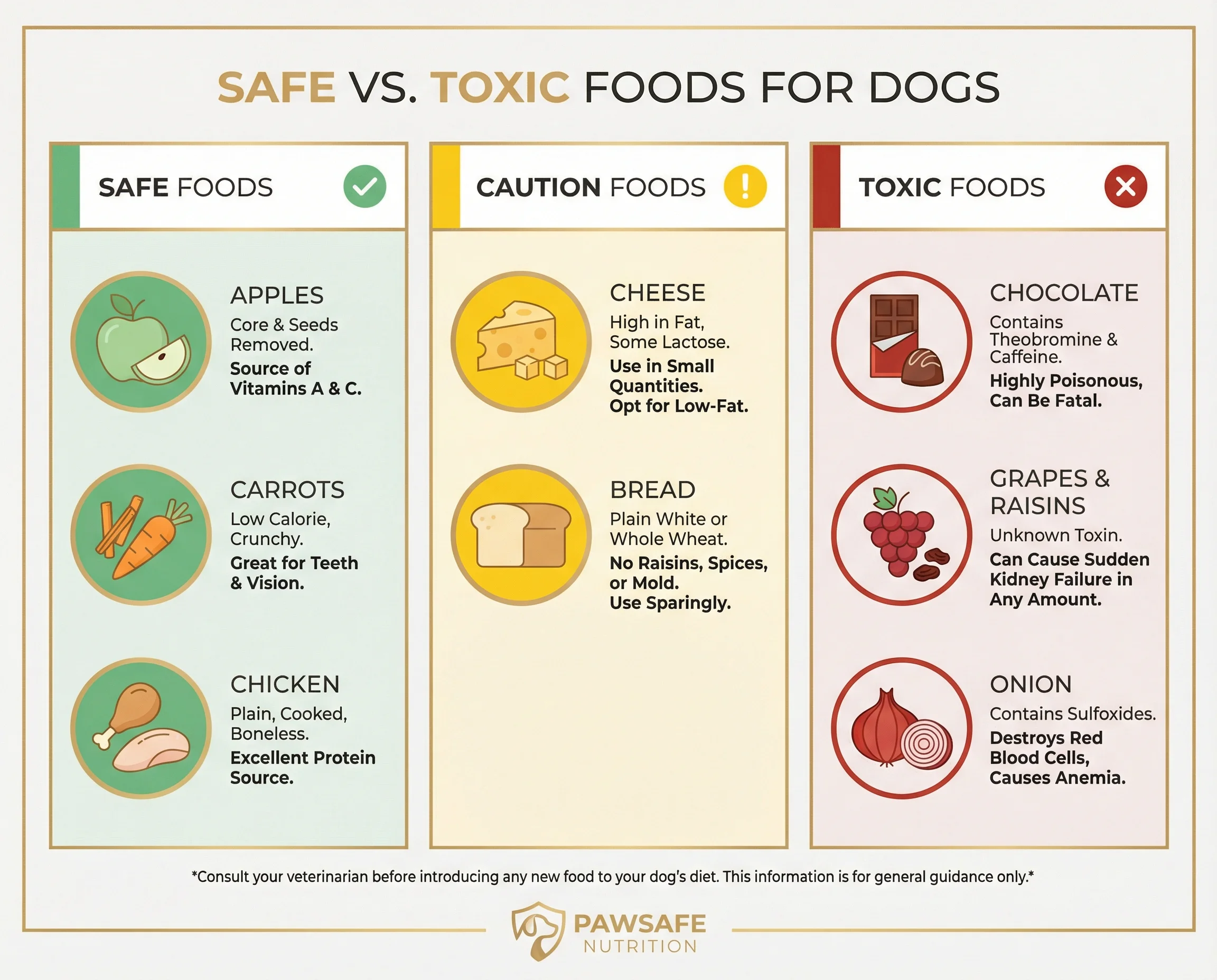
| Apples | Safe | Delivers fiber, Vitamin A & C; seeds contain cyanogenic glycosides | Remove core, stem, and all seeds completely; slice into pieces |
| Blueberries | Safe | Antioxidants, vitamin C, low-calorie treat | Wash thoroughly; serve fresh or frozen in small portions |
| Carrots | Safe | Low-calorie, beta-carotene, supports mechanical dental scraping | Cut into bite-sized coins or serve whole under supervision |
| Plain Chicken | Safe | High-quality lean protein for muscle maintenance | Fully cooked, completely unseasoned, skinless, and boneless |
| Green Beans | Safe | Fiber, vitamins K & C; low calorie for weight management | Serve plain, steamed or raw, cut into manageable pieces |
| Pure Pumpkin | Safe | Soluble fiber aids both constipation and diarrhea | 100% plain canned pumpkin puree only; avoid pie mixes |
| Cheese | Caution | Potential lactose intolerance; high saturated fat content | Small, low-fat training treats only (e.g., low-fat mozzarella) |
| Cooked Bones | Hazardous | High risk of bone splintering, internal perforation, blockage | Do not feed. Use safe, vet-approved chew alternatives |
| Raw Yeast Dough | Toxic | Causes gastric bloat (GDV) and acute ethanol poisoning | Do not feed. Seek immediate veterinary treatment if ingested |
| Chocolate | Toxic | Methylxanthine toxicity: arrhythmias, seizures, hyperthermia | Do not feed. Risk increases with cocoa concentration |
| Grapes / Raisins | Toxic | Tartaric acid causes acute renal failure and kidney damage | Do not feed. Any accidental ingestion requires immediate emergency care |
| Onions / Garlic | Toxic | Organosulfur compounds cause Heinz body hemolytic anemia | Do not feed. Check all cooked foods for onion/garlic powder |
| Xylitol | Toxic | Rapid insulin surge causes severe hypoglycemia & liver failure | Do not feed. Inspect peanut butter and sugar-free products |
Emergency Response Protocol for Accidental Toxicity Ingestion
If you suspect or confirm that your dog has consumed a toxic food item, quick action is critical to preventing absorption and managing systemic damage.
Accidental Toxicity Ingestion Protocol:
- STEP 1: Secure the Scene & Identify Toxin
- Remove remaining food; save packaging/labels.
- STEP 2: Collect Patient Information
- Estimate weight, amount ingested, and precise time.
- STEP 3: Contact Professional Emergency Care
- Call local ER Vet or specialized Poison Control line.
- DO NOT induce vomiting unless explicitly directed.
1. Identify and Secure the Toxin
Immediately move your dog away from the area to prevent further ingestion. Collect any remaining fragments, packaging, ingredients lists, or box labels. This information helps veterinary staff determine the exact toxic chemical, calculate dosage per body weight, and select targeted therapeutic interventions.
2. Gather Patient Data
Note key details before making your call:
- Your dog's current weight.
- The estimated time elapsed since ingestion.
- The exact amount consumed (e.g., ounces of dark chocolate, number of grapes).
- Observed symptoms (such as hypersalivation, panting, unsteadiness, or vomiting).
3. Contact Emergency Resources
Immediately contact your local primary veterinarian or nearest emergency veterinary hospital. If local facilities are unavailable, consult specialized animal poison control hotlines:
- ASPCA Animal Poison Control Center (APCC): (888) 426-4435
- Pet Poison Helpline: (855) 764-7661
Note: Consultation fees may apply for specialized pet poison control hotline assistance.
4. Do Not Induce Vomiting Without Direct Instructions
Never attempt to induce vomiting at home using hydrogen peroxide or salt unless explicitly directed to do so by a licensed veterinary professional. Inducing vomiting inappropriately can cause severe aspiration pneumonia, chemical esophagitis, or digestive complications—especially if corrosive chemicals, sharp items, or high-viscosity foods were involved.
Frequently Asked Questions
Can dogs safely eat plain peanut butter?
Yes, plain peanut butter is generally safe for dogs and serves as an effective tool for hiding medications or filling enrichment toys. However, you must carefully read the ingredient label to ensure it contains no xylitol (birch sugar), which is highly toxic to dogs. Additionally, because peanut butter is calorie-dense and high in fat, it should be offered only in small, controlled portions to prevent weight gain and reduce the risk of pancreatitis.
What should I do if my dog eats a single grape or raisin?
You should treat any ingestion of grapes or raisins as a medical emergency and contact a veterinarian or pet poison control hotline immediately. Because canine toxicity to tartaric acid in grapes varies unpredictably by individual dog and batch, there is no established safe minimum dose. Early intervention—such as veterinary-supervised emesis (induced vomiting) and administration of activated charcoal within 1–2 hours of ingestion—is key to preventing acute renal failure.
Are raw bones safer for dogs than cooked bones?
While raw bones do not splinter as easily as cooked bones, they still carry notable health risks. Raw bones can fracture canine teeth, cause choking, or create intestinal blockages if swallowed in large pieces. They also carry a high risk of bacterial contamination from Salmonella, Listeria, or E. coli, which can harm both the dog and human family members. If you choose to offer raw bones, consult your veterinarian regarding appropriate sizing and strict sanitation protocols.
Why is avocado listed as questionable or risky for dogs?
Avocado contains a fungicidal toxin called persin, which is concentrated in the fruit's pit, skin, and leaves. While persin is primarily dangerous to birds and livestock, large amounts can cause mild stomach upset in dogs. The primary hazard for dogs, however, is the large avocado pit, which poses a severe choking hazard and intestinal obstruction risk, combined with the high fat content of the flesh, which can trigger pancreatitis.
Building a Safe Fresh Food Routine for Your Dog
Integrating fresh, safe human foods into your dog's lifestyle can provide valuable mental enrichment, dietary variation, and supplemental nutrition without compromising their underlying health. To establish a safe fresh food routine:
- Prioritize Balanced Base Nutrition: Ensure your dog's core diet consists of an AAFCO-compliant, complete commercial pet food suited for their specific life stage (puppy, adult, senior) or a custom formula designed by a board-certified veterinary nutritionist.
- Audit Your Pantry and Household: Inspect all peanut butters, baked products, gums, and toothpastes in your home for hidden xylitol (birch sugar). Educate family members and guests about the severe hazards of feeding table scraps, especially dishes containing onions, garlic, or dark meats.
- Prepare Foods Correctly: Prepare all safe fresh treats—such as apples, carrots, green beans, and lean meats—without added oils, seasonings, salt, or sauces. Chop raw vegetables and fruits into manageable sizes proportional to your dog's jaw and digestive tract.
- Log and Observe: When introducing a new safe food, offer a tiny piece and monitor your dog's digestion over 48 hours. If loose stools, gas, or itchy skin develop, discontinue that food item. Always maintain easy access to your local emergency vet clinic's contact details and poison hotline numbers for peace of mind.