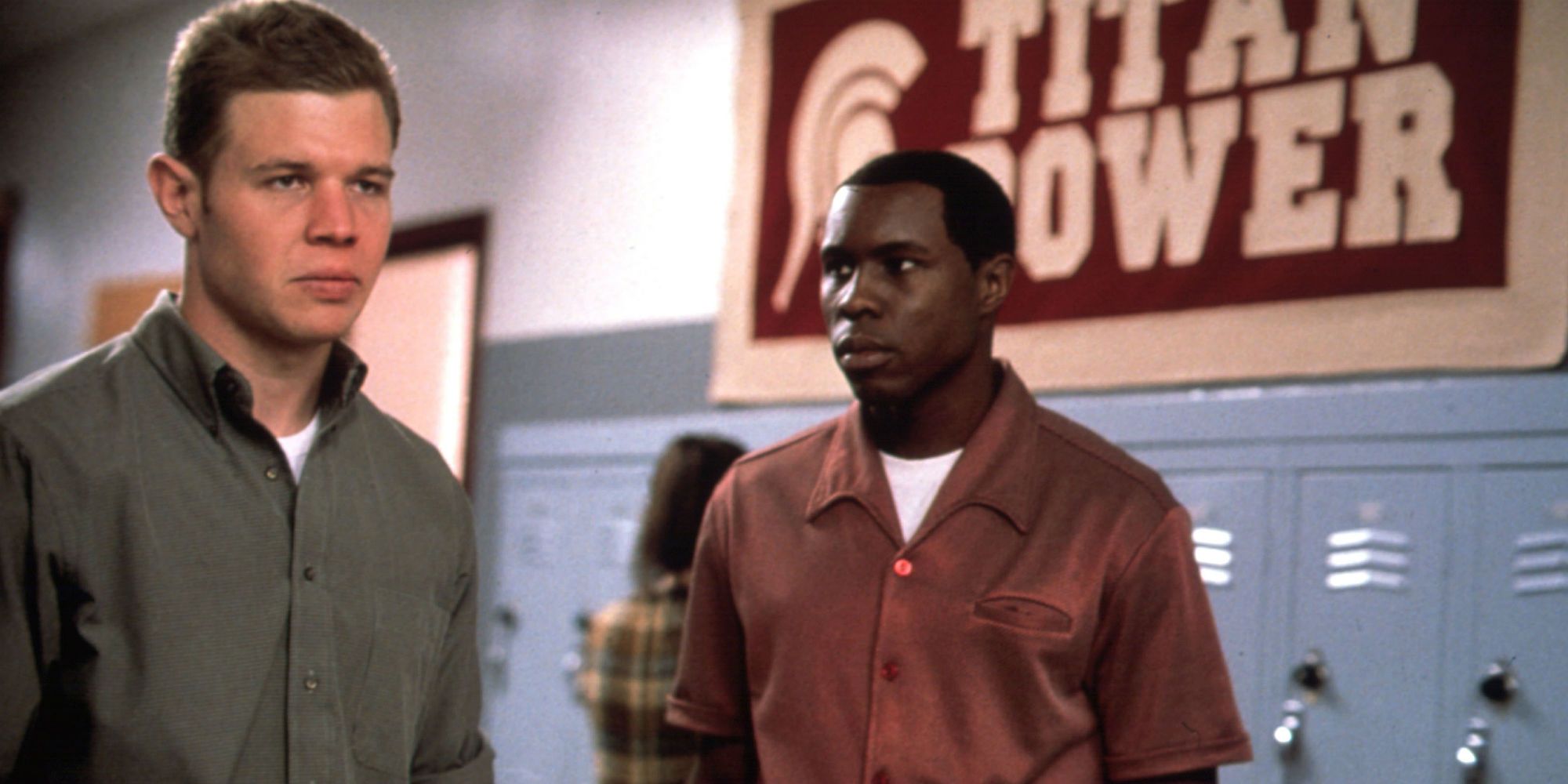
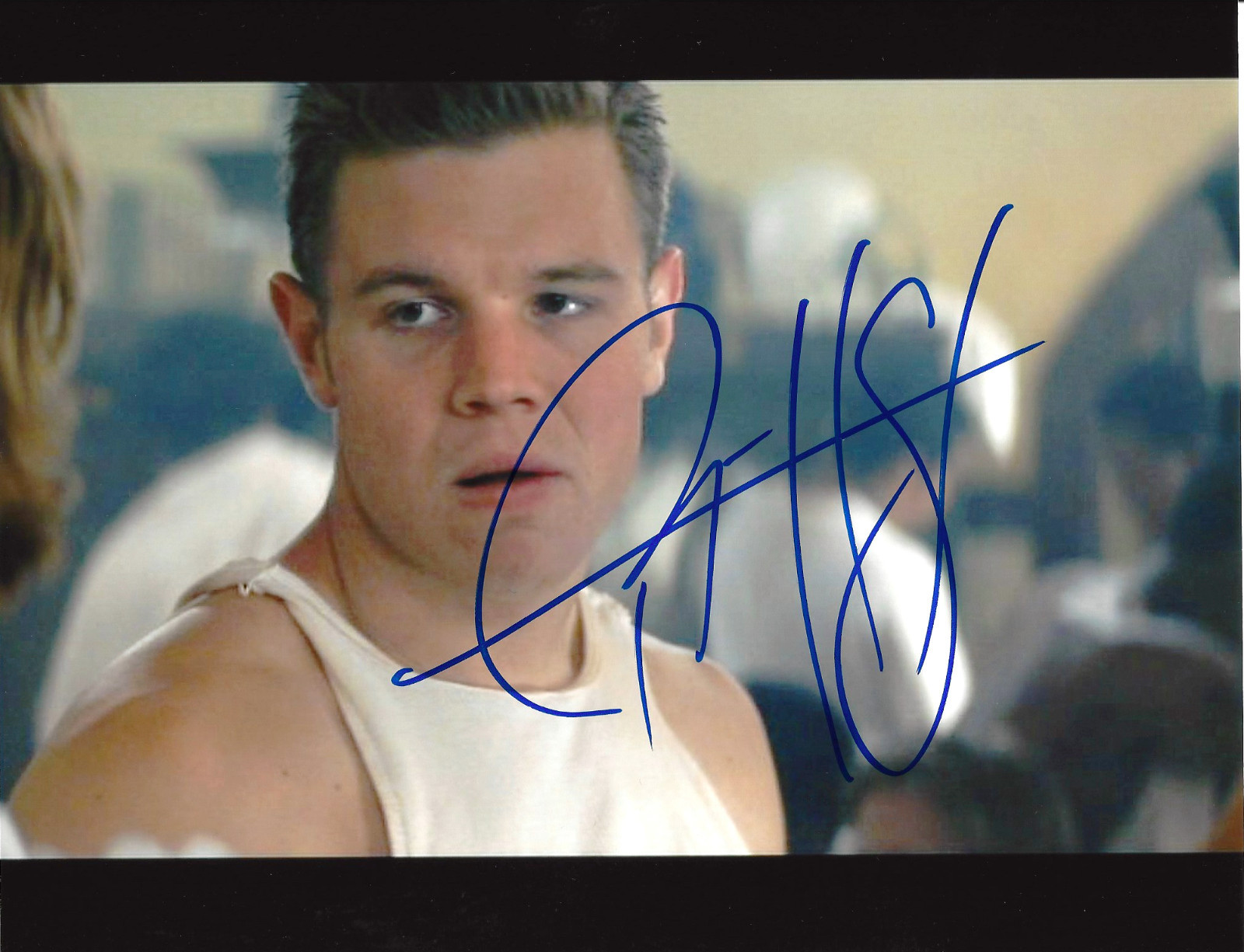
Ryan Hurst’s portrayal of Gerry Bertier in the 2000 film Remember the Titans serves as the emotional and moral backbone of the movie. His performance as the All-American linebacker who overcomes deep-seated prejudice and personal tragedy defined his early career and remains a benchmark for sports dramas, influencing his subsequent roles in Sons of Anarchy and The Walking Dead.
As of 2026, Remember the Titans continues to be a staple of American culture, frequently cited in leadership seminars and educational curricula for its exploration of racial integration and personal accountability. Ryan Hurst’s contribution to the film was not merely a supporting performance; it was a transformative depiction of growth that resonated with audiences worldwide. To understand Hurst’s legacy, one must look at the technical execution of the Bertier role, the historical context of the real-life figures involved, and how that specific performance paved the way for his evolution into one of television’s most respected character actors.
The Definitive Performance: Gerry Bertier and the Moral Arc
In Remember the Titans, Hurst plays Gerry Bertier, the captain of the T.C. Williams High School football team. The film, set in 1971 Alexandria, Virginia, chronicles the forced integration of the school’s football program. Hurst’s character begins as a symbol of the status quo—a talented but racially biased young man who initially resists the leadership of Coach Herman Boone (Denzel Washington) and the inclusion of Black players.
The "Why" behind the power of this role lies in Hurst’s ability to portray vulnerability beneath a veneer of athletic toughness. The pivotal moment of his character arc is his burgeoning friendship with Julius Campbell (played by Wood Harris). The "Left Side, Strong Side" chant, which has become an iconic piece of cinematic history, represents more than team spirit; it symbolizes the dismantling of systemic barriers through individual effort. Hurst managed to convey a believable transition from skepticism to brotherhood, a feat that many sports films fail to achieve without falling into caricature.
Critically, Hurst had to navigate the "hero’s tragedy." In the film, as in real life, Bertier was paralyzed in a car accident shortly after the team’s championship run. Hurst’s performance in the hospital scenes—where he displays a mix of devastating loss and resilient spirit—shifted the film from a standard sports narrative into a profound human drama. This role required him to age emotionally over the course of two hours, moving from a cocky teenager to a man who understood that his legacy was no longer tied to his physical prowess, but to the unity he helped forge.
Technical Execution and Preparation for the Role
Acting in a high-stakes sports drama requires more than just memorizing lines; it requires a physical presence that matches the character's athletic reputation. Ryan Hurst, standing at 6'4", possessed the natural stature of a linebacker, but he underwent rigorous training to ensure the football sequences were authentic.
The production of Remember the Titans utilized a "mini-camp" approach where the actors trained with real football coaches. This served two purposes: it ensured that the movements on screen were technically accurate and fostered a genuine team dynamic among the cast. Hurst’s dedication to this physical preparation allowed him to perform many of the stunts and hits himself, adding a level of grit to the film that resonated with sports fans.
Furthermore, Hurst researched the real Gerry Bertier, who was a champion Paralympian after his accident. By understanding Bertier’s post-accident life, Hurst was able to imbue his performance with a sense of foreshadowing and depth. He didn't play Bertier as a victim, but as a leader whose medium of leadership simply changed from the field to the community.
Career Evolution: From All-American to Gritty Anti-Hero
The success of Remember the Titans could have easily pigeonholed Hurst into playing "gentle giant" or "jock" roles indefinitely. However, his career path over the following decades demonstrates a deliberate effort to diversify his portfolio and take on increasingly complex, often darker characters.
| Project | Role | Genre | Significance |
|---|---|---|---|
| Remember the Titans (2000) | Gerry Bertier | Sports Drama | Breakthrough role; established dramatic range. |
| Sons of Anarchy (2008–2012) | Harry "Opie" Winston | Crime Drama | Defined him as a major TV star; focused on loyalty and grief. |
| Bates Motel (2015–2017) | Chick Hogan | Psychological Horror | Showcased his ability to play eccentric, mysterious characters. |
| The Walking Dead (2019–2020) | Beta | Post-Apocalyptic Horror | A physically imposing, masked antagonist role. |
| God of War Ragnarök (2022) | Thor | Video Game (Mocap/Voice) | Critically acclaimed portrayal of a complex, flawed deity. |
Following Remember the Titans, Hurst appeared in We Were Soldiers (2002), further cementing his ability to play honorable, disciplined men. However, his most significant career shift occurred when he was cast as Harry "Opie" Winston in FX’s Sons of Anarchy. This role required a massive physical transformation—Hurst grew a long beard and embraced a much grittier aesthetic. Opie became a fan favorite because, much like Gerry Bertier, he was the moral compass of an otherwise chaotic environment. The themes of brotherhood and sacrifice that began on the football field in Titans were explored with much more violence and complexity in the world of outlaw bikers.
The Shift to Voice and Motion Capture Excellence
By the early 2020s, Hurst had expanded his career into the realm of high-end digital performance. His role as Thor in the video game God of War Ragnarök (2022) is perhaps the best example of his modern legacy. Unlike the idealized versions of Thor seen in popular media, Hurst’s Thor was a grieving, alcoholic, and deeply troubled father.
Through motion capture and voice acting, Hurst brought a level of nuance that earned him several award nominations, including a BAFTA. This work showed that his legacy isn't tied to his physical appearance on screen, but to his ability to use his voice and presence to convey complex internal states. In 2026, this performance is often cited as a turning point for how traditional actors can successfully transition into the "performance capture" medium, treating it with the same gravitas as a live-action film.
Legacy and the Cultural Impact of Gerry Bertier
Even 26 years after the release of Remember the Titans, Hurst’s portrayal of Gerry Bertier remains a cultural touchstone. The film is frequently used as a tool for teaching diversity, equity, and inclusion. The legacy of the role is tied to its lack of cynicism. In an era where many films attempt to be "edgy," Remember the Titans stands as an earnest exploration of the idea that common goals can bridge racial divides.
Hurst’s legacy is also intertwined with the real-world Bertier family. He has spoken in interviews about the responsibility he felt to honor Gerry’s memory, and his performance is widely credited with keeping Bertier’s story alive for a generation that never saw him compete. The "Gerry Bertier Scholarship," which supports students with disabilities, continues to benefit from the awareness the film generates.
From a technical SEO and media perspective, the "Ryan Hurst" brand is one of consistency. He is an actor who brings a specific weight—both literal and figurative—to every project. Whether he is a high school student in 1971, a biker in California, or a Norse god, the thread of "loyal strength" runs through his work.
Common Mistakes in Evaluating Hurst’s Career
When analyzing Ryan Hurst’s trajectory, casual viewers often make a few common errors:
- Overlooking his range: Many people associate him only with "strongmen." However, his roles in projects like Bates Motel show a penchant for the strange and the intellectual.
- Confusing film fiction with history: While Hurst’s performance is authentic, the film Remember the Titans takes historical liberties (such as the timing of the car accident). It is important to distinguish Hurst’s artistic portrayal from the factual timeline of the 1971 T.C. Williams team.
- Underestimating his impact on Sons of Anarchy: Some viewers forget that Opie’s death is often cited as the emotional turning point for the entire series, a testament to Hurst's ability to make an audience care deeply about a character’s fate.
FAQs About Ryan Hurst and Remember the Titans
Did Ryan Hurst and Wood Harris get along in real life?
Yes, the two actors developed a close friendship during the filming of Remember the Titans. This off-screen bond was instrumental in creating the believable chemistry seen between Gerry Bertier and Julius Campbell. Hurst has frequently mentioned that the "brotherhood" portrayed on screen was a reflection of the genuine camaraderie among the cast, many of whom remain in contact today.
What happened to the real Gerry Bertier after the events of the movie?
The real Gerry Bertier was paralyzed in a car accident in December 1971, after the football season had ended. He became a highly successful Paralympic athlete, winning gold medals in shot put and discus. Tragically, he died in another car accident in 1981 at the age of 27. Ryan Hurst’s portrayal focused on the transition period of his life, but the real Bertier's legacy as an advocate for the disabled is a significant part of the story's true ending.
How tall is Ryan Hurst and did it help his role?
Ryan Hurst is 6'4" (approximately 193 cm). His height was a significant factor in his casting as Gerry Bertier, as it gave him the "larger than life" presence required for a high school football star. This physical stature also served him well in his later roles as Opie in Sons of Anarchy and Beta in The Walking Dead, where he often had to physically tower over his co-stars to establish dominance.
Is Ryan Hurst still active in the industry in 2026?
As of 2026, Ryan Hurst remains a highly active and sought-after character actor. While he has moved more into prestige television and high-budget voice-over/motion-capture work, he continues to take on roles that challenge his "gentle giant" archetype. He is also involved in various film festivals and retrospectives, particularly those celebrating the legacy of early 2000s sports cinema.
Did Ryan Hurst actually play football before the movie?
While Hurst was athletic, he was not a competitive football player prior to the film. He, along with the rest of the cast, underwent an intensive multi-week training camp designed to teach them the fundamentals of 1970s-era football. This "boot camp" was led by professional coaches to ensure that the hits and plays looked realistic on camera, contributing to the film's enduring reputation for authenticity.
Recommendation for Exploring His Work
To fully appreciate Ryan Hurst’s evolution, viewers should watch his career in a "legacy marathon." Start with Remember the Titans to see his foundational work in dramatic character building. Follow this with the first two seasons of Sons of Anarchy to witness his transformation into a gritty character actor. Finally, experience his performance as Thor in God of War Ragnarök (available on modern gaming platforms in 2026) to see how he has mastered the art of digital performance. This progression highlights how a single role in a sports movie can serve as a launchpad for a multi-decade career defined by depth and versatility.