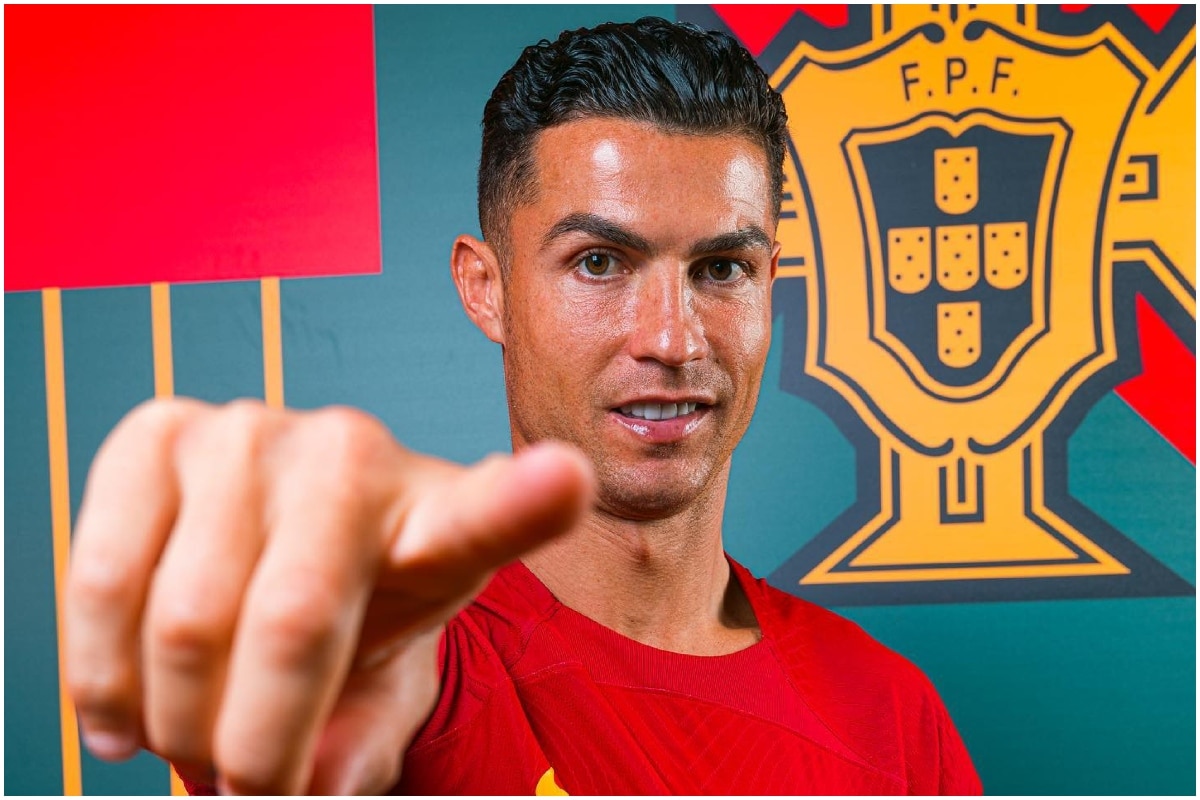
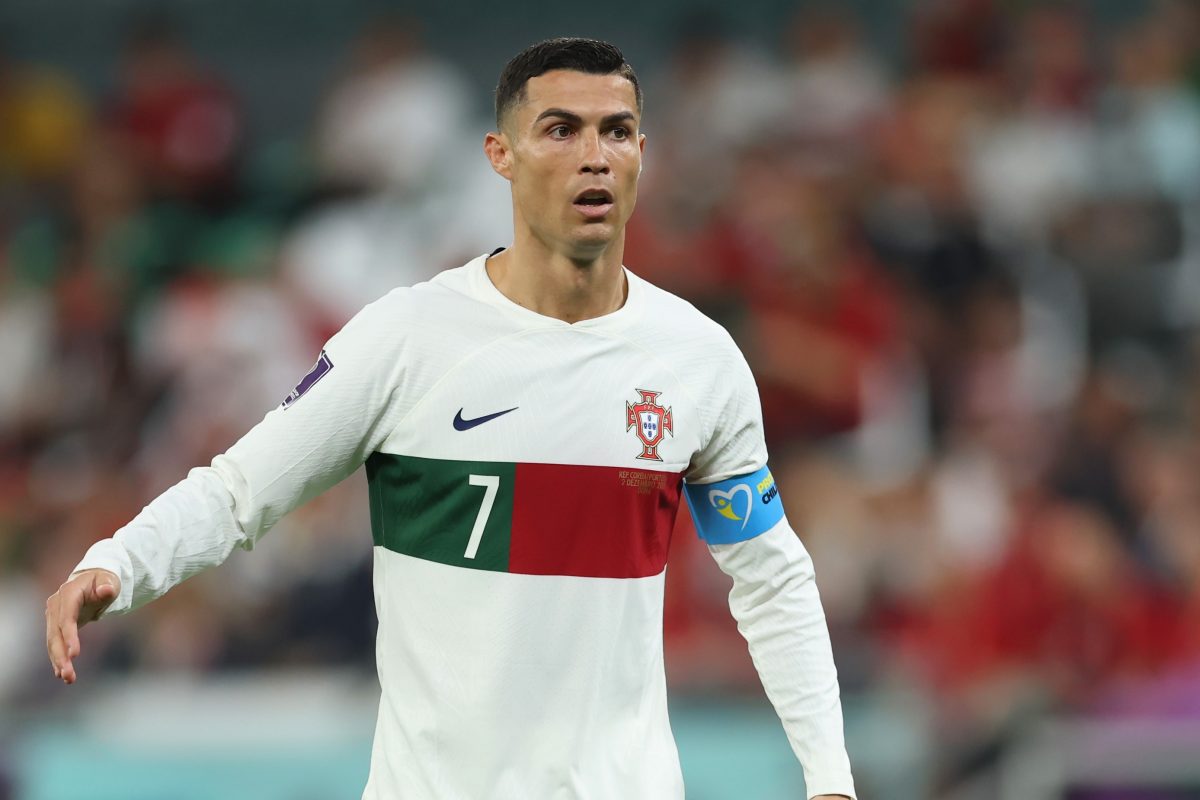
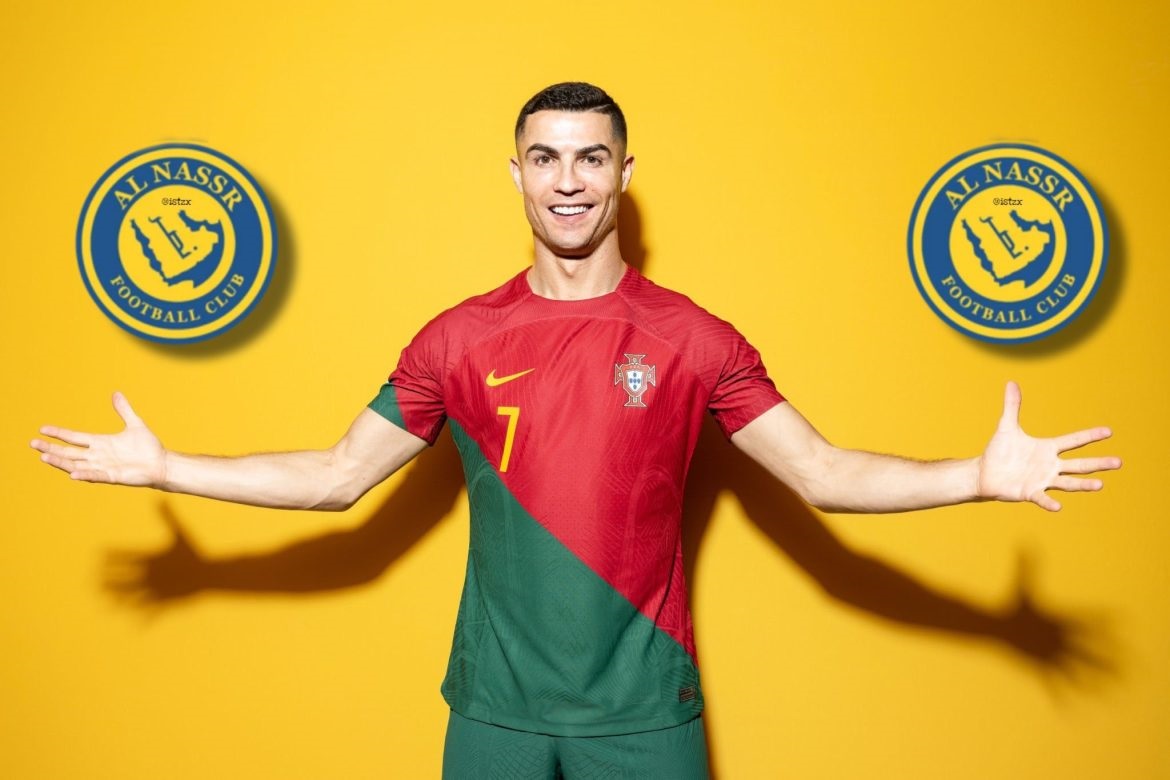
Cristiano Ronaldo’s contract with Al Nassr represents the most lucrative agreement in sports history, valued at approximately €200 million ($214 million) per year. This total package includes a base playing salary of roughly $75 million, with the remainder structured through commercial rights, image licensing, and ambassadorial commitments supporting Saudi Arabia’s broader sports initiatives.
The Financial Blueprint of the World’s Richest Football Contract
The move of Cristiano Ronaldo to the Saudi Pro League (SPL) in January 2023 fundamentally altered the global footballing landscape. From a financial perspective, the contract was unprecedented not just for its scale, but for its complexity. While many elite athletes receive high wages, Ronaldo’s deal was a hybrid of traditional athletic compensation and a massive commercial endorsement package.
Of the total annual valuation, the base salary covers his duties on the pitch and training ground. However, the majority of the "Ronaldo effect" is compensated through side agreements. These include lucrative partnerships with Saudi-owned brands and state-backed entities. Because Saudi Arabia does not levy personal income tax on salaries earned within the Kingdom, the net value of this contract far exceeds any gross figure offered in European leagues, where tax rates for high earners often exceed 45%.
Furthermore, the contract was structured to incentivize longevity and brand alignment. In the context of 2026, we see how this initial investment served as the cornerstone for the league’s expansion. The financial commitment was never solely about goals and assists; it was a capital expenditure intended to buy instant global relevance for a league that previously lacked international broadcast reach.
Strategic Investment: Why Al Nassr and the PIF Committed Billions
To understand the "club investment" aspect, one must look beyond Al Nassr as a singular entity. In June 2023, Saudi Arabia’s Public Investment Fund (PIF) acquired a 75% stake in four of the country’s top clubs: Al Nassr, Al Hilal, Al Ahli, and Al Ittihad. This privatization move turned these clubs into well-capitalized corporate entities.
The investment in Ronaldo was the pilot program for this transformation. The "Why" behind the billion-dollar commitment is rooted in Saudi Vision 2030. This national framework aims to diversify the economy away from oil, with sports and entertainment serving as primary pillars for tourism and domestic quality of life. By investing in Ronaldo, the PIF achieved several strategic objectives:
- Global Broadcasting Rights: Before Ronaldo, the SPL was rarely broadcast outside the MENA region. Post-signing, the league secured deals in over 140 territories, including major markets like the UK, USA, and Brazil.
- Infrastructure Development: The influx of capital mandated an upgrade in stadium facilities, medical departments, and training grounds to meet the standards expected by a five-time Ballon d’Or winner.
- Talent Magnetism: The investment served as "proof of concept" for other elite players. The subsequent arrivals of Neymar, Karim Benzema, and Sadio Mané were direct results of the financial path cleared by the Ronaldo contract.
Commercial Rights and Brand Synergy
A significant portion of the "Ronaldo contract Saudi Arabia details" involves image rights. In traditional European contracts, clubs and players often clash over who owns the rights to a player’s likeness for video games, apparel, and advertisements. In Ronaldo's Al Nassr deal, the integration is total.
Ronaldo acts as a walking billboard for the Saudi state’s commercial interests. His social media presence, which remains the largest in the world in 2026, is a key delivery vehicle for this investment. Each post featuring Al Nassr’s kit or Saudi landmarks provides a Return on Investment (ROI) that traditional sports marketing metrics struggle to quantify. For the club, the investment was partially recouped within the first six months through record-breaking shirt sales and sponsorship renewals with firms like Nike and various Saudi conglomerates.
The contract also includes provisions for Ronaldo to participate in the "Riyadh Season"—a massive sports and entertainment festival. This ensures that his value to the club and the country extends far beyond the 90 minutes on a football pitch. It is a holistic investment in a personal brand to bolster a national brand.
Contractual and Financial Comparison
The following table highlights the disparity between Ronaldo’s Saudi Arabian contract and previous high-water marks in professional sports.
| Detail | Cristiano Ronaldo (Al Nassr) | Lionel Messi (Inter Miami - Approx.) | Kylian Mbappé (Real Madrid - Est.) |
|---|---|---|---|
| Annual Salary (Total) | €200 Million | $50m - $60m (plus equity/revenue) | €15m - €30m (plus signing bonus) |
| Contract Duration | 2.5 Years (Initial) | 2.5 Years | 5 Years |
| Primary Funding | PIF / State-Backed | Apple / Adidas / MLS Equity | Club Revenue / Sponsorships |
| Tax Status | 0% Personal Income Tax | Variable (U.S. Federal/State) | High European Tax Bracket |
| Ambassadorial Role | Vision 2030 / WC 2034 | Apple TV / Adidas Promotion | Club-Specific Branding |
Note: Figures represent the peak valuations during the 2023-2026 period based on reported contractual structures.
The Role as Ambassador: Vision 2030 and the 2034 World Cup
Perhaps the most significant long-term "investment" detail in the contract is Ronaldo’s role as an ambassador for Saudi Arabia’s sporting future. While the player initially denied that his contract was specifically tied to a World Cup bid, his presence has been inseparable from Saudi Arabia's successful campaign to host the 2034 FIFA World Cup.
In 2026, as the world prepares for the tournament in North America, the groundwork laid by Ronaldo in Saudi Arabia is evident. His contract necessitated him being the face of the bid, attending official ceremonies, and appearing in promotional materials that highlighted the Kingdom's readiness to host global events.
This ambassadorial role is a key component of the "salary" often discussed. He is not just being paid to play; he is being paid to lend his unmatched global credibility to a nation's sporting aspirations. This is a form of soft power investment where the athlete becomes a geopolitical asset.
Impact on the Saudi Pro League Ecosystem
The investment in Ronaldo forced a rapid professionalization of the entire league. When a club pays $214 million a year for one player, the supporting infrastructure must rise to that level. This led to:
- Foreign Player Quota Changes: The league increased the number of foreign players allowed per team, a move designed to raise the level of competition around high-priced stars.
- Technical Staffing: Al Nassr and other PIF-owned clubs began recruiting elite European coaches and performance staff, moving away from the localized coaching models of the past.
- Youth Academies: A portion of the central investment fund was diverted to youth development, ensuring that the "Ronaldo era" leaves a lasting legacy of improved local talent.
For Al Nassr specifically, the investment brought a massive surge in digital engagement. Their Instagram following jumped from roughly 800,000 to over 25 million within months of the signing. This digital "land grab" allowed the club to negotiate much higher kit manufacturing deals and stadium naming rights, partially offsetting the massive salary expenditure.
On-Pitch Performance vs. Financial Investment
Critics often question whether any player is worth €200 million a year, especially in the twilight of their career. However, the "Ronaldo contract" cannot be judged by trophies alone. From a footballing perspective, Ronaldo remained highly prolific in the SPL, breaking scoring records and maintaining a level of fitness that justified his selection.
However, the ROI is found in the "eventization" of Al Nassr matches. Every game Ronaldo plays is a global event. Tickets for away matches involving Al Nassr frequently sell out within minutes, providing a "trickle-down" financial benefit to smaller clubs in the league. This is a critical part of the club investment strategy: the star player serves as the rising tide that lifts all boats (or in this case, all clubs) in the domestic ecosystem.
Frequently Asked Questions
Is Cristiano Ronaldo’s Saudi salary tax-free?
Yes. Under current Saudi Arabian tax law, there is no personal income tax on salaries. This allows Ronaldo to retain nearly 100% of his €200 million annual earnings, unlike in Europe or the United States, where high-earning athletes can lose up to half of their gross income to various taxes.
Who actually pays Ronaldo’s salary?
While he is officially employed by Al Nassr, the funding is heavily supported by the Saudi Public Investment Fund (PIF) and commercial partners. The PIF’s 75% ownership of the club means that his contract is essentially backed by the sovereign wealth of the Kingdom as part of a national sports development strategy.
How long is the contract, and will he stay after 2025?
The original contract signed in early 2023 was for two and a half years, set to expire in June 2025. However, given his continued performance and his role in the 2034 World Cup bid, discussions regarding extensions and "lifetime" ambassadorial roles have been a central theme in 2026.
Does the contract include a "Newcastle United" clause?
Rumors initially suggested a clause allowing Ronaldo to join Newcastle United (also PIF-owned) if they qualified for the Champions League. These reports were dismissed by both the player and the clubs involved. The contract is focused entirely on his role within the Saudi Pro League and his ambassadorial duties.
How does this deal affect Financial Fair Play (FFP)?
The Saudi Pro League does not currently operate under the same FFP constraints as UEFA. This allows clubs like Al Nassr to spend significant portions of their revenue (and state-backed investment) on player wages without the risk of being banned from domestic competitions.
Evaluating the Future of the Saudi Investment Model
As we look at the landscape in 2026, the Ronaldo contract serves as the blueprint for the "Super League" model currently emerging in the Middle East. For fans and investors, the next step is observing how these clubs transition from being "buyer" entities to sustainable businesses.
If you are tracking sports investments or the business of football, the key metric to watch is the domestic revenue growth of the SPL. While the PIF provides the initial capital, the long-term goal is for these clubs to generate enough through broadcasting and commercial deals to sustain high-wage structures independently. Investors should monitor the league's ability to secure a new, even larger international TV rights cycle in the coming years, which will be the ultimate validation of the Ronaldo investment.
Financial Disclaimer: This article is for informational purposes only and does not constitute financial or legal advice. Contractual figures are based on widely reported industry data and official statements from the relevant sporting bodies. Jurisdictional tax laws are subject to change.