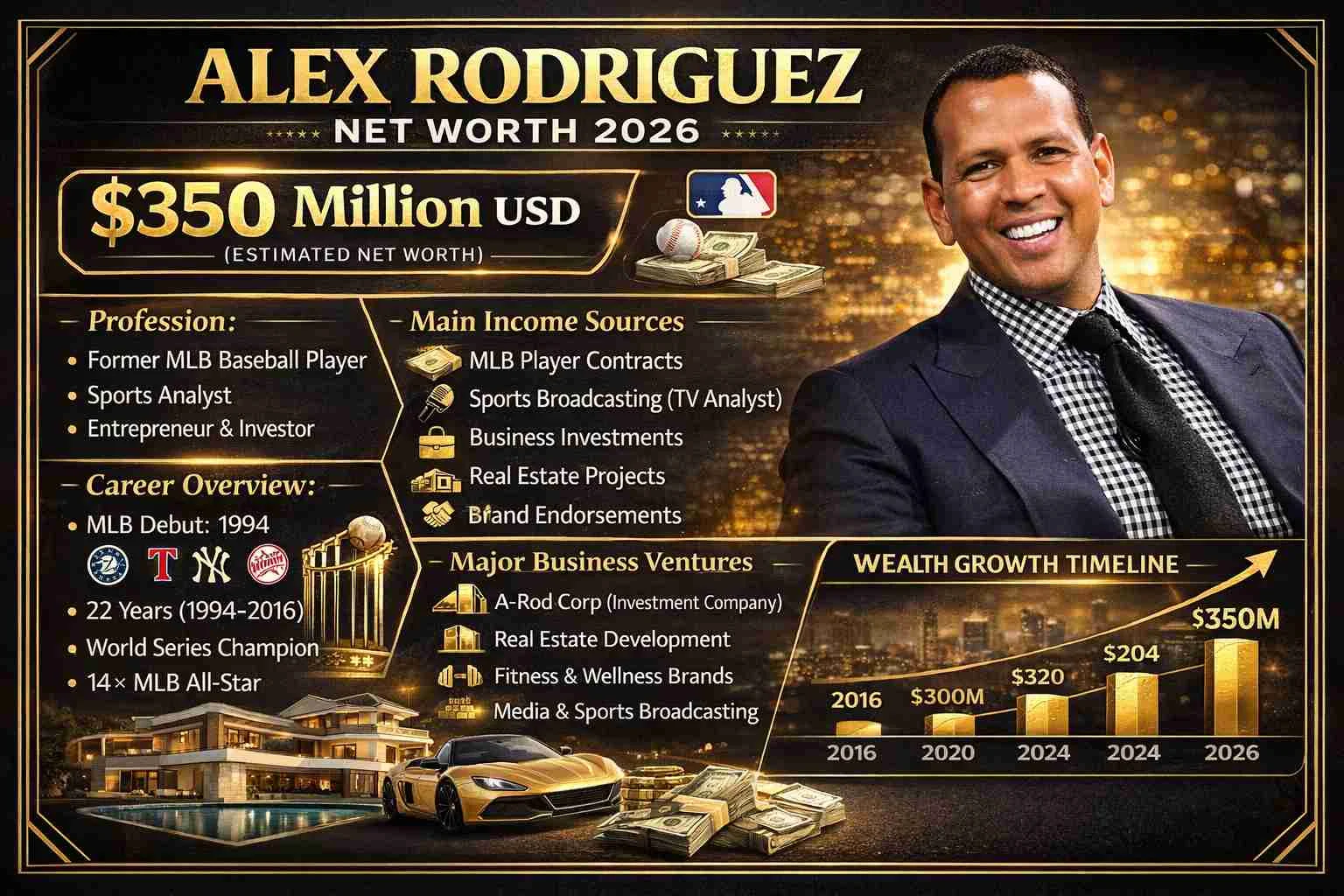
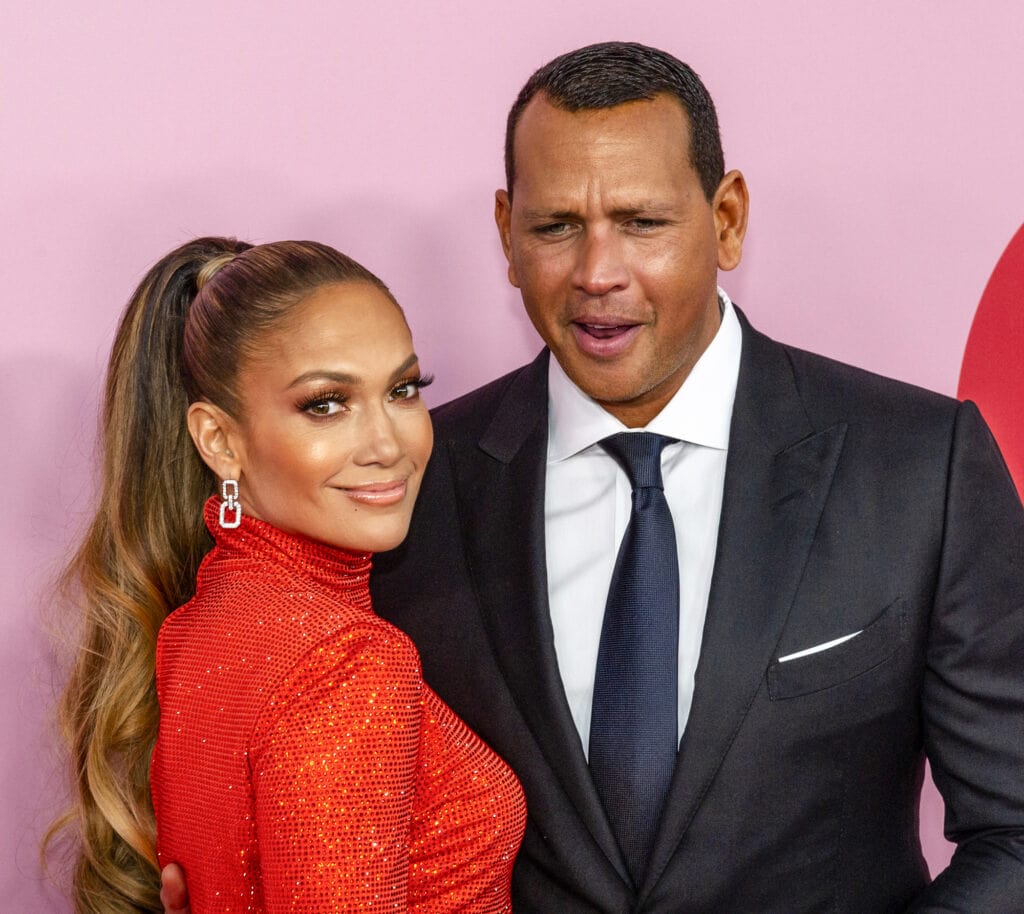
During their four-year relationship between 2017 and 2021, Alex Rodriguez and Jennifer Lopez controlled a combined net worth estimated between $650 million and $750 million. Today, both figures independently maintain personal fortunes evaluated around $350 million to $400 million each, built through historic sports contracts, entertainment franchises, commercial real estate holdings, and venture capital investments.
The Peak Power Couple Era: Evaluating Combined Wealth (2017–2021)
When Alex "A-Rod" Rodriguez and Jennifer "J.Lo" Lopez publicly disclosed their relationship in early 2017, they formed one of the most financially formidable partnerships in modern pop culture and sports history. Far beyond mutual star power, their union represented the convergence of two distinct, highly lucrative business empires. Media outlets and financial analysts pegged their combined net worth at approximately $650 million at the start of their relationship, escalating toward $750 million by the time they announced their engagement split in April 2021.
During their peak years together, Rodriguez and Lopez transformed their joint brand into a active investment vehicle. Rather than relying solely on individual salary streams—Rodriguez’s post-retirement broadcasting and real estate expansion, alongside Lopez’s music residencies, film projects, and brand deals—the duo actively sought co-investment opportunities.
Their most publicized effort occurred in 2020 when the pair spearheaded a high-profile bid to purchase the New York Mets. Backed by institutional capital and private investors, the Rodriguez-Lopez group submitted bids reaching up to $1.7 billion before lost bidding to hedge fund billionaire Steve Cohen. Beyond sports franchises, the couple took strategic equity stakes together in high-growth consumer companies, including telehealth firm Hims & Hers and eyewear brand Quay Australia. These joint investments demonstrated a shift from passive endorsement models to capital equity, multiplying their combined wealth velocity.
Alex Rodriguez: MLB Salaries, A-Rod Corp, and Sports Ownership
Alex Rodriguez’s financial foundation was laid across a 22-season Major League Baseball (MLB) career. As one of the most compensated athletes in professional sports history, Rodriguez earned approximately $455 million in total MLB base salary alone across his stints with the Seattle Mariners, Texas Rangers, and New York Yankees.
Rodriguez redefined the economics of professional baseball by signing two unprecedented, record-breaking contracts:
- The 2000 Texas Rangers Contract: A landmark 10-year, $252 million deal that shattered previous sports contract ceilings and exceeded the total valuation of the Rangers franchise at the time.
- The 2007 New York Yankees Contract: A 10-year, $275 million extension that included performance-based incentives for home run milestones, further solidifying his status as the highest-paid player in MLB history at the time.
| Team / Category | Amount |
|---|---|
| Seattle Mariners (1994–2000) | ~$12 Million |
| Texas Rangers (2001–2003) | ~$81 Million |
| New York Yankees (2004–2017) | ~$362 Million |
| Total MLB Career Base Earnings | ~$455 Million |
However, Rodriguez’s wealth strategy extended far beyond his athletic earnings. In 1996, early in his playing career, he founded A-Rod Corp, a private investment firm that initially focused on commercial and residential real estate. Through Monument Capital Management, a subsidiary of A-Rod Corp, Rodriguez acquired thousands of multi-family apartment units across the southeastern United States, targeting value-add properties in secondary markets.
Following his retirement from active play in 2016, Rodriguez accelerated his business operations. He secured lucrative broadcasting roles with Fox Sports and ESPN, while diversifying A-Rod Corp into venture capital, fitness chains (including rights to TruFusion franchises), and consumer electronics. A cornerstone of his modern portfolio is his equity stake in the NBA's Minnesota Timberwolves and WNBA's Minnesota Lynx, a multi-phase acquisition alongside tech entrepreneur Marc Lore that valued the sports franchises at over $1.5 billion.
Jennifer Lopez: Film Paydays, Music Revenue, and Global Brands
Jennifer Lopez’s financial trajectory is characterized by cross-industry monetization across music, film, television, and consumer products. Lopez established a historic precedent in 1997 when she earned $1 million for the title role in Selena, making her the first Latina actress to command a seven-figure salary for a single film.
As her box office draw expanded through hits like The Wedding Planner, Maid in Manhattan, and Hustlers, her per-film compensation routinely hovered between $9 million and $15 million, excluding backend profit participation. Her production company, Nuyorican Productions, has signed multi-year content creation deals with streaming platforms like Netflix, providing consistent multi-million-dollar development budgets and licensing fees.
Lopez’s music and live performance operations have generated substantial revenue streams:
- Concert Tours: Global tours such as the Dance Again World Tour (2012) and the It's My Party Tour (2019) grossed tens of millions of dollars globally.
- Las Vegas Residency: Her All I Have residency at Planet Hollywood (2016–2018) grossed over $100 million in ticket sales, cementing her status as one of the top-earning Vegas performers of that era, commanding over $350,000 per show.
- Television Franchises: Serviced as a judge on American Idol across multiple seasons, earning a reported $12 million to $20 million per season, alongside executive producer and starring roles on NBC's Shades of Blue.
Beyond media entertainment, Lopez achieved immense commercial success in the beauty and fragrance sectors. The 2002 launch of her flagship fragrance, Glow by JLo, disrupted the celebrity fragrance market and grew into a franchise that has generated over $2 billion in global retail sales across dozens of product variants. This commercial engine was further expanded with the launch of JLo Beauty in 2021, targeting the premium skincare sector.
Financial Breakdown: A-Rod vs. J.Lo
While both figures maintain comparable net worth estimates, their financial profiles differ substantially in income generation, asset liquidity, and core wealth drivers.
| Financial Metric | Alex Rodriguez | Jennifer Lopez |
|---|---|---|
| Primary Wealth Driver | MLB Salary & Real Estate Investments | Film, Music, TV, & Beauty Endorsements |
| Peak Career Earnings Source | 10-Yr $275M Contract (Yankees) | Film Paydays ($10M–$15M) & Vegas Residency ($100M+ gross) |
| Estimated Lifetime Base Income | ~$455 Million (MLB Salary) | ~$600 Million+ (Entertainment & Endorsements) |
| Key Enterprise Holdings | A-Rod Corp, Minnesota Timberwolves/Lynx | Nuyorican Productions, JLo Beauty, Fragrance Brands |
| Investment Style | Private Equity, Multi-Family Real Estate, Sports Franchises | Consumer Brands, Streaming Deals, IP Licensing |
| Estimated Individual Net Worth | ~$350 Million – $400 Million | ~$400 Million |
Real Estate Portfolio: Joint Purchases and Asset Sales
Real estate played a central role in both Rodriguez and Lopez’s asset management strategy. During their relationship, the couple consolidated their real estate investments into high-value luxury markets, often purchasing residential properties, renovating them, and selling them for capital gains.
One of their most high-profile joint real estate acquisitions was a 14,700-square-foot estate on Miami’s exclusive Star Island, purchased in 2020 for a reported $32.5 million. The waterfront property featured ten bedrooms, twelve bathrooms, a private dock, and extensive grounds. Prior to this purchase, the pair bought a $6.6 million beachfront home in Malibu, California (previously owned by actor Jeremy Piven), which they renovated alongside interior design experts and subsequently resold in 2020 for $6.77 million.
| Property | Details |
|---|---|
| Star Island Mansion (Miami) | Purchased ~$32.5M (Joint) |
| Park Avenue Condo (NYC) | Sold ~$15.75M (Joint Asset) |
| Bel-Air Estate (Los Angeles) | Acquired ~$28M (J.Lo Individual) |
| Coral Gables Estate (Florida) | Multi-Million (A-Rod Individual) |
In New York City, the couple owned a 4,000-square-foot luxury condominium in 432 Park Avenue—one of the tallest residential towers in the world—purchased in 2018 for approximately $15.3 million and subsequently sold in 2019 for around $15.75 million.
Following their 2021 separation, joint real estate assets were systematically liquidated or bought out to unwind their financial ties. Lopez maintained her extensive personal estate in Bel-Air, California (originally acquired in 2016 for $28 million), while Rodriguez retained his customized primary residence in Coral Gables, Florida, alongside his commercial property holdings managed under A-Rod Corp.
Strategic Wealth Takeaways from the Rodriguez-Lopez Empire
The financial trajectories of Alex Rodriguez and Jennifer Lopez present distinct models for enterprise wealth building in sports and entertainment:
- Conversion of Active Earnings into Passive Equity: Both individuals avoided the common pitfall of relying solely on career salary. Rodriguez funneled early baseball checks directly into multi-family real estate assets, while Lopez leveraged her stardom into equity positions in beauty lines, fragrance royalties, and production IP.
- Diversification Beyond Core Competencies: Rodriguez successfully transitioned from an athlete to a private equity operator and NBA franchise owner. Lopez evolved from a performer into a retail mogul whose product lines have grossed billions worldwide.
- Strategic Joint Co-Investing: During their partnership, they utilized their combined celebrity status and liquid capital to gain access to private institutional investment rounds (such as Hims & Hers) and sports franchise bids that neither could easily target individually.
Frequently Asked Questions
What was Alex Rodriguez and Jennifer Lopez's combined net worth when they broke up?
At the time of their separation in April 2021, their combined net worth was estimated between $650 million and $750 million. This combined figure reflected Rodriguez's real estate investments, corporate holdings, and MLB capital, alongside Lopez's extensive music, film, TV, and beauty enterprise assets.
How much did Alex Rodriguez make in total MLB salary during his career?
Alex Rodriguez earned approximately $455 million in base salary across his 22 seasons in Major League Baseball. His total compensation was anchored by two massive long-term contracts: a $252 million deal with the Texas Rangers in 2000 and a $275 million deal with the New York Yankees in 2007.
What is Jennifer Lopez's most profitable business venture?
While her music tours and film salaries have generated hundreds of millions of dollars, Lopez's most profitable commercial venture is her global fragrance empire. Launched in 2002 with Glow by JLo, her fragrance line has expanded into dozens of products that have generated over $2 billion in cumulative lifetime retail sales.
Did A-Rod and J.Lo successfully purchase the New York Mets?
No. In 2020, Rodriguez and Lopez led a consortium of investors to bid on the New York Mets baseball franchise. Although their final bid approached $1.7 billion, the team was ultimately sold to billionaire hedge fund manager Steve Cohen for $2.4 billion.
How did A-Rod and J.Lo split their joint assets after their breakup?
Because Rodriguez and Lopez were engaged but never legally married, their financial unwinding did not require divorce proceedings. Jointly held real estate assets, such as their 432 Park Avenue apartment in Manhattan, were sold, and their equity investments in shared corporate ventures were restructured or liquidated according to their original operating agreements.
Frameworks for Analyzing Celebrity Wealth and Joint Assets
Evaluating high-net-worth public figures requires distinguishing between gross career earnings, illiquid asset holdings, and active equity valuations. When evaluating joint enterprise holdings or complex celebrity net worth structures, analysts rely on standard financial assessment frameworks:
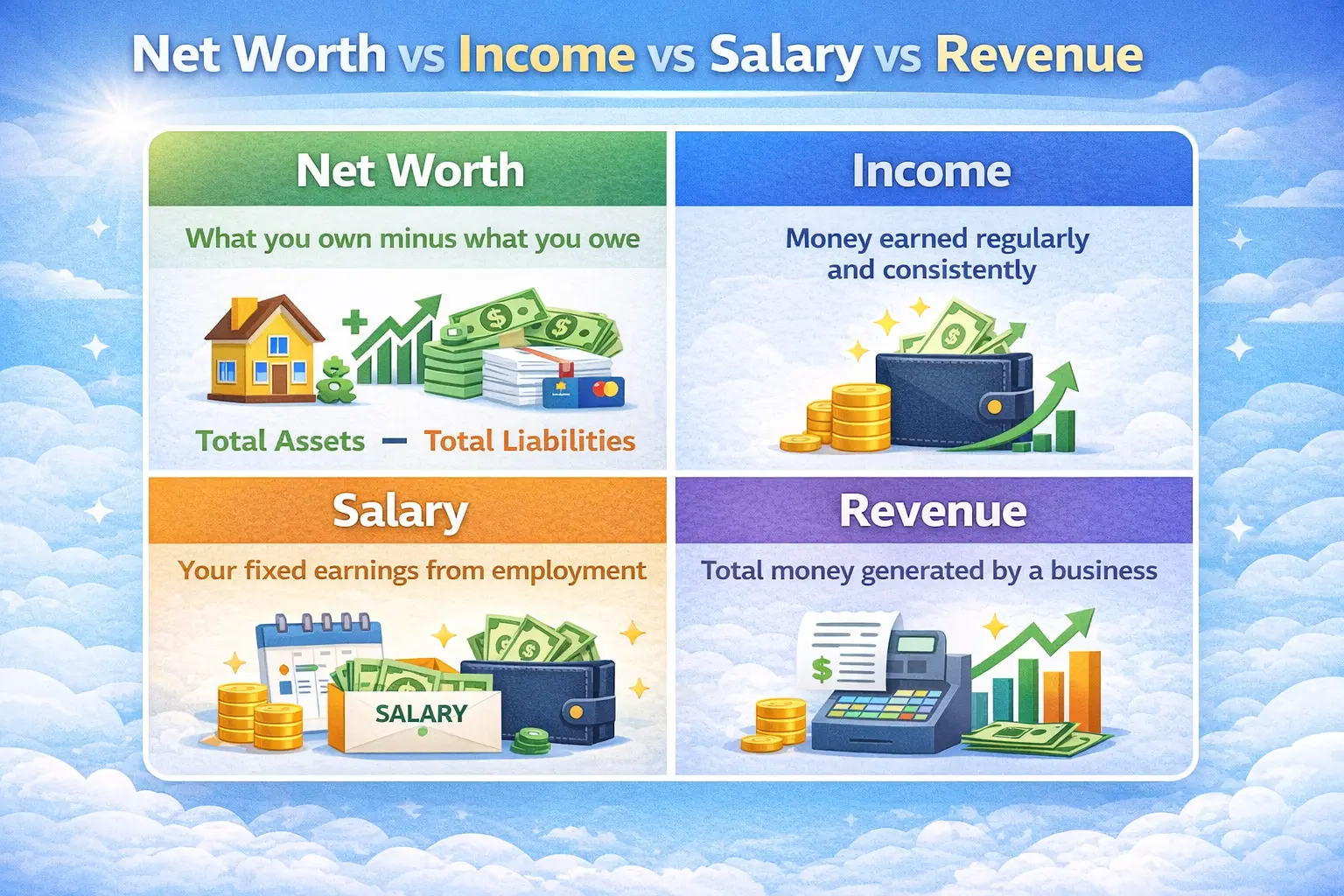
- Differentiate Gross Revenue from Net Worth: Total earnings from sports contracts, box office receipts, or concert tours do not represent net worth. Taxes, agent fees (typically 5%–10%), manager fees (10%–15%), legal overhead, and operational expenses substantially reduce gross figures.
- Audit Enterprise Equity vs. Cash Reserves: High net worth estimates often reflect non-liquid assets, such as commercial property portfolios, private equity stakes, or sports franchise valuations. These holdings fluctuate based on broader commercial real estate and equity market conditions.
- Review Intellectual Property and Royalty Streams: Long-term wealth stability for figures like Lopez depends heavily on recurring licensing fees, music catalog royalties, backend film residuals, and corporate brand distribution deals rather than one-time salary checks.