Mastering the open road requires much more than tossing a bag into the trunk and following a GPS. As vehicle technology evolves, navigation systems update, and highway infrastructure transforms, modern driving expeditions demand a strategic approach. This comprehensive framework explores everything you need to plan, execute, and enjoy an unforgettable long-distance excursion in 2026.
Modern Vehicle Preparation and Technical Inspection
Before leaving the driveway, your automobile demands rigorous diagnostic evaluation. Modern vehicles rely heavily on advanced driver-assistance systems (ADAS), electric powertrains, and complex onboard computers. Skipping a pre-trip inspection invites roadside mechanical failures that can derail a schedule.
- Tire Health and Pressure Dynamics: Check tread depth using the coin test or a digital gauge. Ensure tires are inflated to the manufacturer-specified cold PSI rating, adjusting upward slightly if carrying a heavy load of passengers and cargo.
- Fluid Diagnostics: Verify engine oil viscosity, coolant levels, brake fluid clarity, and windshield washer reservoir capacity. Modern synthetic oils generally require changes every 7,500 to 10,000 miles, but verify your specific interval before departure.
- Battery and Electrical Integrity: Modern electronics draw significant power. Test the 12-volt battery health at an auto parts store, and inspect high-voltage charging systems if operating a hybrid or full battery-electric vehicle (BEV).
- Brake System Evaluation: Inspect brake pad thickness, rotor smoothness, and pedal responsiveness. Mountainous terrains and heavy highway traffic demand peak braking efficiency.
Expert Mechanical Advice: Always pack a digital OBD-II diagnostic scanner in your glove box. If a check-engine light illuminates miles from civilization, plugging in the scanner immediately identifies the trouble code, allowing you to distinguish between a loose gas cap and a critical engine fault.
Strategic Route Planning and Navigation Architecture
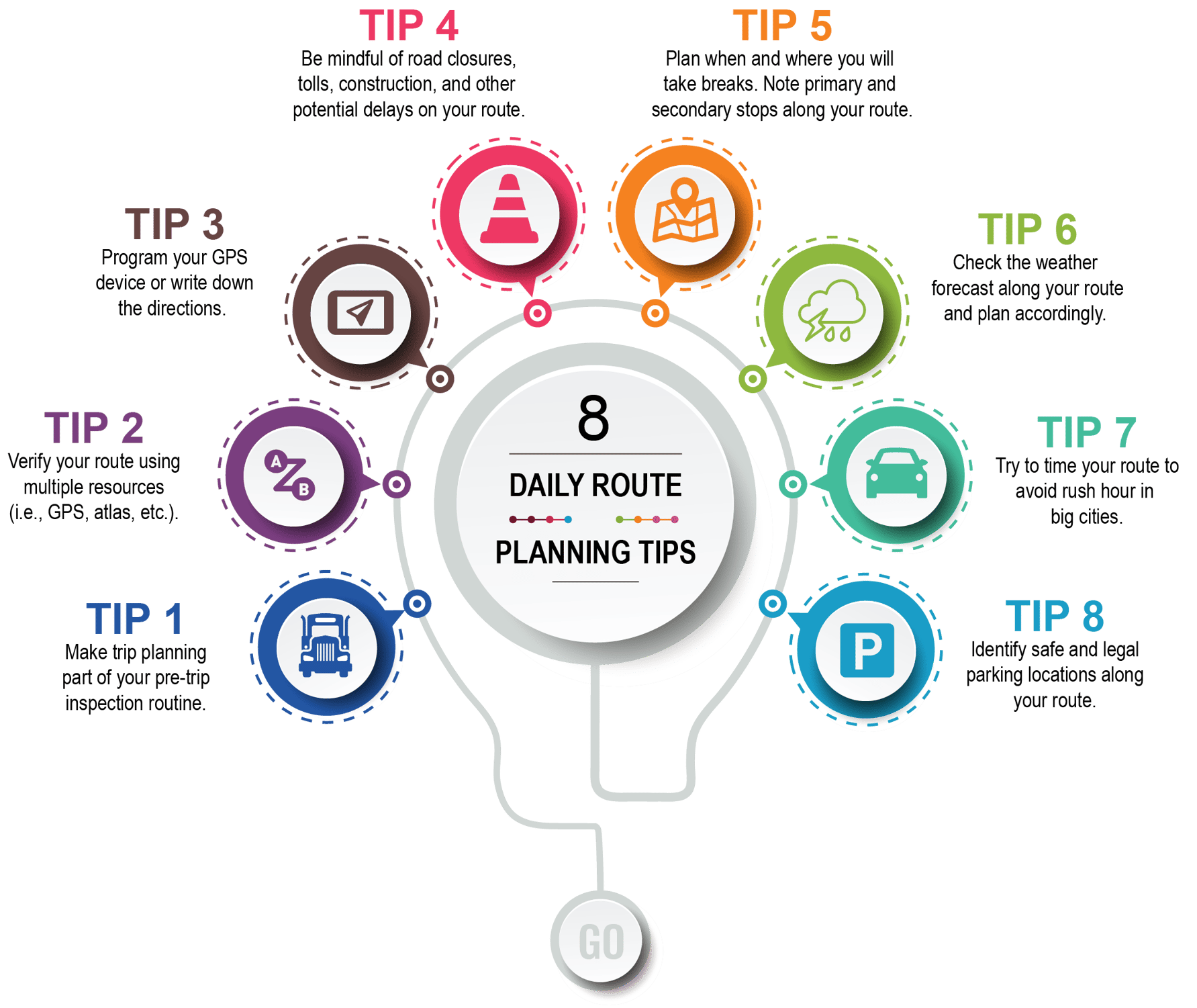
Relying solely on real-time navigation apps can lead to unexpected detours through unpaved service roads or severe traffic bottlenecks. Crafting an effective route requires balancing digital efficiency with offline redundancy.
| Route Element | Traditional Method | Modern 2026 Approach | Primary Advantage |
|---|---|---|---|
| Primary Mapping | Paper folding maps | Connected satellite navigation | Live incident and hazard avoidance |
| Backup Navigation | None | Downloaded offline map packets | Uninterrupted routing in cellular dead zones |
| Charging/Fuel Stops | Random highway exits | Pre-mapped network corridors | Zero range anxiety and optimized pricing |
| Traffic Management | Radio broadcast updates | Predictive AI routing software | Dynamic time-saving recalculations |
When planning multi-state journeys, divide your travel days into manageable segments. Professional driving guidelines suggest limiting daily driving time to six or seven hours behind the wheel. This prevents operator fatigue, maintains reflex speeds, and leaves ample daylight for exploring destinations and managing unexpected delays.
Packing Logistics and Cargo Optimization
Efficient packing transforms a cluttered cabin into an organized mobile living space. Improper weight distribution impacts fuel economy, tire wear, and vehicle handling dynamics.
- Weight Distribution Principles: Place heaviest items low and centered over the vehicle's rear axle to maintain steering stability and prevent rear-end squatting.
- Cabin Essentials Box: Keep a dedicated container within arm's reach containing sunglasses, wet wipes, hand sanitizer, lip balm, phone charging cables, and non-perishable high-protein snacks.
- Emergency Roadside Kit: Pack a heavy-duty jumper cable set, a reflective warning triangle, LED flare lights, a high-lumen tactical flashlight with extra lithium batteries, a portable tire inflator, and a multi-tool.
- First-Aid Readiness: Ensure your medical kit includes adhesive bandages, sterile gauze pads, antiseptic wipes, motion sickness medication, pain relievers, and any personal prescription medications.
Digital Connectivity, Power Management, and Entertainment
Staying connected while traversing remote corridors requires deliberate power management and digital preparation. Modern vehicles feature multiple USB-C ports, but high-draw devices often require dedicated power inversions or high-capacity portable power stations.
- Offline Media Libraries: Do not rely on continuous cellular streaming. Pre-download playlists, audiobooks, and podcasts to your primary listening devices to maintain entertainment through mountainous passes and desert stretches.
- Device Charging Ecosystem: Utilize multi-port cigarette lighter adapters with Power Delivery (PD) protocols to rapidly charge laptops, tablets, and smartphones simultaneously.
- Communication Protocols: Share your live location tracking itinerary via cloud-based mapping platforms with a trusted contact back home. Check in at predetermined fuel or lodging milestones.
Electric Vehicle (EV) vs. Internal Combustion Engine (ICE) Road Tripping
Choosing the right powertrain dictates how you approach travel scheduling, stop frequency, and infrastructure mapping. Each vehicle type presents distinct advantages and trade-offs.
- Internal Combustion Engine (ICE):
- Pros: Rapid refueling (under 5 minutes), ubiquitous fueling infrastructure, exceptional high-speed towing range.
- Cons: Higher emissions, exposure to volatile petroleum pricing, mechanical complexity with hundreds of moving engine parts.
- Battery Electric Vehicle (BEV):
- Pros: Exceptionally smooth and quiet ride, instant torque, lower per-mile energy costs, zero tailpipe emissions.
- Cons: Extended charging times (15 to 45 minutes per stop), required route planning around fast-charging corridors, cold-weather range degradation.
Frequently Asked Questions
What is the ideal daily driving distance for a comfortable road trip?
Aim for a maximum of 400 to 500 miles, or roughly six to seven hours of actual driving time per day. This pacing prevents driver fatigue, accommodates unexpected traffic delays, and ensures you arrive at your destination with daylight to spare.
How can I maintain vehicle fuel efficiency during a long highway trip?
Maintain steady speeds using cruise control, remove roof cargo boxes when not in use to reduce aerodynamic drag, and keep tires properly inflated. Aggressive acceleration and heavy braking significantly degrade fuel economy.
What should I do if my car breaks down in a remote area?
Stay inside your locked vehicle with your hazard lights flashing and call roadside assistance or emergency services. If you must exit the vehicle to place warning markers, stay well clear of active traffic lanes and move behind guardrails if available.
How do I manage motion sickness for passengers on winding roads?
Encourage passengers to sit in forward-facing seats, focus their gaze on the distant horizon rather than reading devices, and keep the cabin cool and well-ventilated. Over-the-counter preventative remedies taken prior to departure can also be highly effective.
Are physical paper maps still necessary in 2026?
While digital navigation tools are exceptionally reliable, carrying a physical state or regional road atlas serves as a crucial backup. Electronic devices can suffer from battery failure, screen damage, or prolonged software malfunctions.
Ready to turn your travel aspirations into reality? Begin by auditing your vehicle's maintenance logs, downloading your essential offline navigation packs, and mapping out your first day's milestones. Plan wisely, drive defensively, and enjoy the journey ahead.