Ritchay Funeral Home (most commonly associated with the Ritchay Funeral Home in Wisconsin Rapids, Wisconsin) remains a central pillar for families navigating end-of-life arrangements. This guide provides updated 2026 protocols for locating obituaries, understanding memorial service options, and managing the logistical complexities of funeral planning in the current year.
Locating Official Obituaries and Memorial Records in 2026
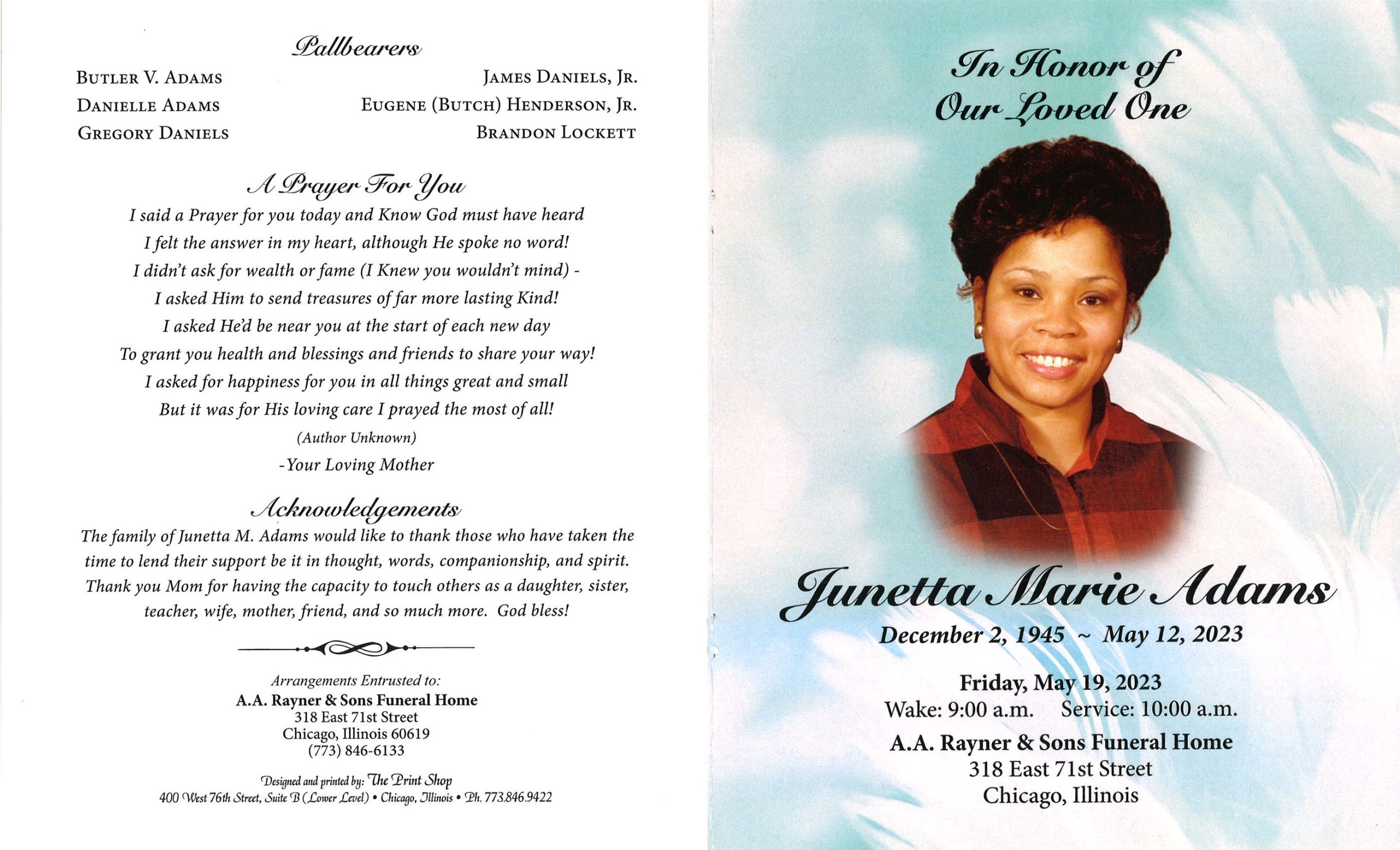
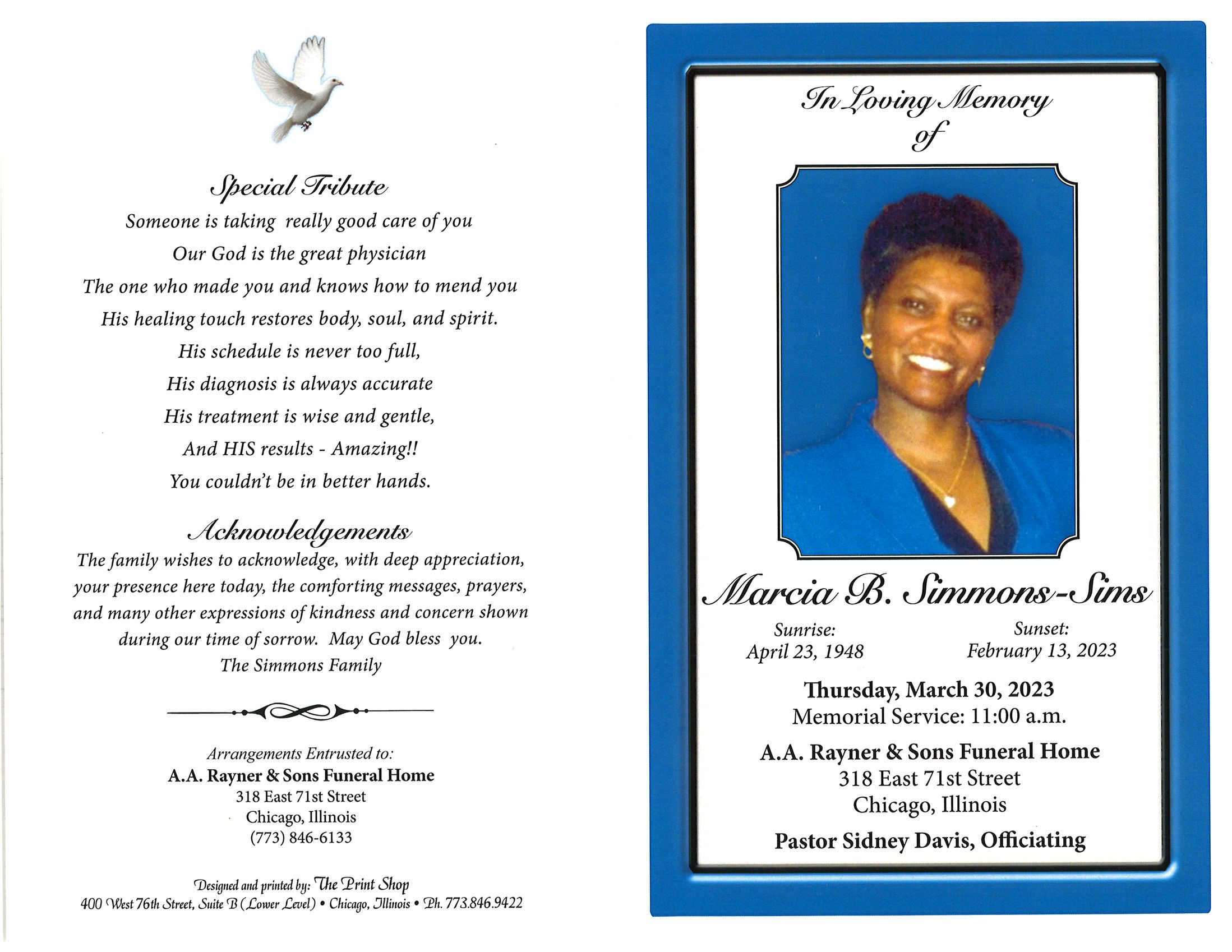
Accessing accurate, verified obituary information is the primary step for community members wishing to pay their respects or attend services. As of 2026, funeral homes have shifted toward integrated digital platforms to ensure that information regarding service times, visitation schedules, and donation preferences is updated in real-time.
When searching for records at the Ritchay Funeral Home, consider the following primary access points:
- Official Funeral Home Website: The primary database for obituaries, which includes direct links to memorial pages, tribute walls, and photo galleries.
- Verified Social Media Memorials: Many facilities maintain official pages where service updates are broadcasted to facilitate immediate communication with the community.
- Local Newspaper Partnerships: Digital archives of local regional news outlets often syndicate obituary notices, though the funeral home’s direct site remains the single source of truth for scheduling.
To perform an effective search, always use the full legal name of the deceased. If you are experiencing difficulty locating a recent posting, it may be due to a delay between the passing and the finalization of the family’s preferred obituary text. In 2026, families increasingly opt for private services, meaning specific interment details may be omitted from public notices by request.
Service Options and Memorial Planning Standards
The landscape of funeral services in 2026 emphasizes personalization and accessibility. Modern funeral directors are trained to assist families in balancing traditional customs with contemporary desires for unique, non-traditional tributes.
Core Service Offerings
- Traditional Burial: Includes full-service visitation, formal funeral rites, and interment at a local cemetery.
- Cremation Options: Ranges from direct cremation to memorial services held following the cremation process.
- Celebration of Life: A less formal, highly personalized gathering designed to focus on the legacy of the individual rather than the formality of death.
- Green Burial/Eco-Friendly Alternatives: An increasing segment of the population now requests sustainable practices, such as biodegradable caskets and the omission of chemical embalming.
| Service Type | Primary Focus | Typical Timeline | Flexibility Level |
|---|---|---|---|
| Traditional Funeral | Rite and Custom | 3-5 Days Post-Death | Low to Moderate |
| Direct Cremation | Efficiency and Economy | 1-2 Weeks | High |
| Memorial Service | Storytelling and Legacy | 2-4 Weeks Post-Death | Very High |
| Immediate Interment | Simplicity and Privacy | 24-48 Hours | Minimal |
Financial and Administrative Considerations for 2026
Navigating the financial requirements of funeral arrangements requires transparency. In 2026, the Federal Trade Commission (FTC) Funeral Rule remains the gold standard for consumer protection, mandating that funeral homes provide itemized pricing to families before any contractual agreement is signed.
When engaging with the Ritchay Funeral Home, ensure you request the General Price List (GPL). This document is legally required to list the costs of individual services, such as professional fees, transportation, facilities usage, and merchandise like caskets or urns.
Operational Requirements and Financial Planning
Pre-Planning Advantage Engaging in pre-need funeral planning allows individuals to lock in 2026 pricing and remove the financial and emotional burden from surviving family members. This involves creating a legally binding contract that outlines specific wishes and prepaying or funding the account via insurance or trusts.
Third-Party Payments Be aware that funeral homes often act as facilitators for cash advance items—services provided by outside vendors such as florists, newspapers for death notices, and cemetery opening/closing fees. These are typically billed at cost to the family and are not part of the funeral home’s internal profit margin.
Supporting Grieving Families: Etiquette and Protocol
In 2026, community support remains a vital component of the grieving process. Whether you are attending a physical service or utilizing an online tribute wall, standard etiquette helps ensure that your expression of sympathy is respectful and meaningful.
- Digital Tributes: When leaving a message on an obituary page, focus on specific, positive memories. In 2026, many families review these pages regularly; a thoughtful note often provides more comfort than a generic template.
- Donations: If a family requests donations "in lieu of flowers," prioritize the designated charity. This reflects the specific values of the deceased and the family.
- Attendance: If a service is marked as "Private," respect the family's choice by refraining from attending or reaching out to the funeral home for location details.
Frequently Asked Questions Regarding Funeral Services
How do I find a service time for an individual recently passed at Ritchay Funeral Home? Visit the official Ritchay Funeral Home website and navigate to the "Obituaries" or "Current Services" section, where updated times and dates are maintained. If the service is private, the notice will explicitly state this, and no location will be provided.
Is it possible to view an obituary if the service occurred years ago? Yes, most funeral homes maintain a digital archive of historical obituaries. If you are researching a record from the past, the search bar on the obituary archive page is your best tool for retrieval.
What should I do if I cannot afford funeral services? Speak candidly with the funeral director about your budget. They can provide options for low-cost disposition and can guide you toward local social services or veterans' benefits that may provide financial assistance for funeral costs.
Are floral arrangements still the standard for expressing sympathy? While flowers remain a traditional gesture, modern preferences are shifting toward charitable donations, memorial trees, or even direct support to surviving children or spouses. Check the obituary notice for the family's preferred method of support.
Can I modify a service plan once it has been established? Changes can often be made up until the day of the service, though some logistics—such as newspaper publication deadlines or cemetery scheduling—have firm cut-off points. Contact the funeral home as early as possible if an adjustment is required.
What documentation is required to initiate funeral arrangements? The funeral home will require the legal name, Social Security number, and basic biographical data for the deceased to prepare the death certificate. Having these documents ready significantly eases the administrative burden during the initial consultation.
Conclusion and Next Steps
Dealing with the loss of a loved one is a profound experience that requires professional, compassionate guidance. By utilizing the official digital resources provided by the funeral home in 2026, you ensure that you are working with the most accurate, real-time data. Whether you are seeking details for an upcoming service or looking to honor a memory, reach out to the professional staff to discuss your specific needs and ensure all arrangements are handled with the dignity and precision they deserve.