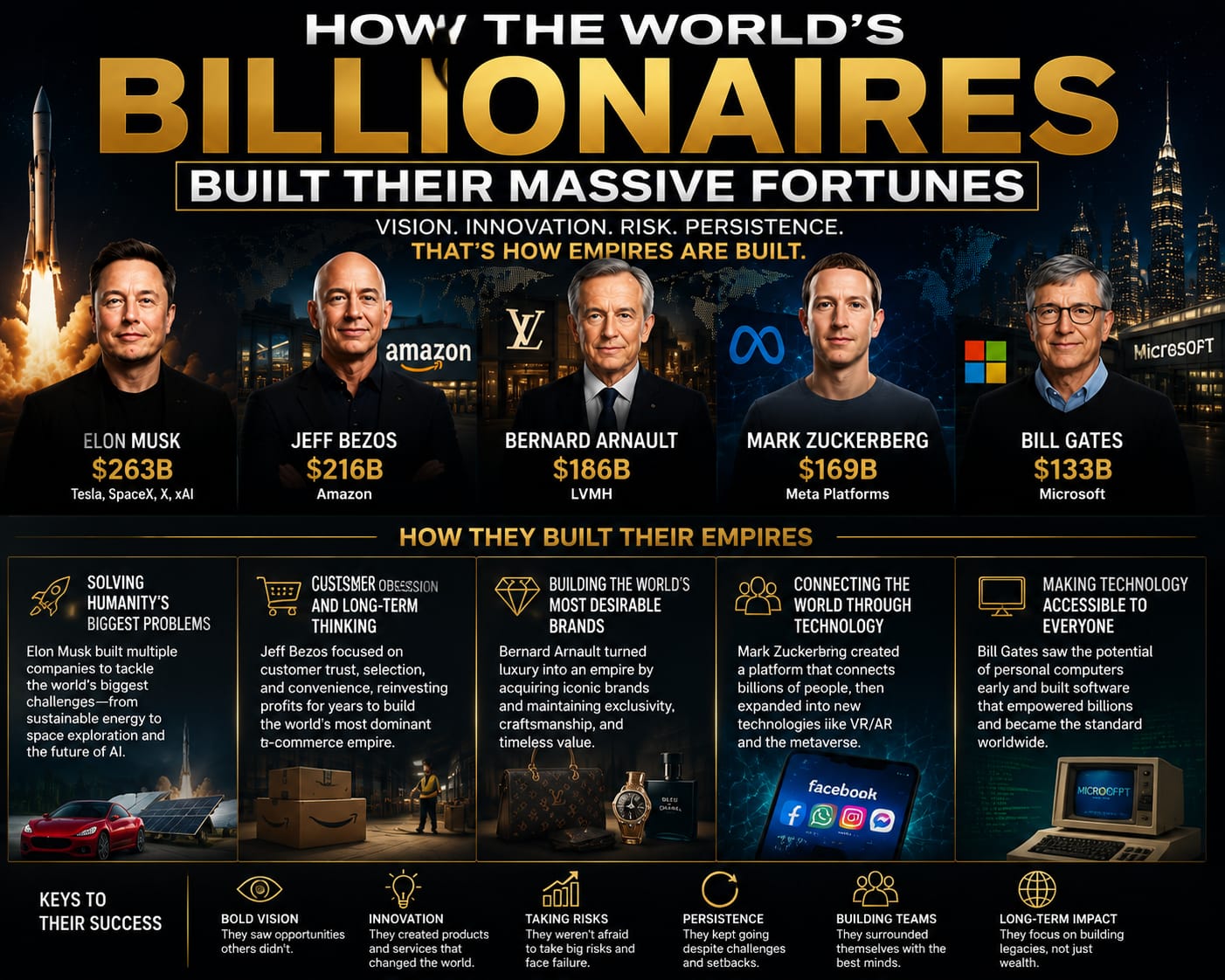
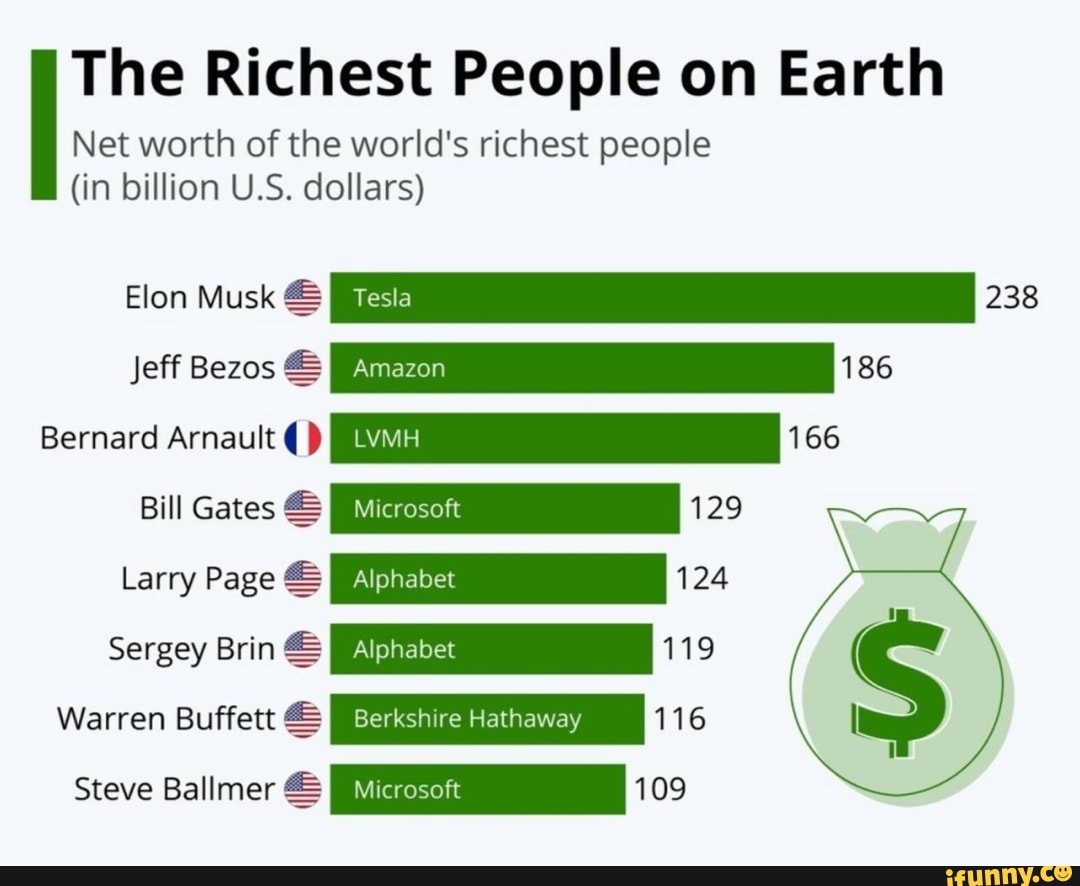
The 2025 net worth rankings of the world’s richest individuals reveal a landscape dominated by leaders in artificial intelligence, cloud computing, and luxury consumer goods. These valuations represent peak market capitalizations and private asset holdings as of the close of the 2025 fiscal year, reflecting the concentration of wealth within technology conglomerates and diversified holding companies that drive global economic momentum.
Understanding Net Worth Valuation Metrics
Calculating the net worth of the world’s wealthiest individuals requires more than simply totaling bank balances. For the ultra-high-net-worth individual (UHNWI), wealth is primarily composed of equity stakes in publicly traded corporations, private business valuations, real estate holdings, and liquid assets. Because public equity markets fluctuate daily, these rankings utilize a specific snapshot approach, often relying on SEC filings, market capitalization data, and independent audits of private enterprise assets.
The valuations provided for 2025 are anchored in the market closing prices of the final quarter of that year. When analyzing these rankings, it is essential to distinguish between market capitalization—the total value of a company’s shares—and the individual’s personal net worth, which is the percentage of those shares (or other assets) held personally, minus liabilities. For many of the individuals featured, their net worth is intrinsically linked to the performance of their flagship companies, making their personal wealth highly sensitive to quarterly earnings reports, product innovation cycles, and geopolitical shifts that influence stock valuations.
Key Players and Their Corporate Engines
The 2025 rankings emphasize a clear shift toward companies involved in the massive infrastructure build-out required for artificial intelligence. Unlike previous decades, where retail and telecommunications dominated, the current era of wealth creation is concentrated in firms providing the hardware, software, and energy management systems for global digital transformation.
Technology and AI Dominance
The top tier of the 2025 rankings is heavily populated by figures whose wealth originated in the "Big Tech" sphere. These individuals typically control significant percentages of voting stock in firms that provide the backbone of the internet, cloud computing services, and generative AI models. Their net worth is a direct derivative of the market's aggressive pricing of growth stocks, where high price-to-earnings ratios are driven by expectations of long-term AI-driven productivity gains.
Diversified Holding Companies
Following the technology sector, the second major driver of wealth is the diversified holding company or the luxury conglomerate. These entities often manage a portfolio of brands or businesses, providing a hedge against the volatility found in pure-play technology stocks. For these individuals, wealth preservation is as critical as growth, often leading to strategies that focus on long-term capital appreciation across luxury, real estate, and finance sectors.
Comparative Overview of Wealth Sources
The following table summarizes the primary industries associated with the wealthiest individuals as of 2025. This data highlights the correlation between sector-specific market trends and the growth of individual net worth.
| Industry | Primary Drivers of Valuation | Typical Asset Class |
|---|---|---|
| Artificial Intelligence | Cloud infrastructure, LLM development | Equity (Public/Private) |
| Luxury Goods | Brand equity, global market reach | Diversified Holdings |
| E-commerce | Logistics networks, digital platforms | Equity (Public) |
| Energy/Infrastructure | Grid expansion, resource allocation | Direct Assets |
| Financial Services | Asset management, banking | Equity and Cash |
The Mechanics of Wealth Concentration
Wealth concentration among the top 0.001% is facilitated by institutional structures that allow for the long-term management of capital. Family offices, trusts, and special purpose vehicles are standard tools used by the world’s richest men to manage taxes, regulatory compliance, and generational wealth transfer. These structures not only protect assets but also provide the liquidity necessary to move capital into new ventures without triggering immediate tax events or destabilizing public market positions.
Furthermore, the 2025 figures underscore the importance of "Founder’s Equity." In nearly every case, the individual’s position in the rankings is tied to the company they founded or transformed. This indicates that the most effective path to extreme wealth remains the creation of a scalable, high-growth entity that creates value at a global level. Once these companies reach maturity, they become the bedrock of the owner’s net worth, often providing the dividends or capital gains required to fund new private ventures, philanthropic initiatives, or space exploration projects.
Regional Economic Impacts on Rankings
The geographic location of these companies plays a pivotal role in the regulatory environment under which these fortunes are managed. The United States remains the primary domicile for tech-focused wealth, benefiting from deep capital markets and a supportive environment for venture capital and innovation. Conversely, European wealth is often tied to older, established luxury and industrial sectors, reflecting a legacy of manufacturing excellence and brand prestige that has spanned generations.
In 2025, emerging markets also showed an increased presence in wealth rankings, particularly among leaders in renewable energy and fintech. These regional variations provide a balanced view of the global economy, demonstrating that while technology is the primary driver of current wealth, the geographic diversity of asset holdings remains a crucial factor in the sustainability of these fortunes.
Frequently Asked Questions (FAQ)
How is the net worth of the richest men determined for 2025?
Net worth is determined by calculating the value of all known assets, primarily shares in public and private companies, minus known debt and liabilities. Rankings rely on real-time stock data, official corporate filings (such as the 10-K and 13-F forms filed with the SEC), and property valuations to arrive at an estimated total.
Why do net worth rankings fluctuate so frequently?
Because the primary source of wealth for most billionaires is stock ownership, their net worth is subject to the daily volatility of the stock market. A shift in a company’s share price can result in billions of dollars in "paper wealth" being gained or lost in a single trading session, regardless of the individual's actual cash flow.
Do charitable donations impact these rankings?
Yes, significant charitable contributions reduce an individual's total net worth. When wealth is transferred to a foundation or a philanthropic trust, those assets are no longer counted as personal wealth. Many of the individuals in the top rankings have active foundations that manage billions of dollars, which are excluded from their individual net worth totals.
What is the role of private companies in these rankings?
While public companies provide transparent pricing, private companies require independent valuations. Analysts review fundraising rounds, revenue reports, and comparable public company multiples to estimate the worth of these private interests. This can lead to greater margins of error compared to public stock holdings.
How does inflation affect wealth rankings over time?
Inflation acts as a silent modifier on wealth; while nominal wealth might appear to grow, the purchasing power of that capital is eroded. Rankings generally report nominal dollar values, meaning that comparative analysis across different years must account for the changing value of currency and its effect on real asset prices.
Next Actions for Asset Analysis
If you are researching wealth distributions for investment or academic purposes, the most reliable next step is to examine the "Proxy Statement" (DEF 14A) and the "Annual Report" (10-K) for the specific companies mentioned in these rankings. These documents provide the most granular detail on insider ownership, compensation structures, and corporate governance. For tracking year-to-year changes, consulting the official filings available via the SEC EDGAR database or equivalent international regulatory portals is the standard procedure for accurate, verified information. Avoid third-party aggregators that may not account for recent stock split adjustments or secondary offerings, as these can lead to significant discrepancies in valuation calculations.