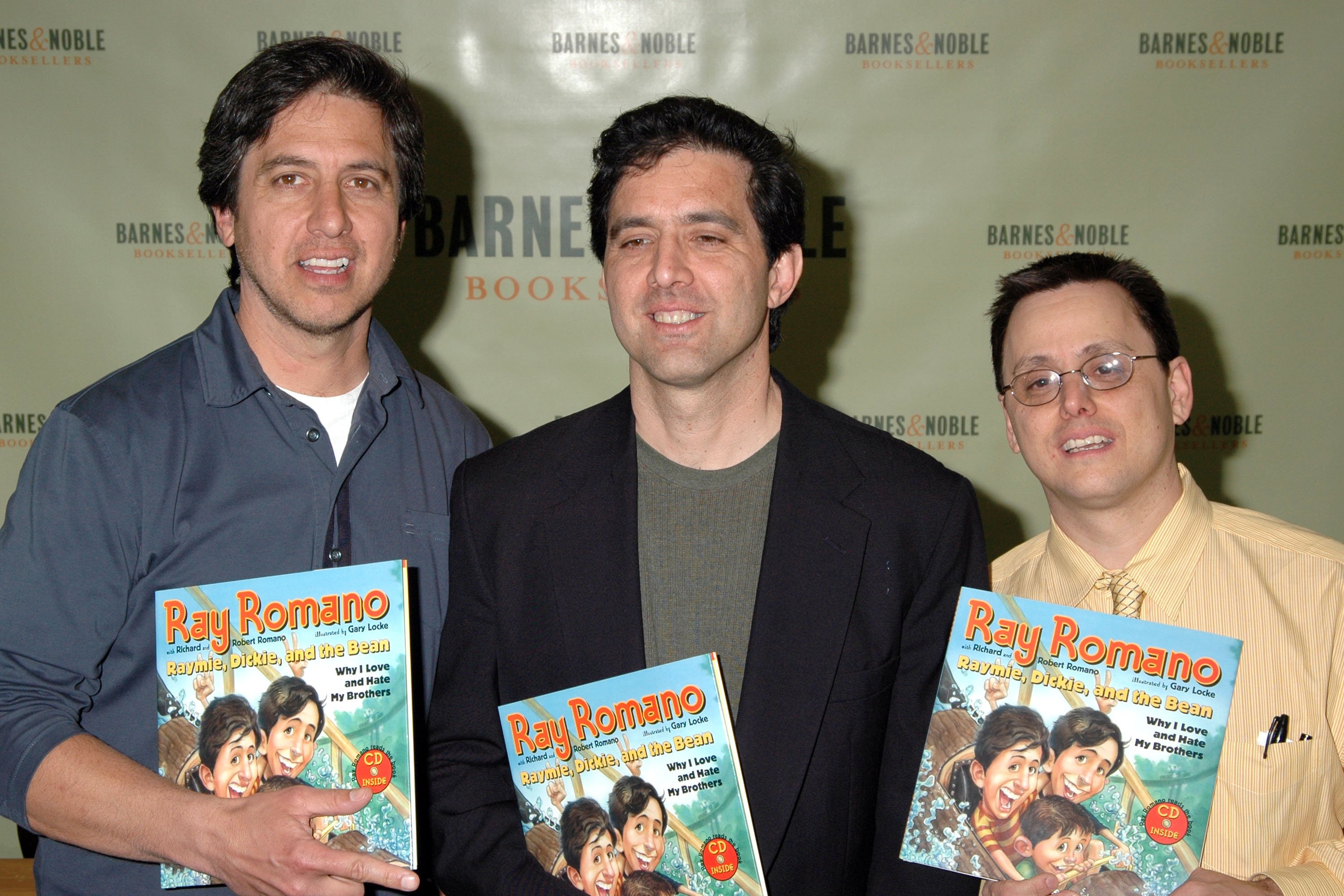
The success of Ray Romano, particularly through his iconic sitcom Everybody Loves Raymond, is deeply rooted in the authentic dynamics of his upbringing and his real-life family ties. Central to this inspiration is his older brother, Richard Romano, whose personality and life path provided the foundation for many of the show's most memorable character conflicts. While the television show relied on creative license to heighten comedic tension, the sibling bond between Ray and Richard served as a genuine touchstone for the writers’ room, bridging the gap between surreal sitcom scenarios and relatable domestic realities.
The Foundations of Inspiration: Fact Versus Fiction
In the television landscape of the 1990s and early 2000s, Everybody Loves Raymond stood out because of its commitment to "domestic realism." Much of this grounded nature came from the fact that Ray Romano was essentially playing a version of himself. In the show, the character of Robert Barone—played by Brad Garrett—is a cynical, tall, and often brooding NYPD police officer who exists in the shadow of his younger, more successful brother, Raymond.
In reality, Ray Romano’s older brother, Richard, is indeed a retired NYPD sergeant. While the show utilized the brother’s profession to create a visual and temperamental foil for the lead character, the relationship was not defined by the intense, simmering jealousy portrayed on screen. Instead, the real-life dynamic was one of shared history, mutual support, and the inevitable frictions of growing up in a close-knit Italian-American household in Queens, New York. The "real-life" tie was not a mirror image, but rather an extraction of specific tropes—the competitive nature of brothers, the struggle for parental approval, and the absurdity of adult siblings navigating their childhood wounds.
The Character of Robert Barone vs. Richard Romano
To understand the impact of family ties on the comedian's success, one must distinguish between the character of Robert Barone and the actual Richard Romano. The show created a narrative arc for Robert involving a failed marriage, living at home well into adulthood, and a deep-seated inferiority complex. These traits served the episodic nature of a sitcom, allowing for physical comedy—most notably the "hand on the chin" tic—and repetitive gags about the brothers’ height difference.
Richard Romano, by contrast, carved out his own career in law enforcement and later as a screenwriter and author. Unlike his television counterpart, who was frequently the butt of the joke, the real Richard was a stable professional who provided a sense of grounding for his brother during the transition from stand-up comedy to network television stardom. The success of the show, however, relied on the audience believing that such a strained, hilarious, and deeply codependent relationship was possible, largely because Ray Romano was able to draw upon the fundamental "sibling language" he had developed with Richard over decades.
How Family Dynamics Powered the Writing Room
The writers of Everybody Loves Raymond were notorious for using the personal lives of the cast to fuel scripts. When Ray Romano brought his personal experiences—or those of his brother—to the creative team, he wasn't just bringing anecdotes; he was bringing a cultural framework. The interaction between the brothers, the presence of intrusive parents, and the "us versus them" mentality that characterizes many large families formed the blueprint for the series.
The following table highlights the distinct separation between the dramatic functions in the show and the actual familial facts:
| Feature | Everybody Loves Raymond (Show) | Real-Life (Romano Family) |
|---|---|---|
| Robert's Profession | NYPD Sergeant | NYPD Sergeant (Retired) |
| Sibling Relationship | Constant conflict and competition | Collaborative and supportive |
| Living Arrangement | Robert lives across the street | Independent residences |
| Family Atmosphere | High-conflict, loud, intrusive | Close-knit, traditional, respectful |
| Core Dynamic | Jealousy-driven banter | Mutual encouragement |
The Role of the Older Sibling in Comedic Evolution
In psychology, the position of the firstborn child often implies a set of expectations and a sense of responsibility. In the Romano family, Richard, as the older brother, occupied this space before Ray arrived. For a comedian, observing an older brother navigate the world—his triumphs, his failures, and his reactions to parental pressures—offers a masterclass in human behavior.
Ray Romano’s ability to "act" frustrated, intimidated, or misunderstood was honed by the real-world reality of being the younger brother to someone who held professional authority. The comedy works because it feels earned. When audiences watch Ray and Robert clash over something as trivial as a board game or a misunderstanding involving their mother, Marie, they are seeing a stylized version of the power dynamics inherent in the Romano household. The "success" of the comedian, therefore, is not merely in his delivery, but in his capacity to translate these specific, often painful family moments into a universal language of laughter.
Navigating the Public Perception of Private Life
A unique aspect of the success of Everybody Loves Raymond was the public's fascination with how much of the show was "true." Because the characters shared names, professions, and geographical origins with the real family, the line between private life and public persona became blurred.
Ray Romano consistently navigated this by maintaining a protective stance toward his actual family members. While he used their traits for comedic material, he ensured that the public understood the difference between the show’s characters and the people who inspired them. This boundary-setting was crucial. By acknowledging his brother’s influence while keeping his real-life familial interactions distinct from the "Barone" household, Romano preserved the integrity of his private relationships while capitalizing on the creative potential of his upbringing. This balance is a key reason why the show maintained its reputation for being both hilariously funny and deeply human throughout its nine-season run.
FAQ: Understanding the Romano Sibling Connection
How much of the show Everybody Loves Raymond was based on the real Romano brothers?
The show was heavily influenced by the Romano family, including Ray's parents and his brother Richard. While many of the specific plot points and the intense, often dysfunctional nature of the characters were exaggerated for comedic effect, the personality traits and the professional background of the brother character were directly pulled from the real-life experiences of Richard Romano.
Did Ray Romano and his brother have a competitive relationship?
Like many brothers, Ray and Richard had a natural competitive edge growing up. However, the intense, lifelong, and somewhat bitter rivalry depicted between Raymond and Robert Barone was a fictionalized extreme. In real life, the brothers maintained a supportive and professional relationship, with Richard even contributing to the show's development by sharing his experiences as a police officer.
What was Richard Romano’s reaction to the character of Robert?
Richard Romano has generally been a good sport regarding his fictionalized counterpart. He recognized that the show was a form of creative storytelling. Although he may not have been as insecure or socially awkward as Robert, he understood that the show’s success relied on the writers transforming real traits into archetypal comedic characters.
Is the "hand on the chin" tic a real trait of Ray Romano’s brother?
No, the distinctive "hand on the chin" tic performed by actor Brad Garrett as Robert Barone was a creative choice developed by the actor during the audition and development process. It became a defining physical trait of the character, but it was not a habit observed in the real-life Richard Romano.
Did Richard Romano ever appear on the show?
Yes, Richard Romano appeared in a few minor roles throughout the series. These cameos were a nod to the audience and a way for the real-life family to be integrated into the show they helped inspire, maintaining the meta-humor that often permeated the series.
Moving Beyond the Screen
For those interested in the craft of comedy writing or the dynamics of family-based storytelling, the Romano family saga offers a significant lesson: truth is often the most effective tool for humor. Ray Romano’s career was defined by his ability to remain tethered to his roots while scaling the heights of global television popularity. The relationship with his brother served as the anchor, providing a source of authentic frustration and genuine connection that kept the comedy from becoming superficial.
If you are exploring the history of television sitcoms or studying how comedians use their personal lives to build creative projects, the primary takeaway is the importance of "observational honesty." Whether it is the tension between siblings, the influence of parents, or the struggle to define oneself against the backdrop of one's upbringing, the best comedy emerges when it reflects the complicated, messy, and ultimately loving reality of family life. Ray Romano’s success remains a testament to the idea that you don't have to invent a new world to be funny—you simply have to look at your own.