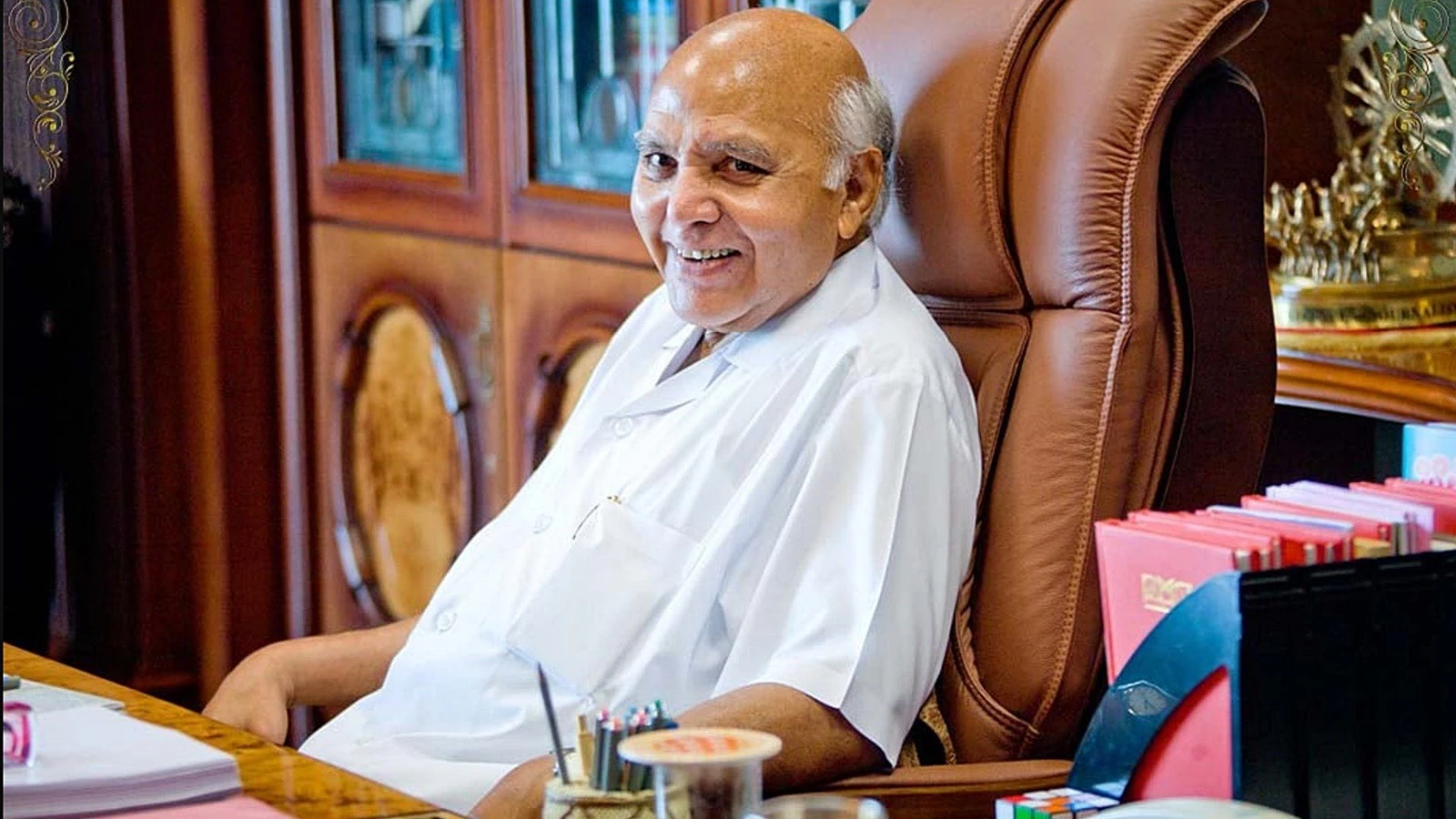
The late Rao Gopal Rao, a legendary figure in Telugu cinema, left behind a legacy defined by his distinctive acting style and profound influence on Indian film. His net worth is not a figure tied to 2025 or 2026, as he passed away in 1994. Instead, discussions regarding his wealth center on the lasting financial and cultural value of his body of work and estate.
Understanding the Financial Legacy of Rao Gopal Rao
When analyzing the career earnings and assets of an artist who concluded his career in the mid-1990s, it is critical to move away from modern metrics of digital income or contemporary brand endorsements. Rao Gopal Rao was a titan of his era, a period when the economics of the Telugu film industry (Tollywood) were fundamentally different from today. His "wealth" in 2026 is measured by the royalty rights, the enduring commercial viability of his film catalog, and the estate preserved by his family.
To assess the career earnings of an actor of his stature, one must look at the historical context of his prime years, spanning from the 1970s through the early 1990s. During this time, he was one of the highest-paid character actors and antagonist performers. Unlike modern stars who rely on multi-platform revenue, his earnings were derived primarily from fixed-fee film contracts and participation in high-budget productions.
The Evolution of Film Earnings in the 1970s and 1980s
During the peak of his career, Rao Gopal Rao was known for his command over dialogue delivery and his ability to carry a film alongside superstars like N.T. Rama Rao and Akkineni Nageswara Rao. His earnings reflected this status. In the industry landscape of the late 20th century, top-tier character actors commanded significant per-film fees that often included upfront payments and shares in territorial distribution rights for specific high-profile projects.
As the industry moved toward the 1990s, the monetization of film assets changed. The emergence of satellite television rights and the subsequent rise of digital streaming platforms have retrospectively increased the value of films from his era. While Rao Gopal Rao did not receive these modern payouts directly, the intellectual property associated with his performances remains a cornerstone of the library assets held by various production houses, which continues to generate revenue long after his passing.
Asset Composition and Estate Preservation
The assets associated with a prolific actor of the 20th century typically consist of real estate investments, production company shares, and intellectual property rights. Rao Gopal Rao was not only an actor but also a producer and a writer, roles that provided multiple streams of income beyond his acting salaries.
- Production Ventures: By producing films under his own banner, he was able to capture a larger share of the profit margin, a strategic financial decision that allowed him to build a substantial asset base.
- Real Estate Holdings: Like many prominent figures in the film industry during the 1970s and 80s, significant earnings were often funneled into real estate in key commercial and residential areas, which have appreciated exponentially by 2026.
- Intellectual Property: His estate holds the rights to several scripts and film concepts that have remained culturally relevant, serving as a form of "legacy capital" for his descendants.
Comparative Analysis of Historical vs. Modern Earnings
The following table provides a conceptual framework for comparing the revenue streams of actors from the era of Rao Gopal Rao to the contemporary landscape of 2026. This comparison helps clarify why "net worth" for a historical figure is calculated differently than for a currently active performer.
| Revenue Stream | Rao Gopal Rao Era (1970–1994) | Modern Era (2026) |
|---|---|---|
| Primary Income | Flat-fee per project | Performance fee + profit share |
| Secondary Income | Limited (Production/Distribution) | Brand endorsements, digital, IP |
| Asset Strategy | Tangible (Real estate, land) | Diversified (Equities, tech, media) |
| Legacy Revenue | Licensing for TV/remakes | Global streaming, international syndication |
Navigating the Valuation of Historical Estates
Determining an accurate monetary value for an estate like that of Rao Gopal Rao requires legal and forensic accounting that is rarely disclosed to the public. For researchers and fans, the fascination with his net worth is less about the exact cash balance and more about the scale of success he achieved. In 2026, the primary financial "activity" associated with his name is the legal management of his intellectual property and the stewardship of his family estate.
One common mistake in estimating the net worth of historical figures is failing to account for the impact of inflation and the change in currency purchasing power. A sum that represented significant wealth in 1985 requires substantial upward adjustment to represent the same "buying power" in 2026. When reports cite earnings for actors of that period, they are often nominal figures that do not reflect the relative economic power the individual held at the time.
Frequently Asked Questions
Was Rao Gopal Rao among the highest-paid actors of his time?
Yes, Rao Gopal Rao was consistently one of the highest-paid character actors in Telugu cinema between the 1970s and early 1990s. His unique dialogue delivery and screen presence made him indispensable to the most successful commercial films of that era, allowing him to command top-tier compensation.
How do his film rights generate value in 2026?
His film rights generate value through licensing for television broadcasts, inclusion in digital streaming libraries, and occasional remakes or dubbing projects. These rights are often managed by the production companies that originally financed the films, though the actor’s estate maintains interests in specific creative properties.
Did Rao Gopal Rao have other business interests?
Beyond acting, he was involved in film production and writing. These roles allowed him to participate in the financial risks and rewards of filmmaking, effectively diversifying his income sources beyond just the salary earned from individual performances.
Is there a public record of his net worth?
No, there is no official or audited public record of Rao Gopal Rao's net worth. Estimates found on various online platforms are speculative and not based on verifiable financial disclosures, as private individuals and actors of his era were not subject to the same public financial scrutiny as modern corporate entities.
How did the shift to satellite and digital media affect his estate?
The shift to satellite and digital media has significantly increased the "long-tail" value of films from the 1970s and 80s. Because his performances are considered classics, the constant demand for high-quality vintage content ensures that his work remains a revenue-generating asset for the rights holders, contributing to the historical prestige of his filmography.
Next Steps for Researching Film Industry History
If you are interested in the economic history of Telugu cinema or the career trajectory of artists from the 20th century, the best approach is to consult regional film archives and trade publications from the era. These records provide insight into the industry's growth, the evolution of actor contracts, and the transition of the business model from traditional theatrical runs to the multi-channel digital environment we observe in 2026. Researchers should prioritize primary documentation, such as historical trade magazines, to understand the financial context of the period accurately.