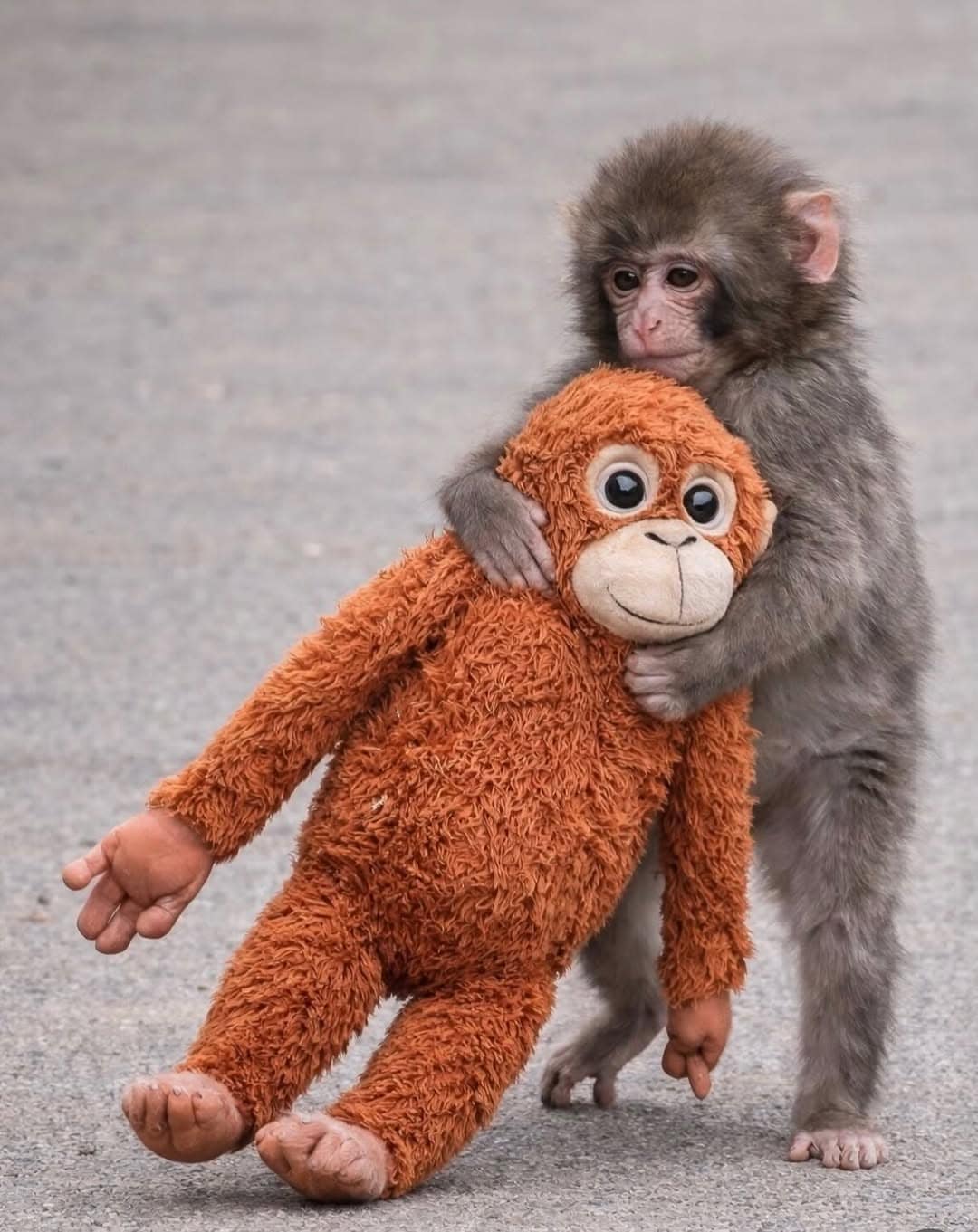
The term "punch the monkey" in relation to IKEA refers to an urban legend or a conflated memory of vintage digital advertisements, rather than an actual product sold by the Swedish furniture retailer. Because IKEA never manufactured a toy with this specific name or function, no official pricing, secondary market data, or collector value exists for such an item. Any search results claiming its existence typically stem from confusion with early 2000s banner advertisements or disparate novelty items.
The Origin of the Misconception
The phrase "punch the monkey" is widely recognized as a cultural artifact from the early internet era. Between 1999 and 2002, a pervasive web banner advertisement featured an animated monkey and invited users to "punch the monkey" for a chance to win a prize. This advertisement was notorious for its ubiquity and was often perceived as a precursor to clickbait or malware. Over time, the memory of this specific digital campaign has been conflated with various childhood nostalgia markers, including Swedish retail brands like IKEA.
It is important to clarify that IKEA’s history of soft toys, often branded under the SAGOSKATT line, focuses on whimsical creatures designed by children or classic animal silhouettes. The company maintains strict safety and ethical standards for all its plush products. There is no historical documentation, catalog entry, or manufacturing record within the IKEA archives that suggests a product titled "punch the monkey" ever existed. If you have encountered a plush toy fitting this description, it is likely a third-party novelty item or a misidentified vintage toy from an unrelated manufacturer.
Understanding IKEA Soft Toy Collectibility
While the "punch the monkey" toy is a non-existent entity, collectors often research IKEA products for their potential resale value. IKEA’s soft toy line, particularly the SAGOSKATT collection, features limited-edition designs that change annually. Unlike mass-market toys that are available indefinitely, certain IKEA plushies are retired after their sales cycle, leading to niche demand on secondary market platforms.
When assessing the value of an IKEA soft toy in 2026, collectors prioritize several factors:
- Originality and Tags: Items retaining the original IKEA hang tag, including the batch number and manufacturing year, command higher prices than those with removed or damaged tags.
- Condition: Plush toys are prone to fabric pilling, seam separation, and staining. Toys kept in "new with tags" (NWT) or "mint" condition represent the top tier of market value.
- Rarity: Pieces from collaboration series or specific, short-run designer collections generally outperform standard catalog items in terms of price appreciation.
- Historical Significance: Items associated with specific marketing campaigns or those that have appeared in popular media can sometimes see a short-term spike in interest, though this is rarely equivalent to high-value investment art.
Market Data and Price Verification
In the secondary market, IKEA plush toys typically fluctuate in price based on consumer sentiment and nostalgia rather than intrinsic material value. While a rare, discontinued IKEA toy might sell for $20 to $50 USD, prices rarely climb into the hundreds unless the item has significant provenance or was part of an extremely limited international release.
To verify the value of any toy you believe to be an IKEA product, you should perform a structured search using the official product name (found on the tag) rather than descriptive search terms like "punch the monkey."
| Evaluation Metric | IKEA Soft Toy (General) | "Punch the Monkey" Toy |
|---|---|---|
| Manufacturing Source | Verified IKEA Production | None (Urban Myth) |
| Collector Demand | Low to Moderate | N/A |
| Retail Price Range | $5.00 – $25.00 | N/A |
| Market Availability | Discontinued / Thrift | Non-existent |
Distinguishing Between Brands and Urban Legends
The internet frequently links legacy digital advertisements to physical goods to explain "lost" memories. When researching toy values, it is crucial to separate digital marketing history from physical product manufacturing. The "punch the monkey" advertisement was a flash-based banner campaign and was not affiliated with any physical retail toy product.
If you are attempting to identify a toy based on a vague memory:
- Check Physical Markings: Look for an integrated tag. IKEA tags are consistently placed in the same area on plush items and include a unique six-digit code.
- Verify the Manufacturer: If the tag does not say "IKEA," it may be a private-label item from a grocery store or a specialty novelty shop.
- Use Visual Search: Upload a photograph of the physical item to a visual search engine. This often reveals the true manufacturer, as many generic plush toys look similar to IKEA’s designs.
Addressing Common Queries
Evaluating toy history requires distinguishing between confirmed facts and internet-borne myths. The following questions address the most frequent points of confusion regarding this topic.
Did IKEA ever produce a novelty toy based on web advertisements?
No. IKEA’s product development process is centered on home furnishing, design accessibility, and family-oriented aesthetics. The brand avoids controversial or aggressive themes, such as those implied by the "punch the monkey" meme.
How can I find the value of a vintage IKEA plush toy?
To find the value of a genuine IKEA toy, use secondary marketplace platforms like eBay, Mercari, or specialized vintage toy forums. Search using the specific name of the character or the SKU number found on the tag. Filter your results by "Sold" items to see the actual price buyers paid, rather than the "List" price, which may be inflated.
Is the "punch the monkey" item a restricted or illegal product?
Because it does not exist as a physical product from a major retailer, there are no legal or safety restrictions regarding it. However, vintage toys produced before 2008 should be inspected for lead paint or small parts that may violate current 2026 safety standards, especially if they are intended for children.
If I own a monkey-themed toy, how do I know if it’s from IKEA?
Check the seams and tags. IKEA toys have a very specific construction pattern. If the tag is missing, check for a "wash and care" label that lists the manufacturer as "IKEA of Sweden." If no such text exists, it is almost certainly a generic item or from a different manufacturer.
Next Actions for Toy Appraisal
If you possess a toy that you are looking to appraise for market value, follow these steps to ensure you are operating with accurate information:
- Document the Item: Take clear, high-resolution photographs of the front, back, and the underside of the feet or base of the toy.
- Identify Markers: Locate any labels, embroidery, or stamped logos. Do not rely on color or shape alone, as many manufacturers utilize similar design templates.
- Search Sold Listings: Visit major resale sites and input the manufacturer name and the descriptive features of the toy. If you cannot find the item, it is likely a mass-produced item with low collector interest.
- Consult Professional Appraisers: If you believe you have a rare, early-era plush toy, consult a specialist in toy collecting. Provide them with your documentation to avoid wasting time on items that hold no secondary market value.
Understanding that certain items are the result of cultural conflation rather than material manufacturing is the first step in successful toy research and collection. By prioritizing verifiable tags and official manufacturer archives, you can avoid common pitfalls related to urban legends and focus on accurately assessing the value of your collection.