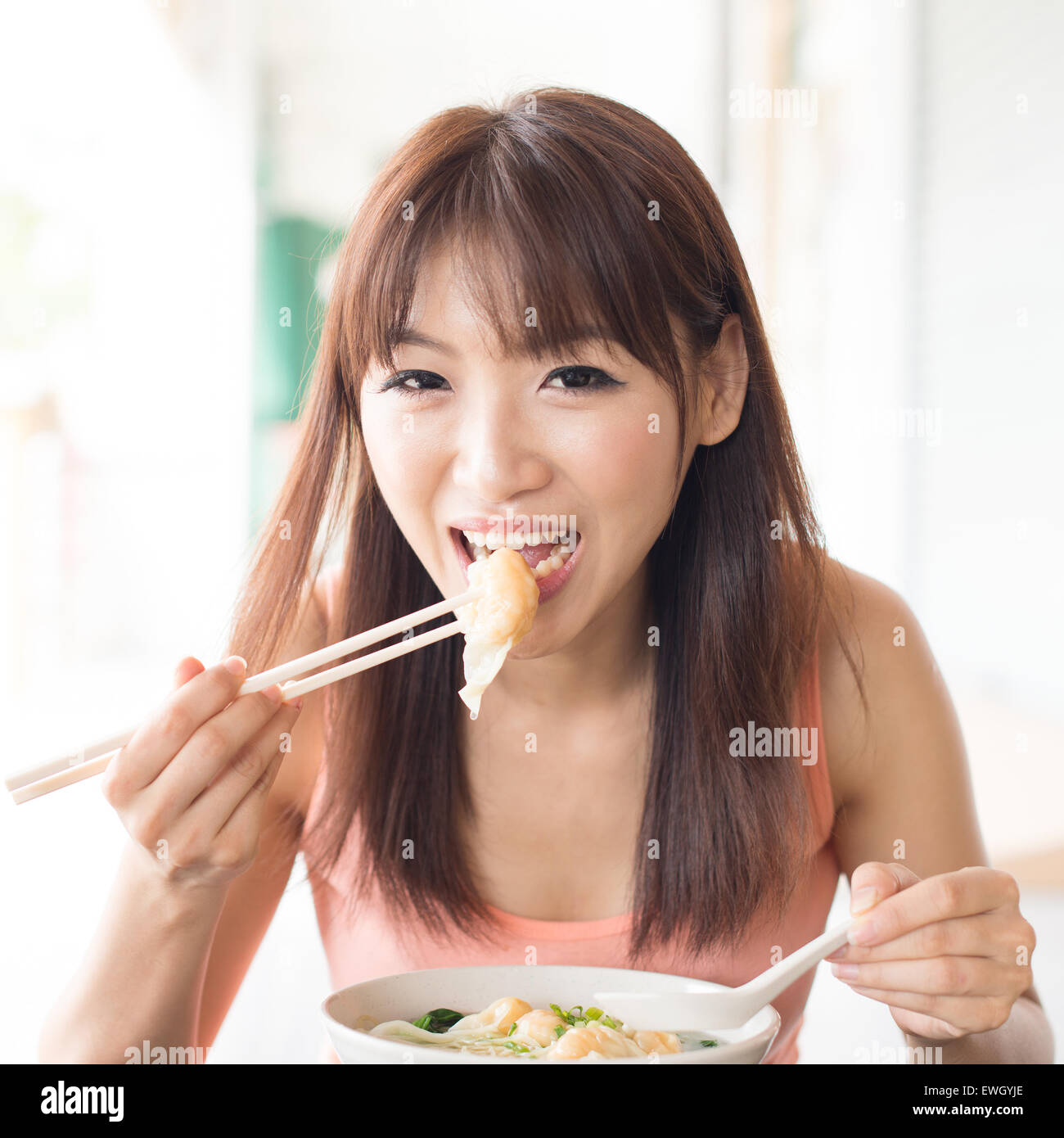
The visual and culinary narrative of making and eating handcrafted dumplings captures the intersection of traditional Asian food heritage, culinary precision, and immersive sensory storytelling. From managing dough hydration and fat ratios to mastering delicate pleats and achieving a lacy, pan-fried crust, this profile explores the technique, cultural context, and step-by-step methodology behind crafting and enjoying authentic homemade dumplings.
The Cultural and Visual Renaissance of Handcrafted Dumplings
In modern food culture and digital media, profiles of home cooks and creators hand-folding and savoring dumplings (jiaozi) have become a global phenomenon. What was once viewed primarily as a fast weeknight dinner or a seasonal festival ritual has shifted into a celebrated culinary art form. Watching the meticulous step-by-step transformation—kneading smooth dough, chopping fresh aromatics, pleating intricate edges, and sitting down to enjoy the freshly cooked results—resonates deeply with audiences seeking mindful, craft-oriented food experiences.
Industrial frozen dumplings offer convenience, but they lack the textural complexity and moisture control of fresh, handmade dough. Freshly kneaded wrappers yield an elastic, tender bite (q-弹, or pleasant chewiness) that seals in rich meat broth and fragrant vegetables. Beyond the physical dish, the ritual of dumpling making carries centuries of cultural symbolism. In Chinese tradition, the crescent shape of a jiaozi resembles ancient silver and gold ingots (yuanbao), representing prosperity, family unity, and warmth.
Whether portrayed in artisanal cooking media, traditional family kitchens, or silent culinary profiles, the journey from raw ingredients to a steaming plate of dipping-sauce-coated dumplings highlights the timeless harmony between cooking technique and sensory enjoyment.
Dough Mechanics: Flour Selection, Water Temperature, and Gluten Development
The quality of a dumpling depends heavily on its wrapper. Achieving the ideal wrapper requires an understanding of flour chemistry, hydration ratios, and water temperature. Commercial pre-made wrappers often contain cornstarch and preservatives that make them stiff and difficult to pleat. Homemade dough, by contrast, relies on just two ingredients: wheat flour and water.
| DOUGH TYPE | WATER TEMP | GLUTEN BEHAVIOR | BEST COOKING METHOD |
|---|---|---|---|
| Cold Water Dough | 15°C – 25°C (59°-77°F) | Strong, Elastic | Boiling (Shui Jiao) |
| Warm Water Dough | 40°C – 50°C (104°-122°F) | Balanced | Multi-Purpose |
| Hot Water Dough | 70°C – 100°C (158°-212°F) | Weakened/Soft | Steaming / Frying |
Protein Content and Flour Choice
All-purpose flour with a protein content between 10% and 11.5% is the gold standard for standard wheat dumplings. High-gluten bread flour yields wrappers that are excessively rubbery and hard to roll out, while low-gluten cake flour lacks the structural strength needed to hold juicy fillings without tearing during boiling.
The Role of Water Temperature
Water temperature alters how wheat proteins (gliadin and glutenin) form gluten networks:
- Cold Water Dough (15°C to 25°C): Yields strong, elastic gluten. The resulting wrapper is firm, retains its shape in boiling water, and delivers a toothsome, chewy texture. This dough is preferred for traditional northern Chinese boiled dumplings (shui jiao).
- Hot Water Dough (70°C to 100°C): Hot water denatures the proteins and partially gelatinizes the starches. This suppresses gluten formation, resulting in a soft, pliable, and slightly translucent wrapper that does not shrink back when rolled. Hot water dough is ideal for pan-fried potstickers (guo tie) and steamed dumplings (zheng jiao).
- Warm Water Dough (40°C to 50°C): Combines pliability with structural strength, making it an excellent all-purpose choice for home cooks.
Hydration Percentage and Dough Resting
The standard hydration ratio for dumpling dough is 50% to 55% water weight relative to flour weight (for example, 250 grams of water per 500 grams of flour).
After initial mixing and rough kneading, the dough must undergo a resting phase (xing mian) covered for at least 30 to 60 minutes. Resting permits full starch hydration and allows the gluten network to relax, making the dough easy to roll into wafer-thin discs without springing back.
Crafting Balanced Fillings: Juiciness, Emulsification, and Moisture Control
A successful dumpling filling is juicy without turning soggy. Achieving this requires precise fat-to-lean meat ratios, proper seasoning order, and controlling vegetable moisture.
Fat-to-Lean Ratios and Meat Preparation
Ground pork is the traditional base for classic dumplings due to its high collagen and fat content. Pork shoulder (boston butt) offers the ideal natural ratio of approximately 70% lean meat to 30% fat. If the meat is too lean, the filling will turn dry, dense, and grainy after cooking.
The Technique of Emulsification (Da Shui)
To produce a soup-dumpling-like burst of moisture in standard jiaozi, cooks practice da shui—literally "beating in water."
- Measure cold ginger-scallion liquid or rich stock equal to 15% to 20% of the total meat weight.
- Pour the liquid into the ground meat in small increments.
- Stir vigorously in one direction only using chopsticks or a wooden spoon.
This directional stirring aligns the meat proteins, whipping the mixture into a sticky, light emulsified paste that absorbs and locks in the liquid. When cooked, the trapped fluid turns into a rich internal broth.
- Ground Pork (70/30 Fat Ratio)
- Add Ginger-Scallion Water (15-20% weight)
- Vigorous Single-Direction Stirring
- Sticky Gelatinous Emulsion Formed
- Fold in Dehydrated Vegetables (Napa Cabbage / Chives)
Managing Moisture in Vegetables
Vegetables like napa cabbage, zucchini, and yellow chives contain over 90% water. If added raw and un-treated, salt in the seasoning will draw out excess juice inside the wrapper, causing the dough seams to burst and open.
To prevent soggy fillings, finely chop the vegetables, toss them with a teaspoon of salt, and let them sit for 15 minutes. Squeeze out the excess liquid using a clean cheesecloth or nut milk bag before folding the drained vegetables into the seasoned meat emulsion.
Mastering the Folds: Pleating Techniques and Structural Integrity
Rolling and shaping dumplings requires coordination. Wrappers should be rolled using a small wooden rolling pin (mian zhang), spinning the dough disc with one hand while rolling outward with the other. This creates a wrapper that is thicker in the center and thinner around the edges (bao bian zhong hou). The thick center supports heavy filling, while the thin edges prevent double-layered pleats from becoming thick and doughy.
| STYLE | TYPICAL FILLING | WRAPPER CHARACTERISTIC | PRIMARY COOK METHOD |
|---|---|---|---|
| Boiled (Shui Jiao) | Pork & Napa Cabbage | Cold-water, medium edge | Triple-Boil Method |
| Potsticker (Guo Tie) | Pork & Chive | Hot-water, thin edge | Sear-Steam-Crisp |
| Steamed (Zheng Jiao) | Beef & Onion | Hot-water, delicate | Bamboo Steamer |
| Soup (Xiao Long Bao) | Pork & Aspic | Thin, high-gluten top | High-Heat Steam |
Essential Folding Styles
- The Straight Half-Moon Seal: The basic fold. Pinch the center top seam, then press the outer curved edges together flat without pleats. Best for quick assembly or boiled dumplings.
- The Crescent Pleat (One-Sided Fold): The iconic dumpling fold. Secure the center point. Create 3 to 5 forward-facing pleats along the front half of the wrapper while keeping the back panel smooth and flat. This arches the dumpling into a crescent shape with a stable base.
- The Symmetrical Center Fold (Gold Ingot): Fold two outer pleats inwards toward a central point on both the left and right sides. This creates a wide, self-standing dumpling that rests flat on a pan bottom.
Cooking Techniques: Boiling, Steaming, and the Lace Skirt
The cooking method dictates the textural contrast between the soft wrapper and cooked filling.
Pan-Frying with Lace Skirt (Bing Hua):
- Sear Dumpling Bases in Oil
- Pour Starch-Oil Slurry
- Cover & Steam
- Evaporate to Crisp Skirt
1. Boiling (Shui Jiao) and the Triple-Boil Method
Boiling requires a large pot of water to maintain thermal mass. Dropping dumplings into shallow water causes them to stick to the bottom and tear.
- Bring water to a rolling boil and gently drop in the dumplings, stirring immediately with the back of a ladle to prevent sticking.
- The Triple-Boil Method (Jia Leng Shui): When the water reaches a violent boil, pour in 1/2 cup of cold water. Repeat this process three times. Adding cold water drops the surface temperature, allowing heat to cook the dense meat filling thoroughly without tearing the delicate boiling dough.
2. Pan-Frying (Guo Tie) and the Golden Lace Skirt (Bing Hua)
Pan-fried potstickers feature a contrast between a crispy, golden bottom and a soft, steamed top.
To create the visually appealing "lace skirt" or "ice flower" (bing hua) often seen in food media profiles:
- Arrange dumplings in a non-stick or cast-iron skillet with oil over medium heat for 2 minutes until the bottoms turn pale gold.
- Prepare a slurry ratio of 10 parts water, 1 part flour or cornstarch, and 1 part neutral cooking oil.
- Pour the well-whisked slurry directly into the hot pan around the dumplings (it should sizzle violently) and immediately cover with a tight-fitting lid.
- Steam on medium heat for 6 to 8 minutes until the filling is cooked through.
- Remove the lid and allow all residual water to evaporate. As moisture leaves, the starch and oil turn into an intricate, golden lattice skirt across the pan. Invert onto a plate for presentation.
The Sensory Appeal and Dipping Sauce Chemistry
Eating dumplings is a complete sensory experience, balancing temperature, texture, and flavor profiles.
Dipping Sauce Flavor Balance:
- Chinkiang Black Vinegar (Acid/Umami)
- Light Soy Sauce (Salinity)
- Sichuan Chili Crisp (Heat/Texture)
- Fresh Garlic (Aroma/Pungency)
Constructing the Dipping Sauce
A well-crafted dipping sauce cuts through the rich pork fat and highlights the fresh aromatics of the dumpling. The golden ratio for an authentic dipping sauce includes:
- 2 parts Chinkiang Black Vinegar: Aged black rice vinegar provides an earthy, woody acidity with deep umami notes.
- 1 part Light Soy Sauce: Adds salt and liquid depth without overwhelming the vinegar profile.
- 1 part Sichuan Chili Crisp or Chili Oil: Introduces crunchy fried shallots, heat, and vibrant red oil.
- Optional Additions: Freshly grated raw garlic, toasted sesame oil, and finely julienned fresh ginger.
The Mukbang and Culinary Profile Aesthetic
Profiles featuring food creators making and eating dumplings showcase a blend of auditory and visual appeal:
- Auditory: The crunch of the pan-fried starch lattice, the bubbling sauce, and the steam escaping when a dumpling is bitten into.
- Visual: Vibrant red chili oil clinging to translucent, pleated dough, revealing steaming meat cross-sections.
- Tactile: The balance of dipping cold, tangy sauce onto a hot, freshly cooked dumpling.
Step-by-Step Practical Blueprint: Homemade Dumplings
Follow this blueprint to craft homemade pork and napa cabbage dumplings from scratch.
Equipment & Ingredients Required
- Dough: 400g all-purpose flour, 210g room-temperature water, 1/2 tsp salt.
- Filling: 400g ground pork (70/30 fat ratio), 250g napa cabbage, 3 stalk green onions (minced), 1 tbsp fresh ginger (grated), 2 tbsp light soy sauce, 1 tbsp Shaoxing rice wine, 1 tbsp toasted sesame oil, 1/2 tsp ground white pepper, 1/2 tsp salt, 60ml ginger-scallion water.
Execution Procedure
- Prepare the Dough: Mix flour, salt, and water in a bowl until a shaggy dough forms. Knead for 8–10 minutes until smooth. Cover with a damp cloth and rest for 45 minutes.
- Salt the Cabbage: Finely mince the napa cabbage and toss with 1/2 tsp salt. Let sit for 15 minutes, then squeeze out all liquid using cheesecloth.
- Emulsify the Meat: Place ground pork in a large bowl. Add soy sauce, Shaoxing wine, white pepper, and ginger. Slowly add the ginger-scallion water in three batches, stirring vigorously in one direction until light and sticky.
- Combine Filling: Fold the squeezed cabbage, minced green onions, and toasted sesame oil into the emulsified meat. Cover and chill in the refrigerator for 30 minutes.
- Roll Wrappers: Divide rested dough into 4 equal portions. Roll each portion into a long rope about 2cm thick. Cut into 12g to 15g pieces. Flatten each piece into a disc and roll out the edges, creating wrappers with a thick center and thin rim.
- Assemble & Pleat: Place 1 tablespoon of filling into the center of a wrapper. Fold into crescent pleats, pressing seams firmly to remove air pockets.
- Cook: Choose between boiling using the triple-boil method (5–6 minutes) or pan-frying with a starch slurry for a crispy lattice skirt (8–10 minutes).
- Serve: Serve hot alongside a dip of black vinegar, garlic, and chili crisp.
Frequently Asked Questions
What flour is best for making homemade dumpling wrappers from scratch?
Medium-protein all-purpose wheat flour (around 10% to 11.5% protein content) is best for homemade dumpling wrappers. It provides the right balance of gluten strength and pliability, allowing the dough to stretch over rich fillings without tearing while maintaining a chewy texture after boiling or steaming.
Why do homemade dumpling wrappers pull back or shrink during rolling?
Dough shrinks back when the gluten network is over-worked and tense. To prevent this, allow the dough to rest, covered, for at least 30 to 60 minutes after initial kneading. This resting period lets the gluten strands relax, making the dough easy to roll into thin, stable wrappers.
How do food creators achieve the lacy, crispy skirt on pan-fried dumplings?
The crispy skirt (bing hua) is achieved by pouring a starch-and-water slurry directly into the pan while frying potstickers. A mix of 10 parts water, 1 part cornstarch or flour, and 1 part cooking oil is poured into the pan once the dumpling bases are golden. Covering the pan steams the tops, and as the liquid evaporates, the residual starch fries into a thin, golden lace.
How do you prevent dumpling filling from releasing too much liquid?
Vegetables with high water content, like napa cabbage or zucchini, must be salted, rested for 15 minutes, and squeezed thoroughly in cheesecloth before being added to the ground meat. Additionally, whipping liquid into the meat (da shui) in a single direction emulsifies the proteins, trapping juices inside during cooking.
Can dumpling dough and assembled dumplings be prepared in advance and frozen?
Yes. Assembled dumplings freeze well. Arrange un-cooked dumplings in a single layer on a parchment-lined baking sheet so they do not touch, and freeze for 2 hours until solid. Transfer them to an airtight freezer bag for up to 3 months. Cook directly from frozen by adding 2–3 extra minutes to the total boiling or pan-frying time. Do not thaw before cooking, or the wrappers will turn soggy.
Mastering Your Home Dumpling Process
Creating handcrafted dumplings combines culinary science, visual craft, and flavor balance. By managing dough temperature, mastering protein emulsification, and using high-heat cooking techniques, home cooks can recreate the sensory dumpling experience seen in dedicated food media profiles.
To improve your results, focus on mastering one element at a time—start by perfecting wrapper rolling, move on to experimenting with flavor profiles and fat ratios, and finish by mastering the lace skirt technique.