Skin exfoliants are topical treatments or physical tools designed to remove dead skin cells from the outermost layer of the epidermis, known as the stratum corneum. By clearing cellular debris, exfoliants enhance skin texture, unclog pores, fade hyperpigmentation, and accelerate natural cell turnover. Selecting the correct type—whether chemical or physical—depends entirely on your individual skin type, tolerance, and specific dermatological goals.
Understanding Skin Exfoliation and Epidermal Turnover
The skin naturally renews itself through a process termed desquamation. Deep within the epidermis, progenitor cells divide and gradually migrate upward toward the skin surface. As these cells transit through the epidermal layers, they differentiate into corneocytes—flattened, dead cells packed with keratin. Under optimal conditions, the skin sheds millions of these dead cells daily, completing a full cycle approximately every 28 to 40 days.
As skin ages or encounters environmental damage, the natural desquamation rate slows down. Desmosomes—the protein structures holding corneocytes together—do not break down as efficiently. This accumulation of dead cells creates a dull appearance, accentuates fine lines, traps sebum within hair follicles, and leaves the skin surface feeling rough or uneven.
Exfoliation intervenes in this cycle by accelerating the detachment of stubborn corneocytes. Chemical exfoliants dissolve the intercellular intercellular lipids or protein bonds holding cells together, whereas physical exfoliants use kinetic friction to manually dislodge them. When performed correctly, exfoliation signals the lower epidermal layers to step up healthy cell production, resulting in a smoother, more radiant complexion and improved topical product absorption.
Physical vs. Chemical Exfoliants: Core Differences
Exfoliants fall into two primary structural categories: physical (mechanical) and chemical. Understanding how these mechanisms interact with your skin barrier is critical to preventing micro-inflammation and transepidermal water loss (TEWL).
EXFOLIATION MECHANISMS
| PHYSICAL EXFOLIATION | CHEMICAL EXFOLIATION |
|---|---|
| Manual friction | Cleaves intercellular bonds |
| Surface-level removal | Penetrates into deeper pores |
| Instant texture smoothing | Regulates cellular turnover |
| Risk of uneven abrasion | Requires controlled pH levels |
Physical Exfoliants
Physical exfoliants rely on manual abrasion to rub away dead skin cells. This category includes facial scrubs containing micro-fine granules, jojoba beads, powdered grains, as well as textured tools like cleansing brushes, konjac sponges, and dermaplaning blades.
- Advantages: Provides immediate surface smoothness; allows the user to manually control where pressure is applied.
- Drawbacks: High potential for user error. Unevenly ground seeds, crushed walnut shells, or excessive pressure can create micro-tears in the stratum corneum, compromising the lipid barrier and inducing localized inflammation or bacterial spread.
Chemical Exfoliants
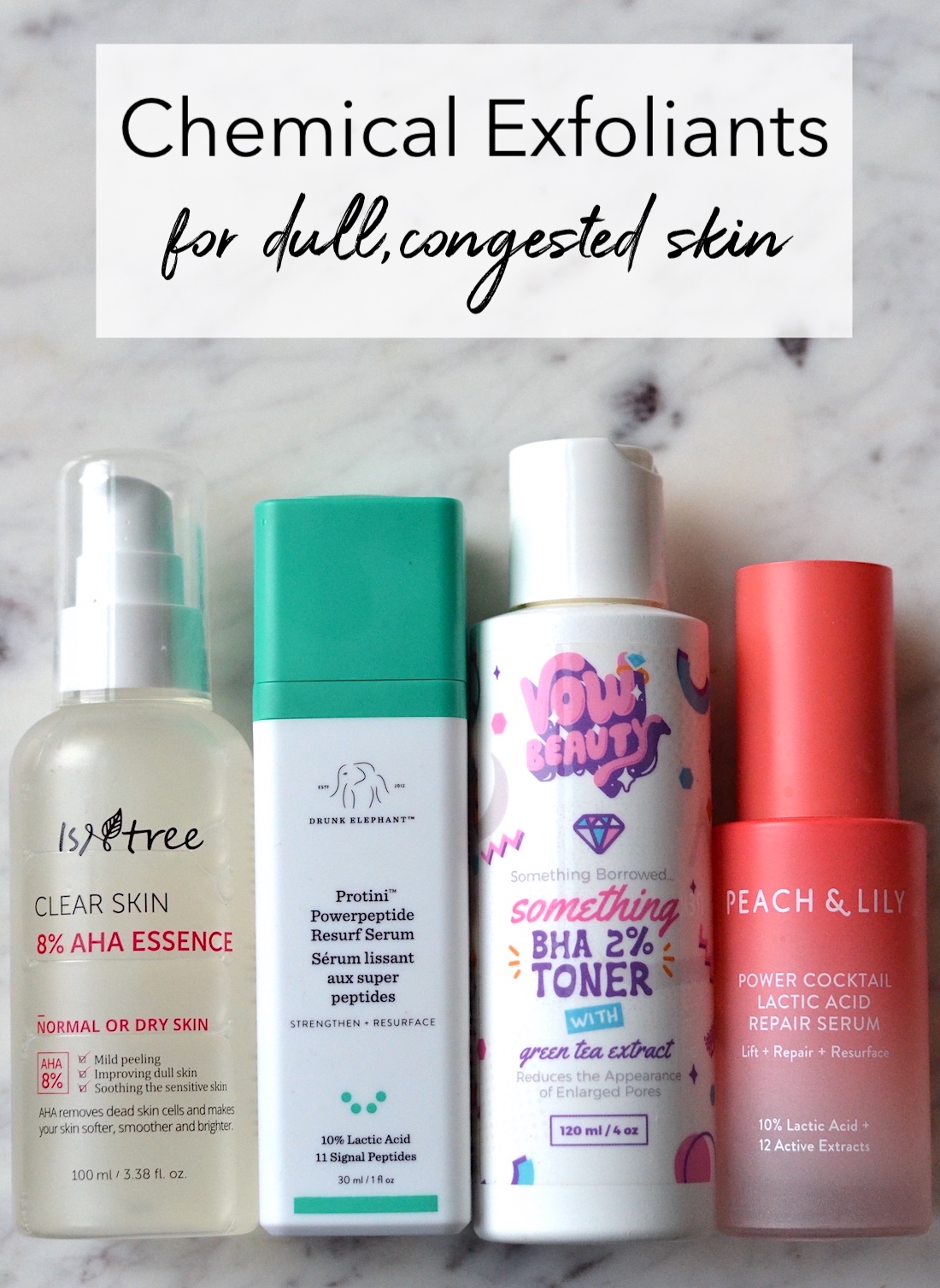
Chemical exfoliants use bio-active acids or biological enzymes to dissolve the protein glue (cadherins and desmosomes) binding dead cells together. They require no scrub movement and penetrate skin layers at varying depths determined by their molecular size and chemical structure.
- Advantages: Delivers even, controlled exfoliation without mechanical friction; capable of penetrating into pores to treat acne; offers secondary benefits like hydration and hyperpigmentation reduction.
- Drawbacks: Overuse can cause chemical irritation, redness, burning, and severe skin barrier disruption; requires strict daily photoprotection.
Primary Types of Chemical Exfoliants
Chemical exfoliants are classified based on their molecular geometry, solubility, and mechanism of action. The three main acid classes are Alpha Hydroxy Acids (AHAs), Beta Hydroxy Acids (BHAs), and Polyhydroxy Acids (PHAs), alongside enzymatic agents.
Alpha Hydroxy Acids (AHAs)
AHAs are water-soluble organic carboxylic acids primarily derived from fruits, milk, or sugar cane. They work predominantly on the skin’s surface to weaken desmosomes, making them ideal for dry, sun-damaged, or aging skin.
- Glycolic Acid: Derived from sugar cane, glycolic acid has the smallest molecular weight (76.05 g/mol) among AHAs. This small size allows it to penetrate deeply and quickly into the epidermis. It effectively stimulates collagen production and targets deep-seated discoloration, but carries a higher risk of irritation for sensitive skin.
- Lactic Acid: Derived from fermented milk or synthesized synthetically, lactic acid has a larger molecular size than glycolic acid, making it gentler. It doubles as a natural humectant, drawing moisture into the skin while shedding surface cells.
- Mandelic Acid: Derived from bitter almonds, mandelic acid features a significantly larger molecular structure. It penetrates slowly and evenly, making it safe for sensitive skin and darker phototypes (Fitzpatrick IV–VI) prone to post-inflammatory hyperpigmentation (PIH).
- Malic and Citric Acids: Larger-molecule AHAs derived from apples and citrus fruits, respectively. These are often added to formulations in lower concentrations to adjust product pH and provide antioxidant benefits.
Beta Hydroxy Acids (BHAs)
BHAs are lipid-soluble (oil-soluble) hydroxy acids. Unlike water-soluble AHAs, BHAs can pass through lipid membranes and penetrate deep into the sebaceous unit of the pore.
- Salicylic Acid: The predominant BHA used in skincare. Because it is oil-soluble, salicylic acid dissolves lipid accumulations, hardened sebum, and cellular debris inside clogged pores. It also possesses natural anti-inflammatory and anti-microbial properties related to its structural similarity to aspirin, making it the gold standard for acne-prone and oily skin types.
- Betaine Salicylate: A gentler derivative combining salicylic acid with betaine. It provides lipid-soluble exfoliation at a lower irritation profile and is frequently used in sensitive-skin formulations.
Polyhydroxy Acids (PHAs)
PHAs are often referred to as second-generation AHAs. Common examples include Gluconolactone, Lactobionic Acid, and Maltobionic Acid.
PHAs feature multiple hydroxyl groups, giving them a much larger molecular size than traditional AHAs. As a result, they penetrate the stratum corneum very slowly, exfoliating exclusively on the outer skin surface without triggering inflammation. PHAs also function as powerful humectants and antioxidants, making them suitable for individuals with rosacea, eczema, or severely compromised skin barriers.
Enzymatic Exfoliants
Enzymatic exfoliants utilize proteolytic enzymes—typically derived from fruits like papaya (papain), pineapple (bromelain), or pumpkin—to break down specific keratin proteins on the skin surface. Enzymes work strictly on non-viable, dead cell proteins without affecting underlying living tissue. Because their action relies on moisture and moderate pH rather than acid-base peeling, enzymatic cleansers and masks offer a non-irritating alternative for extremely reactive skin.
Selecting the Right Exfoliant for Your Skin Type
Selecting an effective exfoliant requires matching active compounds to your skin's unique lipid levels, sensitivity threshold, and primary cosmetic concerns.
| Exfoliant Type | Active Ingredients | Key Properties | Best For (Skin Type) | Primary Concerns Addressed | Recommended Frequency |
|---|---|---|---|---|---|
| AHA (Small Molecule) | Glycolic Acid | Water-soluble, deep penetration, collagen-supporting | Normal, Oily, Dry (non-sensitive) | Sun damage, rough texture, fine lines | 1–3 times per week |
| AHA (Large Molecule) | Lactic Acid, Mandelic Acid | Water-soluble, surface-acting, humectant properties | Dry, Combination, Sensitive | Mild hyperpigmentation, surface dullness | 2–3 times per week |
| BHA | Salicylic Acid, Betaine Salicylate | Lipid-soluble, pore-penetrating, anti-inflammatory | Oily, Acne-prone, Combination | Blackheads, comedones, enlarged pores | 2–4 times per week |
| PHA | Gluconolactone, Lactobionic Acid | Water-soluble, large molecule, non-irritating, hydrating | Sensitive, Dry, Reactive, Rosacea-prone | Mild dullness, dehydration, delicate skin maintenance | 3–5 times per week |
| Enzyme | Papain, Bromelain | Protein-cleaving, neutral pH requirement | Hyper-sensitive, Reactive | Temporary dullness, flaky patches | 1–2 times per week |
| Physical (Gentle) | Jojoba beads, Rice powder | Surface-level mechanical polishing | Normal, Resilient Oily | Flaky surface texture, dullness | 1–2 times per week |
Key Benefits of Controlled Exfoliation
When integrated into a skin care routine with restraint and precision, appropriate exfoliation yields clear, measurable improvements:
- Refined Skin Texture: Removing excess corneocyte build-up smooths rough patches, leaving the skin soft and uniform.
- Unclogged Pores and Reduced Acne: BHAs dissolve trapped sebum and keratotic plugs within pores, reducing the formation of microcomedones, blackheads, and inflammatory acne lesions.
- Faded Hyperpigmentation: Accelerating epidermal turnover helps clear excess melanin deposits located in surface cells, fading dark spots, melasma, and post-acne marks more quickly.
- Enhanced Product Efficacy: Clearing the layer of dead cells reduces the barrier to absorption, allowing secondary serums, moisturizers, and active ingredients to penetrate more effectively.
- Support for Age Management: Chemical exfoliants—glycolic acid in particular—help stimulate glycosaminoglycan synthesis and support healthy collagen density in the dermis over prolonged use.
Step-by-Step Guide: How to Safely Use Exfoliants
To prevent barrier disruption, chemical burns, or rebound breakout activity, follow a structured process when introducing chemical or physical exfoliants into your regimen.
EXFOLIATION IMPLEMENTATION STEPS
- Step 1: Conduct Patch Testing (24-48 hours prior)
- Step 2: Cleanse Thoroughly with a Gentle, pH-Balanced Cleanser
- Step 3: Apply Chemical Exfoliant to Clean, Completely Dry Skin
- Step 4: Allow Proper Contact Time Before Layering Next Products
- Step 5: Seal Skin with a Barrier-Supporting Moisturizer
- Step 6: Apply Broad-Spectrum Sunscreen (SPF 30+) Daily
Step 1: Perform a Patch Test
Before applying any new chemical acid or physical polish to your face, apply a small amount of product to your inner forearm or the area behind your ear. Wait 24 to 48 hours to monitor for signs of contact dermatitis, severe redness, itching, or swelling.
Step 2: Prepare the Skin
Begin by washing your face with a mild, pH-balanced cleanser that contains no active exfoliating ingredients. Pat your skin dry with a clean towel.
Note: Applying chemical acids (especially AHAs) to damp skin increases their penetration speed and depth, which can significantly raise the risk of severe irritation. Ensure skin is fully dry unless using a rinse-off enzymatic cleanser.
Step 3: Apply the Exfoliant Correctly
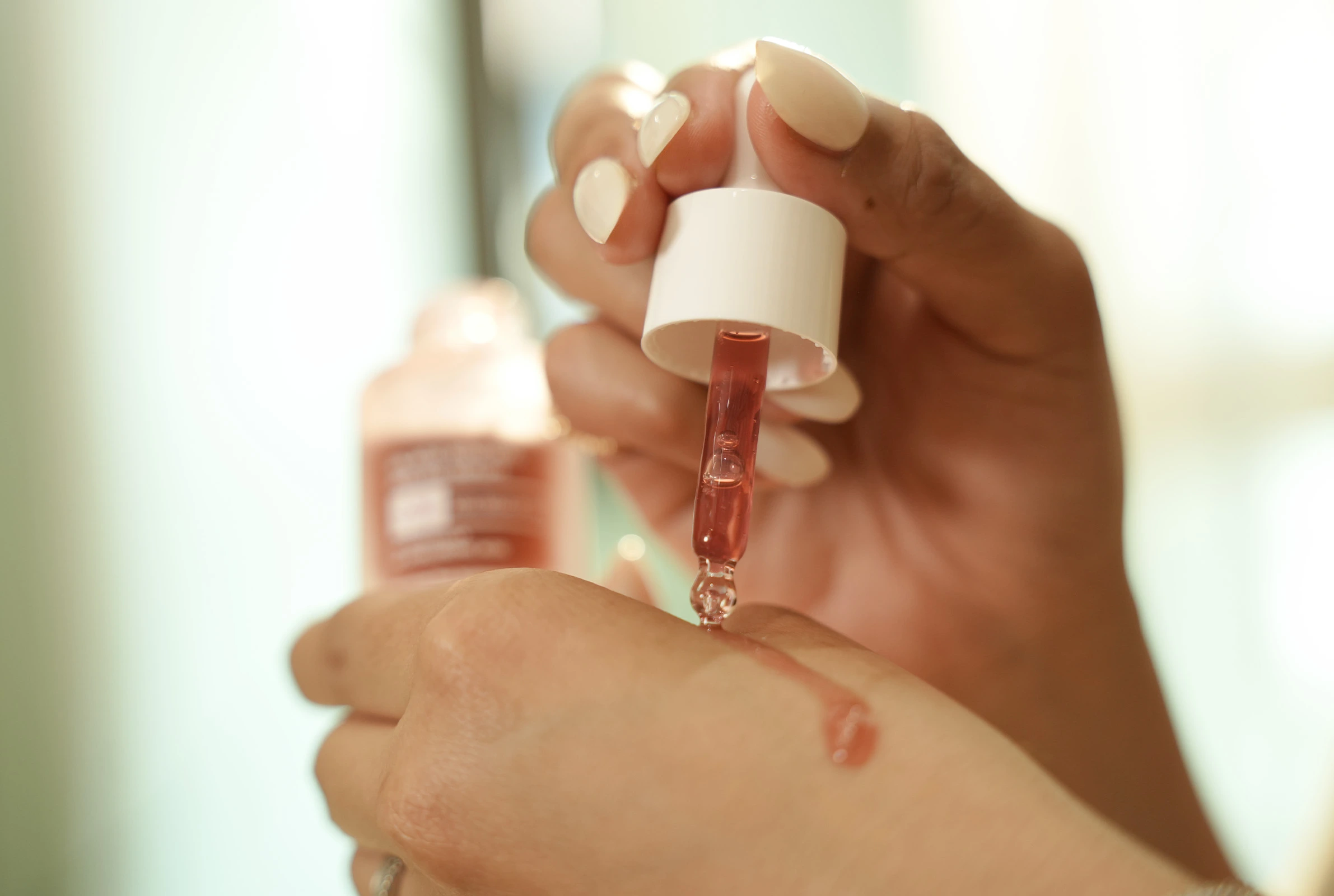
- For Liquid or Toner Acids: Dispense a few drops into your hands or onto a reusable cotton pad. Sweep gently across the face, avoiding the immediate eye area, nostrils, and lips.
- For Serums and Creams: Spread a pea-sized amount evenly across the face using clean fingers.
- For Physical Scrubs: Apply a dime-sized amount to damp skin. Using light pressure, massage in smooth, circular motions for no more than 30 to 45 seconds. Avoid scrubbing aggressively.
Step 4: Allow Contact Time and Layer Mindfully
Give leave-on chemical exfoliants 1 to 3 minutes to settle before layering additional products. Follow with hydrating serums containing ingredients like hyaluronic acid, glycerin, or niacinamide.
Avoid stacking actives: Never layer strong chemical exfoliants simultaneously with high-potency retinoids (such as prescription tretinoin or over-the-counter retinol), pure L-ascorbic acid (Vitamin C), or benzoyl peroxide in the same application window unless specifically instructed by a dermatologist.
Step 5: Protect the Skin Barrier
Seal in hydration with a moisture-replenishing cream formulated with lipid-barrier components such as ceramides, cholesterol, and free fatty acids.
Step 6: Apply Sunscreen Daily
AHAs and physical scrubs increase skin photosensitivity by removing the protective top layer of corneocytes. This makes the newly exposed skin more vulnerable to ultraviolet (UV) radiation. Apply a broad-spectrum sunscreen with an SPF of 30 or higher every morning, regardless of season or weather conditions.
Identifying and Recovering from Over-Exfoliation
Over-exfoliation occurs when the skin barrier is stripped faster than it can rebuild its protective intercellular matrix. Recognizing the signs early prevents long-term lipid loss and severe inflammation.
Common Signs of Over-Exfoliation
- A persistent, plastic-like "shiny" sheen on the skin without actual oil production.
- Stinging or burning when applying basic, non-active moisturizers or gentle cleansers.
- Widespread erythema (flushing or persistent redness).
- Localized flaking, extreme dryness, and increased tightness.
- Sudden onset of tiny, fluid-filled bumps or reactive breakouts.
BARRIER RECOVERY PROTOCOL
- Immediate Cessation: Stop ALL acids, scrubs, retinoids, & Vitamin C
- Minimalist Regimen: Gentle, non-foaming cleanser + bland cream
- Key Ingredients: Ceramides, Centella Asiatica, Panthenol, Squalane
- Sun Protection: Use 100% zinc oxide physical sunscreen
- Timeline: Maintain strict barrier repair for 2 to 4 full weeks
Barrier Repair Protocol
If you show symptoms of over-exfoliation, stop using all exfoliants, retinoids, Vitamin C derivatives, and strong cleansers immediately. Switch to a basic maintenance routine consisting of a gentle non-foaming cleanser, a ceramide-rich barrier repair cream, and a mineral (zinc oxide) sunscreen. Maintain this simplified recovery routine for 2 to 4 weeks until the stratum corneum has fully restored its natural lipid barrier before reintroducing active exfoliants at a lower frequency.
Frequently Asked Questions
Can I use chemical exfoliants every day?
For most individuals, daily chemical exfoliation is unnecessary and increases the risk of barrier disruption. Low-concentration PHAs or very mild BHA cleansers may be formulated for daily use, but higher-potency AHA serums or concentrated salicylic acid solutions should generally be limited to 1 to 3 times per week, depending on your skin's tolerance.
Should I exfoliate in the morning or at night?
It is generally best to exfoliate during your evening routine. Chemical acids (especially AHAs) make the skin more sensitive to sunlight, and exfoliating at night allows your skin time to recover and re-establish its moisture barrier while you sleep. If you choose to exfoliate in the morning, strict sunscreen application is mandatory.
How do I know if I should use an AHA or a BHA?
Select an AHA if your primary concerns are surface dryness, rough texture, sun damage, or hyperpigmentation on normal-to-dry skin. Choose a BHA if you have oily, acne-prone skin, blackheads, or clogged pores, as salicylic acid's oil-solubility allows it to work deep inside the pores.
Can I combine physical and chemical exfoliants?
Combining physical scrubs and chemical acids in the same routine is generally not recommended. Using both at once drastically increases the risk of micro-tears, severe erythema, and lipid barrier damage. It is safer to select one method that best fits your skin type.
Is flaking normal after using chemical exfoliants?
Mild shedding can occur when introducing a new exfoliant as dead skin cells detach. However, significant flaking, peeling accompanied by tightness, redness, or burning is a sign of irritation rather than healthy exfoliation. If these symptoms occur, reduce your frequency of use or switch to a lower concentration or gentler acid type like lactic acid or a PHA.
Establishing a Sustainable Exfoliation Routine
Optimizing your exfoliation routine requires a cautious, individual approach rather than following rigid trends. Start by identifying your skin type and your main target concern—whether that is clearing pore congestion with a BHA, smoothing surface texture with a mild AHA, or hydrating delicate skin with a PHA.
Begin slowly: introduce your chosen exfoliant once per week for the first two weeks. If your skin shows no signs of irritation, stinging, or redness, gradually increase the frequency to two or three times per week. Monitor your skin's daily response, reduce active use at the first sign of barrier stress, and prioritize daily sun protection to keep your skin healthy, clear, and resilient.