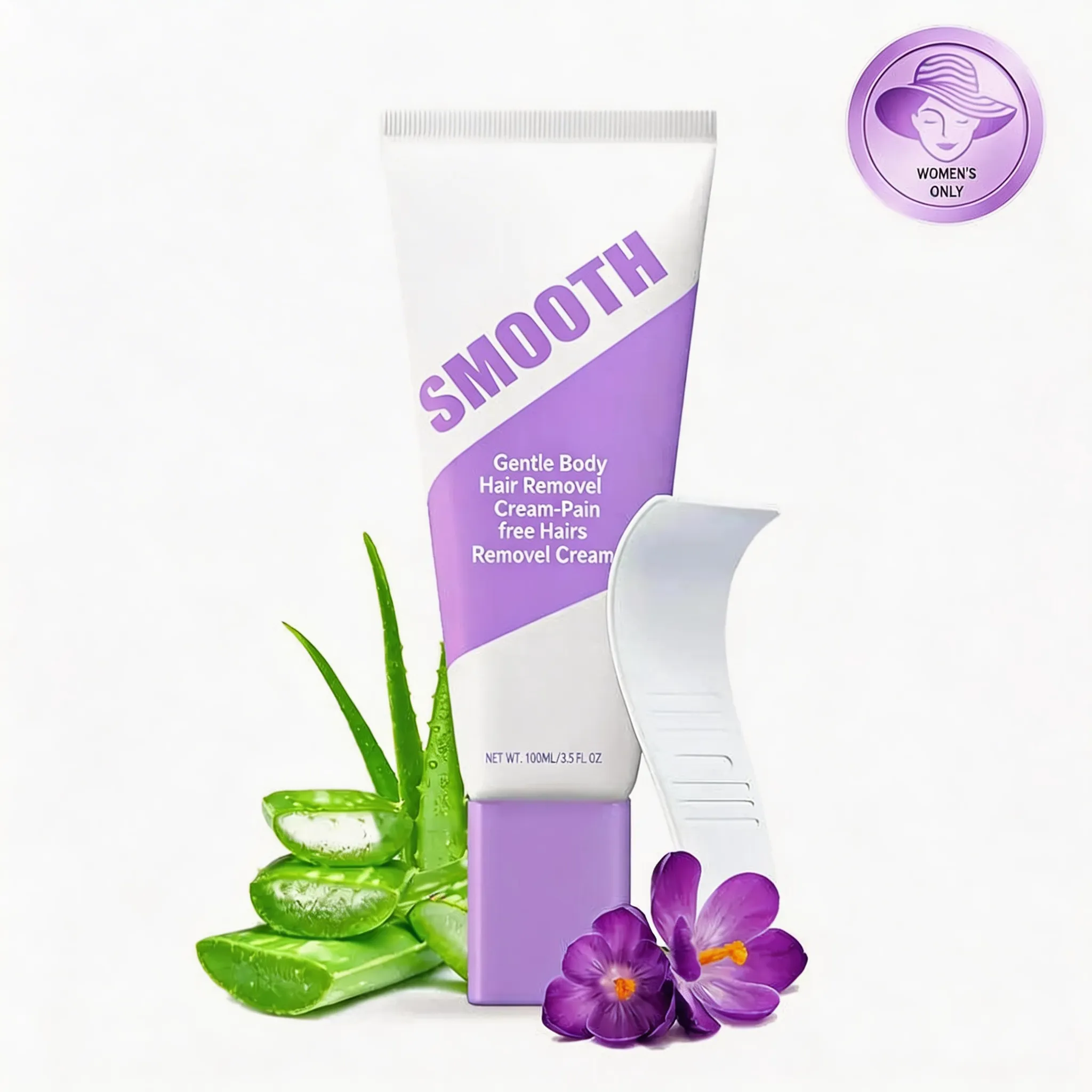
Hair removal cream, scientifically known as a chemical depilatory, provides a fast and painless method for removing unwanted body hair without the nicks of shaving or the discomfort of waxing. By breaking down the protein structures within the hair shaft just below or at the skin's surface, these creams allow hair to be easily wiped away. Achieving smooth, irritation-free skin requires selecting the right formulation for your skin type, performing a precise patch test, strictly adhering to timing limits, and implementing proper post-treatment skincare.
Understanding How Depilatory Creams Work Painlessly
Chemical hair removal creams offer a painless alternative to physical hair extraction methods like waxing, plucking, or epilating because they do not pull hair follicles from their roots. Instead, depilatories rely on active chemical agents—most commonly potassium thioglycolate or calcium thioglycolate combined with sodium or calcium hydroxide—to alter the structural integrity of the hair shaft.
Hair is primarily composed of keratin, a fibrous protein held together by strong disulfide bonds. Depilatory creams feature an alkaline pH balance, typically between 11 and 12.5. This high pH causes the hair shaft to swell, allowing the thioglycolates to penetrate the outer layer and break down the internal disulfide bonds holding the protein strands together. Within several minutes, the hair turns into a gel-like consistency that dissolves easily when wiped away with a damp cloth or plastic spatula.
Because the chemical process targets dead protein structures above and just at the follicle opening, the sensory nerve endings surrounding the hair root remain untouched. When applied correctly on healthy skin, the process produces no physical sensation beyond a mild cooling or moisturizing feel. However, because human skin also contains keratin in its outermost layer (the stratum corneum), leaving these formulations on the skin for too long can lead to surface irritation or chemical burns. Understanding this chemical balance is the key to achieving a smooth, pain-free outcome.
Choosing the Right Formula for Your Target Body Area
Not all hair removal creams are formulated equally. The epidermis varies significantly in thickness, sensitive nerve density, and oil production across different regions of the body. Using a heavy-duty body cream on sensitive facial tissue can cause severe irritation, while a gentle facial formula will fail to remove thick leg or chest hair.
Skin Sensitivity & Hair Thickness Hierarchy
| Target Body Area | Characteristics & Requirements |
|---|---|
| Facial & Bikini Zone | Sensitive, thin epidermis; Requires soothing botanicals |
| Arms & Underarms | Moderate sensitivity; Fast-acting balanced formulas |
| Legs, Back & Chest | Coarser hair, thicker skin; High-potency formulations |
Facial Formulations
Facial skin is exceptionally delicate and easily compromised by high pH levels. Facial depilatory creams feature lower concentrations of active thioglycolates and are enriched with skin-soothing ingredients such as soothing chamomile extract, aloe vera, and bisabolol. They often come as a two-step kit containing a soothing pre-treatment or post-treatment balm designed to restore the skin's natural acid mantle immediately after hair removal.
Bikini and Sensitive Area Creams
The pubic region and inner thighs require specialized care due to friction, thin tissue, and high moisture levels. Formulations designed for the bikini line balance effective breakdown of coarse hair with protective emollients like shea butter and vitamin E. Never use general body depilatory creams on sensitive genital tissues unless the product explicitly specifies safe use for intimate zones, and avoid applying creams internally.
Body, Leg, and Men’s Coarse-Hair Formulas
Legs, arms, back, and chest tissue can tolerate slightly higher concentrations of thioglycolates, which are necessary to process dense, coarse hair. Men’s hair removal creams often contain stronger active ingredients and higher pH levels to break down thicker hair shafts quickly. Using these formulas requires strict adherence to recommended application times to prevent skin irritation.
The Essential Pre-Application Safety Routine
Preventing pain, redness, and chemical burns requires proper preparation before opening a tube of hair removal cream. Preparing your skin creates a uniform barrier and minimizes the risk of adverse reactions.
1. Conduct a mandatory patch test
Even if you have used depilatory creams in the past, reformulated products or changing hormonal levels can trigger unexpected contact dermatitis.
- Apply a nickel-sized amount of cream to a small area of the inner arm or the lower leg.
- Keep the cream on for the minimum recommended time printed on the package (usually 3 to 5 minutes).
- Wipe the cream off thoroughly with warm water and pat dry.
- Wait 24 to 48 hours to inspect the area for signs of erythema (redness), itching, swelling, or blistering. If no adverse reaction occurs, the product is generally safe for full application.
2. Inspect skin integrity
Never apply depilatory creams over active sunburns, open wounds, eczema flare-ups, psoriasis plaques, active acne lesions, or recently shaved skin. The alkaline nature of the cream will penetrate compromised skin, resulting in an immediate burning sensation and tissue damage.
3. Avoid physical exfoliation before treatment
Do not use harsh body scrubs, loofahs, dry brushes, or chemical exfoliants (such as glycolic, lactic, or salicylic acid) for at least 24 to 48 hours prior to using a hair removal cream. Exfoliation strips away the outer layer of dead skin cells that protects deeper epidermal layers from the cream's high pH.
Step-by-Step Guide to Safe Application and Removal
Following a structured procedure ensures complete hair removal without compromising your skin barrier.
Application Workflow
- Cleanse & Dry
- Apply Even Layer (Do Not Rub)
- Set Timer
- Test Small Area & Wipe Away
- Rinse Thoroughly
- Restore Moisture & Protect Barrier
Step 1: Cleanse and dry the skin
Wash the target area with a mild, non-soap cleanser and warm water to clear away surface oils, sweat, and antiperspirant or body lotion residues. Oils can act as a physical barrier, preventing the cream from distributing evenly along the hair shaft. Pat the skin completely dry; applying depilatories to wet skin dilutes the active ingredients and alters the chemical reaction rate.
Step 2: Apply a thick, uniform layer
Using the plastic spatula provided (or clean hands), spread a thick, even layer of cream over the unwanted hair. The hair should be completely covered in cream. Crucial rule: Do not rub the product into your skin as you would a moisturizing lotion. Rubbing forces the high-pH chemistry into hair follicles and skin pores, causing deep irritation and burning sensations.
Step 3: Monitor exposure time accurately
Set an electronic timer the moment the cream touches your skin. Always start with the minimum duration specified on the manufacturer’s instructions (typically 3 to 6 minutes). Never guess the elapsed time, and never exceed the maximum package limit (usually 10 minutes total), regardless of remaining hair thickness. Over-processing causes chemical burns on the surrounding skin.
Step 4: Test and wipe away
Once the minimum time elapses, use the edge of the plastic spatula or a damp, soft washcloth to clear a tiny test patch. If the hair comes away easily, gently wipe the remaining cream off using sweeping, upward motions. If the hair remains firm, leave the cream on for an additional 1 to 2 minutes, checking continuously. Use gentle pressure when wiping; scraping hard with a plastic spatula will abrade skin weakened by the alkaline solution.
Step 5: Rinse thoroughly with cool water
Rinse the treated skin under cool or lukewarm running water to remove all traces of chemical residue. Do not use hot water, as heat opens capillaries and increases sensitivity, leading to stinging. Avoid using harsh soaps or body washes immediately after removal. Pat the area dry with a soft towel without rubbing.
Step 6: Apply a skin-barrier recovery product
After drying, apply a fragrance-free, non-comedogenic moisturizer, ceramide cream, or pure aloe vera gel. This restores the skin's moisture barrier and balances epidermal pH. Avoid applying alcohol-containing toners, deodorants, perfumed creams, or active chemical treatments for 24 hours.
Comparing Depilatory Creams with Alternative Hair Removal Methods
Understanding how depilatory creams compare to other popular hair removal techniques helps you choose the best option for your routine, budget, and pain tolerance.
| Hair Removal Method | Primary Mechanism | Pain Level (1–10) | Average Duration of Results | Primary Advantages | Main Operational Risks |
|---|---|---|---|---|---|
| Depilatory Cream | Chemical keratin dissolution | 0 – 1 (Pain-Free) | 4 to 7 Days | Completely painless; blunt regrowth tips feel softer than stubble; quick home application. | Chemical burns from over-processing; potential scent sensitivity or contact allergy. |
| Traditional Shaving | Physical blade shearing at skin level | 1 – 3 (Low) | 1 to 3 Days | Fast, inexpensive, widely available. | Razor burn, razor nicks, ingrown hairs (pseudofolliculitis barbae), blunt sharp stubble. |
| Hot Waxing | Mechanical hair follicle extraction | 6 – 9 (High) | 3 to 6 Weeks | Long-lasting smoothness; degrades hair bulb over time for thinner regrowth. | High pain level, risk of thermal burns, skin lifting, hyperpigmentation, ingrown hairs. |
| Sugaring | Water-soluble paste pulling hair in growth direction | 4 – 7 (Moderate) | 3 to 5 Weeks | Less painful than waxing; natural ingredients clean up with water. | Requires specialized hand technique or professional appointment; potential for folliculitis. |
| Laser / IPL | Selective photothermolysis targeting melanin | 3 – 7 (Moderate) | Long-Term Reduction | Permanent hair density reduction; eliminates long-term maintenance cycles. | High financial cost; multiple sessions required; risk of paradoxical hyperpigmentation or burns on darker skin tones. |
Unlike shaving, which slices the hair shaft at an angle to leave a sharp edge, chemical depilatories dissolve the hair into a rounded tip. As a result, when hair regrows after using a depilatory cream, it feels noticeably softer and produces less prickliness during early regrowth stages.
Troubleshooting Common Issues and Preventing Chemical Burns
Even with proper preparation, issues can arise during chemical hair removal. Knowing how to troubleshoot unexpected skin reactions prevents temporary discomfort from turning into long-term skin damage.
Managing Chemical Irritation
- Mild Stinging / Heat Detected
- Immediately rinse with cool water.
- Discontinue application immediately; do not wait.
- Persistent Redness or Inflammation
- Apply cold compresses for 10-15 minutes.
- Follow with 1% hydrocortisone or pure aloe vera.
- Patchy or Incomplete Hair Removal
- DO NOT reapply cream immediately.
- Wait at least 48 to 72 hours before re-treating area.
Stinging or Burning During Application
If you feel a sharp stinging, burning, or intense heat at any point during application, rinse the cream off immediately with cool water. Do not wait for the timer to expire. Stinging indicates that the alkaline chemical balance is breaching your stratum corneum and damaging healthy epithelial tissue.
Persistent Redness or Erythema Post-Treatment
If your skin appears blotchy, red, or warm to the touch after rinsing:
- Apply a cold compress or a clean ice pack wrapped in a cloth to the area for 10 to 15 minutes to reduce superficial vasodilation.
- Apply a thin layer of over-the-counter 1% hydrocortisone cream or a pure, fragrance-free aloe vera gel.
- Avoid tight-fitting clothing made of synthetic materials that create friction against the irritated skin.
Uneven or Patchy Hair Removal
If patches of hair remain after rinsing, do not reapply hair removal cream immediately. The underlying skin has already undergone chemical processing, and immediate reapplication will cause severe irritation or chemical burns. Instead, wait at least 48 to 72 hours before performing another treatment, or use tweezers to clear away isolated residual hairs.
Managing Chemical Odor
The distinct sulfurous smell associated with depilatories occurs when thioglycolates break down the disulfide bonds in keratin. To minimize scent discomfort:
- Use modern formulations containing scent-neutralizing compounds and floral masking agents.
- Apply the product in a well-ventilated room or bathroom with an exhaust fan running.
Frequently Asked Questions
Can hair removal cream cause permanent skin damage?
When used strictly according to manufacturer directions, hair removal creams do not cause permanent skin damage. However, leaving the product on past the recommended time limit, applying it over open wounds, or using body formulas on delicate facial skin can cause chemical burns, post-inflammatory hyperpigmentation, or contact allergy scars. Always conduct patch tests and follow timed instructions precisely.
Why does my skin burn even if I removed the cream on time?
Skin burning despite accurate timing typically stems from a compromised skin barrier prior to application. Recent hot showers, physical exfoliation, active chemical skincare ingredients (like retinoids, AHA/BHAs), or micro-abrasions from shaving can expose deeper epidermal layers to the cream's high pH. Microscopic skin tears allow active chemicals to penetrate rapidly, triggering a burning sensation.
Can depilatory creams be used safely on sensitive bikini areas?
Yes, but only if you choose a formula explicitly engineered for the bikini line or sensitive zones. The skin around the pubic region is thin and sensitive to chemical irritation. Apply the cream only to external areas where unwanted hair grows, avoiding contact with mucous membranes or internal genital tissue, which can suffer immediate irritation and chemical inflammation.
How long do the results of hair removal cream typically last?
Hair removal cream results generally last between 4 and 7 days. Because the chemicals dissolve hair slightly below the skin surface, results last longer than standard shaving (which cuts hair right at the surface level) but shorter than waxing or epilating (which removes the entire root from the hair follicle).
Is hair removal cream safe to use on facial hair?
Hair removal cream is safe for facial hair provided you use a product specifically formulated for the face. Facial depilatories contain lower chemical concentrations alongside soothing agents tailored for thinner facial skin. Never use general body, leg, or arm formulations on your upper lip, chin, or cheeks.
Establishing a Safe and Consistent Routine
Integrating pain-free hair removal cream into your long-term grooming routine requires balancing hair management with skin barrier preservation. To maintain smooth skin while preventing chronic irritation, structure your routine around proper intervals and skin recovery practices.
First, schedule hair removal treatments no more frequently than once every 4 to 7 days, allowing your stratum corneum to fully recover its lipid barrier between applications. Second, audit your broader body care regimen: pause the use of active chemical exfoliants, topical retinoids, or prescription acne medications on the target area for at least two days before and after applying a depilatory.
Finally, prioritize post-care hydration. Keep a devoted post-depilatory soothing cream containing ceramides, colloidal oatmeal, or panthenol on hand to soothe the skin immediately after rinsing. By treating chemical hair removal as a precise skincare process rather than a quick cosmetic chore, you can enjoy completely pain-free, smooth results indefinitely.