Selecting the right hair care products requires understanding how specific cosmetic ingredients interact with your hair structure and scalp chemistry. Healthy hair care relies on identifying product types—such as cleansers, conditioners, treatments, and stylers—and matching their chemical formulations to your hair’s porosity, texture, and individual scalp needs while avoiding unnecessary irritants.
Core Categories of Hair Care Products and Their Functions
Hair care formulations fall into distinct functional categories, each designed to perform specific physiological and structural tasks on the hair shaft and scalp. Understanding these categories prevents product overlap and targeted misuse.
HAIR CARE SYSTEM
| Category | Primary Mechanism |
|---|---|
| Cleansers | Removal of sebum, dead cells, & buildup |
| Conditioners & Masks | Cuticle smoothing, elasticity, & moisture |
| Leave-Ins & Serums | Environmental protection & friction control |
| Scalp Treatments | Microbiome balance & follicular support |
Cleansers and Shampoos
Shampoos primary exist to cleanse the scalp ecosystem rather than the hair fiber itself. They use surfactants—amphiphilic molecules that possess both water-attracting (hydrophilic) and oil-attracting (lipophilic) ends—to solubilize sebum, environmental pollutants, dead skin cells, and cosmetic product residues so they can be washed away with water.
- Clarifying Shampoos: Formulated with stronger anionic surfactants (such as sodium C14-16 olefin sulfonate) to remove heavy mineral deposits, chlorine, and persistent silicone build-up. These should generally be limited to once weekly or bi-weekly use to prevent stripping essential lipid layers.
- Sulfate-Free Shampoos: Utilize milder surfactant blends such as sodium cocoyl isethionate, cocamidopropyl betaine, or decyl glucoside. They cleanse without excessively stripping the scalp’s natural acid mantle or disrupting dyed hair pigments.
- Co-Washes (Cleansing Conditioners): Rely primarily on cationic surfactants (such as behentrimonium chloride) combined with high water content. They offer minimal cleansing power, suitable mainly for highly dry, textured, or fragile hair types prone to severe moisture loss.
Conditioners and Deep Treatments
Conditioners work by neutralizing the negative electrical charge (anionic static) that damaged or washed hair strands exhibit. By depositing positively charged (cationic) compounds onto the cuticle layer, conditioners smooth the outer surface, reduce inter-strand friction, and improve wet and dry combability.
- Rinse-Out Conditioners: Lightweight emulsion formulations intended for immediate rinse after cleansing. They temporarily seal the cuticle, impart slip, and replenish surface lipids.
- Deep Conditioners and Masks: Viscous formulations engineered with higher concentrations of fatty alcohols, penetrating oils, and structural proteins. Designed for longer contact times (10–30 minutes), they target deeper structural voids within damaged hair fibers.
- Leave-In Conditioners: Low-viscosity, water-based solutions designed to remain on the hair strand. They supply continuous moisture retention, act as detangling agents, and form a protective barrier against daily mechanical manipulation.
Leave-In Protectors, Serums, and Scalp Actives
Targeted treatments provide specialized function beyond basic cleansing and conditioning:
- Heat Protectants: Polymers such as polyquaternium-55 or specialized silicones like amodimethicone that form a thermal barrier, reducing heat conduction speed into the cortex and minimizing keratin denaturation during hot-tool styling.
- Hair Oils and Serums: Occlusive agents designed to lock in moisture, seal split ends, and add shine. Serums typically use volatile silicones (such as cyclopentasiloxane) as lightweight carriers for heavy lipids.
- Scalp Serums and Exfoliators: Formulated with active ingredients like salicylic acid (a beta-hydroxy acid that dissolves follicular sebum plug formations) or soothing agents such as niacinamide and aloe vera to maintain microbiome health and soothe inflammation.
Deciphering Hair Product Ingredients: Key Actives vs. Potential Irritants
Reading cosmetic ingredient labels (INCI names) is essential for selecting safe, effective products. Ingredients are listed in descending order of concentration down to the 1% threshold, below which they can be listed in any order.
INCI INGREDIENT DECODER
- Top Concentrations (> 1%)
- Water (Aqua), Base Surfactants/Emollients
- Mid-Level Functional Actives (1% - 5%)
- Humectants, Hydrolyzed Proteins, Oils
- Low-Level Additives (< 1%)
- Preservatives, Fragrances, pH Adjusters
Hydrating and Moisturizing Compounds
Hair cannot be hydrated by oil; true hydration requires water retention supported by humectants and emollients:
- Humectants: Molecules that draw atmospheric moisture into the hair shaft. Key effective humectants include glycerin, hyaluronic acid, propylene glycol, panthenol (Pro-Vitamin B5), and aloe vera. In environments with very high or extremely low relative humidity, excessive humectants can sometimes cause frizz or extreme dryness, requiring balanced emollient layering.
- Emollients and Lipids: Plant oils (such as Argania Spinosa Kernel Oil, Jojoba Seed Oil, and Shea Butter) fill structural gaps between cuticle scales, softening the strand and reducing moisture loss through occlusive sealing.
Structural Repair and Strengthening Ingredients
Damaged hair has disrupted disulfide and hydrogen bonds within its inner cortex layer. Strengthening products use functional rebuilders:
- Hydrolyzed Proteins: Proteins broken down into low-molecular-weight peptides small enough to penetrate the hair cuticle. Examples include hydrolyzed wheat protein, hydrolyzed keratin, and hydrolyzed silk. They offer temporary reinforcement to structural gaps.
- Bond Builders: Synthetic active compounds—such as bis-aminopropyl diglycol dimaleate or hydroxypropylgluconamide—that chemically reconnect broken disulfide bonds caused by bleaching, chemical perms, or extreme thermal abuse.
Surfactant Systems: Understanding Sulfates and Alternatives
Surfactants dictate how aggressively a shampoo cleanses:
- Harsh Sulfates: Sodium Lauryl Sulfate (SLS) and Sodium Laureth Sulfate (SLES) are highly efficient grease removers, but they can over-strip natural lipids, leading to cuticle roughness and scalp irritation in sensitive individuals.
- Gentle Alternatives: Sodium Cocoyl Isethionate, Cocamidopropyl Betaine, Lauryl Glucoside, and Disodium Laureth Sulfosuccinate offer effective cleansing while preserving lipid integrity and scalp moisture levels.
Silicones, Alcohols, and Preservatives
Evaluating complex additives requires distinguishing between beneficial and drying variations:
- Silicones: Synthetic polymers that coat the hair fiber for friction reduction and gloss.
- Non-soluble silicones (e.g., Dimethicone, Amodimethicone) provide intense shine and protection but require periodic surfactant removal to avoid build-up.
- Water-soluble or evaporating silicones (e.g., PEG-8 Dimethicone, Cyclopentasiloxane) rinse cleanly without causing heavy buildup.
- Alcohols:
- Fatty Alcohols (e.g., Cetyl Alcohol, Cetearyl Alcohol, Stearyl Alcohol) are non-drying emollients that condition hair and stabilize emulsions.
- Short-Chain Drying Alcohols (e.g., Isopropyl Alcohol, Alcohol Denat.) evaporate quickly to set hair styling products, but frequent exposure can dry out fragile cuticles.
- Preservatives: Essential agents that prevent fungal and bacterial proliferation in water-based cosmetics. Common safe choices include phenoxyethanol, sodium benzoate, and potassium sorbate.
Matching Hair Products to Hair Type, Porosity, and Scalp Condition
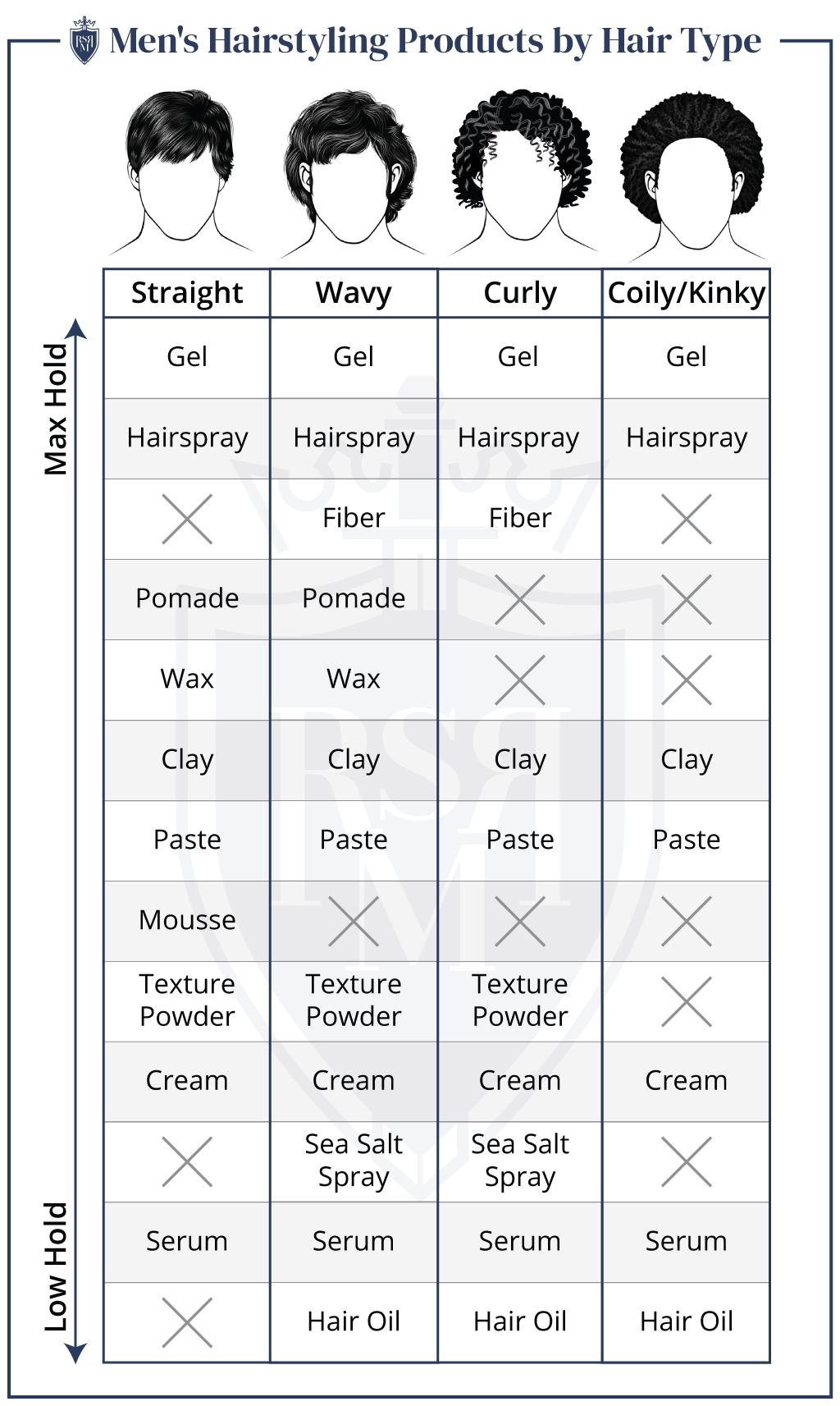
A product formulation that works exceptionally well for one individual may cause limpness or severe dryness for another. Selection must depend on three physical factors: hair porosity, strand diameter/curl pattern, and scalp physiological health.
HAIR ANALYSIS MATRIX
- POROSITY
- Low
- Medium
- High
- TEXTURE / DENSITY
- Fine / Straight
- Medium / Wavy
- Coarse / Coily
- SCALP TYPE
- Oily
- Dry / Flaky
- Sensitive
Assessing Hair Porosity
Porosity measures how easily your hair absorbs and retains moisture, determined by the structural tightness of the outer cuticle scales.
- Low Porosity: Cuticle scales lie flat and tightly overlapping. Water and products tend to sit on top of the strand rather than absorb.
- Formulation Needs: Lightweight, water-based formulations with humectants like glycerin and panthenol. Avoid heavy natural pastes, raw shea butter, and dense insoluble silicones that lead to surface buildup. Warm water aids in opening the cuticle during conditioning.
- Medium Porosity: Cuticle layer is balanced, allowing optimal moisture absorption and retention.
- Formulation Needs: Balanced formulations incorporating moderate humectants, light plant oils, and periodic protein treatments.
- High Porosity: Cuticles are raised, chipped, or structurally compromised due to chemical processing, high heat, or mechanical damage. Water enters rapidly but escapes just as quickly.
- Formulation Needs: High-viscosity cream formulations, rich emollients (e.g., avocado oil, mango butter), hydrolysed proteins, and film-forming silicones to seal raised cuticles and prevent rapid moisture loss.
Hair Texture and Density
- Fine Hair: Has a small fiber diameter and is easily weighed down by heavy lipids. Requires lightweight volumizing shampoos, clear liquid conditioners, and aerosol heat protectants containing lightweight polymers.
- Coarse or Coily Hair: Possesses a large diameter or tightly wound spiral structure that hinders natural scalp sebum from traveling down the strand. Benefits from rich leave-in creams, penetrating oils (such as jojoba and argan oil), and ultra-rich deep conditioning masks.
Scalp Condition Considerations
Treat the scalp as skin care rather than hair care. Matching your shampoo to your scalp state ensures balanced sebum regulation and follicular health:
- Oily Scalp: Requires clear, clarifying, or balancing shampoos with mild-to-moderate anionic surfactants. Avoid applying thick conditioning creams directly to the scalp base.
- Dry or Flaky Scalp: Requires mild, sulfate-free cleansers enriched with soothing agents like aloe, soothing bisabolol, or tea tree oil. If flakes are sticky, thick, and accompanied by redness, a medicated cleanser containing pyrithione zinc, ketoconazole, or salicylic acid may be required to control underlying Malassezia yeast overgrowth.
- Sensitive Scalp: Benefits from fragrance-free, essential-oil-free formulas tested for hypoallergenicity to prevent contact dermatitis.
Comparative Ingredient & Product Formulation Matrix
The following table summarizes common hair product categories, their primary active ingredients, ideal candidate profiles, and ingredients to monitor based on hair needs.
| Product Category | Primary Target Function | Key Beneficial Active Ingredients | Recommended For | Ingredients to Use with Caution |
|---|---|---|---|---|
| Sulfate-Free Cleanser | Gentle scalp hygiene without lipid stripping | Sodium Cocoyl Isethionate, Cocamidopropyl Betaine, Glycerin | Color-treated, sensitive, curly, or dry hair types | Heavy, non-water-soluble silicones (can lead to buildup) |
| Clarifying Shampoo | Deep removal of minerals, heavy oils, and buildup | Sodium C14-16 Olefin Sulfonate, Salicylic Acid, Tetrasodium EDTA | Low-porosity hair, swimmers, hard water exposure, product users | Frequent daily use (can over-strip and cause dry friction) |
| Protein Deep Treatment | Temporary cortical structural repair | Hydrolyzed Keratin, Hydrolyzed Silk, Wheat Amino Acids | Bleached, chemically treated, or high-porosity hair | High-porosity non-damaged or low-porosity hair (risk of stiff protein overload) |
| Rich Emollient Mask | Intense lubrication and lipid replenishment | Cetearyl Alcohol, Shea Butter, Argan Oil, Behentrimonium Methosulfate | Coarse, tightly coiled, highly dehydrated, or damaged hair | Fine, straight, or low-density hair (weighs strands down) |
| Leave-In Serum / Oil | Occlusive sealing, friction loss, and shine | Cyclopentasiloxane, Dimethiconol, Jojoba Oil, Tocopherol (Vit E) | High-porosity ends, split-end control, thermal styling finishing | Direct scalp application (can clog hair follicles) |
| Heat Protectant Spray | Thermal mitigation during styling | Polyquaternium-55, Amodimethicone, Hydrolyzed Vegetable Protein | Any hair exposed to blow-drying, flat irons, or curling tools | High concentrations of simple Alcohol Denat (without compensating emollients) |
Step-by-Step Method for Evaluating Hair Care Labels Before Purchase
Navigating marketing claims requires an analytical approach when reading product packaging. Follow this step-by-step process when selecting cosmetic formulations:
- Step 1: Scalp & Fiber Assessment
- Identify scalp oiliness, hair porosity, and fiber diameter.
- Step 2: Read Front Marketing Claims Critical Assessment
- Ignore vague terms like "all-natural," "miracle repair," or "clean."
- Step 3: Analyze First Five Ingredients (INCI)
- Determine primary base (Water, Surfactant Type, Emollient Base).
- Step 4: Locate Key Active Ingredients
- Verify position of functional proteins, humectants, or specialized oils.
- Step 5: Check Additives and Potential Sensitizers
- Identify synthetic fragrances, heavy insolubles, or drying alcohols.
Step 1: Define Your Primary Objective
Identify whether your primary goal is scalp health, structural repair, moisture addition, or thermal preservation. Choose your product category based on this objective rather than buying multi-benefit all-in-one solutions.
Step 2: Read Past Front-Label Marketing
Ignore unregulated cosmetic marketing descriptors such as "salon grade," "clean," "pure," or "miracle growth." These terms carry no standardized legal definition in cosmetic labeling. Move directly to the back panel to read the official ingredient list (INCI).
Step 3: Analyze the First Five Ingredients
The first five ingredients typically make up 70% to 90% of the overall formulation volume.
- In a shampoo, verify whether the primary cleansing agents after Water (Aqua) are mild surfactants (e.g., Cocamidopropyl Betaine) or stronger cleansers (e.g., Sodium Lauryl Sulfate).
- In a conditioner, look for fatty alcohols (Cetyl, Cetearyl Alcohol) or cationic conditioners (Behentrimonium Chloride) in these top positions.
Step 4: Locate Functional Actives
Scan the middle of the ingredient list for active functional compounds relevant to your needs:
- For repair: Check for Hydrolyzed Proteins or patented bond builders within the top half to middle of the list.
- For hydration: Check for Glycerin, Panthenol, or plant oils appearing before fragrances or micro-preservatives.
Step 5: Screen for Individual Sensitizers and Buildup Triggers
If you have a sensitive scalp or avoid insoluble build-up:
- Identify known fragrance allergens (e.g., Linalool, Limonene, Geraniol) if prone to contact allergies. The European Commission mandates individual labeling of fragrance allergens to protect consumer health (see EU Cosmetics Regulation (EC) No 1223/2009).
- Check if heavy silicones (e.g., Dimethicone) are matched with an appropriate clarifying routine to prevent long-term build-up on the hair shaft.
Frequently Asked Questions
Are sulfate-free shampoos universally better for all hair types?
No. While sulfate-free shampoos are gentler on color-treated, dry, or fragile hair, individuals with fine, high-sebum scalps, or those who frequently use insoluble silicones and heavy waxes may experience product buildup with sulfate-free formulas alone. Occasional use of a thoroughly cleansing or clarifying shampoo helps clear scalp accumulation effectively.
What is the difference between hair hydration and hair moisturization?
Hydration refers to adding water and water-attracting humectants (like glycerin and hyaluronic acid) inside the hair cortex. Moisturization refers to applying occlusive emollients and lipids (such as natural oils and silicones) onto the outer cuticle layer to seal that water inside and prevent evaporation. Effective hair care requires combining both elements.
How can I tell if my hair has protein overload?
Hair suffering from protein overload feels dry, brittle, stiff, and snaps easily when stretched gently. This occurs when excessive structural protein deposits create a rigid layer over the cuticle, blocking moisture balance. To correct this, temporarily stop using protein-containing treatments and use moisturizing, protein-free formulations rich in humectants and emollients.
Do silicones permanently damage hair strands?
No, silicones do not permanently damage hair strands. They act as synthetic sealants that reduce surface friction, add shine, and shield against heat. However, non-water-soluble silicones can accumulate over time if not cleansed thoroughly, preventing moisture from entering the strand and causing hair to look dull or feel heavy. This build-up is readily reversible with a clarifying wash.
Can hair products genuinely repair split ends?
No cosmetic product can permanently fuse a split hair end back together long-term. Hair fibers are non-living structures. While specialized serums containing polymers and silicones can temporarily glue split ends together visually and protect against further fraying, the only permanent remedy for split ends is cutting off the damaged fiber segment.
How often should I change my hair care products?
Hair does not build an immunity or "tolerance" to hair products over time. If a product stops working effectively, it is usually due to seasonal humidity changes, new chemical treatments (like dyeing), product build-up, or changes in scalp health. Clearing buildup with a clarifying shampoo often restores the original performance of your regular product routine.
Building Your Personalized Hair Care Routine
To achieve optimal hair health, assemble a streamlined, objective-driven regimen based on ingredient functionality rather than product brand names:
- Select a Primary Cleanser: Choose a gentle, sulfate-free shampoo for routine washes if your scalp is normal-to-dry, or a balancing surfactant cleanser if your scalp naturally produces high sebum.
- Incorporate a Reset Cleanser: Integrate a clear clarifying shampoo once every 7 to 14 days to clear mineral deposits, residual styling polymers, and environmental pollution.
- Match Conditioners to Porosity: Utilize lightweight liquid leave-in treatments for low-porosity or fine hair; apply dense lipid masks containing natural plant oils and cationic conditioning agents for high-porosity or coarse textures.
- Protect Against Mechanical and Heat Damage: Always apply a heat protectant containing film-forming polymers (such as polyquaternium polymers or specialized silicones) prior to using hot tools.
- Re-evaluate Periodically: Adjust your humectant and emollient usage based on seasonal changes, environmental humidity, and physical hair changes like color treatments or mechanical stress.