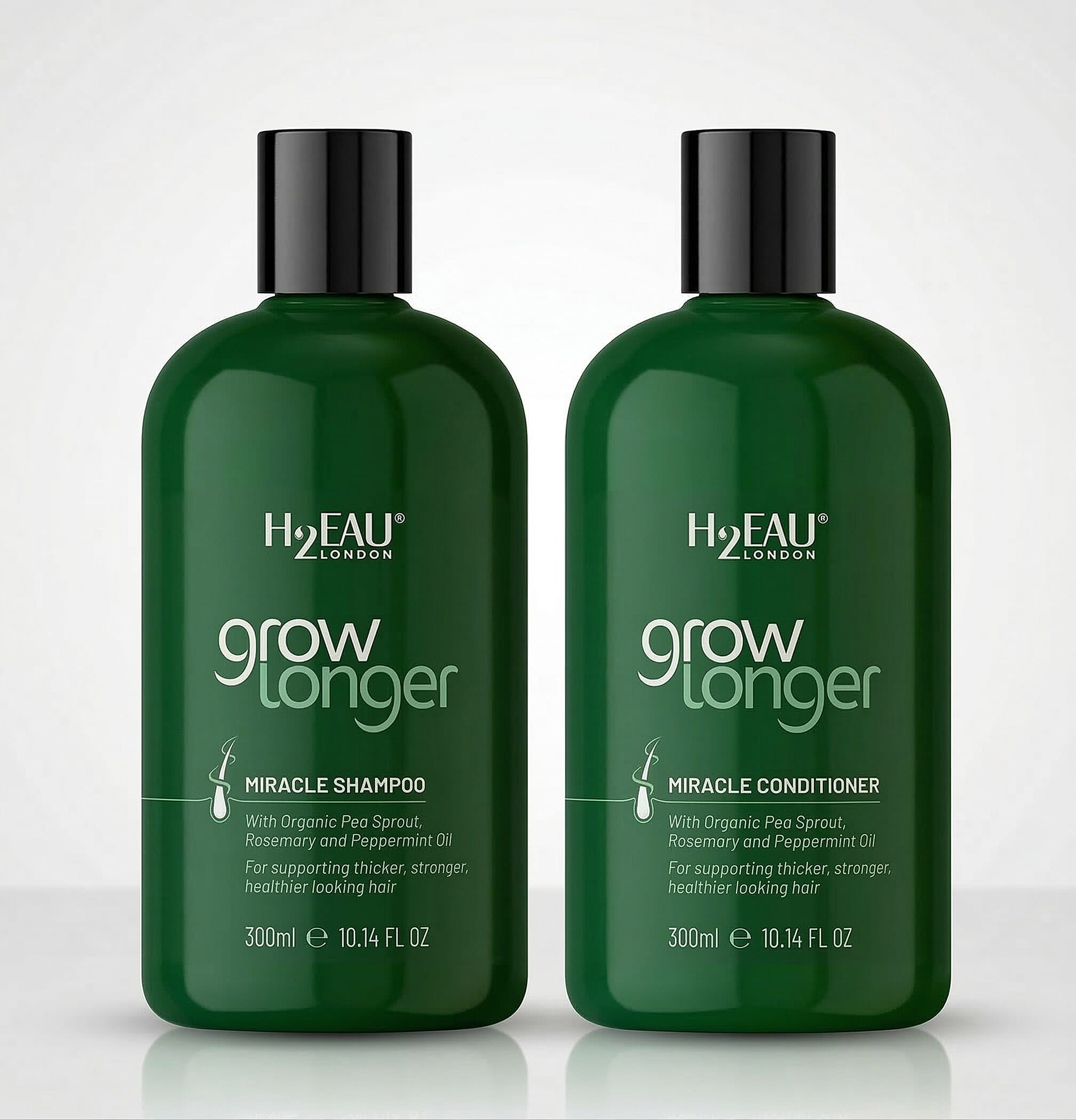
Growing shampoo and conditioner sales requires a dual focus on increasing Average Order Value (AOV) and driving recurring purchases through specialized product positioning. Brands and retailers achieve scalable revenue growth by aligning product bundles around specific hair concerns, optimizing online and physical shelf merchandising, and deploying structured subscription and loyalty models that capture long-term repeat demand.
Market Segmentation and Product Positioning for Haircare
The personal care market has shifted decisively from broad, one-size-fits-all formulas toward targeted solutions. Consumers no longer search merely for "shampoo"; they seek treatments tailored to distinct hair textures, scalp conditions, color preservation, or ingredient preferences. To capture market share, brands must structure their product lines around clear, problem-solving value propositions.
Capitalizing on the "Skinification" of Hair
One of the most effective ways to elevate product positioning is leveraging the trend of scalp care as an extension of skincare. Products containing active ingredients like salicylic acid, niacinamide, hyaluronic acid, and peptides command higher price points and drive greater consumer interest. Positioning shampoos as scalp cleansers and conditioners as fiber restorers shifts the product perception from a basic commodity to essential personal wellness.
Targeting Specific Hair Concerns and Types
Clear categorization reduces buyer friction and increases conversion rates across both digital and physical retail channels. Organizing product architecture by specific concerns allows buyers to identify their ideal regimen quickly:
- Scalp Health: Clarifying, anti-dandruff, balance, and microbiome support.
- Fiber Repair: Bond-building, anti-breakage, and deep hydration for damaged or chemically treated hair.
- Texture-Specific Care: Hydrating formulas for coily and curly hair, lightweight volume for fine hair, or frizz control for wavy hair.
- Color Preservation: Sulfate-free, color-depositing, or anti-brassiness formulations.
By establishing clear sub-lines tailored to these categories, brands lay the foundation for effective cross-selling and bundling.
Optimizing Channel Architecture: DTC, Retail, and Salons
Revenue expansion relies on matching the sales strategy to the specific distribution channel. A multi-channel strategy ensures broad market reach while preserving brand equity and profitability.
- Omnichannel Distribution Strategy
- DTC E-Com (Max LTV)
- Professional (Max Trust)
- Mass & Specialty Retail (Scale)
Direct-to-Consumer (DTC) E-Commerce
The primary advantage of DTC e-commerce is ownership of customer data and full control over the buying experience. Digital channels are ideal for subscription models, personalized diagnostic quizzes, and targeted upsells. High conversion DTC stores frequently use hair assessment tools to guide shoppers to the exact shampoo and conditioner pairing required for their specific hair profile.
Professional Salons and Stylists
Professional salon channels provide unmatched consumer trust and high conversion rates. Stylists act as expert advisors whose recommendations carry immense credibility. Growth strategies in this segment depend on education programs, competitive commission structures for salon staff, backbar sampling, and exclusive professional formulations that cannot be purchased in mass retail stores.
Mass and Specialty Retail
Specialty beauty retailers and traditional brick-and-mortar stores demand efficient packaging, strong shelf impact, and competitive pricing per ounce. Growth in physical retail requires eye-level placement, cohesive visual branding across shampoo and conditioner bottles, and point-of-sale displays that communicate key product benefits within seconds.
Cross-Selling and Bundling Strategies to Drive Average Order Value
Selling a standalone shampoo or conditioner leaves significant revenue on the table. Because shampoos cleanses and conditioners restore, these products naturally function as pairs. Structuring offers that incentivize joint purchases directly boosts Average Order Value (AOV).
Core Wash Day Bundles
The foundational bundle pairs a complementary shampoo and conditioner at a modest discount (e.g., 10% to 15% off compared to purchasing individually). To maximize margins, frame the discount around the value of complete regimen results rather than deep price slashing.
Multi-Step Regimen Kits
Expand beyond the primary wash pair by introducing third- and fourth-step items, such as leave-in conditioners, scalp serums, hair oils, or deep conditioning masks. Regimen kits convert single-item shoppers into full-system users.
| Strategy | Target Audience | Primary Benefit | Conversion Impact |
|---|---|---|---|
| System Bundles | New & Existing Shoppers | Encourages complete regimen adoption | Increases AOV by 20%–35% |
| Refill Pouch Subscriptions | Repeat Buyers | Reduces plastic waste & per-ounce cost | Boosts LTV and repeat order velocity |
| Minis & Travel Sets | First-Time Buyers | Low-risk product trial | Lowers Customer Acquisition Cost (CAC) |
| Hair Quiz Custom Pairings | Undecided Visitors | Eliminates choice paralysis | Elevates landing page conversion rates |
Seasonal and Promotional Multi-Packs
Create limited-edition bundles around seasonal hair challenges, such as summer UV protection kits or winter moisture restoration sets. Multi-packs featuring larger format pumps (liter sizes) sold during peak promotional periods also incentivize volume buying among loyal customers.
Retention, Subscriptions, and Customer Lifetime Value
Because shampoo and conditioner are consumable goods with predictable replenishment cycles, customer retention is the single largest determinant of long-term profitability.
- First-Time Trial
- Regimen Onboarding
- Email / SMS Routine Guidance
- Replenishment Trigger
- 30 / 45 / 60-Day Automated Reminders
- Subscription Lock-In
- Flexible Delivery + Refill Discounts
Designing High-Retention Subscription Programs
Standard replenishment cadences for shampoo and conditioner fall between 30 and 60 days, depending on bottle size and usage frequency. Successful subscription models offer flexible delivery intervals, automated SMS notifications prior to shipment, and easy pause or swap mechanisms to reduce subscriber churn.
Post-Purchase Education and Onboarding
Retention begins immediately after the first sale. Automated post-purchase email and SMS flows should educate customers on proper application techniques, ideal water temperatures, and expected timelines for seeing results. Clear instruction reduces product misuse, improves satisfaction, and accelerates reorder frequency.
Loyalty Programs and Refill Incentives
Incentivize long-term reorders by awarding double loyalty points on recurring subscriptions or eco-friendly refill pouches. Offering bulk pouches at a slightly lower price per fluid ounce preserves margin by reducing packaging and freight costs while securing brand adherence.
Digital Shelf and Retail Merchandising Tactics
Whether a customer buys from an e-commerce Product Detail Page (PDP) or a physical store shelf, visual presentation directly governs conversion rates.
Optimizing the E-Commerce Product Detail Page (PDP)
Digital shoppers cannot smell, touch, or test liquid products. High-converting PDPs bridge this gap through rich media and social proof:
- Texture and Viscosity Visuals: Show clear macro photography or short videos displaying the liquid consistency of both shampoo and conditioner.
- Scent Profile Breakdown: Detail top, heart, and base fragrance notes, as scent remains a primary emotional trigger for hair care purchasing decisions.
- Ingredient Transparency: Clearly highlight hero ingredients and list full formulations to accommodate conscious consumers seeking sulfate-free, paraben-free, or silicone-free badges.
- Before-and-After Clinical Results: Display verified clinical trial statistics or panel testing data demonstrating shine, strength, or scalp improvements.
Physical Store Merchandising and Sampling
In physical retail environments, brand consistency across packaging determines visual callout strength. Shampoos and conditioners should utilize uniform bottle shapes and contrasting secondary colors to indicate matching system pairs easily. Incorporating scent-sampler strips or mini trial sachets near checkout aisles provides low-friction trial opportunities that convert into full-sized purchases.
Frequently Asked Questions
What is the most effective way to price shampoo and conditioner bundles?
Set system bundle prices at a 10% to 15% discount relative to buying the items separately. This incentive is large enough to shift consumer behavior toward purchasing the pair without significantly eroding gross product margins.
How can a digital hair care brand lower high customer acquisition costs?
Focus on low-friction entry points such as travel-sized discovery sets, diagnostic hair quizzes, and sample-only promotions where customers cover shipping. Once a customer experiences the product, targeted post-purchase email workflows and subscription offers drive profit on second and third orders.
Should shampoo and conditioner always be sold in identical sizes?
While matching bottle sizes is standard, consumer usage rates vary; conditioner is frequently consumed faster than shampoo, particularly by consumers with long, thick, or textured hair. Offering larger standalone conditioner options or flexible refill sizes addresses this imbalance and improves customer satisfaction.
How often should subscribers receive automated replenishment shipments?
The optimal replenishment window is every 45 days for standard 8 oz to 10 oz bottles. However, granting subscribers full control to select 30-, 60-, or 90-day intervals prevents product backlog and lowers subscription cancellation rates.
What packaging features increase repeat sales for hair care products?
Functional packaging such as durable, high-yield pump dispensers improves daily user experience and reduces product waste. Offering lightweight eco-friendly refill pouches for existing pump bottles encourages brand loyalty while lowering shipping weights.
Strategic Execution Plan: Next Steps for Scaling Haircare Revenue
To build a scalable revenue growth pipeline for shampoo and conditioner lines, implement the following phased roadmap:
- Audit Current Product Architecture: Group existing SKUs into clearly defined solution lines (e.g., Hydration, Repair, Scalp Health) and retire low-performing, unsegmented items.
- Implement Mandatory Pairing Prompts: Update e-commerce checkout flows and PDPs with direct "Complete the Regimen" cross-sell modules that add the matching conditioner or treatment in one click.
- Launch a Diagnostic Hair Quiz: Build a guided questionnaire on your primary sales platform to capture buyer preferences, collect zero-party data, and auto-generate personalized product bundles.
- Optimize Subscription Mechanics: Integrate flexible replenishment schedules (30/45/60 days) and automated SMS reminders to increase customer retention and elevate Customer Lifetime Value.
- Expand Trial and Refill Offerings: Introduce mini discovery kits to capture top-of-funnel traffic and establish sustainable refill pouch options to retain price- and eco-conscious shoppers.