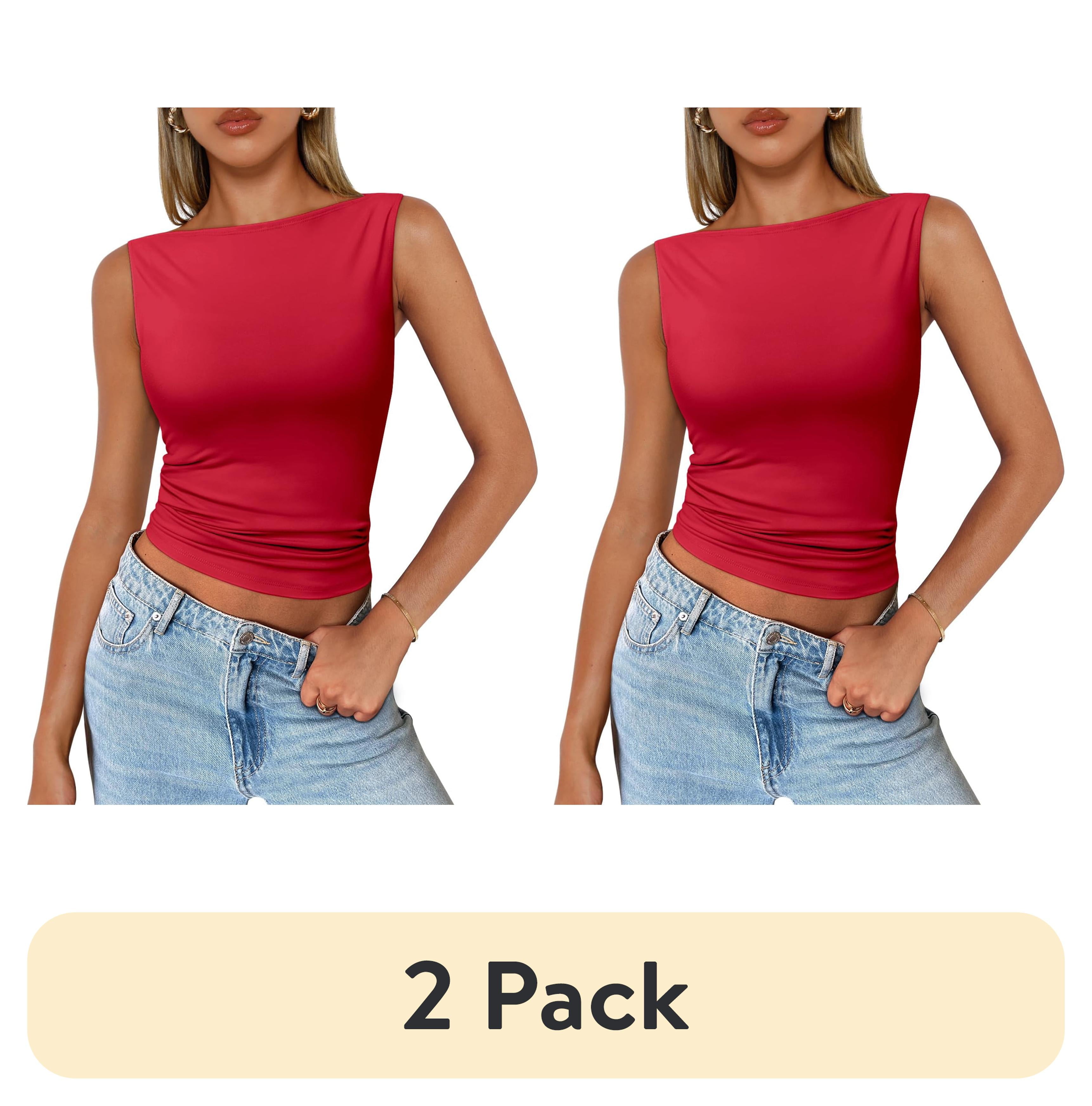
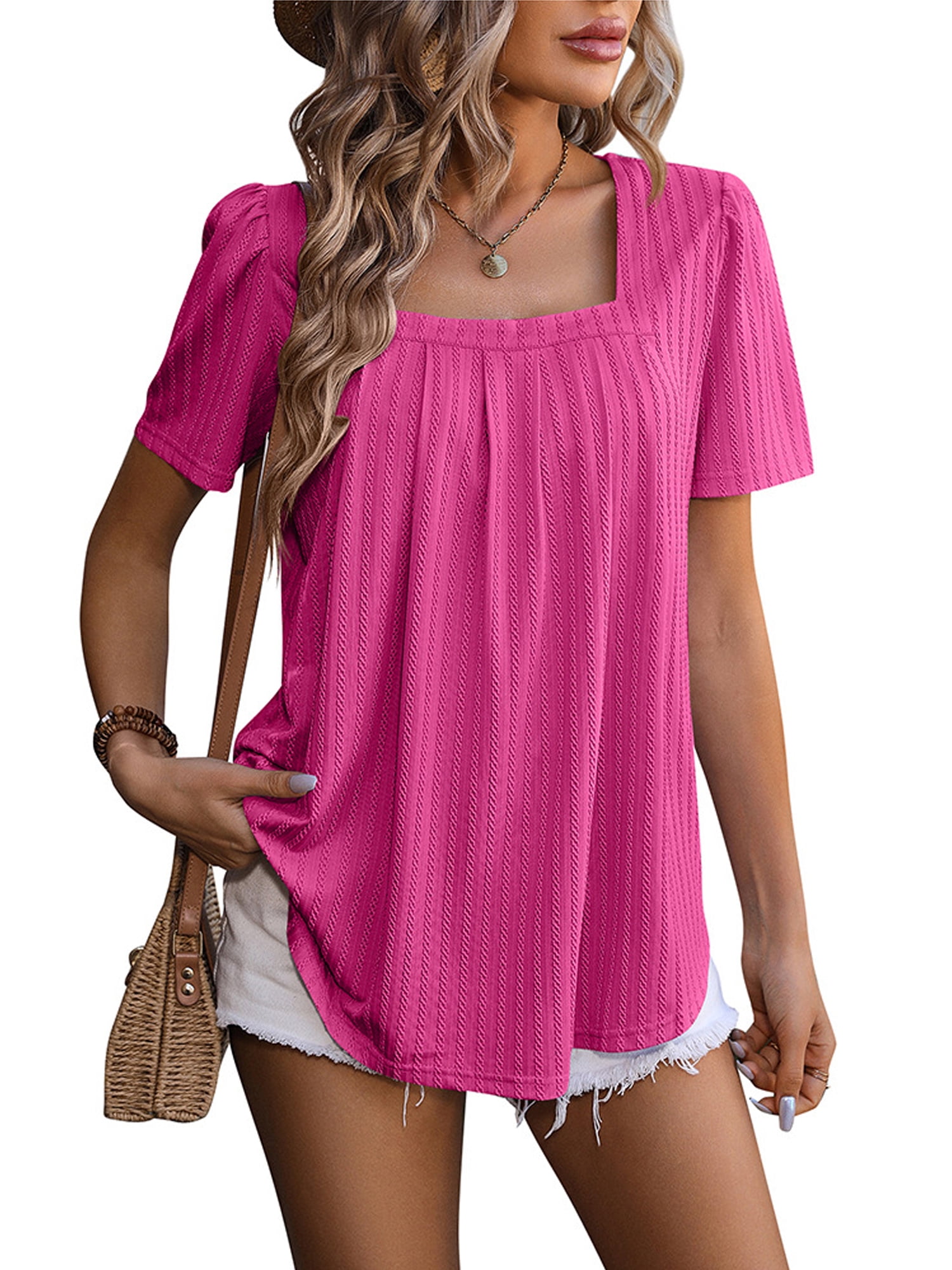
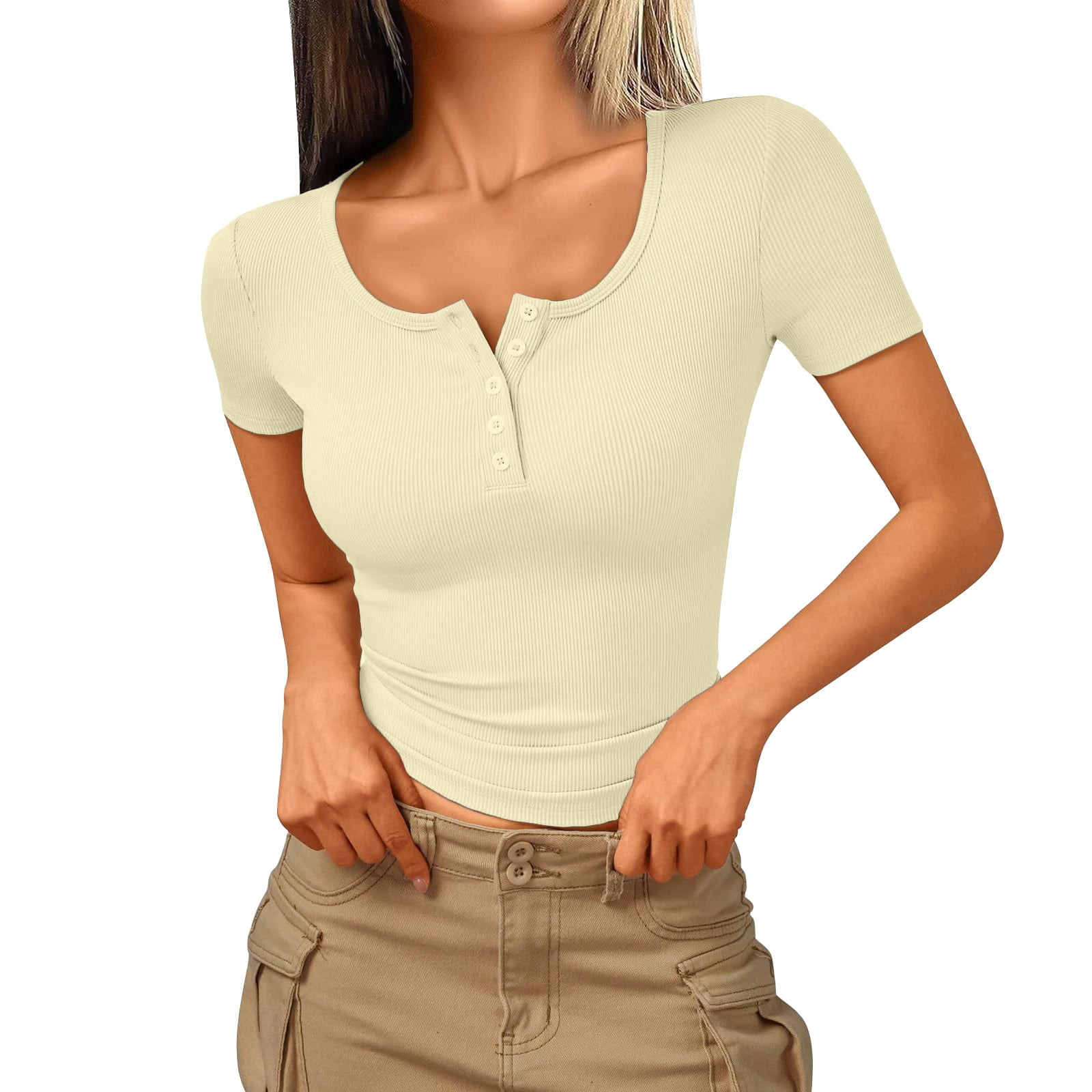
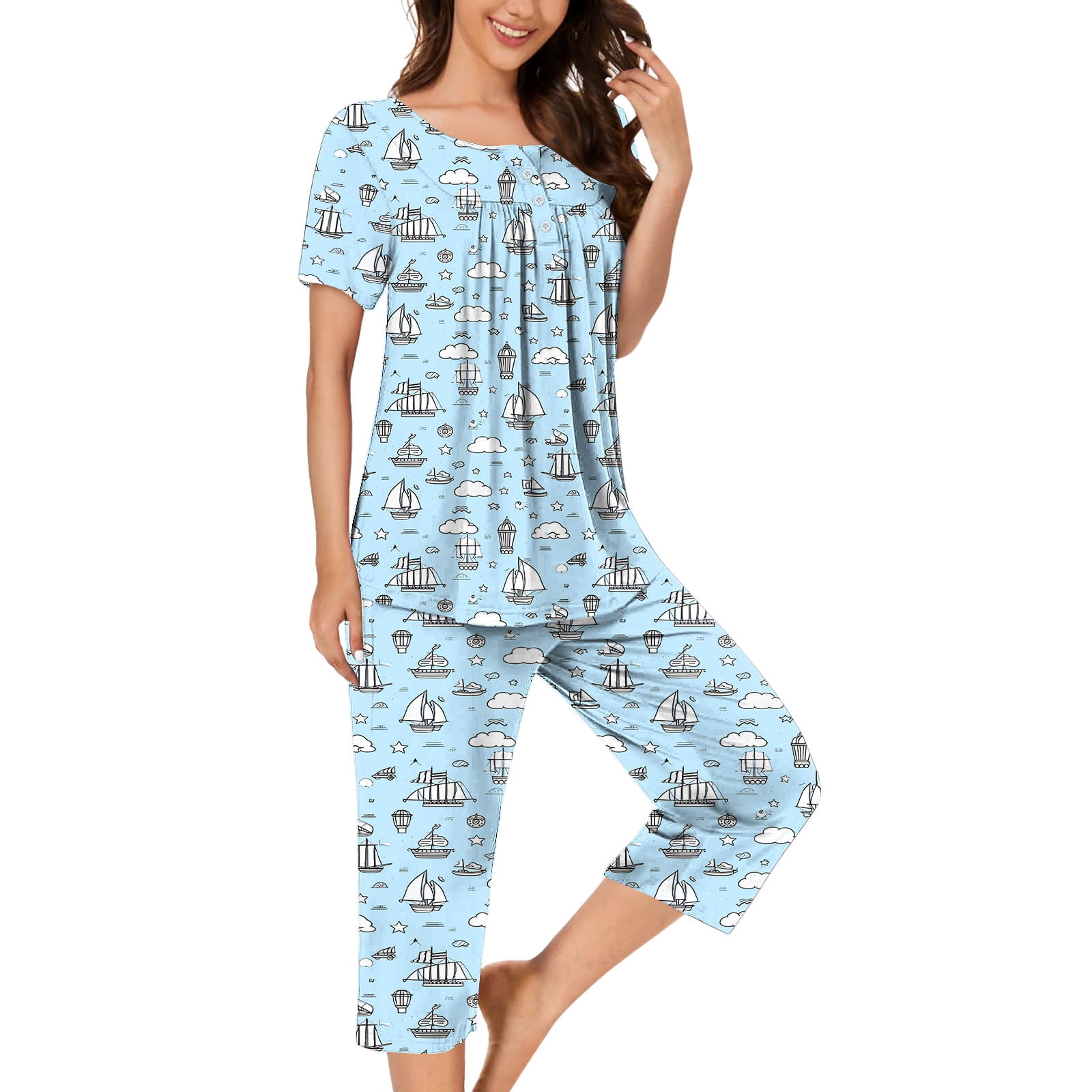
A practical guide to cute women's spring tops focuses on balancing thermal comfort, light fabrication, and effortless styling during transitional weather. By selecting breathable textiles like cotton poplin, rib-knits, and Tencel, and mastering versatile silhouettes such as wrap tops, puff sleeves, and elevated basic tees, women can build a cohesive, multi-occasion spring wardrobe.
Understanding Spring Fabrications: Prioritizing Breathability and Structure
Spring weather is notoriously unpredictable, often swinging from crisp, chilly mornings to warm, humid afternoons. Selecting the right fabric is the cornerstone of building a functional and visually appealing spring top collection. The ideal spring material must offer sufficient air permeability while maintaining structural integrity under light layering.
SPRING FABRIC SPECTRUM
- Lightweight Knits
- Ribbed Cotton/Modal
- High stretch & warmth
- Woven Cottons
- Poplin & Seersucker
- Crisp structure
- Cellulosic Blends
- Tencel, Lyocell, Viscose
- Drape & moisture-wick
Natural Plant Fibers: Cotton and Linen Blends
Pure cotton and linen-blend fabrics remain standard choices for spring tops due to their moisture-absorbing properties and high breathability.
- Cotton Poplin: Offers a crisp, smooth weave that provides structure to dramatic details like puff sleeves, ruffles, and architectural collars. It holds vibrant dyes exceptionally well and provides moderate wind resistance during breezy days.
- Linen-Cotton Blends: Pure linen can wrinkle excessively, but blending it with cotton retains the signature slub texture and airflow of linen while reducing stiffness and deep creasing. These blends excel in late spring when temperatures begin to spike.
Cellulosic Synthetics: Tencel, Lyocell, and Rayon
Regenerated cellulose fabrics—such as Tencel (Lyocell), Modal, and high-grade Viscose—provide a silky, fluid drape that elevates simple tops into refined statement pieces. Tencel features superior moisture-wicking properties compared to standard cotton, making it an excellent option for humid spring afternoons. These fabrics flow smoothly over body contours without adding bulk under tailored jackets or cardigans.
Fine-Gauge Knits and Ribbed Textiles
Lightweight knits serve as the core bridge between heavy winter sweaters and airy summer blouses. Ribbed cotton-spandex knits offer dynamic stretch, body-conforming retention, and subtle surface texture. A fine-gauge Modal or lightweight worsted-cotton knit provides low-bulk thermal insulation, keeping the wearer comfortable when temperatures drop into the 50s–60s Fahrenheit (10°C–20°C).
Essential Silhouettes: Defining the "Cute" Spring Top Palette
A well-balanced spring collection balances playful design details—often characterized as "cute"—with utilitarian versatility. Integrating specific structural features allows individual tops to transition seamlessly between casual daytime outings, professional settings, and evening events.
ESSENTIAL SPRING SILHOUETTES
- Structured Wovens
- Puff-Sleeve Blouses
- Smocked Peplum Tops
- Form-Fitting Knits
- Square-Neck Bodysuits
- Ribbed Sweetheart Tees
- Relaxed Classics
- Oversized Linen Buttons
- Relaxed Chambray Shirts
Smocked Bodices and Peplum Hems
Smocking incorporates parallel rows of elastic thread gathered into woven fabric, yielding a flexible, figure-hugging fit that expands comfortably with movement.
- Smocked Tops: Automatically accommodate variations in bust and waist dimensions, minimizing fitting issues.
- Peplum Hems: A flared ruffle attached at the natural waist or hip. Peplum hems balance upper-body proportions, creating an hourglass visual illusion while allowing movement around the hips.
Romantic Sleeve Treatments: Puff, Bishop, and Cap Sleeves
Sleeve volume is a key indicator of seasonal spring design. Puff sleeves gather at the shoulder seam and taper at the mid-bicep or elbow, creating structure that draws attention upward toward the face. Bishop sleeves remain fitted through the upper arm before flaring into a gathered elastic wrist cuff, offering dramatic movement without restricting hands during daily work tasks.
Necklines: Square, Sweetheart, and Wrap Configurations
Neckline shape fundamentally frames the torso and determines layering compatibility:
- Square Necklines: Open up the collarbone area, offering a modern, geometric look that balances puff sleeves and wide-leg trousers.
- Sweetheart Necklines: Curve downward in a subtle heart shape, enhancing the bust area while remaining appropriate for semi-casual wear.
- Wrap and Faux-Wrap Tops: Feature a crossing diagonal front that cinches at the waist. Wrap tops provide adjustable sizing and create a flattering V-neck shape that transitions effortlessly from day to night.
Comparative Overview of Key Spring Top Styles
To build a practical, functional wardrobe, compare how different top silhouettes function across fabric compositions, thermal capabilities, and wardrobe integration.
| Top Style | Primary Signature Features | Recommended Fabric Compositions | Layering Potential | Ideal Occasion |
|---|---|---|---|---|
| Smocked Peplum Blouse | Elasticized bodice, flared hem, dynamic fit | Cotton poplin, rayon-linen, viscose | Medium (best under unbuttoned jackets) | Casual weekend, brunch, outdoor events |
| Ribbed Square-Neck Knit | Form-fitting, structured collarbone frame | Cotton-modal rib, spandex-blend knit | High (fits smoothly under blazers) | Office casual, daily wear, layering |
| Classic Button-Down | Collared, long sleeves, front button closure | Poplin, chamber, Tencel, pure linen | High (wear as base layer or light outer layer) | Workwear, travel, smart-casual |
| Wrap Blouse | V-neck silhouette, waist tie, diagonal front | Silk chiffon, viscose, Tencel drape | Medium (pairs with trench coats) | Dates, dinners, professional meetings |
| Puff-Sleeve Crop Top | Voluminous shoulders, waist-length hem | Crisp cotton, broderie anglaise (eyelet) | Low-to-Medium (requires spacious sleeves) | Warm spring days, festivals, picnics |
Mastering Spring Layering: Navigating Unpredictable Weather
Layering is the key strategy for maintaining warmth without sacrificing style during spring transitions. The objective is to assemble outfit combinations where each individual layer remains aesthetically balanced when garments are added or removed throughout the day.
- Base Layer: Fitted Ribbed Tank (Thermal base)
- Mid Layer: Unbuttoned Linen Top (Texture & airflow)
- Outer Layer: Cropped Denim Jacket (Wind protection)
Strategic Base Layers
A fine, fitted base layer prevents lightweight spring blouses from sticking to skin in warm weather, while providing wind insulation during colder mornings. Seamless camisoles in skin-toned shades or high-neck seamless bodysuits provide smooth foundations beneath sheer silk chiffons, open-knit crochet tops, or deep V-neck wraps.
Outerwear Pairings by Top Volume
Selecting appropriate outerwear depends directly on the volume of the spring top’s sleeves and bodice:
- For Voluminous Tops (Puff/Bishop Sleeves): Pair with sleeveless utility vests, capes, or broad-shouldered, unlined trench coats with wide armholes. Narrow denim jackets will constrict gathered sleeve fabrics, causing discomfort and severe wrinkling.
- For Fitted Knits and Wrap Tops: Pair with tailored single-breasted blazers, cropped leather jackets, or classic mid-length trench coats to create a sleek profile.
Proportional Balance Principles
Maintaining visually appealing proportions requires pairing top silhouettes with complementary bottom garments:
- Voluminous Tops (Puff sleeves, ruffled peplums): Pair with slim-fit garments like straight-leg denim, tailored cigarette pants, or pencil skirts to avoid an overly bulky profile.
- Fitted Tops (Ribbed knits, tuck-in bodysuits): Pair with wide-leg trousers, relaxed mom jeans, or tiered midi skirts to create balanced volume across the overall outfit.
Color Palettes and Pattern Selection
Spring aesthetics naturally shift away from deep winter tones (charcoal, navy, burgundy) toward soft, reflective colors and nature-inspired patterns.
SPRING COLOR PALETTES
- Soft Pastels: Sage, Butter Yellow, Lavender, Soft Rose
- Earth Neutrals: Oatmeal, Taupe, Cream, Warm Terracotta
- Vibrant Accents: Kelly Green, Cobalt, Cerulean Blue
Integrating Pastels and Earthy Neutrals
- Pastels: Muted lavender, butter yellow, sage green, and soft blush introduce color without overwhelming an outfit. A pastel poplin blouse pairs easily with light-wash denim or classic khaki trousers.
- Earthy Neutrals: Cream, oatmeal, taupe, and warm terracotta act as anchors. Neutral tops allow bold accessories—like vibrant silk scarves, leather belts, or colorful footwear—to take center stage.
Pattern Fundamentals: Florals, Gingham, and Stripes
- Micro-Floral Prints: Small-scale botanical prints conceal light fabric creasing and offer high versatility for daily casual wear.
- Gingham and Check: Woven gingham in cotton or linen delivers a crisp, classic spring aesthetic. Black-and-white or navy-and-white gingham tops easily transition into casual work environments.
- Breton Stripes: Horizontal navy-and-white or red-and-white jersey knit tops provide a timeless maritime look that pairs effortlessly with trench coats and tailored shorts.
Garment Care and Fabric Maintenance
Lightweight spring fabrics require specific care routines to preserve elastic gathering, protect delicate weaves, and retain bright seasonal colors over time.
- Washing: Cold water, gentlest cycle; Mesh bags for delicate tops
- Drying: Flat air-dry for knits; Hangers for crisp wovens
- Storage: Padded hangers for poplin; Fold smocked/knit items
Washing Protocols for Delicate Tops
- Smocked and Elasticated Items: Wash in cold water on a delicate cycle using mild liquid detergent. High heat breaks down thin elastic latex threads woven into smocked panels, causing tops to lose shape and elasticity prematurely.
- Eyelet (Broderie Anglaise) and Lace: Place inside fine-mesh wash bags before laundering to prevent delicate cutouts from snagging on zippers or buttons.
Drying and Pressing Practices
- Air Drying: Always air-dry fine-gauge knits, linen blends, and silk-like rayon tops. Lay knits flat on a drying rack to prevent gravity from stretching out necklines and shoulder seams.
- Steaming vs. Ironing: Use a garment steamer rather than a flat iron for puffed sleeves, ruffles, and smocked panels. Steam relaxes wrinkled fibers without crushing structural gathers or flattening textured designs.
Frequently Asked Questions
How can I style a cute spring top for a professional office environment?
Pair structured spring tops—such as high-neck puff-sleeve blouses or ribbed boatneck knits—with tailored high-waisted trousers or a midi skirt. Ensure necklines remain conservative (square neck or high crew neck) and wear a fitted blazer over the top. Stick to subtle patterns like micro-stripes or solid pastels, and tuck woven blouses cleanly into pants to maintain a polished silhouette.
What are the best spring tops for unpredictable, breezy weather?
Fine-gauge cotton-ribbed knits, long-sleeve Tencel button-downs, and lightweight modal tops offer optimal protection against sudden cool winds. These fabrics provide light thermal insulation while remaining thin enough to layer smoothly under trench coats, cardigans, or denim jackets.
How do I prevent sheer spring tops from showing undergarments?
Wear a seamless camisole or contouring top in a color that matches your natural skin tone rather than the top's fabric color. White tops worn over white bras often create high visual contrast; skin-toned undergarments absorb light evenly, rendering the base layer invisible under translucent cotton lawn, chiffon, or broderie anglaise fabrics.
Which spring top silhouettes are most flattering for petite frames?
Petite frames benefit from tops that emphasize the natural waist without adding excessive vertical bulk. Cropped wrap tops, fitted square-neck bodysuits, and subtle peplum blouses cut right at the natural waistline help elongate the leg line. Avoid oversized tunic-length tops or excessively large puff sleeves that can overpower shorter torsos.
How many spring tops should I include in a functional capsule wardrobe?
A functional spring capsule wardrobe typically includes 6 to 8 versatile tops:
- 2 basic ribbed layering tops (neutral crew or square neck)
- 2 structured woven blouses (puff-sleeve, smocked, or detailed wrap tops)
- 2 classic button-downs (one linen, one cotton poplin)
- 1–2 elevated statement knits or subtle floral prints
Building Your Personal Spring Top Capsule: Practical Next Steps
To assemble a high-utility spring collection without buying redundant pieces, follow this step-by-step audit:
CAPSULE ASSEMBLY STEP-BY-STEP
Wardrobe Audit: Evaluate current transitional tops
Core Fillers: Add missing base & statement items
Outer Pairing: Test each top with 2 outerwear layers
Conduct a Wardrobe Audit: Sort your existing tops by fabric weight and condition. Retain breathable items made from cotton, linen, modal, and rayon blends while storing away thick winter wools and fleece.
Identify Core Gaps: Ensure you own at least two smooth base layers (ribbed bodysuits or seamless tanks), two elevated daily blouses (smocked or wrap styles), and two classic button-down shirts for flexible layering.
Test Outerwear Pairings: Before adding a new top to your collection, verify that it layers comfortably under at least two outerwear pieces you already own (e.g., a trench coat, denim jacket, or blazer).
Establish Care Routines: Equipping your laundry area with cold-water gentle detergent, mesh washing bags, and a garment steamer will extend the life of your seasonal tops for years to come.