Monitoring pollen levels in the District of Columbia is a critical component of proactive respiratory health management. As an urban environment with a unique microclimate influenced by the Potomac River, the Chesapeake Bay, and substantial tree canopy coverage, Washington, DC presents specific challenges for allergy sufferers. This guide provides the technical framework for understanding 2026 allergen trends, identifying local triggers, and implementing clinical strategies to mitigate symptoms during peak pollination windows.
Regional Pollen Dynamics and Environmental Triggers in the Capital Region
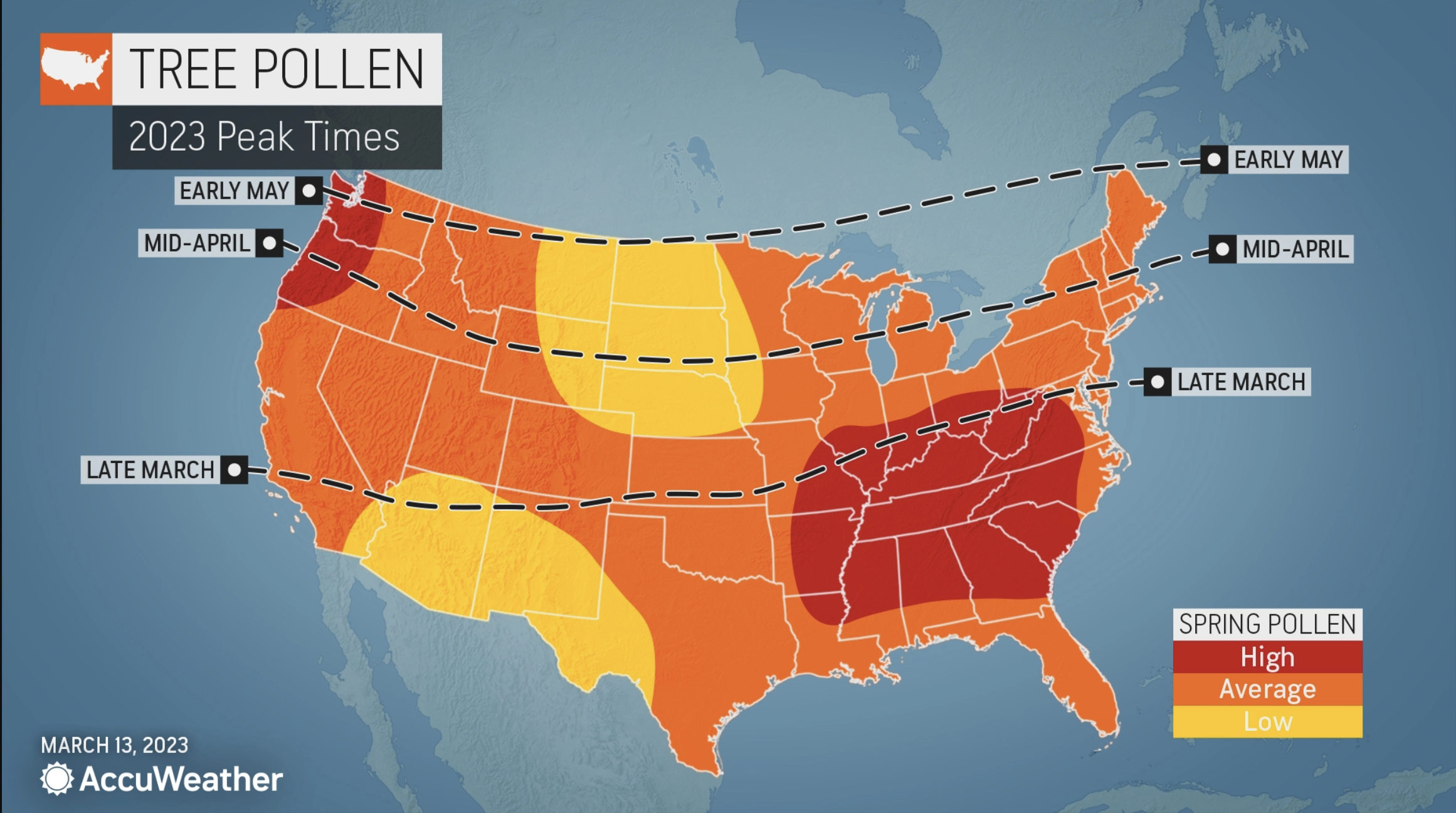
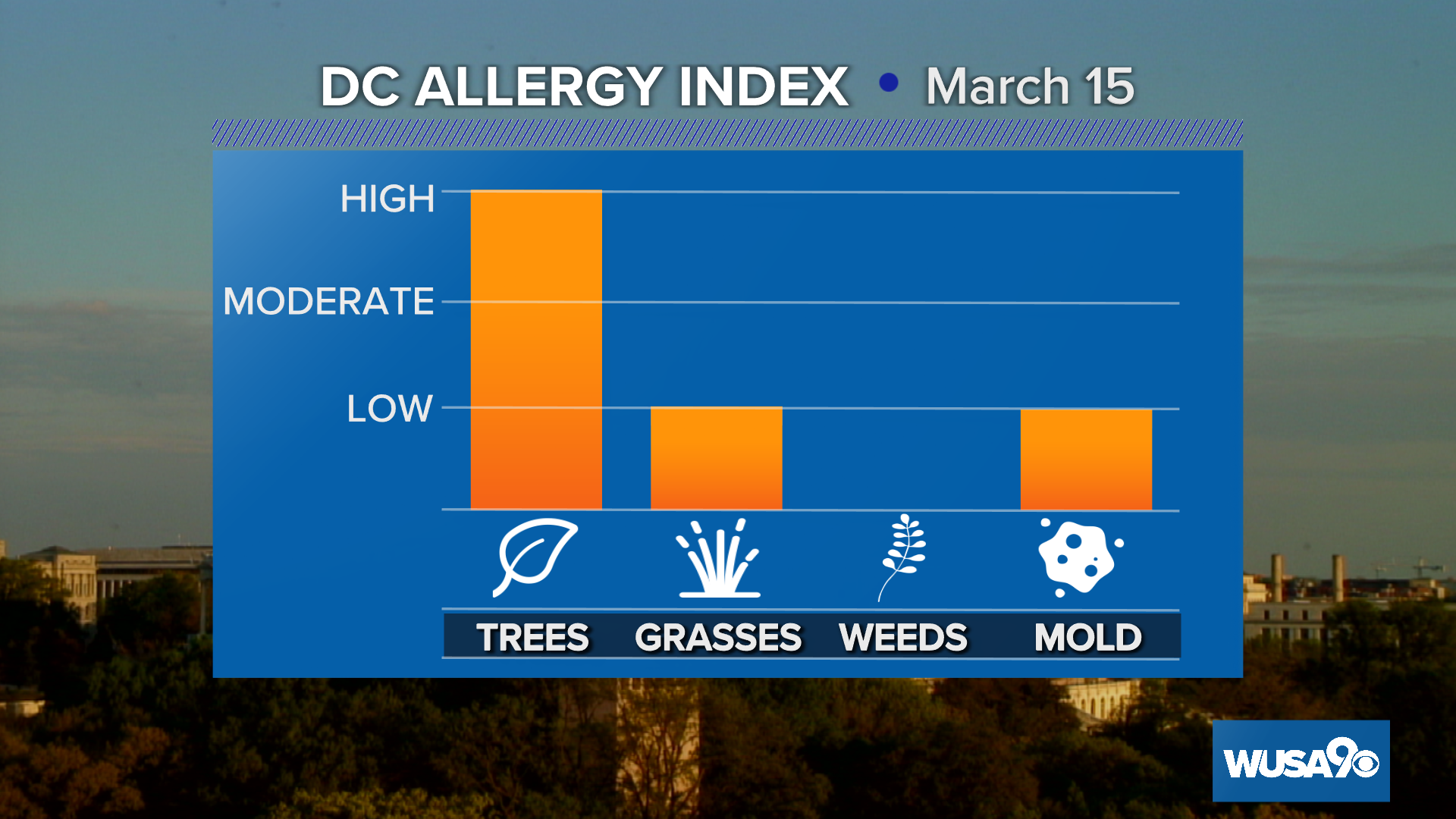
The atmospheric composition of the DC metropolitan area is characterized by distinct seasonal surges. The transition from late winter to spring initiates the primary pollination cycle, beginning with tree species such as Juniper, Maple, and Elm. As the climate shifts toward summer, grasses become the dominant allergen, followed by the robust ragweed season that defines the late summer and autumn months.
Environmental factors in DC intensify these cycles:
- The Urban Heat Island Effect: Dense concrete and asphalt absorption retain heat, often causing earlier onset of pollination compared to surrounding suburban zones in Virginia and Maryland.
- Potomac River Humidity: High moisture levels facilitate the growth of mold spores, which act as a secondary allergen often peaking alongside pollen counts during humid spells in May and September.
- Transportation Corridors: High-traffic areas, including the I-95/I-495 beltway, exacerbate respiratory distress through the synergistic interaction between particulate matter (PM2.5) and pollen grains, which increases the inflammatory response in the nasal mucosa.
Understanding the 2026 Pollen Forecast Metrics
For those navigating seasonal allergies in 2026, relying on standardized measurement is essential. Pollen counts are measured as grains per cubic meter of air. Medical professionals utilize these indices to categorize the severity of environmental exposure, which dictates clinical decision-making regarding pharmacological intervention.
| Intensity Category | Grain Count (Grains/m3) | Typical Symptoms Observed |
|---|---|---|
| Low | 0 to 14 | Minimal; generally asymptomatic for mild sufferers |
| Moderate | 15 to 89 | Noticeable sneezing; eye irritation; mild congestion |
| High | 90 to 499 | Significant allergic rhinitis; sleep disturbance; fatigue |
| Very High | 500+ | Severe systemic response; potential for asthma exacerbation |
Clinical Strategies for Allergen Exposure Mitigation
Effective management of allergic rhinitis in the DC area requires a multi-layered approach that integrates environmental avoidance with evidence-based pharmacotherapy. Patients are encouraged to move beyond reactive care and adopt a preventive stance by mid-February, before the first major tree pollen release.
Residential and Personal Environmental Controls
Indoor Air Quality Optimization Maintaining a clean indoor environment is the most effective method for reducing nocturnal symptom severity. Residents should utilize High-Efficiency Particulate Air (HEPA) filters in bedrooms, ensuring they are certified to capture particles as small as 0.3 microns. Furthermore, keeping windows closed during high-count days and utilizing central air conditioning systems with updated Merv-13 rated filters significantly reduces the intrusion of outdoor allergens into the living space.
Pharmacological Pathways and Clinical Guidelines
The 2026 standard of care for seasonal allergies emphasizes the use of intranasal corticosteroids (INCS) as the first-line therapy. Unlike oral antihistamines, which primarily block H1 receptors, INCS reduce the underlying inflammation in the nasal passages. Patients with moderate to severe symptoms are often advised to begin INCS administration two weeks prior to their known seasonal triggers.
- Assess historical symptom onset dates using personal journals or local archives.
- Consult with a board-certified allergist to confirm specific sensitizations via skin prick testing or ImmunoCAP IgE blood analysis.
- Initiate daily INCS therapy, ensuring proper nasal spray technique (aiming the nozzle toward the outer corner of the eye rather than the nasal septum) to prevent mucosal trauma.
- Supplement with second-generation oral antihistamines for breakthrough symptoms, specifically those non-sedating formulations that comply with current FDA guidance for 2026.
Comparison of Allergy Management Modalities
Selecting the appropriate treatment path depends on the severity of the clinical presentation and the patient’s lifestyle requirements. The following comparison highlights the standard approaches currently utilized by leading DC health systems like MedStar Health and Johns Hopkins Medicine.
| Intervention Type | Mechanism of Action | Effectiveness Duration | Primary Limitations |
|---|---|---|---|
| Oral Antihistamines | H1 receptor antagonism | 12 to 24 hours | Potential for cognitive impairment |
| Nasal Steroids | Multi-cytokine inhibition | 24 hours (delayed onset) | Requires consistent daily usage |
| Allergen Immunotherapy | Immune system desensitization | Years (Long-term) | Time-intensive; clinical office visits |
| HEPA Filtration | Mechanical particle removal | Constant | Maintenance of units; static volume |
Addressing Severe Allergic Asthma and Respiratory Complications
In the Washington, DC area, patients with concurrent allergic asthma must maintain a higher level of vigilance. The interaction between high pollen counts and local air quality indices (AQI) can trigger acute bronchospasm. If you notice a decline in lung function, measured by home peak flow monitoring, it is imperative to adhere strictly to your Asthma Action Plan as established by your pulmonologist.
If symptoms remain uncontrolled despite adherence to daily controller medications, seek evaluation at specialized local facilities. Ensure that your insurance plan, whether it be a private PPO or a Medicare Advantage HMO, is accepted by your chosen provider. For example, if utilizing a managed care plan, verify that the clinic has an active contract for the 2026 plan year to avoid unexpected out-of-network costs.
Frequently Asked Questions
What is the best time of day to exercise outdoors in DC during peak pollen season? Pollen counts generally reach their daily peak between 5:00 AM and 10:00 AM. For those with sensitivities, afternoon or evening outdoor activity is typically associated with lower airborne pollen concentrations.
How do I differentiate between seasonal allergies and a viral infection? Allergic rhinitis typically presents with thin, clear nasal discharge, sneezing, and itchy, watery eyes without a fever. Viral infections are more likely to present with thicker, colored mucus, muscle aches, and a fever, which are not characteristic of pollen-induced responses.
Are there specific areas in DC with lower pollen exposure? While pollen is pervasive, areas closer to the Potomac River can experience higher mold counts due to humidity, while heavily wooded residential neighborhoods often experience higher localized tree pollen concentrations during the spring.
Can I rely on over-the-counter tests for allergy diagnosis? While home-to-lab blood tests are available, they should be used as a supplement to, not a replacement for, professional clinical evaluation. A board-certified allergist is necessary to interpret results in the context of your medical history and specific regional triggers.
When should I seek professional medical attention for my allergies? Seek professional care if your symptoms result in chronic sinus infections, significantly disrupt your sleep, or if you experience wheezing and chest tightness, which may indicate the development of allergic asthma.
Take Action for a Symptom-Free 2026
Proactive management is the cornerstone of respiratory wellness. Begin by tracking your local DC pollen forecast daily and identifying your personal sensitization threshold. If your current over-the-counter regimen is failing to provide adequate relief, schedule a consultation with a local allergy specialist to discuss long-term solutions like allergen immunotherapy. Do not allow seasonal changes to compromise your quality of life; take control of your environment and your health today.