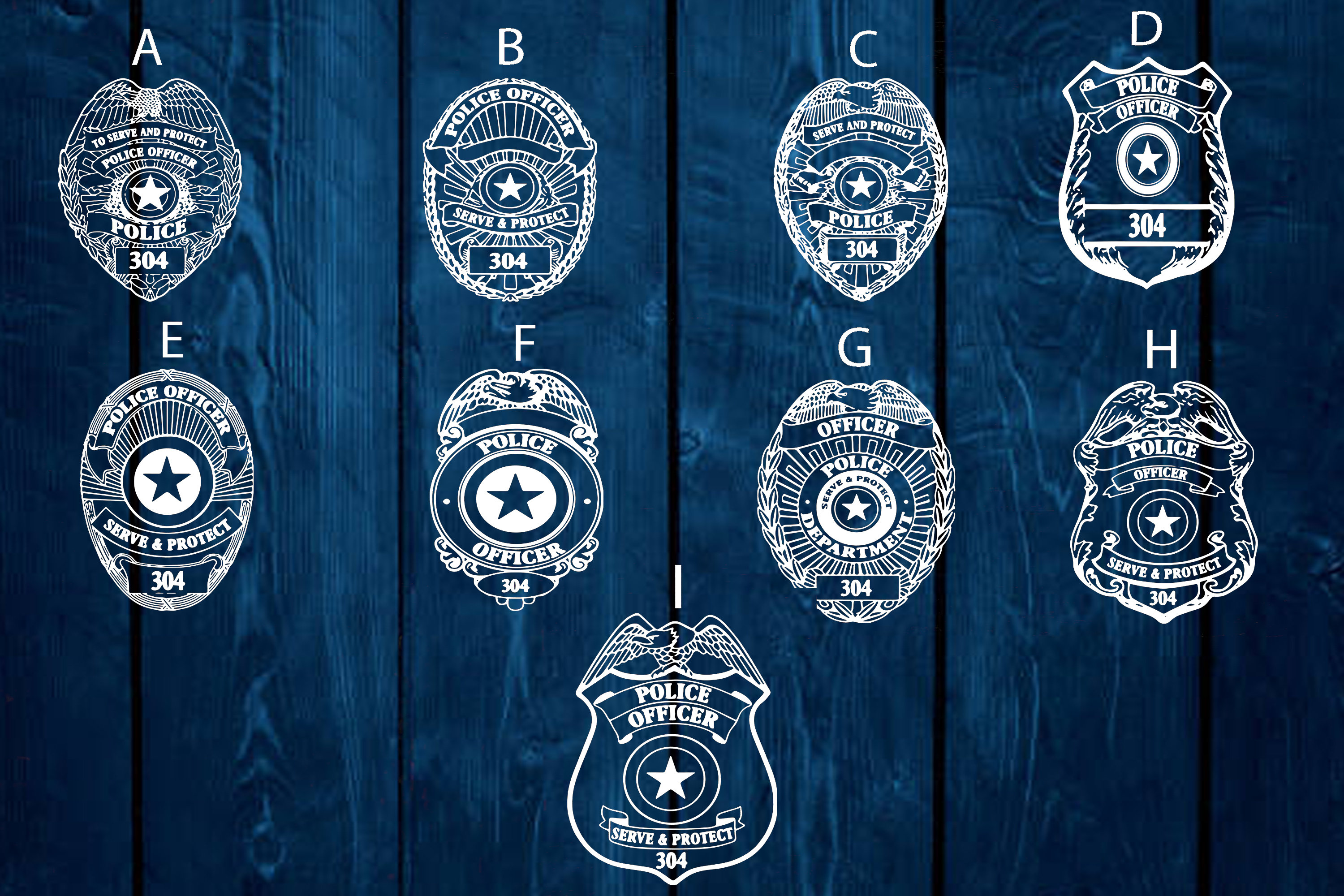
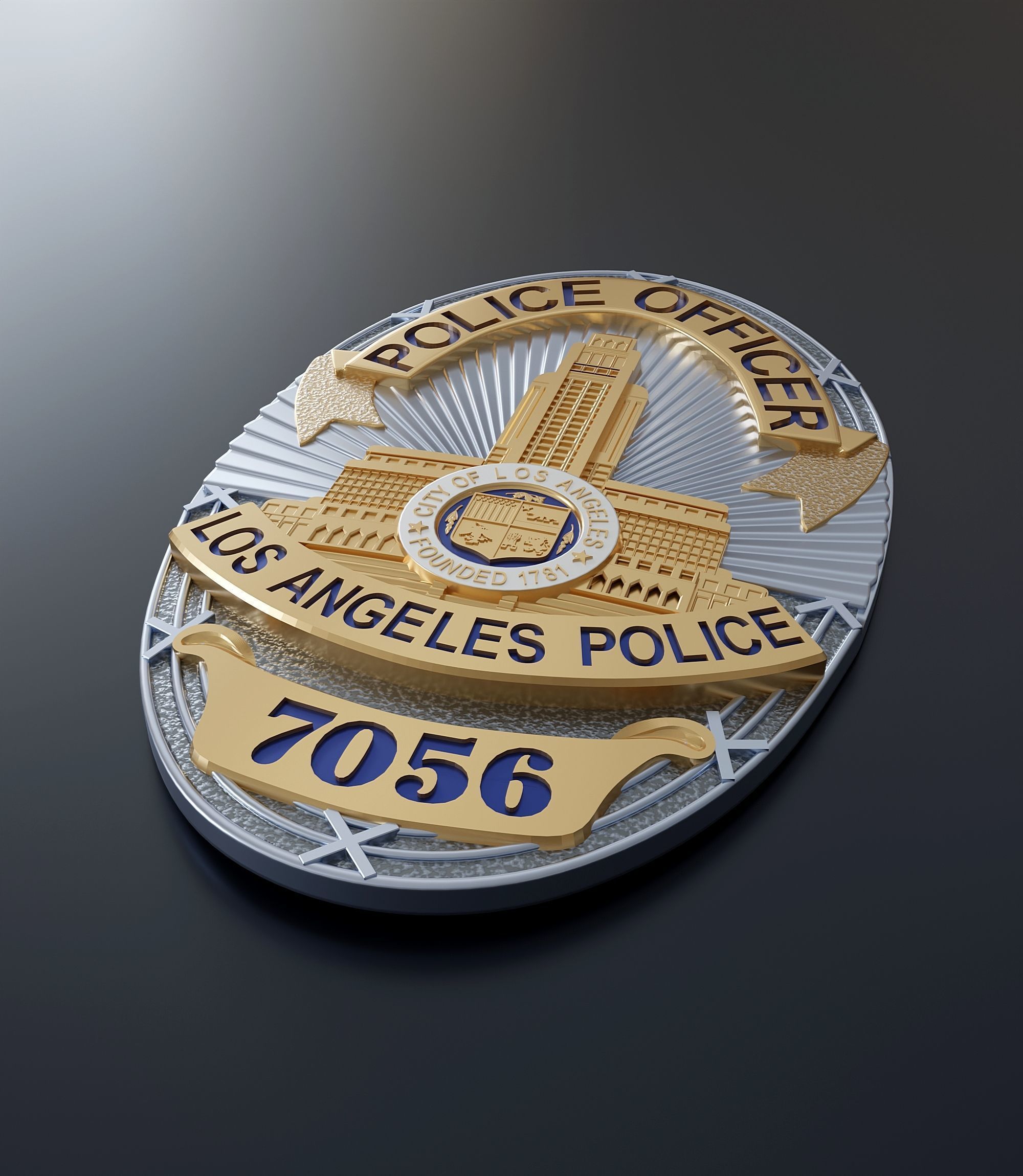
A police officer badge number is more than a simple decorative element on a uniform; it serves as a unique alphanumeric or numeric identifier assigned to sworn law enforcement personnel. In modern public safety frameworks, this identifier represents accountability, transparency, and the legal mechanism through which citizens can identify specific officers during public interactions or administrative filings. Understanding how badge numbers function, how to locate them, and how they integrate into municipal records is essential for effective civic engagement and civil oversight.
Anatomy and Structure of Law Enforcement Identifiers
Law enforcement agencies across various jurisdictions utilize distinct formatting standards for identification numbers. While the popular imagination often pictures a simple five-digit number stamped onto a metallic shield, modern departments integrate multiple layers of identification to ensure absolute uniqueness across sprawling regional forces.
- Shield or Badge Numbers: Typically embossed on the physical chest or hat shield, these numbers may be assigned permanently to an officer upon academy graduation or recycled as personnel retire.
- Personnel or Employee Numbers: Distinct from the public-facing badge number, internal payroll and human resources departments assign a unique employee ID that remains constant throughout an officer's career within that specific agency.
- Radio Call Signs: Patrol units combine precinct designations, shift identifiers, and beat numbers with individual officer identifiers to maintain operational security and clarity over dispatch channels.
| Identifier Type | Primary Function | Public Visibility | Permanence |
|---|---|---|---|
| Badge Number | Public identification and accountability | High (Visible on uniform) | Variable (May change with rank or transfer) |
| Employee ID | Internal administrative tracking and payroll | Low (Confidential internal record) | Permanent within the agency |
| Radio Call Sign | Tactical communication and dispatch routing | Medium (Broadcasted over radio frequencies) | Dynamic (Changes per shift and assignment) |
Statutory Requirements for Displaying Identification
Transparency laws mandate that law enforcement personnel display their identification clearly while interacting with the public. While historical practices varied significantly by state and municipality, legislative updates enacted through 2026 enforce stringent compliance regarding badge visibility and nameplates.
Officers operating in uniform are universally required to wear their badge and a corresponding surname nameplate on the outermost garment. Specialized units, such as tactical teams or undercover operatives, operate under specific departmental exceptions that substitute standard badge numbers with tactical call signs or numeric identifiers to protect officer safety while maintaining internal traceability.
Legal Accountability Mandate: When an individual requests an officer's name and badge number during a detention or traffic stop, standard departmental policy and local ordinances generally obligate the officer to provide this information. Refusal to provide identification upon lawful request can lead to internal affairs investigations and administrative penalties.
How to Locate and Document an Officer's Identification
For citizens seeking to record an officer's details for filing a compliment, submitting a formal complaint, or documenting a legal proceeding, knowing where to look is critical. Visual identification requires observing specific areas of the standard uniform.
- Chest Display: The primary metallic or embroidered badge is pinned to the left breast pocket or upper chest area of the uniform shirt, jacket, or outer tactical vest carrier.
- Nameplate Integration: Positioned immediately above or adjacent to the badge or centered on the chest, the nameplate features the officer's last name and, in many progressive departments, their exact badge number engraved below the text.
- Vehicle and Equipment Markings: Marked patrol cruisers feature distinct unit numbers on the roof, doors, and rear quarter panels. If an officer's physical badge is obscured by winter gear or tactical load-bearing equipment, the patrol vehicle number serves as a vital cross-reference for internal affairs investigators.
Navigating Citizen Oversight and Public Records Requests
When an interaction with law enforcement requires formal follow-up, obtaining the correct badge number streamlines the administrative process. Citizens do not need to rely solely on memory; multiple avenues exist to verify or retrieve officer identification data legally.
- Public Safety Reports: Every dispatched call generates a Computer-Aided Dispatch (CAD) log and an incident report. The primary responding officers' names and badge numbers are legally mandated entries on these public records.
- Traffic Citations: Law enforcement officers must print or electronically sign their name and badge number on the face of any traffic infraction or misdemeanor citation issued.
- Internal Affairs and Civilian Oversight Boards: Independent police review boards utilize badge numbers as the primary indexing key when accepting citizen feedback, tracking commendations, or investigating allegations of misconduct.
Comparative Analysis: Uniform Identification Standards Across Municipalities
Different types of law enforcement agencies maintain contrasting protocols regarding how personnel display and manage their identification numbers. The following breakdown highlights these operational differences.
- Municipal Police Departments: Typically feature five-to-six-digit badge numbers prominently displayed on uniforms. Badge numbers frequently stay with the officer for their tenure, though supervisory promotions may involve issuing new identifiers.
- County Sheriff Offices: Deputies often display badge numbers that reflect the specific division or sector of the county they patrol, with numbers occasionally tied to civil service or civil process deployment rosters.
- State Highway Patrols: State troopers rely heavily on badge numbers combined with distinct vehicle fleet numbering systems, ensuring centralized tracking across expansive geographic territories.
| Agency Type | Primary Identification Display | Assignment Method | Public Transparency Level |
|---|---|---|---|
| City Police | Chest Shield & Nameplate | Assigned at Academy | High (Readily available on request) |
| Sheriff's Office | Star Badge & Embroidered Patch | Tied to Deputy Roster | High (Verifiable via county records) |
| State Troopers | Metallic Badge & Hat Emblem | Statewide Sequential Pool | Moderate (Centralized dispatch lookup) |
Best Practices for Documenting Interactions Safely
When interacting with law enforcement, prioritizing personal safety while gathering necessary information is paramount. Citizens utilizing mobile devices to record video should maintain a safe, non-interfering distance as defined by local laws.
- Maintain Composure: Address officers calmly and state clearly that you are requesting their identification details for your records.
- Note Descriptive Details: If the badge number is temporarily obscured, record the officer's physical appearance, vehicle number, agency name, and the exact timestamp of the encounter.
- Utilize Official Channels: Avoid confronting officers aggressively over minor identification visibility issues during active scenes; instead, use municipal records departments to cross-reference incident times and officer schedules post-encounter.
Frequently Asked Questions
Can a police officer legally refuse to give their badge number?
Most municipal and departmental policies prohibit officers from refusing to provide their name and badge number when requested by a member of the public during a routine encounter or detention, provided the request does not interfere with officer safety or active tactical operations. Failure to comply can result in disciplinary action under internal operating procedures.
What should I do if I did not get the officer's badge number during an encounter?
You can retrieve the officer's identification by requesting a copy of the incident report, dispatch CAD log, or traffic citation associated with the date, time, and location of the encounter from the local police department's records division.
Are police badge numbers permanent?
Badge numbers can be permanent for the duration of an officer's career with a specific agency, but they are often reassigned or retired when an officer separates from the department, promotes to a high-ranking command position, or transfers to a specialized division.
How are badge numbers used in civilian oversight complaints?
Independent civilian oversight boards and internal affairs divisions use badge numbers as unique primary keys to pull personnel files, track repeat complaints or commendations, and interview the correct personnel during administrative investigations.
Do undercover or plainclothes officers have badge numbers?
Undercover and plainclothes officers typically carry a laminated or metallic shield credential along with an identification card bearing their employee and badge numbers, which they must display upon demand during lawful enforcement actions or when identifying themselves as law enforcement.
Securing Accountability Through Proper Identification
Navigating the complexities of law enforcement interactions requires a clear understanding of the tools designed for public transparency. By knowing how to correctly identify, document, and verify a police officer badge number, citizens can ensure accurate record-keeping, facilitate productive civil engagement, and support robust accountability across municipal safety frameworks. If you need assistance filing a public records request or navigating an agency's oversight process, contact your local municipal records office or civilian review board for guidance.