Visual records of the Alderson Federal Prison Camp offer a documented look at a uniquely structured minimum-security women's federal correctional institution located in West Virginia. Archival images, architectural photographs, and contemporary news media provide historical context regarding the facility's physical layout, campus design, and architectural evolution since its establishment in the 1920s.
Historical Context and Origins of Alderson Federal Prison Camp
Established in 1927, the Federal Industrial Institution for Women at Alderson—now known as the Federal Prison Camp, Alderson (FPC Alderson)—holds the distinction of being the first federal women's prison in the United States. Conceived during the progressive penal reform movement spearheaded by Mabel Walker Willebrandt, then-Assistant Attorney General, the facility was designed to depart sharply from the fortress-like male penitentiaries of the era. Early photographs and architectural plans from the 1920s reveal an intentional cottage-style layout modeled after traditional college campuses rather than secure detention facilities.
The campus was deliberately sited on a sprawling tract of land in West Virginia's Greenbrier Valley, near the town of Alderson. This rural location allowed inmates to engage in agricultural work, vocational training, and domestic education in an open environment. Visual archives from the Bureau of Prisons (BOP) and historical libraries document this pastoral design, showcasing low-rise residential cottages without traditional perimeter walls, barbed wire, or guard towers. Understanding these foundational design choices is essential for analyzing any historical or contemporary picture of the facility, as the layout remains fundamentally distinct from higher-security federal correctional facilities.
Architectural Layout and Visual Characteristics
When examining pictures of Alderson Federal Prison Camp, observers often note the absence of overt maximum-security architectural features. The campus layout features red-brick residential cottages arranged along tree-lined roadways, administrative buildings, a central dining hall, and vocational workspaces. Because FPC Alderson is designated as a minimum-security institution, the security infrastructure is intentionally understated.
Historic and modern photographs capture several key architectural components of the facility:
- Residential Cottages: Unlike cell blocks, the housing units resemble traditional multi-room dormitory houses where inmates share living and common areas.
- Administrative and Support Structures: Buildings dedicated to education, medical care, and food service are integrated directly into the campus flow, maintaining a collegiate aesthetic.
- Perimeter Boundaries: Pictures consistently show minimal physical barriers, relying instead on geographical boundaries, staff supervision, and institutional policy to maintain custody.
- Agricultural and Groundskeeping Areas: Past and present views frequently highlight the surrounding open acreage, reflecting the institution's historical emphasis on self-sustainability through farming and outdoor maintenance.
Evaluating these visual elements requires differentiating between archival photography from the mid-20th century and modern imagery, as maintenance, minor structural additions, and modernization have altered specific buildings over the decades.
Accessing Official and Public Archives for Facility Imagery
Locating verified pictures of Alderson Federal Prison Camp requires navigating official government repositories, historical societies, and accredited news photo archives. Because federal correctional facilities are restricted areas, public access is heavily regulated, meaning that authentic exterior and interior imagery is generally sourced from public domain records, journalistic coverage, or official federal documentation.
| Repository Type | Source Examples | Primary Content Focus | Access Method |
|---|---|---|---|
| Federal Archives | National Archives and Records Administration (NARA) | Historical construction photos, early BOP reports, 1920s-1950s documentation | Online catalog or physical research rooms |
| Government Agencies | Federal Bureau of Prisons (BOP) | Official facility profiles, basic exterior reference shots, agency fact sheets | Public website and press office inquiries |
| News Photo Agencies | Associated Press, Getty Images | Editorial coverage of high-profile inmates, exterior media scrums, aerial views | Licensed media platforms and archives |
| Local Historians | West Virginia State Archives, Greenbrier County libraries | Regional impact, local press clippings, historical postcards | Institutional repositories and local collections |
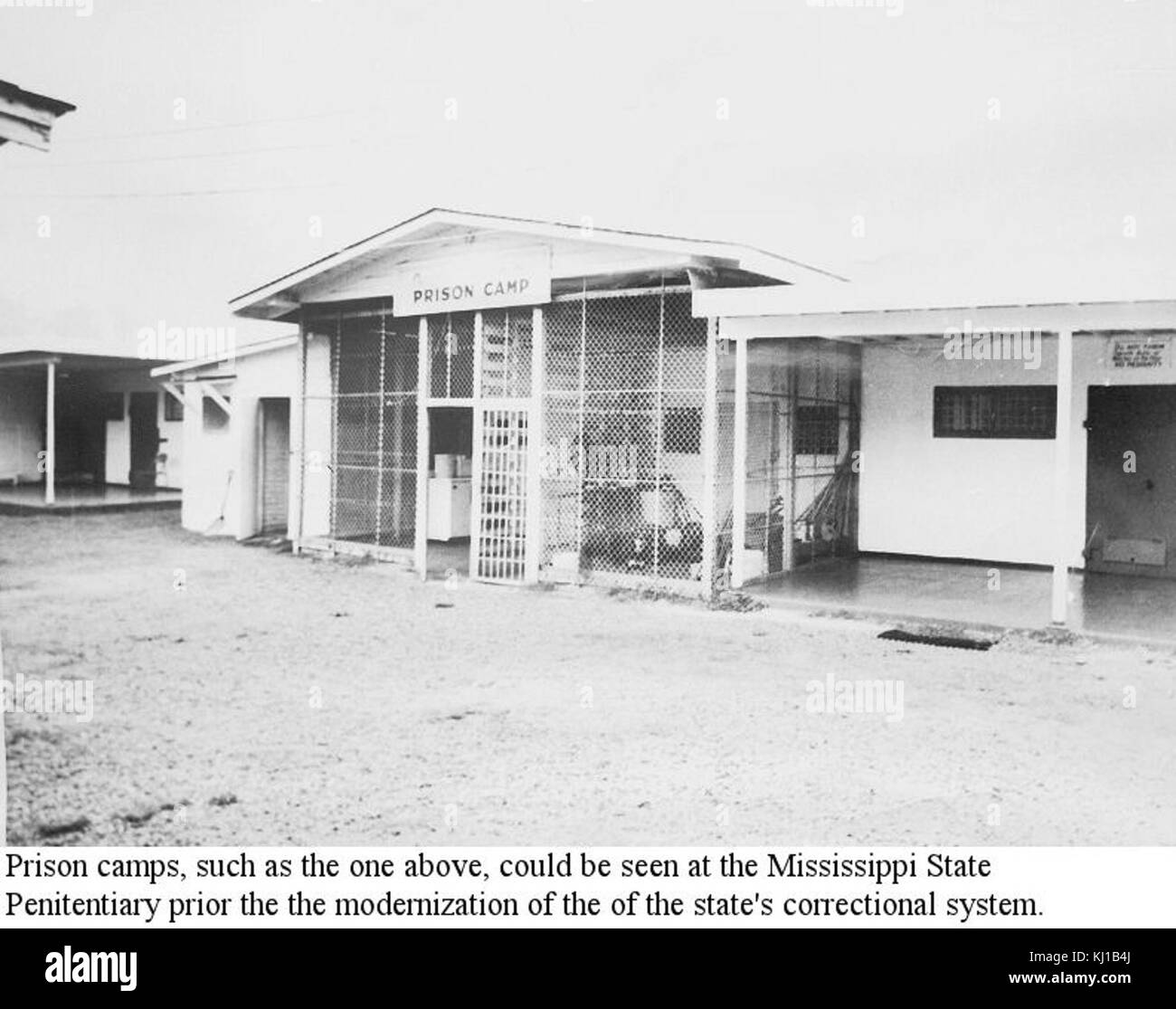
Researchers and writers examining these visual sources must verify provenance to ensure that photographs accurately represent FPC Alderson rather than unrelated correctional facilities. Mislabeling of prison imagery in commercial databases is a common occurrence, making cross-reference with official BOP geographical identifiers necessary.
Media Coverage and High-Profile Inmates in Visual Records
A significant portion of public interest in pictures of Alderson Federal Prison Camp stems from its association with high-profile inmates, particularly corporate executives, political figures, and celebrities. Media outlets frequently publish file photographs and archival imagery whenever a prominent individual is sentenced to or released from the facility.
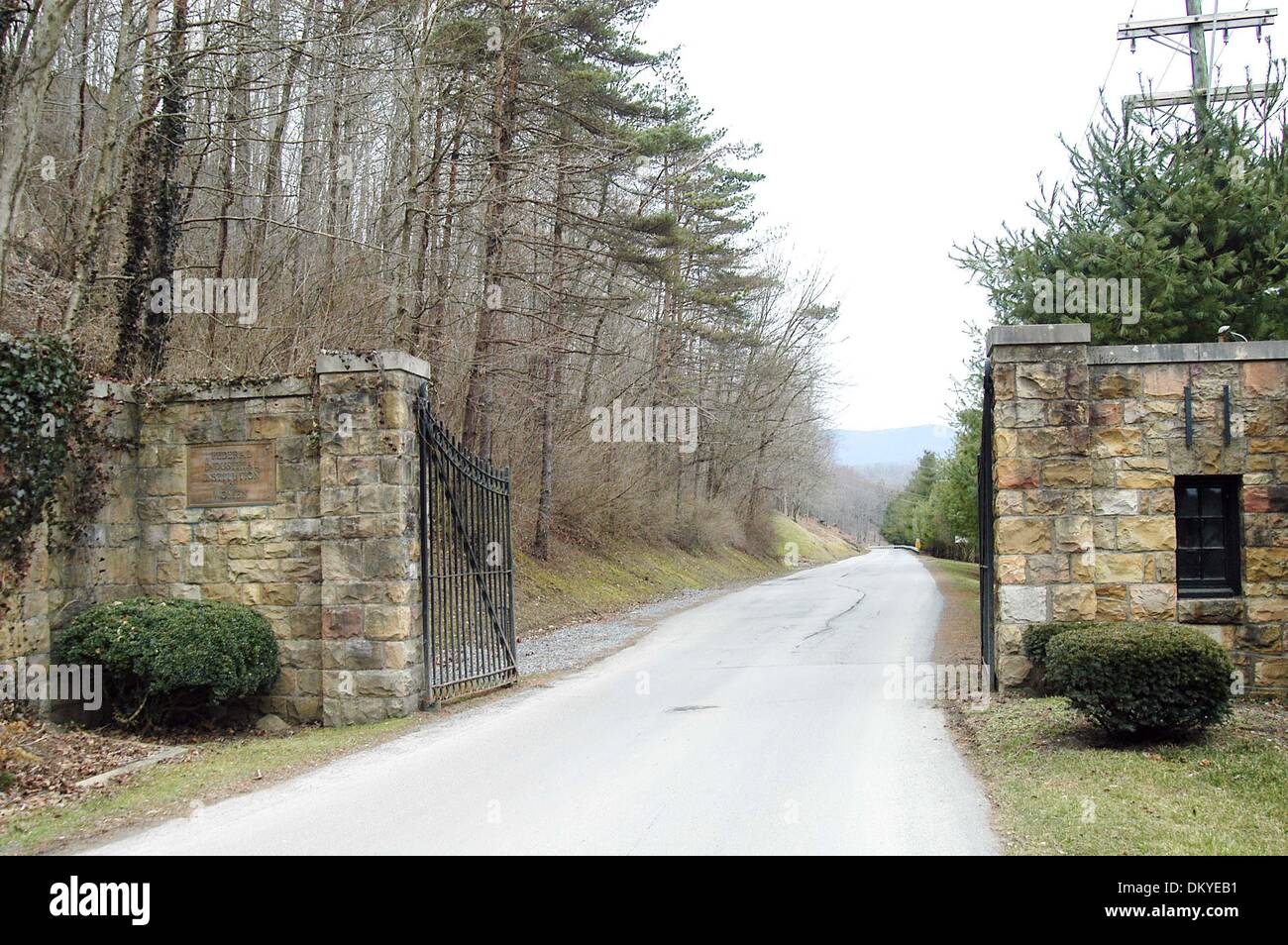
During high-profile arrivals and departures, photojournalists gather outside the main entrance gates and public access roads to capture editorial imagery. These press photographs typically document media scrums, legal representatives, and arrival vehicles rather than the interior operations of the camp. Because federal regulations strictly prohibit commercial photography or unauthorized media entry within the secure perimeter, interior visual records remain largely limited to official government documentation, approved documentaries, or promotional materials released by the Federal Bureau of Prisons.
Common Misconceptions Regarding Facility Imagery
Misinformation and inaccurate visual representations are prevalent across the internet regarding minimum-security federal prison camps. A recurring error in digital searches involves mistaking images of country clubs, historic colleges, or higher-security penitentiaries for Alderson Federal Prison Camp.
Key points to keep in mind when evaluating visual media include:
- Absence of Luxury: While early progressive reformers designed Alderson to resemble a school, it remains a federal correctional facility subject to strict BOP regulations, institutional discipline, and restricted personal freedoms.
- Security Distinctions: Minimum-security does not mean open access; public photography is prohibited on institutional grounds, and unauthorized entry constitutes a federal security violation.
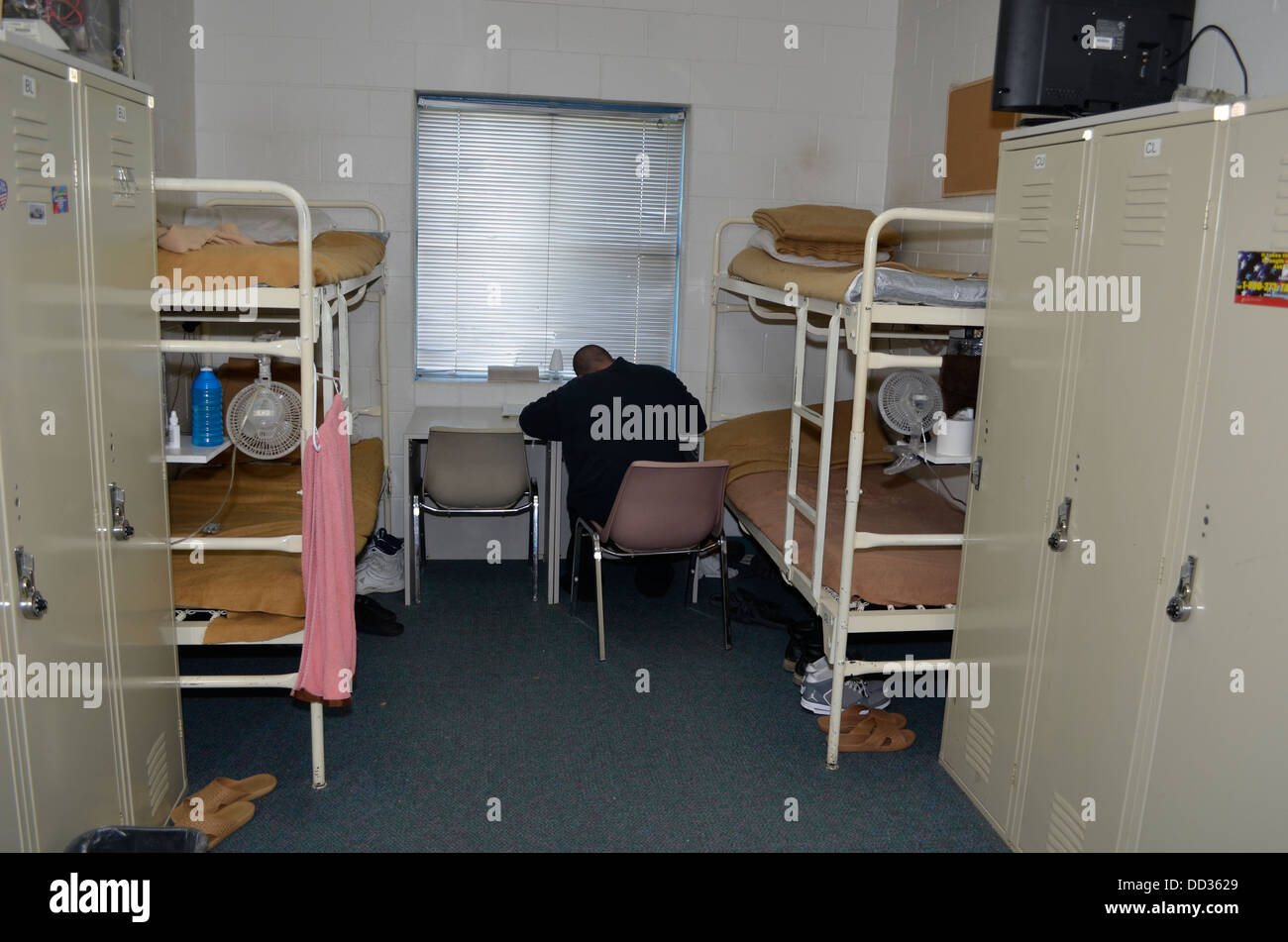
- Interior Depictions: Most widely circulated images depict exterior campus views or arrival gates; authentic interior housing unit photos are rarely published outside of official audits or controlled media tours.
Maintaining critical awareness of these factors prevents the proliferation of inaccurate descriptions regarding the daily operational reality of the institution.
Frequently Asked Questions
Can the public tour Alderson Federal Prison Camp?
No, the public cannot tour Alderson Federal Prison Camp. As an active federal correctional facility managed by the Federal Bureau of Prisons, unauthorized visitors are strictly barred from entering the grounds for security and privacy reasons.
Are there interior photographs available of the housing units?
Interior photographs are extremely limited. The Federal Bureau of Prisons occasionally permits controlled media access or releases standardized facility overviews, but comprehensive interior tours and inmate living quarters are generally closed to commercial and public photography.
Why does Alderson look different from traditional prisons?
Alderson was designed in 1927 as a reformatory modeled after a college campus rather than a traditional maximum-security prison. Its architectural plan intentionally avoided cell blocks, perimeter walls, and guard towers to support vocational and rehabilitative programs for women.
Where can verified historical photos of the prison be found?
Verified historical photos can be located through the National Archives and Records Administration (NARA), the Library of Congress, and regional West Virginia historical collections, which house documentation from the facility's construction and early operational decades.
How do media photographers take pictures of the prison?
Media photographers capture images exclusively from public property outside the facility's secure perimeter, typically focusing on the main entrance gates, access roads, and media staging areas during notable legal proceedings or inmate arrivals.
Practical Steps for Researching Institutional History
For researchers, journalists, and historians seeking accurate visual and documentary evidence regarding FPC Alderson, establishing a structured research methodology ensures factual accuracy. Begin by consulting primary source documents housed within federal archives rather than relying on unverified internet image searches. Cross-reference any discovered photograph with official BOP facility guides to confirm structural features, geographical markers, and historical timelines. By adhering to rigorous verification standards, researchers can accurately document the architectural and social history of this enduring federal institution.