Note: This article focuses on the sociological and public safety dimensions of organized street-level criminal groups in Philadelphia. It does not address commercial entities, healthcare organizations, or financial institutions sharing similar nomenclature.
The landscape of public safety in Philadelphia has undergone significant structural shifts as of early 2026. Addressing the complexities of neighborhood-level criminal organizations requires a comprehensive understanding of current municipal strategies, socioeconomic data, and the evolving nature of urban conflict. As the city navigates the second half of the decade, the focus of law enforcement and community stakeholders has transitioned toward data-driven intervention and hyper-local violence prevention frameworks.
The Evolution of Street-Level Organizations in the Philadelphia Metropolitan Area
By 2026, the organizational structure of street-level groups in Philadelphia has moved away from traditional, hierarchically rigid structures toward more fragmented, social-media-centric networks. These modern entities, often referred to by local law enforcement as "neighborhood-based crews," lack the formal chain of command seen in historical racketeering syndicates. Instead, they operate through loose affiliations tied to specific city blocks or digital identities.
The primary drivers of these shifts include:
- Rapid Digital Proliferation: The use of encrypted messaging and social media platforms to coordinate activity, mock rival factions, and document status, which significantly complicates traditional surveillance methods.
- Economic Instability and Illicit Markets: The persistent influence of shadow economies related to the local drug trade, which fuels competition between small, localized groups rather than centralized cartels.
- Urban Geography: The city’s "row house" layout, which creates naturally demarcated territorial boundaries that are easily defended but difficult for law enforcement to monitor without significant intelligence assets.
Comparative Analysis of Public Safety Intervention Strategies
The City of Philadelphia’s current approach, integrated under the 2026 Public Safety Strategic Plan, relies on a multi-tiered model that prioritizes the disruption of conflict cycles. The following table highlights the primary institutional responses currently in effect to mitigate gang-related outcomes.
| Strategy Component | Operational Mechanism | Target Audience | Efficacy Metric |
|---|---|---|---|
| Focused Deterrence | Direct communication with high-risk individuals regarding the legal consequences of violence. | Documented group members | Recidivism Rate |
| Community-Based Violence Intervention | Mentorship and conflict mediation via credible messengers. | At-risk youth and young adults | Incident Frequency |
| Real-Time Crime Center (RTCC) | Centralized monitoring of CCTV, ShotSpotter, and digital footprints. | Urban environments | Response Time |
| Forensic Intelligence | Ballistic analysis through the NIBIN system for rapid suspect identification. | Violent offenders | Clearance Rate |
Regional Socioeconomic Factors and Youth Vulnerability
The persistence of group-affiliated violence in Philadelphia is inextricably linked to long-term socioeconomic challenges. In 2026, data suggests that areas with the highest density of gang activity also report the highest concentrations of educational disengagement and housing instability.
Structural Risk Factors
Educational Disruption Schools within these specific corridors often face chronic funding volatility, leading to a loss of extracurricular programs that serve as a primary defense against external influences.
Economic Isolation Limited access to entry-level job markets forces many young residents into the informal economy, where group membership is often perceived as both a path to income and a mechanism for physical protection.
Systemic Fragmentation A lack of cohesive community-based mental health resources creates a vacuum often filled by neighborhood crews, which provide a distorted sense of belonging and protection to vulnerable demographics.
Technical Frameworks for Law Enforcement and Community Engagement
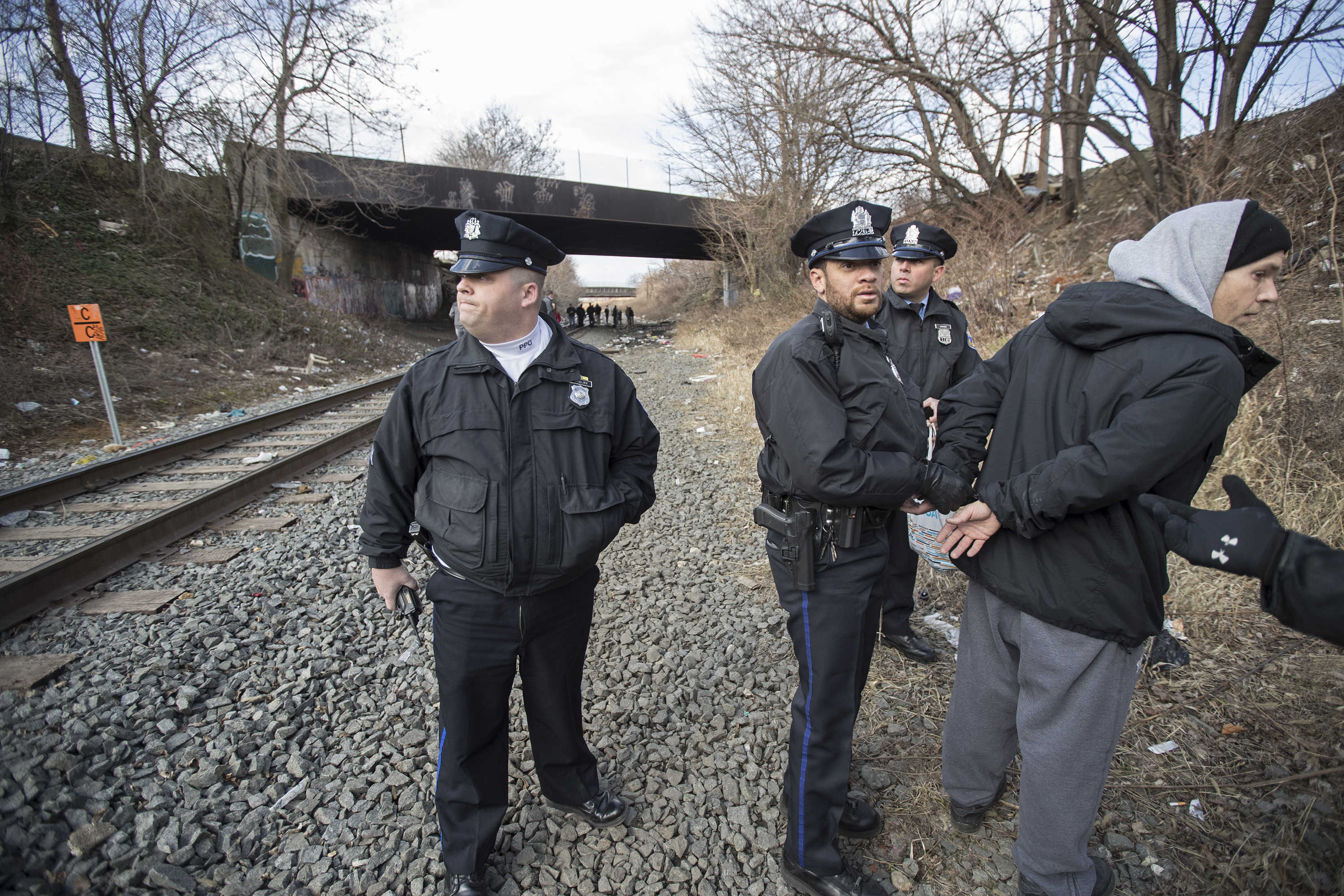
The Philadelphia Police Department, in collaboration with the District Attorney's Office, has adopted an intelligence-led policing model as of 2026. This framework prioritizes the "person-based" approach over traditional "place-based" tactics. By identifying the small percentage of the population responsible for a disproportionate amount of violent incidents, the city aims to reduce total crime without engaging in indiscriminate community policing.
The implementation of the 2026 Violence Reduction Strategy includes:
- Predictive Analytics: Utilizing historical crime patterns to deploy rapid-response units to high-risk zones during peak temporal windows.
- Multi-Agency Task Forces: Partnering with state and federal entities to target the supply chains that support street-level organizations, particularly those involved in illegal firearm distribution.
- Procedural Justice Training: Ensuring that every interaction between law enforcement and residents in high-crime areas adheres to strict constitutional standards to foster long-term community trust.
Frequently Asked Questions Regarding Philadelphia Public Safety
What is the current status of the "Focused Deterrence" program in 2026?
Focused Deterrence is currently active and has been scaled to include more personalized intervention pathways, such as vocational training and immediate mental health referrals. The program aims to move beyond simple warnings, providing individuals with a concrete "exit ramp" from street life.
How does the city handle digital evidence from gang-related social media posts?
The Philadelphia Police Department utilizes a specialized Digital Evidence Unit to analyze social media footprints. Under 2026 legal guidelines, this data must be corroborated by physical evidence or witness testimony to be considered admissible in court, ensuring compliance with digital privacy statutes.
Are there specific neighborhoods in Philadelphia that remain high-risk?
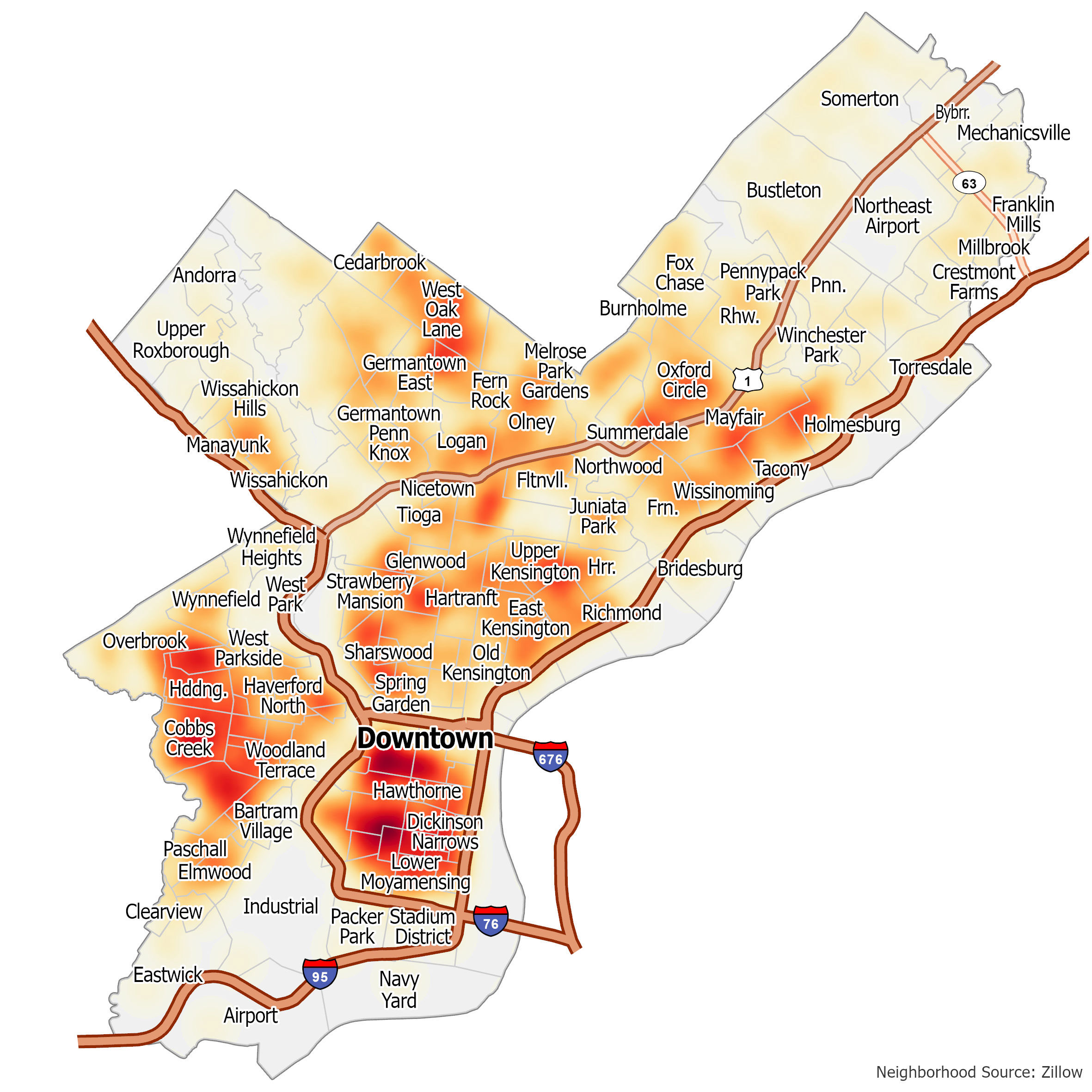
Yes, risk levels remain geographically concentrated. The 2026 city safety dashboard identifies specific corridors in North, West, and Southwest Philadelphia as having the highest concentrations of group-affiliated activity, necessitating higher levels of inter-agency cooperation in these zones.
Can residents anonymously report gang activity to the authorities?
Yes, the city maintains an anonymous tip line and a secure digital portal where residents can report suspicious activity without fear of retaliation. All reports are processed by the Real-Time Crime Center to determine the appropriate response level.
What resources exist for parents concerned about their children joining local crews?
The city has established the Youth Safety Initiative, which offers resources ranging from after-school athletic programs to professional counseling for families. These programs focus on early intervention before formal contact with the juvenile justice system occurs.
Building a Safer Future: The Path Forward
The path to reducing the influence of gangs in Philadelphia requires more than just law enforcement intervention. It necessitates a commitment to policy stability, consistent investment in community infrastructure, and a rejection of the cycles of trauma that perpetuate the existence of these groups. As we look at the trajectory of the city in 2026, the integration of technology, data-driven policing, and robust social support systems represents the most viable path toward reclaiming neighborhood safety and fostering sustainable economic growth for all Philadelphia residents.
If you have specific concerns regarding safety in your neighborhood, contact your local police district’s Community Relations Officer or visit the official Philadelphia municipal website for available resources on community violence prevention programs.