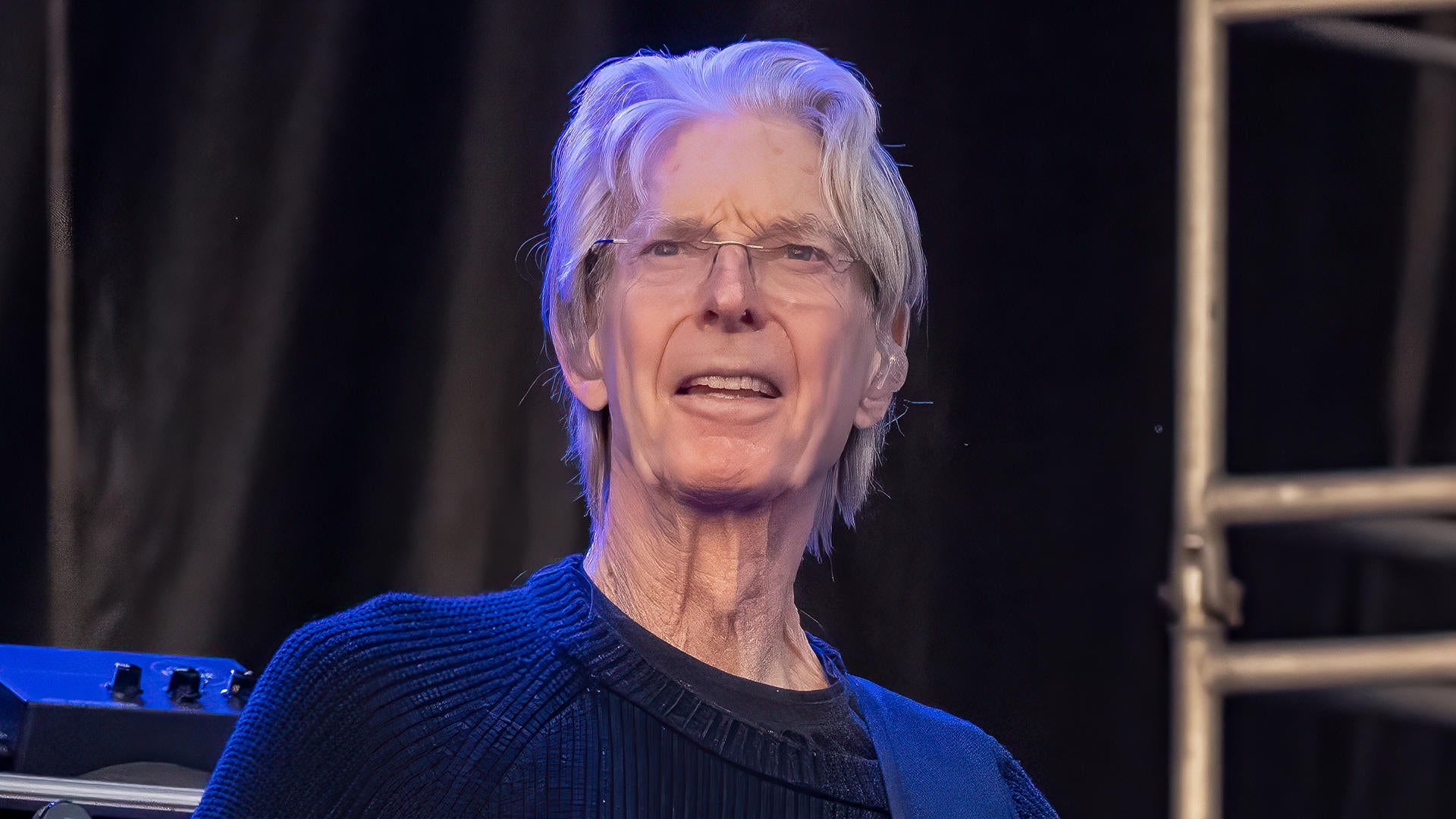
Phil Lesh was a foundational force in American rock music, best known as the bass guitarist and founding member of the legendary counterculture band the Grateful Dead. His innovative approach to the electric bass—blending melodic counterpoint with jazz improvisation and classical composition techniques—redefined the instrument's role in a rock ensemble, leaving behind an enduring musical legacy that continues to resonate across generations.
Introduction to Phil Lesh and His Early Musical Foundations
Philip Chapman Lesh was born on March 15, 1940, in Berkeley, California. Before he ever picked up a bass guitar, Lesh was deeply immersed in the world of classical music and jazz. He studied violin as a child and later transitioned to the trumpet, developing a sophisticated ear for harmony, arrangement, and polyphony under the tutelage of avant-garde composer Luciano Berio at Mills College.
During his early years in the vibrant San Francisco Bay Area arts scene, Lesh crossed paths with future bandmate Jerry Garcia. At the time, Garcia was a bluegrass banjo player, and Lesh was an aspiring composer and multi-instrumentalist. When Garcia and his cohorts formed a new electric rock and roll group initially known as the Warlocks in 1965, they needed a bass player. Despite having virtually no experience playing the electric bass, Lesh accepted the invitation. His classical training and unconventional perspective allowed him to approach the instrument not as a mere timekeeper or rhythm-section anchor, but as an independent melodic voice capable of weaving in and out of lead guitar lines.
The Grateful Dead Era: Innovation and Legacy
As a core member of the Grateful Dead from its inception in 1965 until Jerry Garcia’s passing in 1995, Phil Lesh played an instrumental role in shaping the band's eclectic sonic identity. The Grateful Dead pioneered a fusion of rock, folk, bluegrass, blues, reggae, and extended improvisational jazz. Within this sonic architecture, Lesh’s bass playing stood out for its fluid, high-register countermelodies and fearless exploration of modal improvisation.
Lesh was also a key contributor to the band’s songwriting catalog. Alongside lyricist Robert Hunter and guitarist Jerry Garcia, Lesh contributed music to several Grateful Dead staples, including "Box of Rain," "St. Stephen," "Unbroken Chain," and "Pride of Cucamonga." His signature lead vocal performances, though infrequent compared to Garcia or rhythm guitarist Bob Weir, brought a distinct emotional resonance to tracks like "Box of Rain" and "Passenger."
Beyond the music itself, Lesh helped construct the Grateful Dead’s legendary business and cultural philosophy. The band championed fan tape-trading, established a direct-to-consumer ticketing ecosystem, and fostered an intensely loyal subculture of followers known as "Deadheads." Following the dissolution of the Grateful Dead in 1995, Lesh remained a tireless steward of this musical universe, performing with various iterations such as Phil Lesh and Friends, The Other Ones, and Furthur, while mentoring younger generations of improvisational musicians at his own music venue, Terrapin Crossroads.
Financial Standing, Wealth Generation, and Net Worth
Evaluating the net worth of a career musician who spent decades in a cooperative touring enterprise involves examining multiple revenue streams, including royalties, publishing rights, touring income, and real estate holdings. At the time of his passing in October 2024 at the age of 84, Phil Lesh’s estimated net worth was widely reported by financial and entertainment analysts to be between $50 million and $60 million.
Unlike many mainstream pop acts of his era, the Grateful Dead operated on a unique business model that prioritized live performance over commercial radio hits and corporate sponsorships. For decades, the band was among the highest-grossing touring acts in North America, consistently selling out arenas and stadiums. Lesh, as an equal founding partner in the band's corporate entities, shared equally in the vast revenues generated by concert ticket sales, merchandise, and archival releases.
Key Components of Phil Lesh’s Financial Portfolio
- Publishing and Songwriting Royalties: Lesh owned a percentage of the publishing rights to numerous Grateful Dead compositions, ensuring a steady residual income stream from digital streaming, physical album sales, and sync licensing in film and television.
- Archival Merchandise and Licensing: The Grateful Dead's merchandising engine—overseen by entities like Grateful Dead Productions—remains an exceptionally lucrative commercial enterprise, generating millions annually from apparel, lifestyle products, and collectibles.
- Live Performance Revenue: Throughout his post-Grateful Dead career, Lesh commanded significant guarantees for touring with Phil Lesh and Friends and various festival appearances, maintaining a rigorous performance schedule well into his later years.
- Real Estate Assets: Over a decades-long career in Northern California, Lesh invested in residential real estate, notably in Marin County, which appreciated significantly in value.
| Revenue Stream | Source Description | Impact on Long-Term Wealth |
|---|---|---|
| Touring Income | Decades of headlining arena and amphitheater tours with the Grateful Dead and solo projects. | Provided primary cash flow and high-yield operational earnings during active years. |
| Publishing Royalties | Co-writing credits on catalog standards such as "Box of Rain" and "Unbroken Chain." | Delivers consistent, passive residual income across global streaming and physical markets. |
| Merchandise & Licensing | Official Grateful Dead branding, apparel, and authorized third-party collaborations. | Sustained commercial relevance and high-margin retail revenue independent of touring. |
| Real Estate Holdings | Property investments primarily situated in the San Francisco Bay Area and Marin County. | Built substantial long-term capital appreciation and asset security. |
Health Challenges and Resilience
Phil Lesh’s long career was marked by significant health battles that tested his resilience and reshaped his relationship with touring. A lifelong survivor of various health complications, Lesh was diagnosed with hepatitis C in the 1990s, largely attributed to a blood transfusion received during ulcer surgery decades prior. The condition severely damaged his liver, necessitating a life-saving liver transplant in December 1998.
Following his transplant, Lesh became an outspoken advocate for organ donor awareness, frequently taking a moment during his live concerts to urge audience members to register as donors. In addition to his liver transplant, Lesh successfully battled prostate cancer in 2006 and bladder cancer in 2015. Despite these formidable medical hurdles, he continually adapted his touring schedules to prioritize his health, demonstrating an unwavering dedication to his craft and his audience.
Frequently Asked Questions
What instrument did Phil Lesh play in the Grateful Dead?
Phil Lesh played the electric bass guitar. He primarily utilized custom-built instruments that allowed him to achieve a distinct, articulate tone capable of cutting through the dense sonic improvisations of the Grateful Dead. His approach treated the bass as a lead melodic instrument rather than a traditional rhythm-section anchor.
What are Phil Lesh's most famous songs?
Some of Phil Lesh's most notable contributions as a songwriter and vocalist include "Box of Rain," "Unbroken Chain," and "Phil's Song." He also played a critical structural role in the composition and execution of many of the band's signature improvisational jams and second-set suites.
How did Phil Lesh change the role of the bass in rock music?
Before Phil Lesh, rock bassists typically adhered to root-note patterns that locked in strictly with the kick drum to establish the foundational beat. Lesh abandoned this convention, drawing heavily from classical counterpoint and jazz phrasing. He played melodic counter-lines that interacted directly with Jerry Garcia’s lead guitar, creating a multi-dimensional sonic texture unique to the Grateful Dead.
What was Phil Lesh's net worth when he died?
At the time of his passing in October 2024, Phil Lesh's net worth was estimated to be between $50 million and $60 million. This wealth was accumulated through decades of record-breaking touring, merchandise licensing, publishing royalties from the Grateful Dead catalog, and strategic real estate investments.
Did Phil Lesh tour after the Grateful Dead disbanded?
Yes, Lesh remained actively touring for nearly three decades after Jerry Garcia's passing in 1995. He formed several successful touring ensembles, most notably Phil Lesh and Friends, featuring a rotating cast of acclaimed guest musicians, as well as participating in reunion projects like The Other Ones and Furthur alongside fellow Grateful Dead alumni.
Preserving the Sonic Heritage
For enthusiasts, musicians, and researchers examining the cultural impact of the 1960s counterculture, Phil Lesh remains an indispensable figure. His life's work demonstrates how rigorous academic training can merge seamlessly with psychedelic rock improvisation to create an entirely new musical vocabulary. To further explore his legacy, listeners can examine official live archival releases from the Grateful Dead’s vault or explore documented interviews detailing his compositional philosophies and approach to improvisational group dynamics.