Note: This comprehensive guide focuses on the Master Chief Petty Officer (MCPO) rank within the United States Armed Forces, primarily examining naval operational structures, leadership roles, and the rigorous criteria required for attainment as of 2026.
The rank of Master Chief Petty Officer represents the pinnacle of the enlisted career structure in naval and coast guard services. Operating as both technical experts and senior executive leaders, Master Chief Petty Officers bridge the critical gap between the enlisted force and the commissioned officer corps. As the operational environment evolves through 2026, the expectations placed upon these senior leaders have expanded to encompass advanced technical readiness, multi-domain warfare integration, and holistic force development. Understanding the trajectory, responsibilities, and structural hierarchy of this esteemed rank is vital for any service member aspiring to senior leadership or analysts studying military personnel management.
Evolution and Significance of the Master Chief Petty Officer Rank
Established to provide a distinct tier of senior enlisted leadership, the Master Chief Petty Officer pay grade (E-9) signifies decades of proven tactical proficiency, ethical leadership, and strategic decision-making. Unlike junior enlisted personnel whose focus remains predominantly on execution and operational proficiency, master chiefs operate at the command, echelon, and force-wide levels.
Within modern naval operations, the role has adapted to meet the demands of distributed maritime operations and complex technological landscapes. A Master Chief Petty Officer does not merely supervise daily maintenance or administrative workflows; they advise commanding officers on troop welfare, discipline, technical capabilities, and the tactical deployment of personnel assets.
Core Pillars of Master Chief Leadership
- Tactical and Technical Mastery: Serving as the definitive subject matter expert within their respective rating or occupational specialty.
- Organizational Mentorship: Cultivating the next generation of chief petty officers and junior officers through deliberate leadership development frameworks.
- Command Advocacy: Acting as the primary conduit between unit leadership and the enlisted force to ensure operational readiness and morale.
- Ethical Stewardship: Enforcing the highest standards of military bearing, discipline, and professional ethics across the command.
Rank Structure and Pay Grade Hierarchy in 2026
The enlisted leadership framework culminates in the E-9 pay grade, though specialized positions elevate select master chiefs to command-level responsibilities. The structural hierarchy within the E-9 tier dictates scope of command and administrative authority.
| Pay Grade | Enlisted Rank Designation | Typical Operational Scope | Primary Leadership Focus |
|---|---|---|---|
| E-7 | Chief Petty Officer | Department / Division | Tactical execution and technical oversight |
| E-8 | Senior Chief Petty Officer | Department / Major Division | Administrative management and senior mentorship |
| E-9 | Master Chief Petty Officer | Command / Squadron / Group | Force-wide standards and commanding officer advisory |
| E-9 | Command Master Chief (CMC) | Major Operational Unit / Ship | Command climate, morale, and enlisted welfare |
| E-9 | Force / Fleet Master Chief | Type Commander / Fleet Staff | Strategic personnel policies and force-wide advocacy |
Specialized E-9 Designations
Beyond standard rating master chiefs, the pinnacle appointments shape service-wide culture and policy. Command Master Chiefs (CMCs) serve directly under commanding officers of major ships, aviation squadrons, and shore installations. At the highest echelon, Force and Fleet Master Chiefs advise major warfare commanders and service chiefs directly, influencing personnel budgets, training pipelines, and quality-of-life initiatives.
Path to Advancement: Requirements and Selection Criteria for 2026
Reaching the rank of Master Chief Petty Officer is an intensely competitive process that requires sustained superior performance, rigorous professional development, and endorsement by senior boards. The advancement system evaluates candidates across multiple weighted performance indicators.
Key Prerequisites for E-9 Consideration
Service Time and Time-in-Rate: Candidates must meet strict minimum active-duty service requirements and time-in-rate thresholds as a Senior Chief Petty Officer (E-8). This ensures adequate seasoning and operational experience before board review.
Performance Evaluations: Consecutive superior enlisted evaluation reports (FITREPs or EVALs) demonstrating sustained top-tier performance, leadership impact, and readiness contributions.
Professional Military Education (PME): Successful completion of the Senior Enlisted Academy (SEA) or equivalent sister-service senior enlisted JPME courses, alongside required Joint Professional Military Education milestones.
The selection process relies heavily on the annual E-9 Selection Board. Unlike junior grades where advancement exams carry significant weight, master chief selection is entirely board-driven. Board members evaluate the complete career history, looking for indicators of major leadership achievements, collateral duties, retention success of subordinates, and technical certifications.
Operational Responsibilities and Command Influence
The day-to-day responsibilities of a Master Chief Petty Officer require a delicate balance of administrative oversight, technical troubleshooting, and strategic vision. They function as the senior operational anchor of any unit.
Key Operational Duties
- Advisory Function to the Commanding Officer: Providing unfiltered, objective assessments regarding unit readiness, sailor performance, and operational risks.
- Enlisted Force Management: Overseeing advancement tracking, professional development paths, disciplinary processes, and equitable task distribution within the command.
- Program Management: Directing complex departmental safety, training, and quality assurance programs to ensure compliance with changing statutory and naval regulations.
- Crisis Response and Conflict Resolution: Mediating complex administrative or interpersonal disputes before they degrade operational effectiveness or morale.
Comparative Analysis: Master Chief vs. Senior Chief and Chief Petty Officer
Understanding the distinct operational shift as a sailor moves through the chief tiers highlights the unique value proposition of the Master Chief Petty Officer rank.
| Attribute | Chief Petty Officer (E-7) | Senior Chief Petty Officer (E-8) | Master Chief Petty Officer (E-9) |
|---|---|---|---|
| Primary Scope | Hands-on division management | Departmental coordination | Command-wide vision and strategy |
| Decision Impact | Tactical and operational level | Operational and administrative level | Strategic and institutional level |
| Officer Interaction | Collaborates with division officers | Advises department heads | Counsels commanding officers and flag officers |
| Mentorship Focus | Junior sailors and prospective chiefs | Chief petty officers and junior officers | Entire command and rating community |
Frequently Asked Questions
What is a Master Chief Petty Officer?
A Master Chief Petty Officer is an E-9 rank in the naval services, representing the highest tier of enlisted leadership, technical expertise, and command advisory capability. They serve as strategic advisors to commanding officers and mentors to the entire enlisted force.
How long does it take to reach Master Chief Petty Officer?
Reaching E-9 typically requires a minimum of 15 to 20 years of dedicated active-duty service, though the exact timeline depends on individual promotion pathways, rating quotas, and continuous competitive board selections.
What is the difference between a Master Chief and a Command Master Chief?
While both hold the E-9 pay grade, a standard Master Chief often retains a specific technical rating focus, whereas a Command Master Chief (CMC) is specially selected to manage command-wide climate, morale, and enlisted welfare directly for a commanding officer.
Do Master Chiefs wear different uniforms?
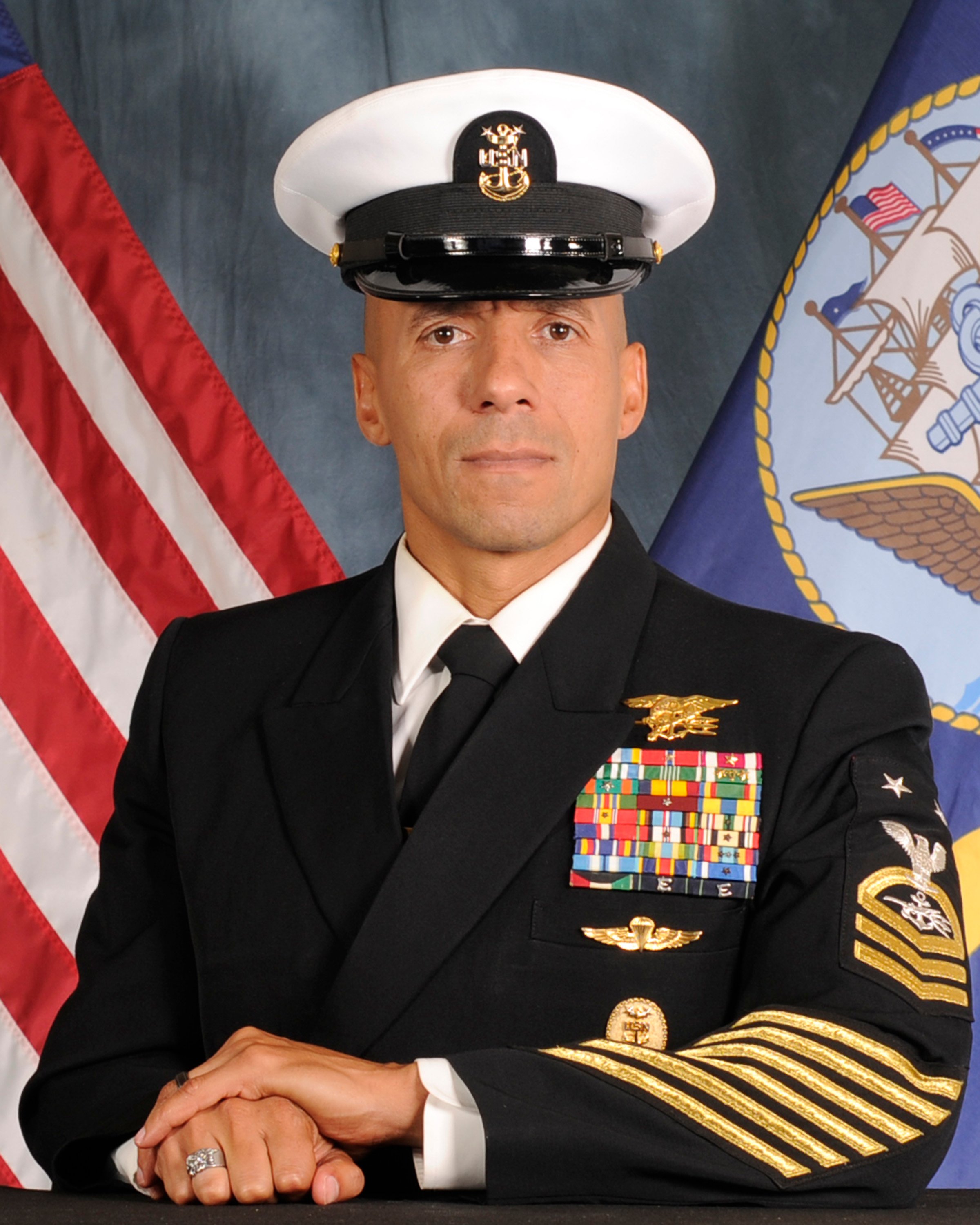
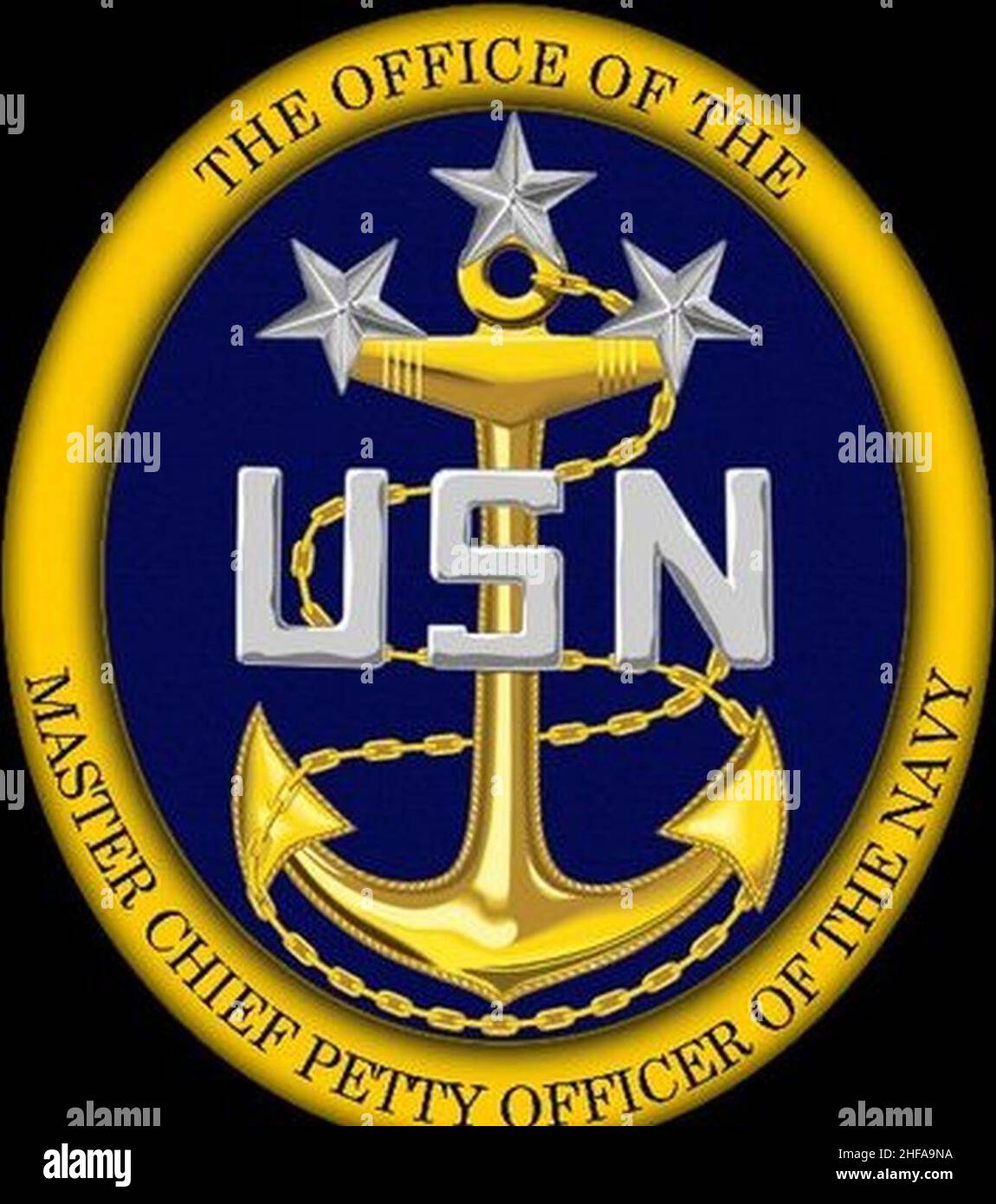
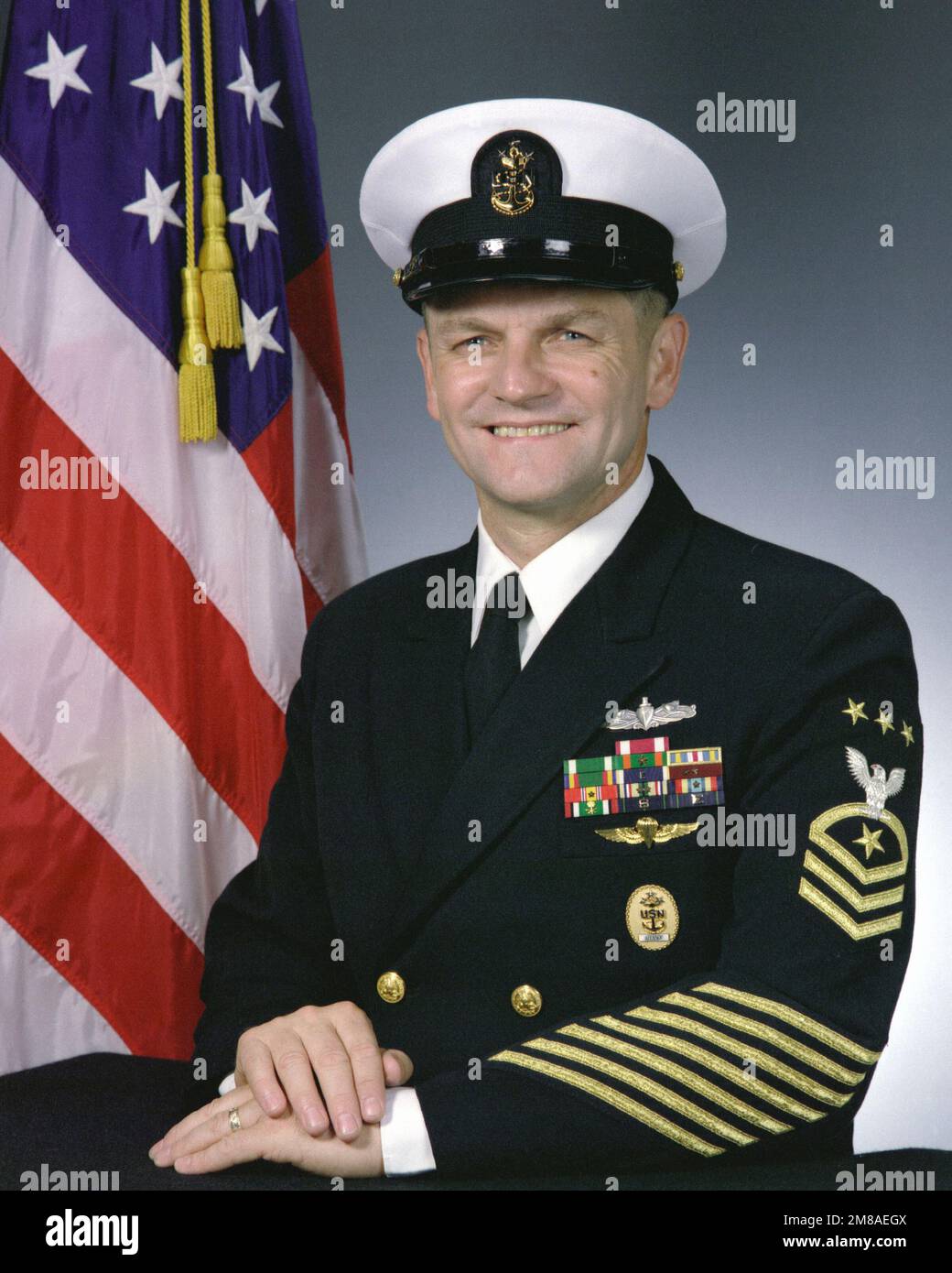
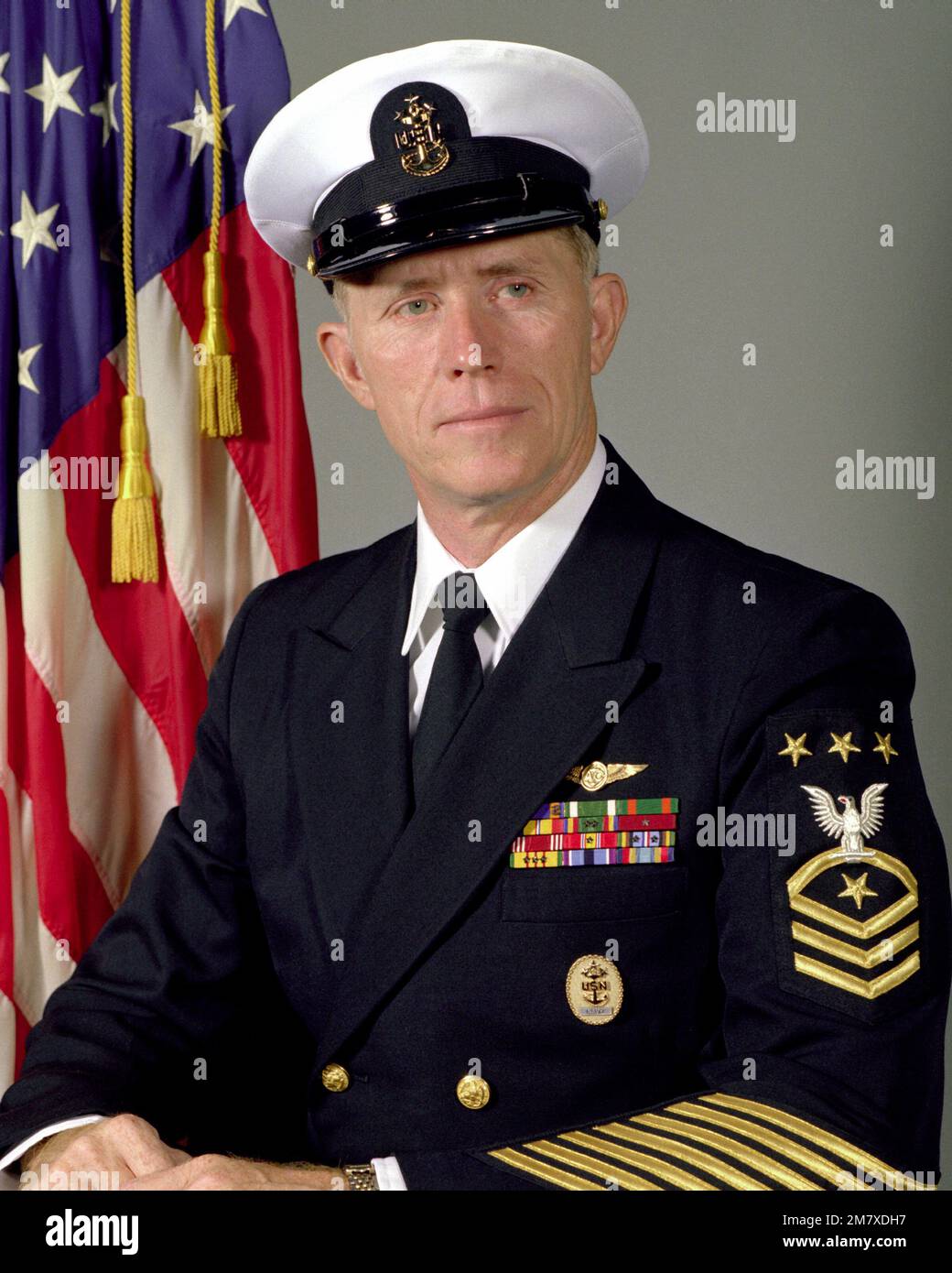
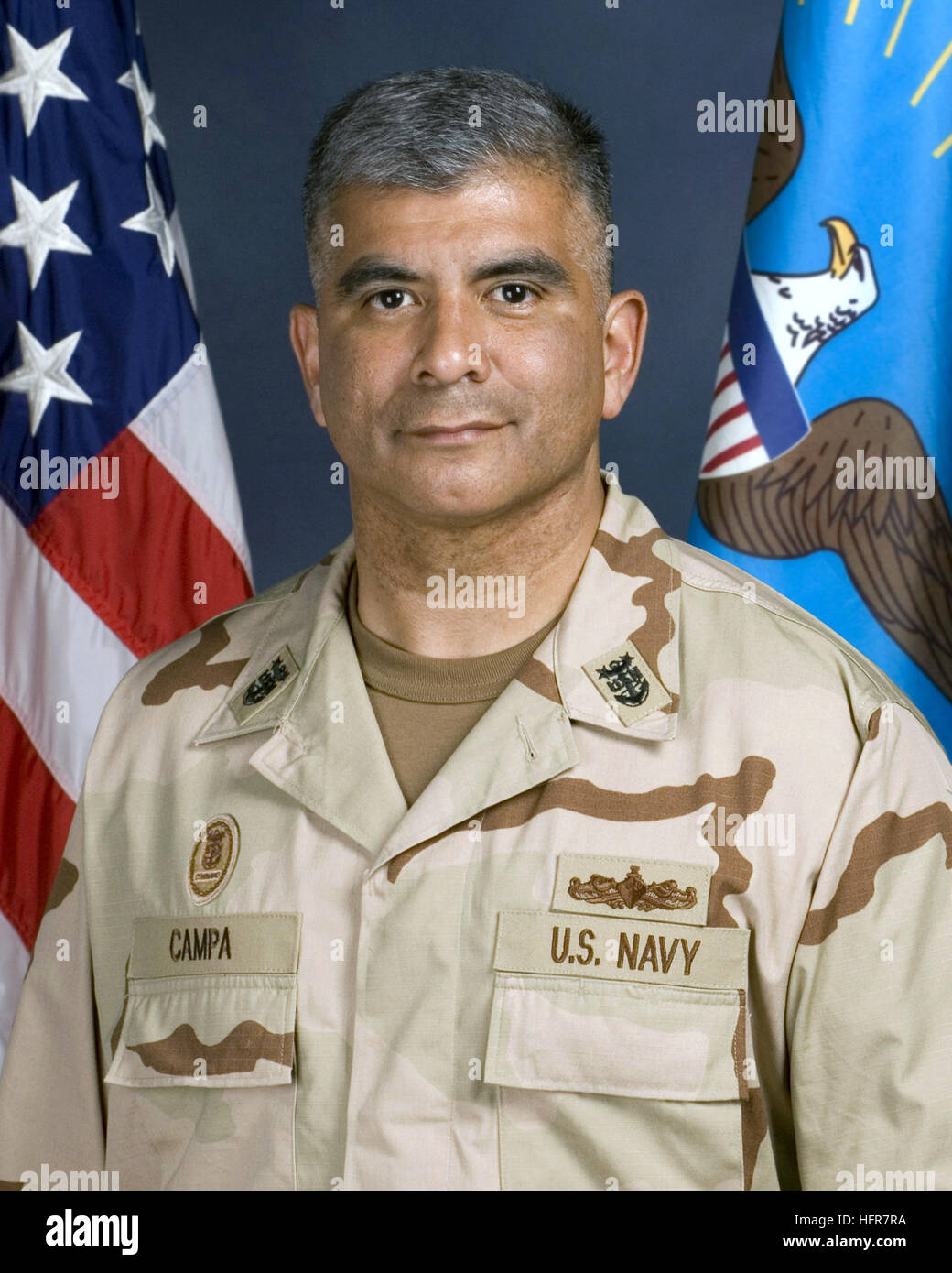
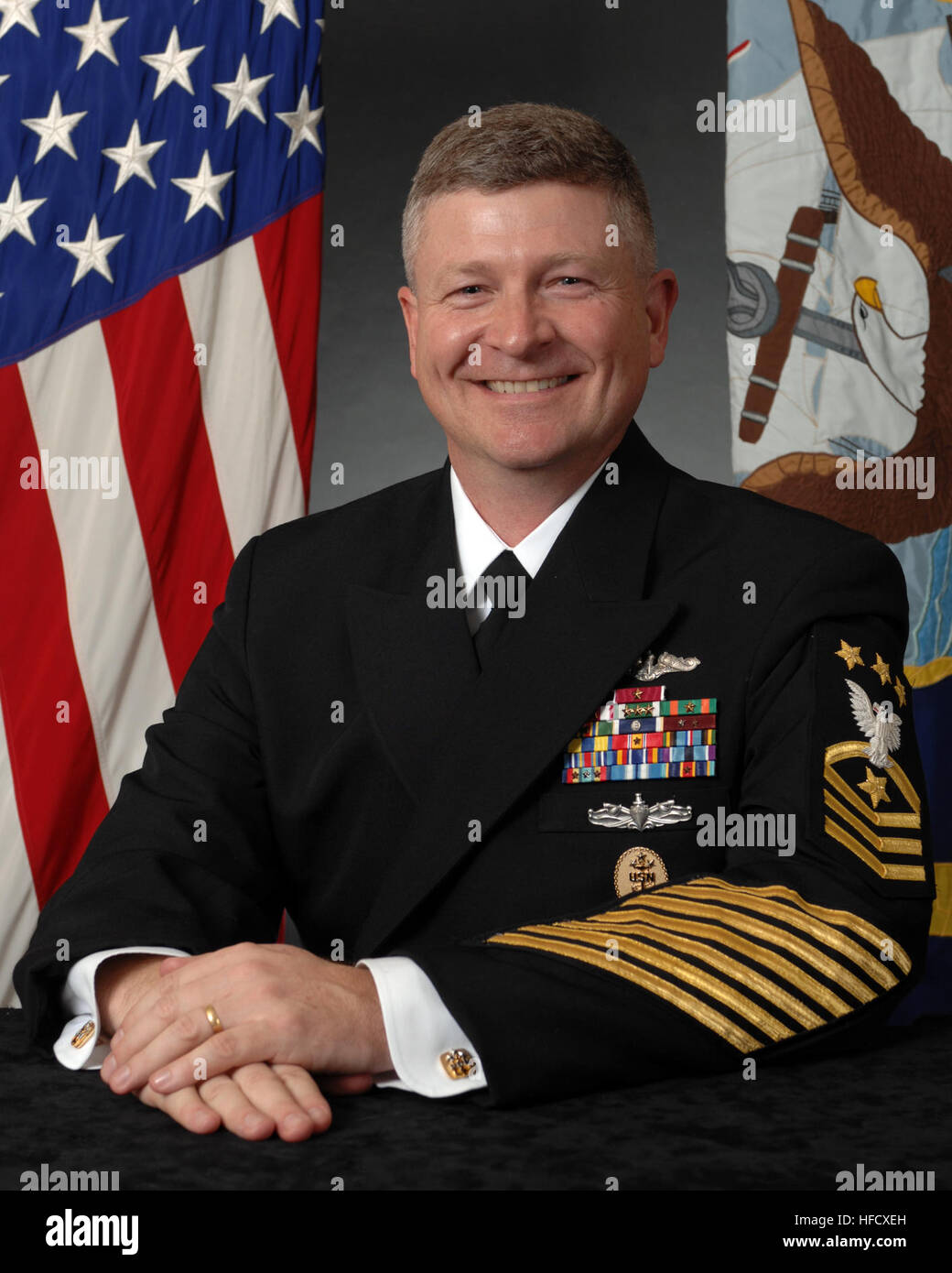
Master Chief Petty Officers wear uniforms similar to other chief petty officers, featuring distinct gold rating badges and service stripes (in the U.S. Navy) along with unique garrison cap devices and rank insignia denoting their E-9 status.
Can a Master Chief become a commissioned officer?
While direct transitions from enlisted to commissioned officer exist through programs like the Limited Duty Officer (LDO) and Chief Warrant Officer (CWO) programs, master chiefs often choose to remain in the senior enlisted track to maximize their influence over force-wide enlisted development.
Conclusion and Next Steps
The Master Chief Petty Officer rank remains the bedrock of operational excellence and leadership integrity within modern military structures. For aspiring service members, charting a course toward this elite tier requires unwavering dedication to professional growth, technical mastery, and selfless leadership. To evaluate your current trajectory toward senior enlisted leadership, review your service record, engage with your command master chief for targeted mentorship, and ensure completion of all required professional military education milestones.