Peter Sellers passed away from a massive myocardial infarction, commonly known as a heart failure event, on July 24, 1980, following a prolonged history of severe cardiovascular disease compounded by heavy smoking, extreme stress, and multiple prior heart attacks.
The legendary British comedic actor and star of The Pink Panther series lived through decades of chronic cardiovascular decline that ultimately culminated in his death at the Dorchester Hotel in London at the age of 54. His medical history remains a prominent case study in how cumulative lifestyle factors, congenital or early-onset cardiac vulnerability, and immense professional pressures interact to precipitate fatal cardiac events. Understanding the precise medical timeline, the underlying health factors, and the physiological mechanisms of his passing provides a clear, factual window into the intersection of mid-20th-century celebrity lifestyles and advanced cardiovascular pathology.
The Immediate Cause of Death: Myocardial Infarction and Cardiac Arrest
On July 22, 1980, Peter Sellers collapsed in his London hotel room after suffering a massive myocardial infarction. He slipped into a deep coma from which he never recovered. Two days later, on July 24, 1980, he was pronounced dead at London's Middlesex Hospital.
Medically, the primary cause of death was acute heart failure induced by a severe coronary thrombosis—a blood clot blocking an already narrowed coronary artery. When a coronary artery becomes completely occluded, the oxygen-deprived heart muscle tissue begins to undergo necrosis, or tissue death. In Sellers's case, the resulting cardiac arrest compromised cerebral perfusion for too long, causing irreversible brain damage before life-support measures were withdrawn. While the immediate trigger was a sudden ischemic event, his heart was structurally compromised from decades of accumulated vascular damage.
A Legacy of Cardiovascular Trauma: The 1964 Heart Attacks
To understand Sellers's death in 1980, one must examine a critical turning point sixteen years earlier. In March 1964, while filming A Shot in the Dark in London, Sellers suffered a series of eight consecutive heart attacks over the span of a single night at the age of 38.
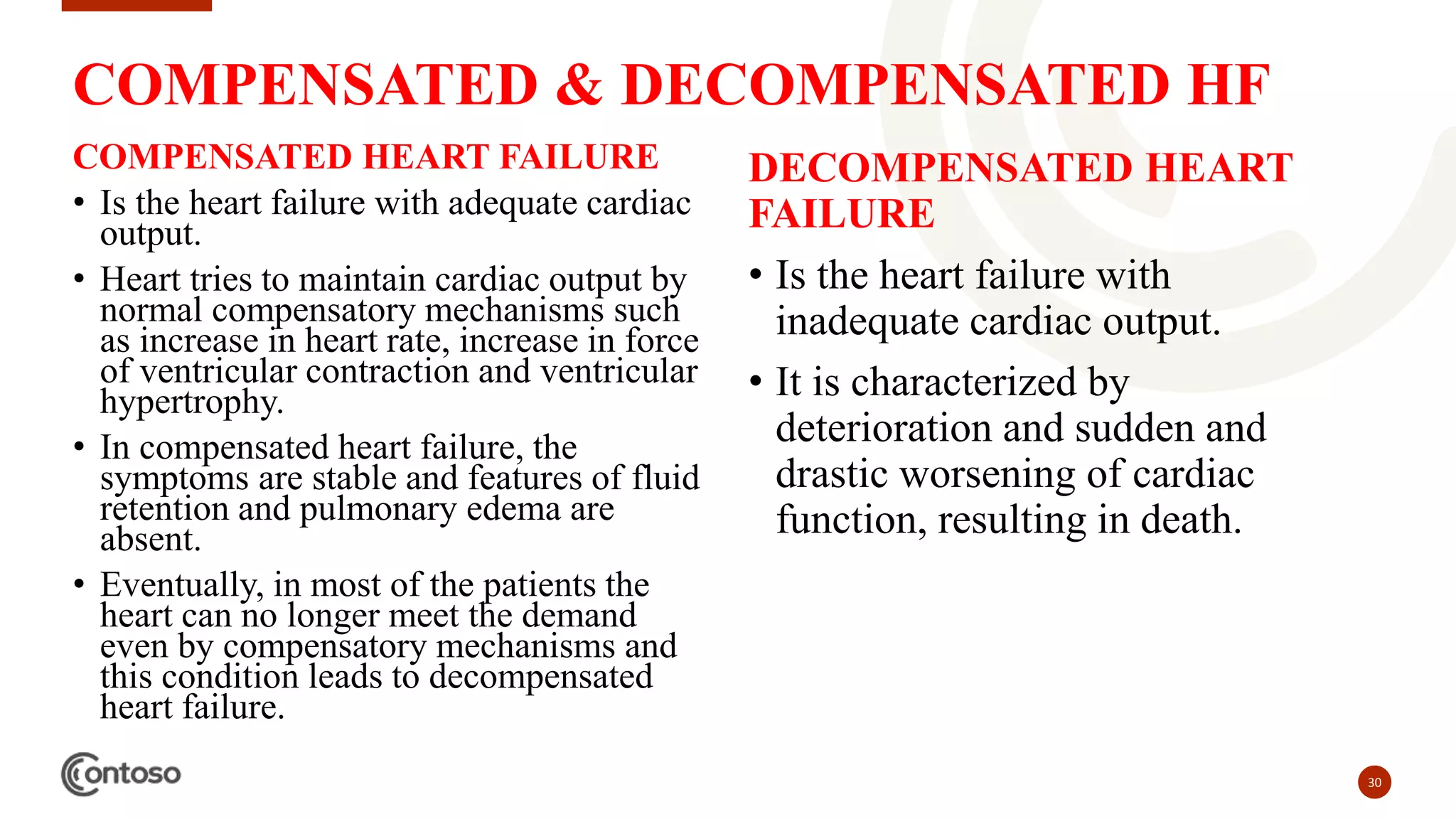
This catastrophic event radically altered his physical resilience and set the trajectory for his remaining years. Modern medical assessments of the 1964 incident note that surviving eight massive myocardial infarctions in rapid succession was a rare medical anomaly for the era, largely attributable to his youth at the time and the emergency interventions available. However, the sheer volume of heart muscle tissue destroyed during this episode left his left ventricle permanently scarred and severely weakened. From 1964 onward, Sellers lived with chronic congestive heart failure, meaning his heart could no longer pump blood efficiently enough to meet the body's metabolic demands, leading to persistent fatigue, shortness of breath, and fluid retention.
Lifestyle Factors: Smoking, Diet, and Chronic Stress
Several lifestyle factors significantly accelerated Sellers's cardiovascular deterioration throughout his life and career. Understanding these variables clarifies why his heart disease progressed so aggressively despite access to top-tier medical care.
- Heavy Tobacco Use: Sellers was a lifelong, heavy cigarette smoker, often consuming multiple packs a day. Nicotine and tobacco smoke byproducts accelerate atherosclerosis—the hardening and narrowing of the arteries—by damaging the endothelial lining of blood vessels and promoting plaque buildup.
- High-Stress Profession: The psychological toll of his demanding career in film and radio contributed heavily to his baseline anxiety and lifestyle habits. Sellers was known for his intense perfectionism, volatile temper, and profound anxiety regarding his identity and acceptance, which kept his nervous system in a state of chronic stress.
- Lack of Preventive Management: In the 1960s and 1970s, modern preventative cardiology protocols—such as routine statin therapy, advanced blood pressure management, and comprehensive cardiac rehabilitation—were in their infancy compared to contemporary standards. Treatment often focused on acute crisis management rather than long-term risk factor modification.
The Role of Alternative Therapies and Medical Reluctance
Adding a complex psychological layer to his physical decline, Sellers famously harbored a deep skepticism toward conventional medical establishment recommendations, frequently seeking alternative treatments. Following his near-fatal heart attacks in 1964, rather than strictly adhering to prolonged hospital bed rest and strict lifestyle rehabilitation regimens, he occasionally consulted spiritual healers, psychics, and fringe practitioners.
While these diversions did not cause his heart failure, biographers and medical historians note that his reluctance to adopt a sustained, disciplined regimen of cardiac self-care and stress reduction exacerbated his vulnerability. His volatile temperament also strained personal relationships, removing vital emotional support systems that could have helped mitigate his lifestyle-driven health risks.
Medical Comparison: Peter Sellers's Health Profile vs. Standard Cardiac Risk Factors
| Risk Factor / Medical Event | Peter Sellers’s Clinical Profile | Standard Clinical Implications |
|---|---|---|
| Age at First Major Incident | 38 years old (1964) | Unusually early onset for multi-infarct presentation; indicates strong congenital or accelerated vascular risk. |
| Tobacco Consumption | Heavy, chronic cigarette smoker for decades | Directly accelerates coronary plaque accumulation and increases acute thrombosis risk. |
| Cardiac Functional Capacity | Severely compromised left ventricular ejection fraction post-1964 | Leads to chronic congestive heart failure, fluid retention, and systemic fatigue. |
| Primary Cause of Death | Massive myocardial infarction and subsequent cardiac arrest at age 54 | Results from total coronary artery occlusion on top of a scarred, weakened heart muscle. |
Frequently Asked Questions
What was Peter Sellers's exact cause of death?
Peter Sellers died from a massive myocardial infarction—a heart attack—that led to acute heart failure and cardiac arrest. He suffered the attack on July 22, 1980, and passed away two days later on July 24 without regaining consciousness.
How old was Peter Sellers when he died?
Peter Sellers was 54 years old at the time of his death in 1980. He was born on September 14, 1925.
Did Peter Sellers have heart problems earlier in life?
Yes. Sellers suffered a catastrophic series of eight massive heart attacks in 1964 when he was only 38 years old. This event permanently scarred his heart muscle and left him with chronic cardiovascular disease for the final sixteen years of his life.
What lifestyle factors contributed to Peter Sellers's heart failure?
His heart disease was driven by heavy cigarette smoking, chronic high stress associated with his intense acting career, and a weakened heart structure resulting from his severe 1964 cardiac episodes.
Did Peter Sellers refuse conventional medical treatment?
While he did receive extensive emergency hospital care during his crises, Sellers famously explored alternative healers and psychics throughout his life, and he frequently struggled to maintain strict medical regimens or lifestyle modifications prescribed by his cardiologists.
Preventive Lessons and Next Actions
Examining the medical history of Peter Sellers underscores the critical importance of early cardiovascular screening, rigorous risk-factor modification, and comprehensive cardiac rehabilitation. Individuals seeking to mitigate their own risk of heart failure should prioritize regular blood pressure monitoring, cholesterol assessment via lipid panels, smoking cessation programs, and structured stress management. Consulting a qualified cardiologist or primary care physician for a personalized cardiovascular risk assessment remains the most effective step in preventing acute myocardial infarctions and managing chronic heart conditions.