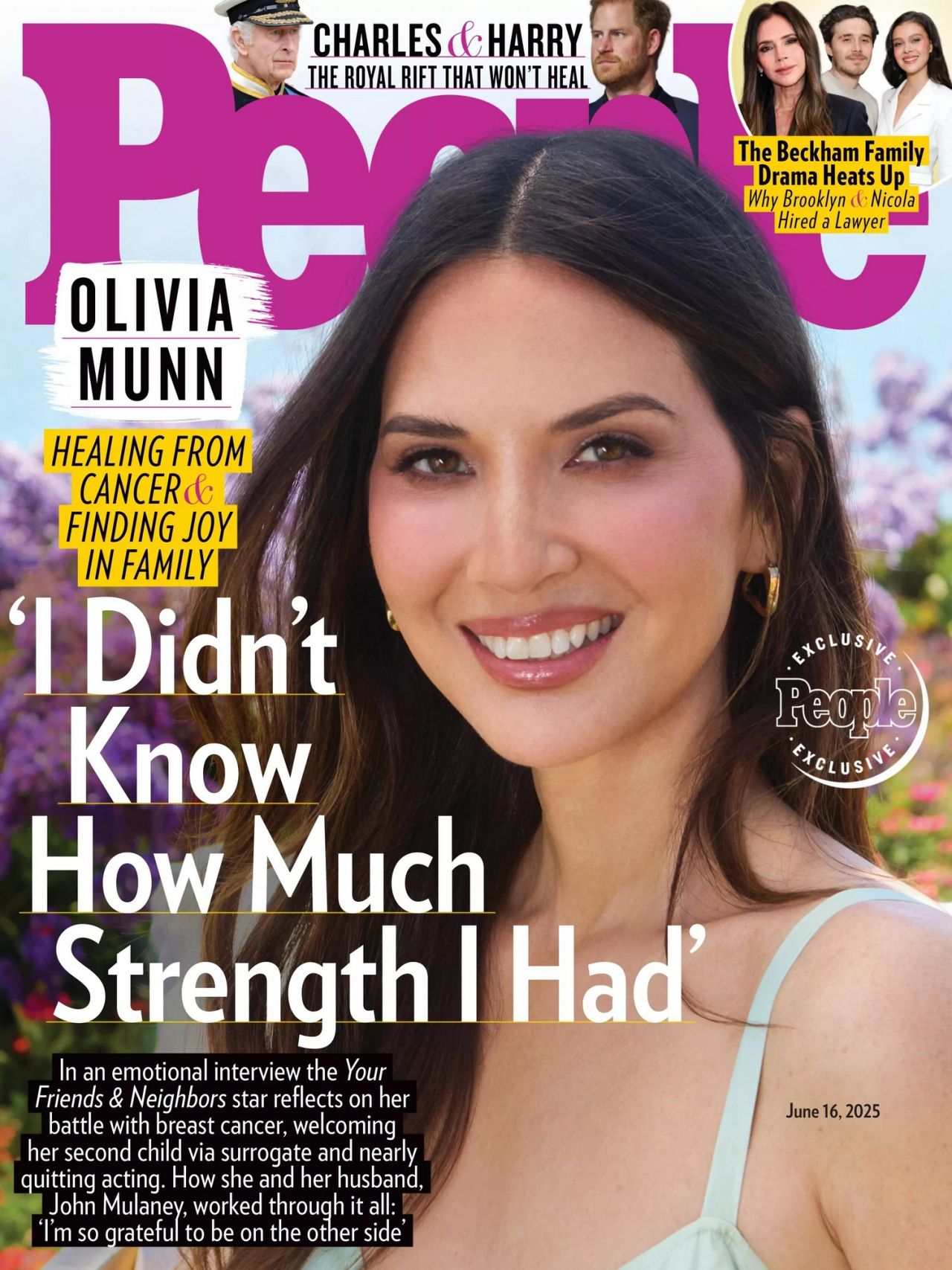
People magazine is a preeminent American weekly publication focused on celebrity news, human interest stories, and cultural profiles, published by Dotdash Meredith. Since its founding in 1974, it has combined photojournalism with narrative reporting to chronicle major entertainment figures, public icons, and everyday individuals who have performed extraordinary acts.
Origins, Evolution, and Publishing History
Founded by Time Inc. and launched on March 4, 1974, People magazine was conceived by publisher Andrew Heiskell and managing editor Richard B. Stolley as a publication dedicated entirely to human faces and personal stories. Stolley famously established the editorial premise that readers are endlessly fascinated by other people, driving the magazine's early focus on both high-profile celebrities and ordinary citizens caught in extraordinary circumstances.
Throughout the late 20th century, the publication expanded its footprint significantly, shifting from newsstand distribution to a multi-platform media powerhouse. In 2018, Meredith Corporation acquired Time Inc., bringing People under its corporate umbrella. Subsequently, Dotdash Meredith acquired Meredith Corporation in 2021, making the publication part of the largest digital and print publisher in North America. Despite transitions in corporate ownership and the broader media landscape's migration toward digital platforms, People has maintained a weekly print run alongside a high-traffic web portal that attracts tens of millions of unique monthly visitors.
Editorial Structure and Core Content Categories
The editorial architecture of People is divided into distinct sections that balance breaking entertainment journalism with long-form human interest reporting. This structured approach allows the publication to serve dual audiences: those seeking pop culture updates and those looking for inspirational or investigative journalism about everyday people.
- Celebrity News and Exclusive Features: Comprehensive coverage of film, television, music, and fashion figures, often featuring exclusive interviews, authorized photo shoots, and breaking updates on public figures.
- Human Interest and Hero Stories: Deep dives into everyday individuals who have survived tragedies, performed heroic rescues, or contributed significantly to their local communities.
- Style and Beauty: Regular segments focusing on celebrity fashion trends, red carpet analysis, beauty product recommendations, and accessible lifestyle tips for readers.
- Food and Home: Curated recipes, cooking guides, home organization tips, and interior design features often tied to celebrity lifestyles or seasonal trends.
- Entertainment Reviews: Critical assessments of upcoming movies, television series, books, and music albums, providing consumer guidance for cultural consumption.
Flagship Franchises and Annual Editions
Beyond its weekly print and digital output, People is widely recognized for several tentpole annual franchises that command immense public attention and drive significant retail and digital engagement. These special editions have become cultural touchstones in contemporary American media, frequently setting entertainment news cycles and trending across social media platforms.
The most prominent of these franchises is the annual "Sexiest Man Alive" issue, inaugurated in 1985 with Mel Gibson. This franchise generates substantial media coverage and public debate each November. Similarly, the "People of the Year" edition highlights individuals who have defined the cultural, political, or social landscape over the preceding twelve months. Other recurring specials include the "Beautiful Issue" (formerly "Most Beautiful"), "World's Most Amazing Persons," and localized or specialized style roundups. These special editions require months of logistical planning, security protocols, and embargoed announcements to maximize market impact upon release.
Comparison of Print, Digital, and Special Edition Formats
| Format Type | Publication Frequency | Core Distribution Method | Primary Audience Engagement |
|---|---|---|---|
| Weekly Print Edition | Weekly | Newsstands, subscriptions, home delivery | Traditional readers, collectors, waiting rooms |
| Digital Web Portal | Continuous / Real-time | Online browsers, mobile applications | Fast-moving news consumers, search traffic |
| Annual Special Issues | Periodic (e.g., Sexiest Man Alive) | Newsstands, premium digital packages | Cultural enthusiasts, gift buyers, collectors |
| Email Newsletters | Daily / Weekly | Direct email delivery | Loyal subscribers seeking curated summaries |
The Business Model, Circulation, and Readership Demographics
People operates on a hybrid revenue model combining print subscriptions, single-copy newsstand sales, programmatic digital advertising, and high-value native brand sponsorships. For decades, it ranked among the most profitable magazines in the United States, driven largely by high newsstand visibility in grocery store checkout lanes and a massive subscriber base. As media consumption habits shifted in the 21st century, Dotdash Meredith successfully transitioned the brand into a digital-first revenue structure while protecting the print edition's high-margin advertising base.
Demographically, the publication historically appeals predominantly to a female readership, though its diverse mix of investigative journalism, crime reporting, and entertainment news attracts a broad cross-section of adults. According to audited media data, the brand's combined print and digital reach routinely spans tens of millions of adults monthly, making it one of the most widely consumed media properties in North America. This scale allows the publication to command premium advertising rates for brands targeting mainstream consumer markets.
Criticism, Journalistic Integrity, and Cultural Influence
As a pioneer of modern celebrity journalism, People has frequently navigated the delicate boundary between public interest reporting and the intrusion of celebrity privacy. Critics over the decades have occasionally characterized its reporting style as promotional or overly deferential to public relations representatives, noting that exclusive access often requires editorial cooperation with celebrity management teams. Conversely, media analysts frequently praise the magazine for its ethical boundaries compared to the tabloid press, emphasizing that People generally avoids unverified gossip, hostile paparazzi harassment, and sensationalized fabrication.
Furthermore, the magazine's human interest division has received critical acclaim for giving national exposure to underreported social issues, medical breakthroughs, and inspiring community acts. By placing everyday citizens on the same publication tier as Hollywood actors and global political figures, the magazine established a populist narrative style that democratized celebrity culture and influenced the broader trajectory of modern lifestyle journalism.
Frequently Asked Questions About People Magazine
When was People magazine first published?
People magazine was first published on March 4, 1974, by Time Inc. Its founding editor was Richard B. Stolley, who established its core focus on human-centric storytelling and celebrity profiles.
Who owns People magazine currently?
People magazine is currently owned by Dotdash Meredith, which is the digital and print publishing subsidiary of IAC. Dotdash Meredith acquired the publication following its 2021 purchase of Meredith Corporation, which had previously acquired Time Inc. in 2018.
How often is People magazine published?
The standard print edition of People is published on a weekly basis. In addition to the weekly magazine, the organization releases several special thematic editions annually, including the Sexiest Man Alive and Beautiful issues.
Can readers submit their own stories to People magazine?
Yes, readers can submit human interest stories, local hero accounts, and remarkable personal experiences through designated submission portals on the official website. Editorial teams review these submissions for potential inclusion in the human interest section.
What is the circulation and reach of the magazine?
People maintains a combined print and digital reach of tens of millions of readers each month. It remains one of the largest and most widely distributed consumer media properties in North America.
Optimizing Your Engagement with Entertainment and Lifestyle Journalism
To maximize the value derived from People magazine and similar lifestyle publications, readers should utilize a multi-channel approach. Subscribe to specialized digital newsletters to receive breaking entertainment news and human interest features directly in your inbox, bypassing social media algorithms. For collectors and fans of physical media, maintaining subscriptions to special annual editions ensures access to comprehensive photographic archives and keepsake issues that are rarely replicated in full digital formats. Always verify breaking celebrity claims across multiple reputable journalistic sources before sharing news items on personal social networks to support accurate reporting standards.