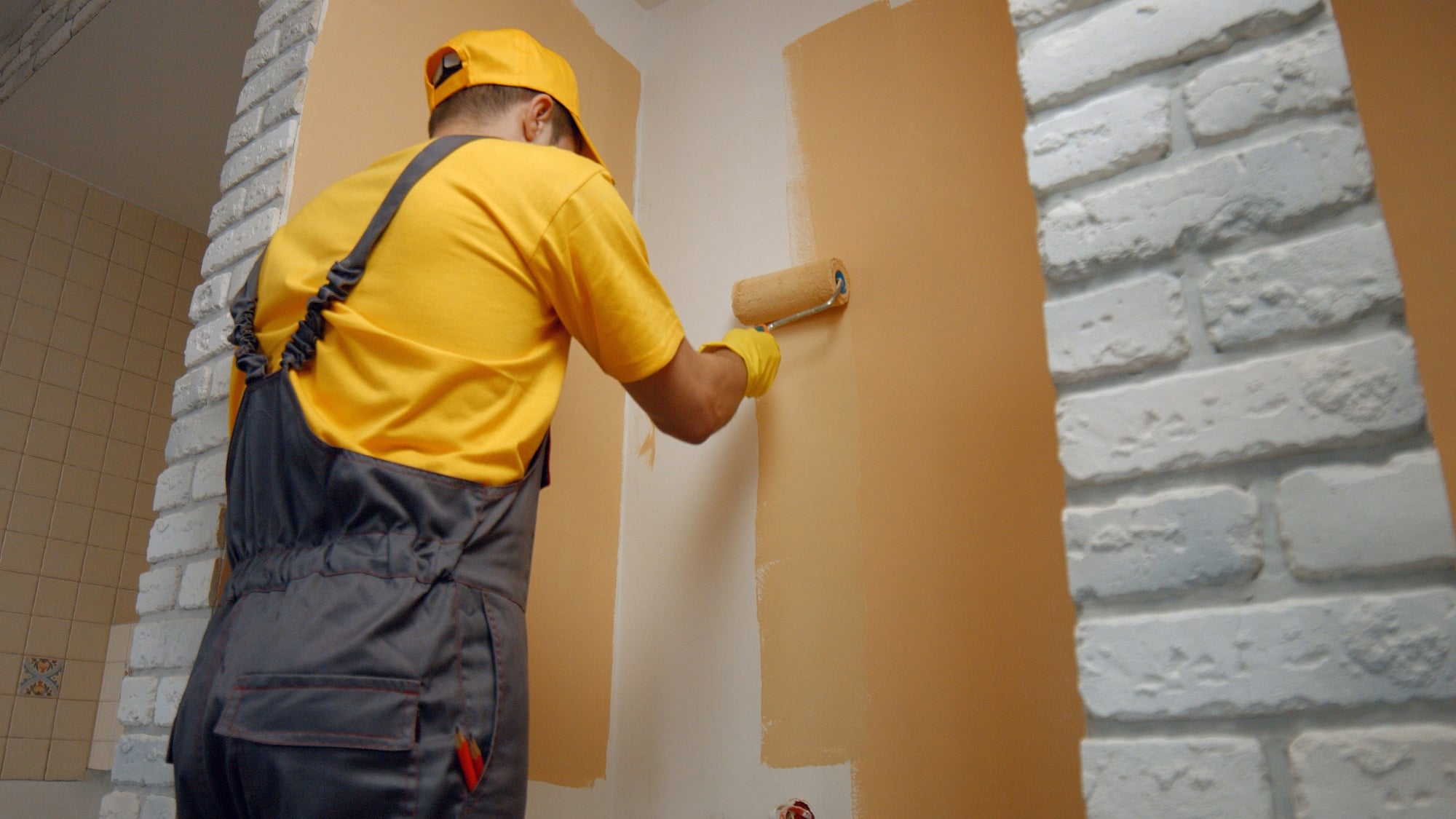
Professional painting contractors provide specialized surface preparation, coating application, and structural protection services for residential, commercial, and industrial properties. Hiring qualified professionals ensures compliance with safety standards, proper material selection, and warranty-backed execution that extends the lifespan of interior and exterior surfaces.
Understanding the Scope of Services Offered by Painting Contractors
Painting contractors execute complex surface finishing tasks that extend far beyond simply applying color to walls. Their work encompasses comprehensive asset preservation, aesthetic enhancement, and structural remediation across various building types. Residential painting projects typically focus on interior wall finishes, cabinetry, trim work, siding restoration, and deck staining, requiring meticulous masking and minimal disruption to living spaces. Commercial and industrial projects, by contrast, demand specialized knowledge of heavy-duty protective coatings, elastomeric waterproofing systems, structural steel priming, and strict adherence to commercial scheduling constraints.
The scope of work begins long before the first brushstroke. Professional contractors evaluate substrate conditions, identify moisture infiltration points, and determine the structural integrity of existing paint layers. They handle heavy machinery operation, such as scaffolding setup and boom lift deployment, and ensure compliance with environmental regulations regarding lead-based paint remediation and volatile organic compound (VOC) limits. Understanding these multifaceted capabilities helps property owners define precise project requirements and select firms with the appropriate technical specialization.
Evaluating Qualifications, Licensing, and Insurance
Verifying the credentials of painting contractors protects property owners from substandard craftsmanship, financial liability, and legal complications during a project. Licensing requirements vary significantly by jurisdiction, but reputable contractors generally maintain active state or local contractor licenses, which demonstrate basic competency and compliance with local building codes. Property owners should request license numbers and verify their active status through state licensing boards.
Insurance verification is equally critical. A professional painting business must carry two primary forms of insurance coverage: general liability insurance and workers' compensation insurance. General liability insurance protects the property owner against accidental property damage, such as a ladder falling through a window or overspray damaging a neighboring vehicle. Workers' compensation insurance covers medical expenses and lost wages if a painter sustains an injury while working on the property. Requesting a certificate of insurance directly from the contractor's insurance agency ensures the policies are active and provide adequate coverage limits.
Key Considerations in Contractor Evaluation
| Evaluation Criterion | Standard Requirement | Risk of Non-Compliance |
|---|---|---|
| Licensing | Active state or local contractor registration | Code violations, lack of legal recourse |
| General Liability Insurance | Minimum $1,000,000 policy limit | Financial liability for property damage |
| Workers' Compensation | Mandatory coverage for all employees | Lawsuits for workplace injuries on-site |
| Written Warranty | 1 to 5 years covering labor and materials | Out-of-pocket costs for premature peeling or failure |
| Detailed Estimate | Room-by-room breakdown of prep and paint | Scope creep and unexpected change orders |
The Step-by-Step Hiring and Contracting Process
Securing a reliable painting contractor requires a structured procurement process designed to mitigate risk and establish clear expectations. Property owners should initiate the process by gathering multiple bids, ideally three detailed quotes, to compare pricing structures, material specifications, and projected timelines.
- Define Project Scope: Document all surfaces to be painted, specific color selections, sheen levels, and any special repair work needed before painting begins.
- Conduct Initial Interviews: Discuss project timelines, crew sizes, daily work hours, and supervisory arrangements with prospective contractors.
- Review Detailed Bids: Ensure quotes itemize labor, material costs, surface preparation steps, and the number of coats to be applied.
- Check References and Portfolio: Contact past clients and inspect completed projects to evaluate long-term durability and quality of finish.
- Execute a Formal Contract: Sign a legally binding agreement detailing payment schedules, start and completion dates, product brands, and warranty terms.
Surface Preparation and Technical Execution Standards
The longevity and aesthetic quality of any paint job depend almost entirely on meticulous surface preparation. Professional painting contractors follow rigorous preparatory protocols tailored to the specific substrate, whether it is drywall, wood, stucco, brick, or metal. Skipping these steps leads to premature blistering, peeling, and adhesion failure.
Surface preparation begins with cleaning to remove dirt, grease, mildew, and chalking residue using pressure washing, chemical cleaning agents, or hand-scrubbing. Contractors then scrape loose or flaking paint, feather edges by sanding, and patch holes, cracks, and dents with appropriate spackle, caulk, or joint compound. Priming is applied to seal porous surfaces, block stains, and ensure uniform adhesion for topcoats. Selecting the correct paint formulation—such as acrylic latex for exterior wood, moisture-resistant alkyds for trim, or epoxy coatings for concrete floors—requires deep technical understanding of chemical compatibility and environmental exposure factors.
Cost Factors and Financial Management
Understanding how painting contractors price their services helps property owners budget accurately and evaluate bids objectively. Contractors typically calculate project costs using a combination of square footage, labor hours, material expenses, and project complexity. High ceilings, intricate architectural moldings, extensive drywall repairs, and multi-story exterior work significantly increase labor time and overall expense.
Payment terms should be structured to protect both parties. Standard industry practice involves a modest upfront deposit to secure materials and scheduling, with intermediate progress payments tied to specific project milestones and a final payment withheld until a thorough walkthrough confirms complete satisfaction. Property owners should avoid contractors demanding full payment upfront, as this indicates potential financial instability or unscrupulous business practices.
Common Pitfalls to Avoid When Hiring
Navigating the contractor selection process involves recognizing common red flags that signal potential project failure. Relying solely on the lowest bid often results in compromised material quality, rushed surface preparation, and hidden change orders that ultimately inflate the final cost.
Another frequent mistake is failing to secure a comprehensive written contract. Verbal agreements regarding touch-ups, timeline extensions, or specific paint brands leave property owners with little recourse if disputes arise. Additionally, neglecting to clarify who is responsible for moving heavy furniture, landscaping protection, and post-project debris disposal can create friction and unexpected labor charges during project execution.
Frequently Asked Questions About Hiring Painting Contractors
What is the typical cost range for hiring professional painting contractors?
Professional painting costs vary widely based on geographic location, surface condition, and project scale. Interior painting typically ranges from $2 to $6 per square foot, while exterior painting ranges from $1.50 to $4.50 per square foot. Specialized coatings, extensive wood rot repair, and historic restoration work command higher rates.
How do I verify if a painting contractor is properly insured?
Ask the contractor to have their insurance broker send a Certificate of Insurance (COI) directly to your email. Verify that the policy includes both general liability and workers' compensation coverage, and check that the expiration dates extend beyond your projected project completion window.
Should I supply the paint or should the contractor purchase it?
Contractors generally prefer to supply the paint because they receive contractor discounts from suppliers and can ensure compatibility between primers, undercoats, and topcoats. Furthermore, contractors who supply the material typically include product warranties that would be voided if a homeowner supplied incorrect paint.
How long should a professional paint job last?
A high-quality exterior paint job executed by professional contractors typically lasts between 7 and 10 years, depending on climate exposure, siding material, and paint quality. Interior paint jobs generally last 5 to 10 years, depending on room usage, wear patterns, and surface traffic.
What should be included in a standard painting contract?
A comprehensive painting contract must include the contractor's license and insurance details, a room-by-room scope of work, specific paint brands and sheen levels, preparation procedures, start and completion dates, total cost, payment schedule, and a written warranty covering labor and materials.