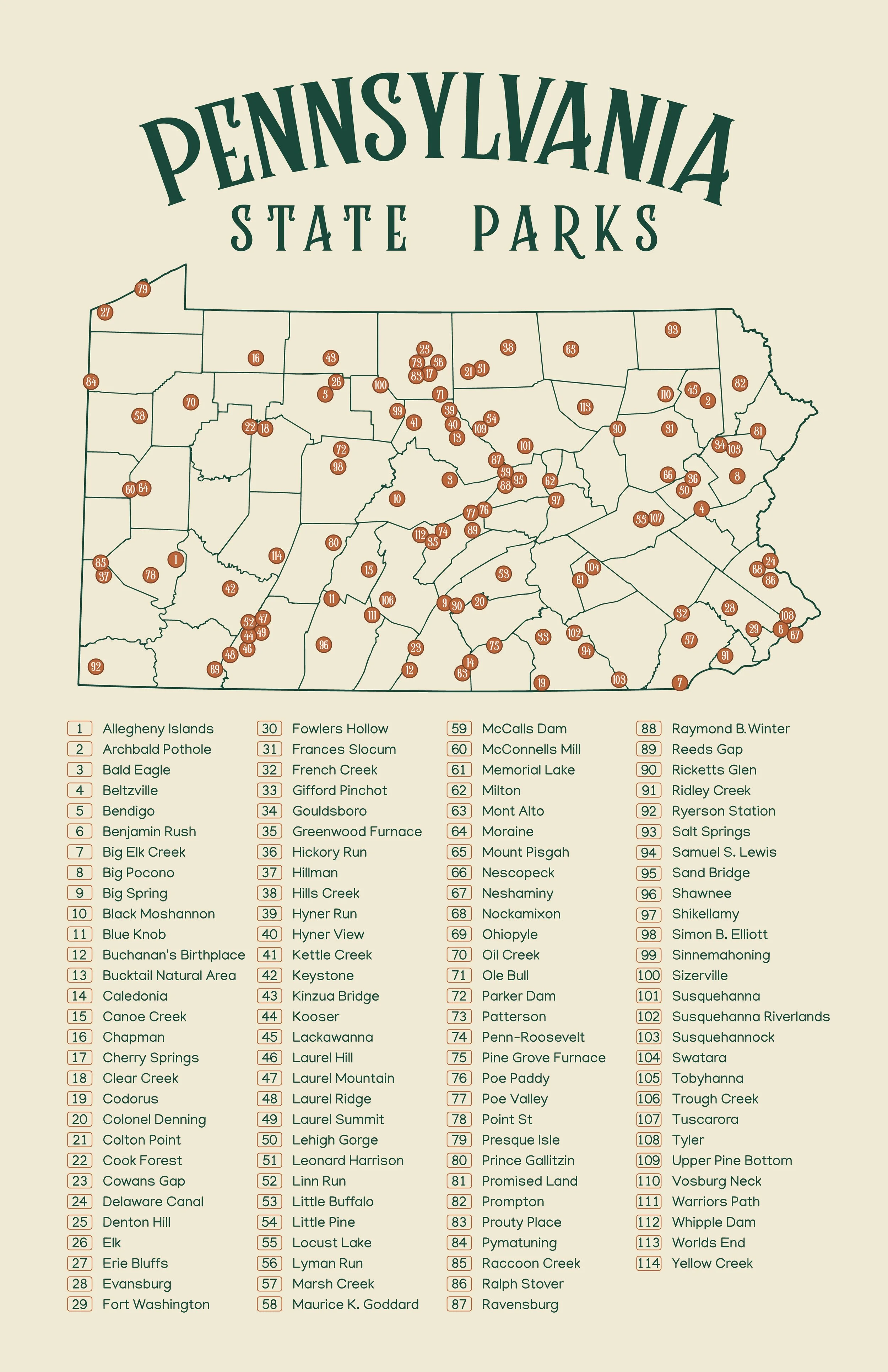
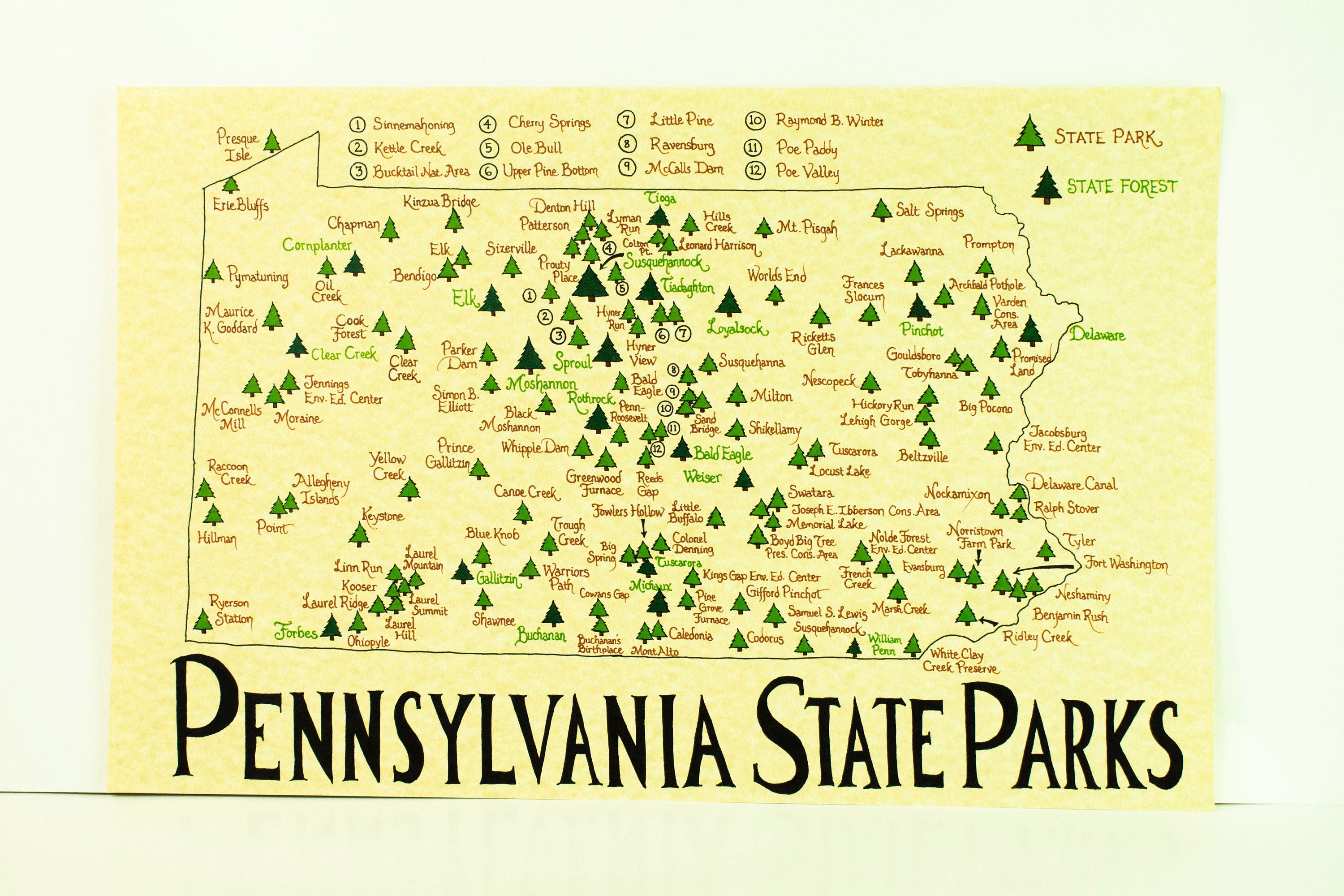
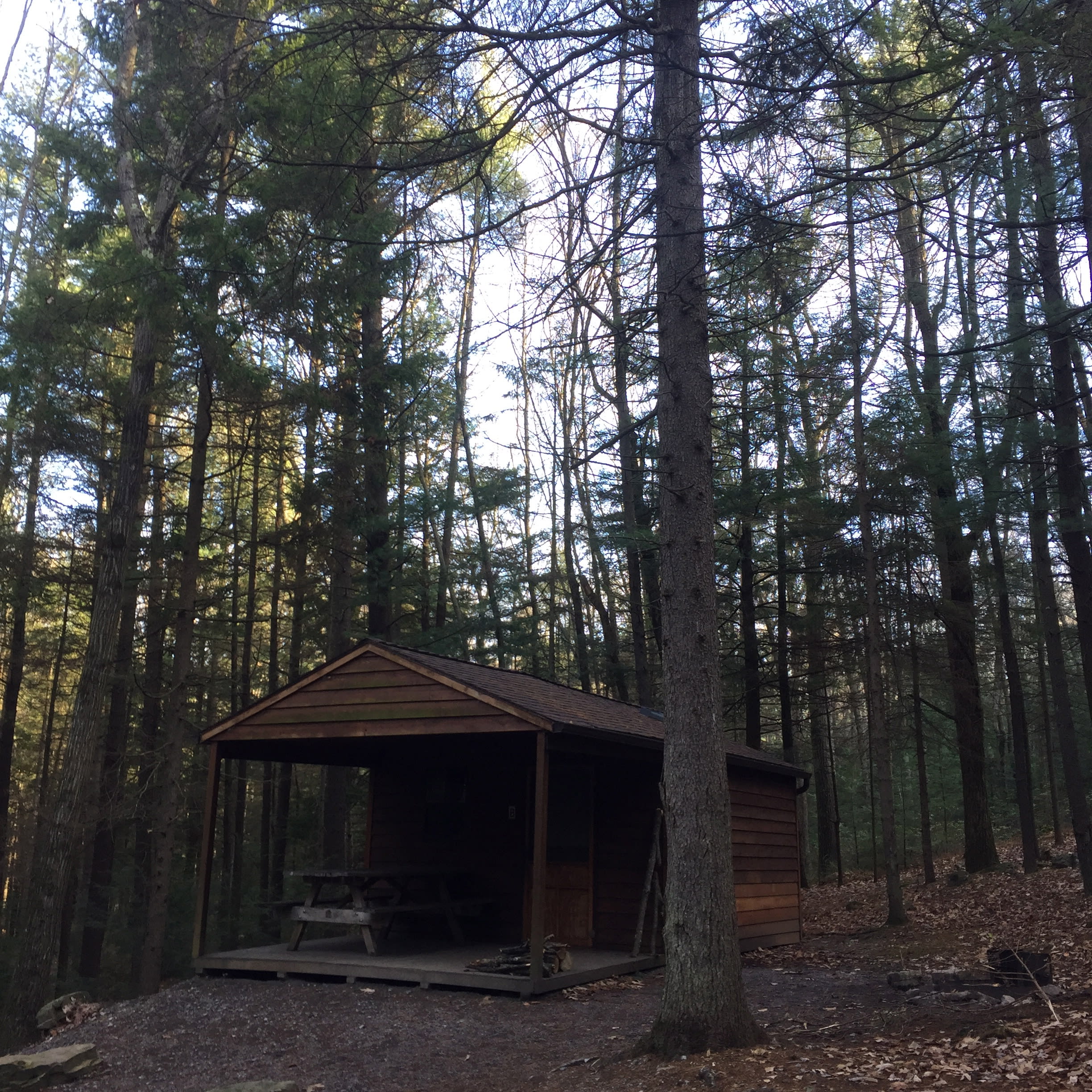
Pennsylvania’s Department of Conservation and Natural Resources (DCNR) manages one of the premier outdoor recreation networks in the United States, offering over 120 state parks with camping opportunities. Planning an outdoor excursion in the commonwealth requires understanding the unique booking windows, facility tiers, and regional ecosystems that span from the rugged Laurel Highlands to the serene shores of Lake Erie and the dense wilderness of the Pennsylvania Wilds. Navigating the DCNR reservation system effectively ensures secure access to sites ranging from rustic tent pitches to modern yurts and RV hookup locations.
Modernizing Your 2026 Pennsylvania Camping Itinerary
The 2026 recreation season introduces streamlined booking policies and expanded accessibility features across the Pennsylvania state park system. Campers utilizing the central reservation platform must note the rolling 11-month booking window, which allows reservations to be made precisely up to 11 months in advance of the arrival date. This framework requires strategic planning for peak summer weekends, holiday periods like Memorial Day and Labor Day, and the highly competitive autumn foliage peak in October.
Key Operational Enhancements for 2026
- Extended Electric Service: Over 40 additional loops have been retrofitted with 30-amp and 50-amp electrical hookups to support larger modern RV classes.
- Smart Access Gates: Automated license plate recognition is being rolled out at major campgrounds like Gifford Pinchot and Prince Gallitzin for seamless night arrivals.
- Dynamic Preservation Fees: Peak-season pricing models remain active, prioritizing weekend rates while offering discounted mid-week stays Sunday through Thursday.
- Sustainability Compliance: Firewood quarantine zones remain strictly enforced across all 67 counties to prevent the spread of invasive species such as the emerald ash borer and spotted lanternfly.
Regional Diversity Across Pennsylvania State Parks
Pennsylvania’s topography varies drastically, dividing the commonwealth into distinct outdoor zones. Selecting the right campground depends heavily on the desired environment, whether that involves deep-woods isolation or lakefront water sports.
The Pennsylvania Wilds and Elk Country
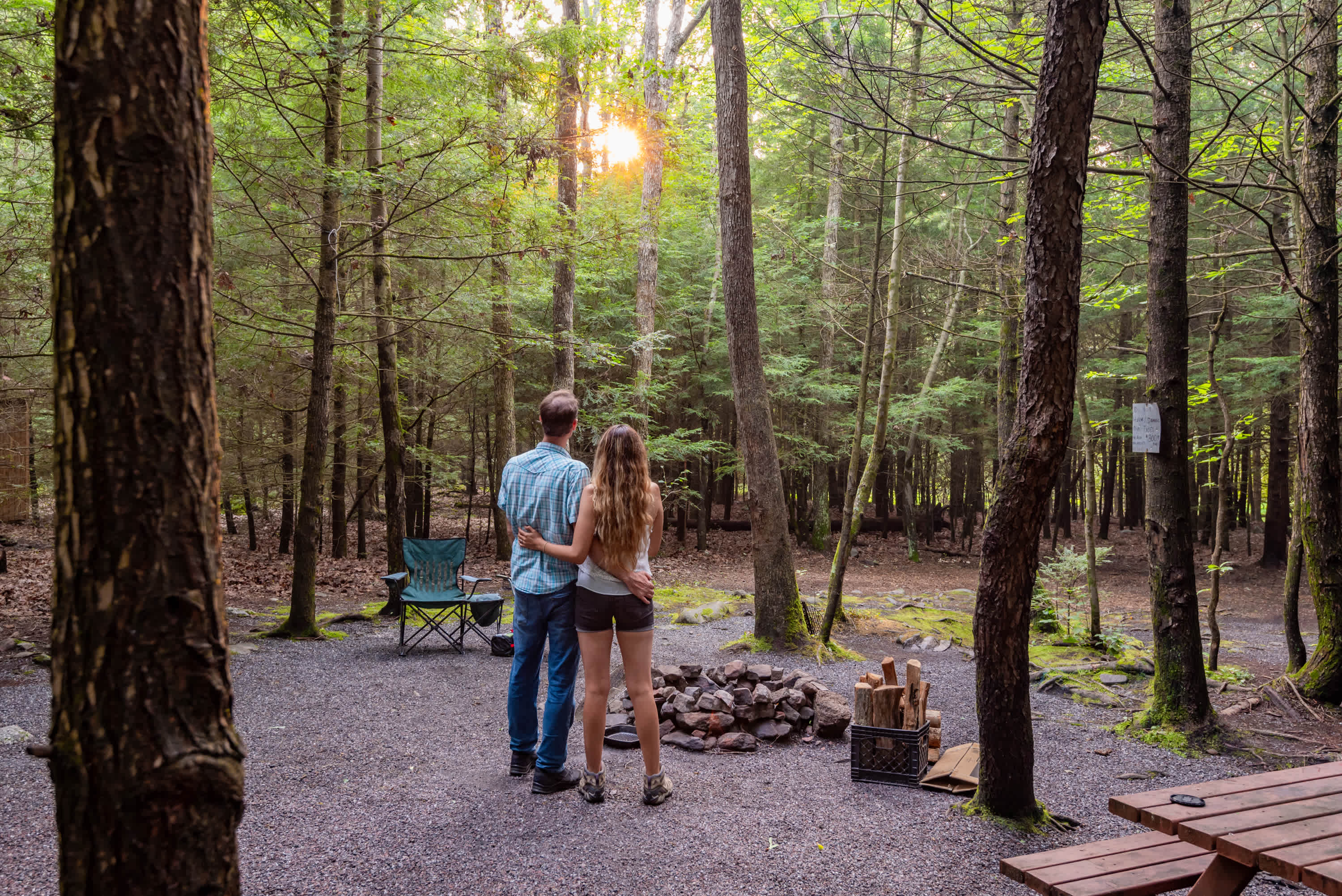
Encompassing over two million acres of public land in north-central Pennsylvania, this region offers the darkest skies on the East Coast and thriving populations of wild elk. Parks like Elk State Park and Sinnemahoning provide exceptional wildlife viewing, pristine trout streams, and primitive or semi-primitive camping experiences designed for self-contained units and backpackers.
The Pocono Mountains and Endless Mountains
Characterized by glacial lakes, dramatic waterfalls, and rocky gorges, northeastern Pennsylvania features iconic destinations such as Promised Land State Park and Ricketts Glen State Park. These campgrounds cater heavily to family camping, offering dense networks of hiking trails, swimming beaches, and extensive boat rental facilities.
Laurel Highlands and Ridge and Valley Province
Situated in the southwest, the Laurel Highlands feature rugged mountainous terrain, swift-running rivers, and rich industrial heritage sites. Ohiopyle State Park acts as the whitewater capital of the commonwealth, while surrounding state parks provide shaded wooded campsites ideal for tent and pop-up trailer enthusiasts.
Campground Facility Tiers and Equipment Classifications
Understanding the exact specifications of Pennsylvania state campground sites prevents logistical issues upon arrival. DCNR categorizes sites based on hookups, structure types, and vehicle size limitations.
| Facility Classification | Typical Amenities | Equipment Accommodations | Best Suited For |
|---|---|---|---|
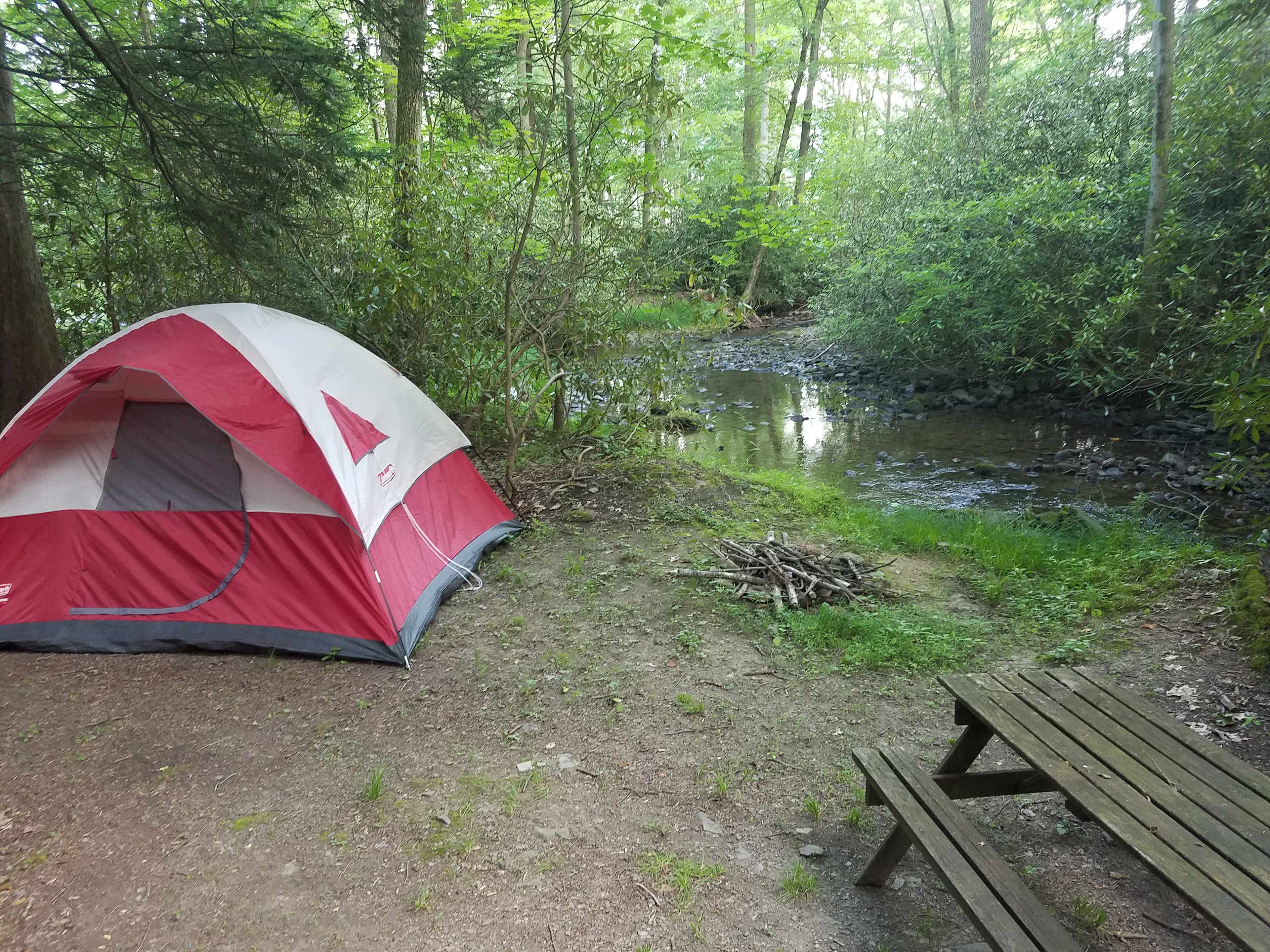
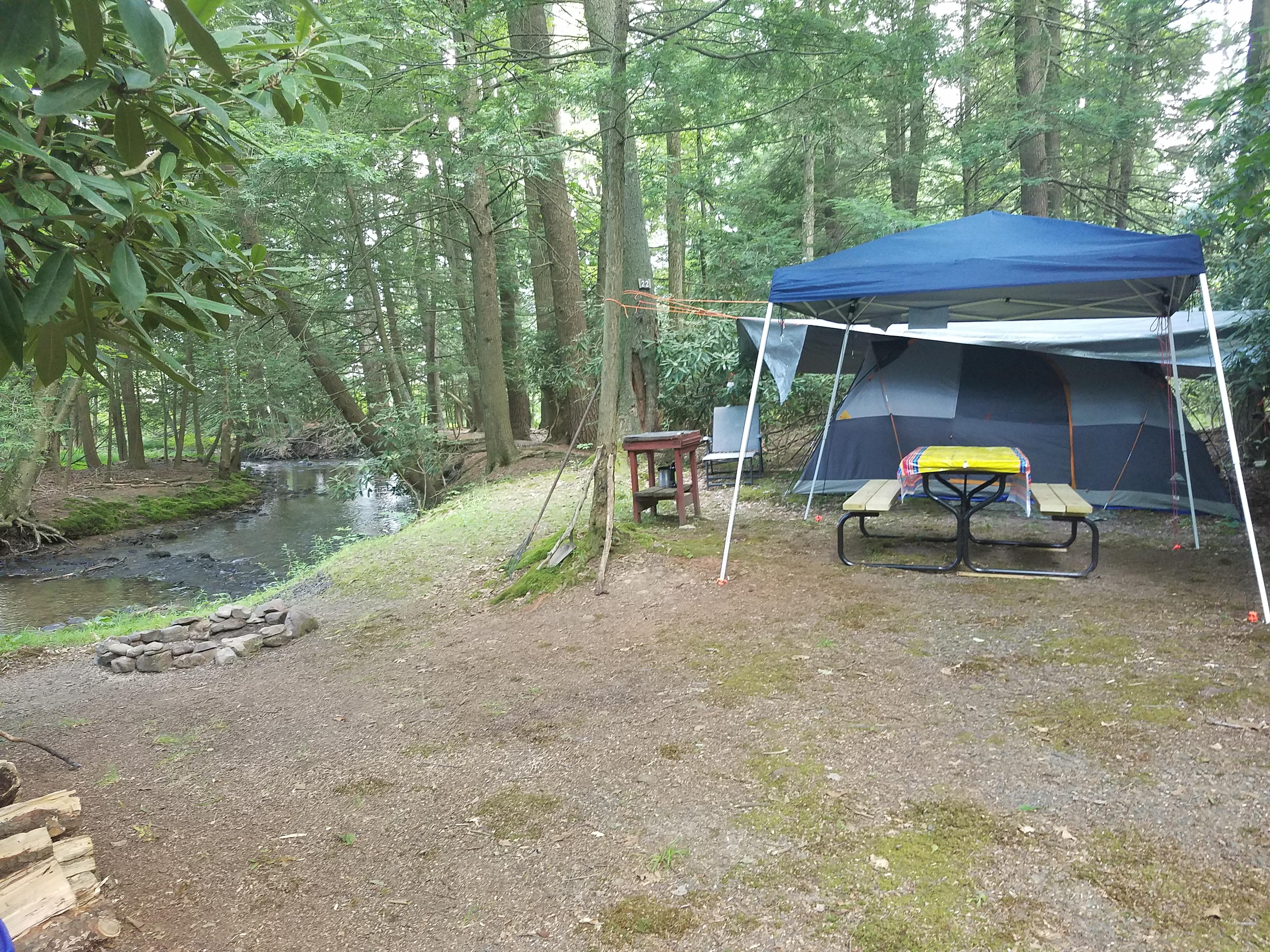
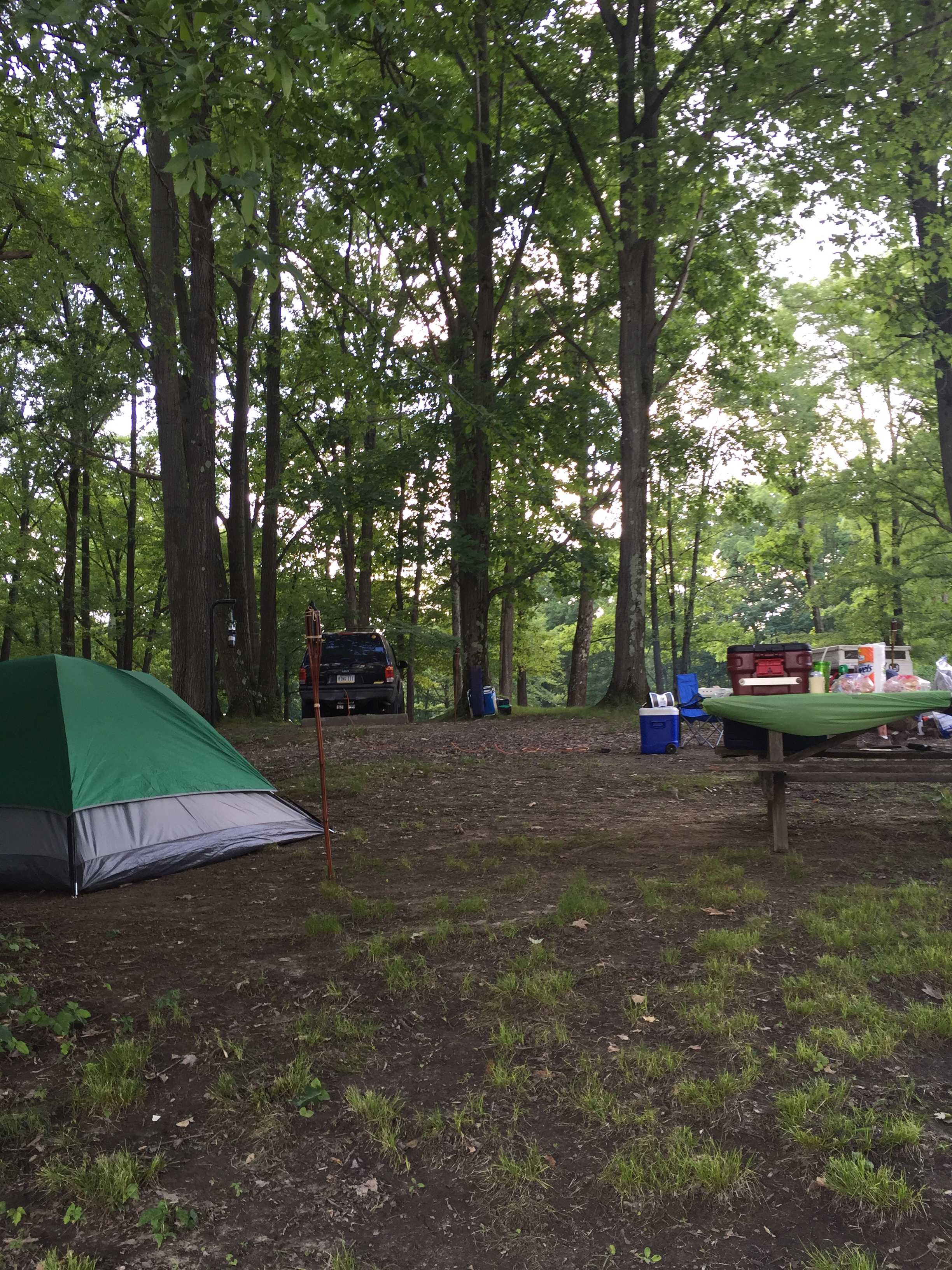
| Rustic Sites | Fire ring, picnic table, gravel pad | Tents, pop-up campers, small vans | Traditional tent campers seeking privacy and minimal light pollution. |
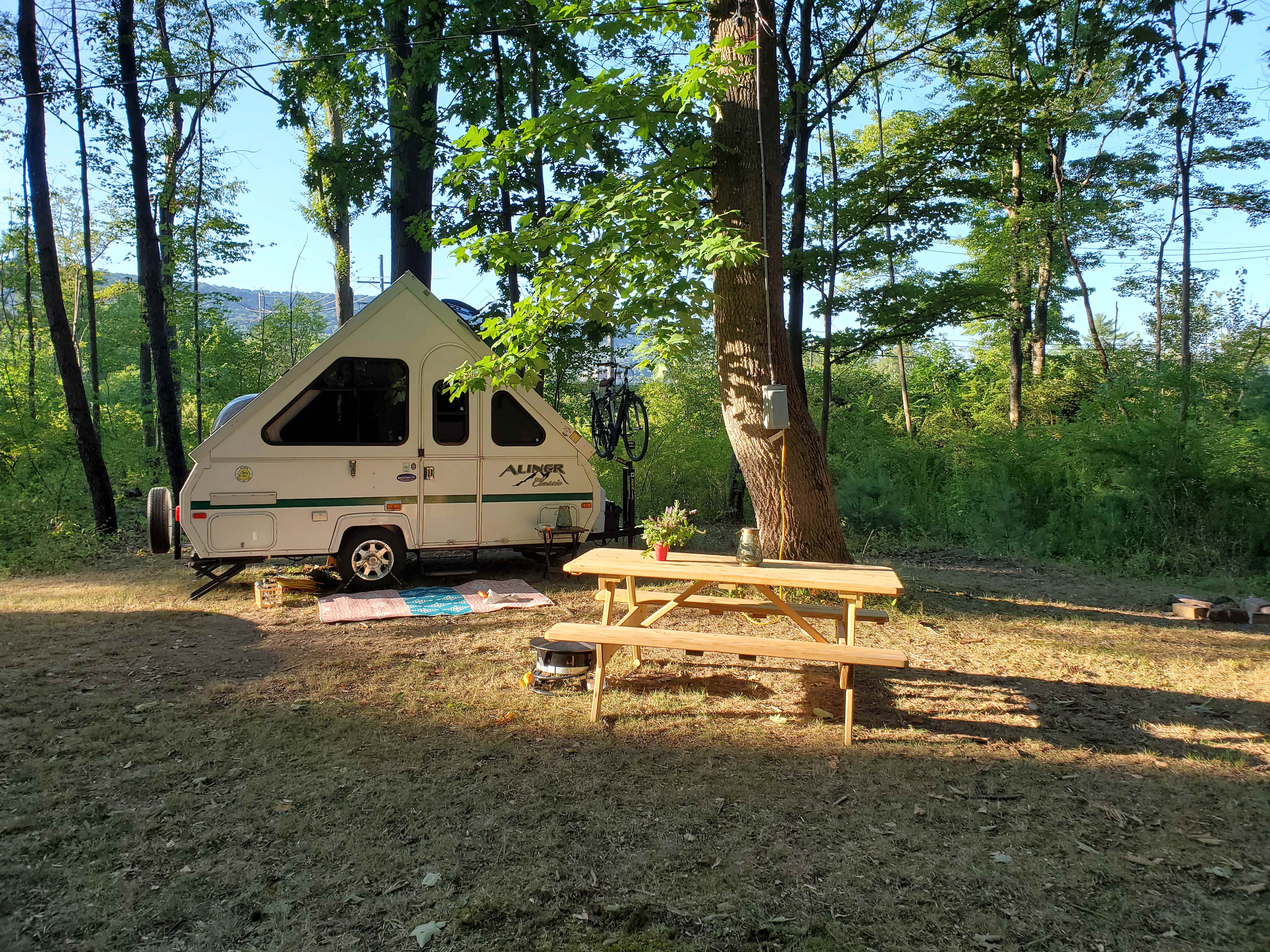
| Electric-Only Sites | 20/30/50 amp electrical service, water hydrants nearby | RVs, trailers, large tents | Medium-to-large RVs and campers requiring climate control or device charging. |
| Full Hookup Sites | Water, electric, and direct sewer connections | Class A motorhomes, fifth wheels | Extended-stay RV travelers demanding total utility integration. |
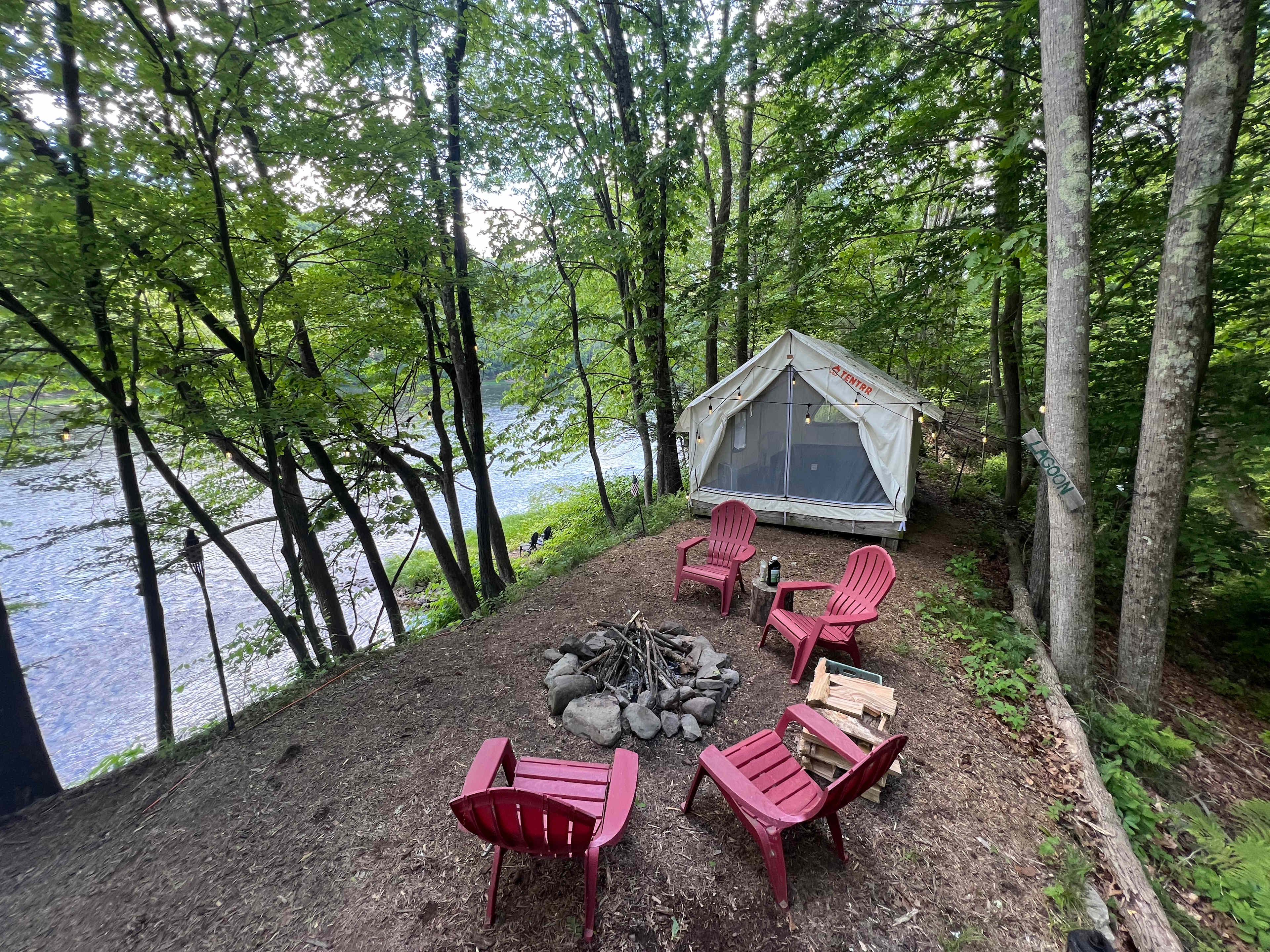
| Modern Cabins & Yurts | Bunk beds, electricity, heating, lockable doors | Soft-sided gear, sleeping bags, linens | Non-traditional campers who want shelter without pitching a tent. |
Step-by-Step Guide to Securing Your Reservation
Securing a premium site during peak demand requires adherence to a strict booking methodology. Follow this procedural workflow to maximize reservation success.
- Create and Verify Your Account: Log into the official ReserveAmerica-powered Pennsylvania state parks reservation portal well in advance. Ensure your billing information, vehicle license plate numbers, and mailing address are verified to prevent transaction timeouts during high-demand drops.
- Target the 11-Month Window: On the exact morning your desired arrival date opens (typically at 7:00 AM Eastern Time), have the specific park and loop loaded in your browser.
- Utilize Interactive Map Views: Do not rely on text-based site selection. Use the visual campground maps to assess shade cover, proximity to bathhouses, slope gradient for leveling, and distance from neighboring sites.
- Understand Cancellation and Modification Penalties: Review the sliding-scale fee structure for cancellations. Modifying dates rather than canceling outright often incurs lower administrative fees if plans shift unexpectedly.
Comparative Analysis: State Parks vs. Private RV Resorts
Choosing where to camp involves weighing the rustic authenticity of public lands against the commercial amenities of private campgrounds.
| Feature / Metric | Pennsylvania State Parks | Private RV Resorts & Campgrounds |
|---|---|---|
| Natural Environment | Immersive, protected wilderness, mature forests, pristine lakes. | Often cleared land, higher density, manicured landscaping. |
| Commercial Amenities | Restrooms, hot showers, dump stations, camp stores. | Wi-Fi networks, swimming pools, game rooms, planned activities. |
| Pricing Structure | Affordable, heavily regulated flat-to-dynamic state fees. | Premium pricing with variable surcharges for amenities. |
| Pet Policies | Generally pet-friendly on designated loops; strict leash laws. | Highly variable; often feature fenced dog parks or pet fees. |
| Quiet Hours | Strictly enforced (typically 10:00 PM to 7:00 AM). | Varies widely by park management and resort type. |
Expert Ranger Insight on Site Selection Prioritize Slope and Shade: When viewing reservation maps, pay close attention to topographical contour lines. Many mountain campgrounds feature sloped pads that require heavy-duty leveling blocks. Furthermore, select loops on the eastern side of ridges if you prefer morning shade and cooler afternoon temperatures during July and August.
Frequently Asked Questions
How far in advance can I book a Pennsylvania state campground site?
Reservations can be made up to 11 months in advance of your arrival date through the official online booking portal. This rolling window ensures equitable access for all residents and visitors planning seasonal vacations.
Are alcoholic beverages permitted in Pennsylvania state campgrounds?
Alcohol consumption is strictly prohibited in most Pennsylvania state parks, though certain designated modern cabins and specific park areas may permit it under specific DCNR guidelines. Campers should verify individual park rules prior to arrival.
What is the maximum stay limit at a state park campground?
Campers are generally permitted to stay for a maximum of 14 consecutive nights within any 30-day period at a single park. This rule ensures fair sharing of popular natural resources during high-demand summer months.
Are pets allowed at all PA state park campsites?
Pets are welcome at the majority of state park campgrounds, provided they are kept on a physical leash not exceeding six feet at all times. Specific designated loops are pet-free for allergy-sensitive visitors, so check site designations before booking.
What should I do if my reserved site cannot accommodate my RV length?
DCNR enforces strict maximum equipment length limits based on pad dimensions. If your vehicle exceeds the listed pad length, you must modify your reservation to a larger site immediately to avoid being turned away by park rangers upon check-in.
Can I gather firewood locally at the campground?
Transporting firewood from outside the quarantine zone is illegal, and gathering deadfall from the forest floor is prohibited to protect fragile park ecosystems. Campers must purchase certified heat-treated firewood from the camp store or local approved vendors within the park boundaries.
Plan Your Pennsylvania Outdoor Adventure Today
Experience the natural beauty, historical significance, and recreational diversity of the commonwealth by booking your next getaway at a Pennsylvania state park. Visit the official DCNR reservation portal today to check real-time availability, review interactive campground maps, and lock in your ideal campsite for the 2026 season.