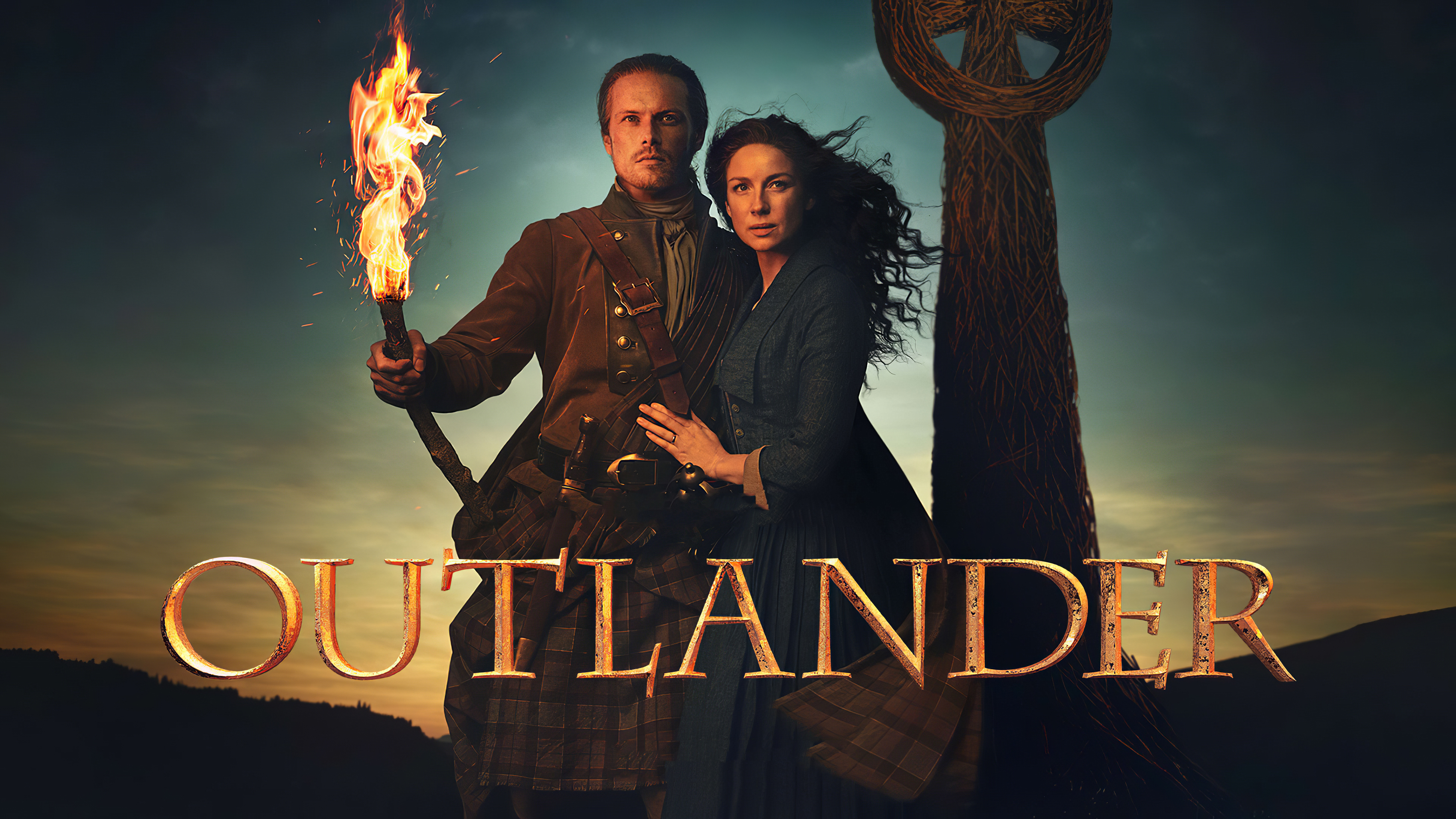
Outlander Season 6 adapts Diana Gabaldon's sixth novel in the Fraser's Ridge series, A Breath of Snow and Ashes, condensing a massive historical narrative into eight focused television episodes that air against the backdrop of mounting political unrest in pre-Revolutionary America. Shortened significantly due to global health protocols and lead actress Caitríona Balfe's pregnancy, this shortened installment compensates for its reduced episode count by intensifying domestic friction, external threats, and psychological trauma among the inhabitants of Fraser's Ridge.
Narrative Adaptation and Source Material Challenges
Adapting A Breath of Snow and Ashes presented the showrunners and writers with a substantial structural challenge. The source novel is one of the longest books in the literary franchise, encompassing complex multi-year timelines, detailed homesteading procedures, intricate medical anomalies, and expansive political machinations. To translate this dense material into an eight-episode television format, the creative team focused on a compressed timeframe spanning roughly from late 1773 to the spring of 1775.
This compression required streamlining several subplots while maintaining the core emotional and historical stakes. The primary narrative engine revolves around the impending American Revolution casting a long shadow over the Carolina backcountry. Jamie Fraser faces an insoluble dilemma: as a reluctant recipient of a British land grant, his loyalties are formally tied to the Crown, yet his intimate knowledge of future history dictates that the British cause is doomed. He attempts to navigate this treacherous political landscape by balancing his duties as an Indian Agent for the Crown with secret preparations to protect his family and community when the inevitable conflict erupts.
Simultaneously, the arrival of the Christie family introduces an ideological counterweight that fractures the fragile social harmony of Fraser's Ridge. Headed by Tom Christie—a former Ardsmuir prison acquaintance of Jamie—the newcomers bring rigid Protestant morality, simmering resentments, and unresolved past conflicts. This domestic friction serves as a pressure cooker, testing the bonds between Jamie, Claire, and their extended household just as external forces begin to close in around them.
Character Arcs and Psychological Depth
The thematic core of Outlander Season 6 explores trauma, recovery, and the fragility of sanctuary. Claire Fraser, who endured brutal physical and psychological assault at the conclusion of the previous season, grapples with severe post-traumatic stress disorder. Her coping mechanism—an early form of self-prescribed ether addiction—illustrates the profound psychological toll of violence on a healer accustomed to being the pillar of strength for everyone else. Caitríona Balfe's performance anchors these harrowing sequences, grounding the fantastical premise of time travel in raw, visceral human vulnerability.
Meanwhile, Brianna and Roger MacKenzie navigate their own evolving identities within the 18th-century setting. Roger's vocational journey takes a definitive turn as he explores a calling toward the ministry, finding a renewed sense of purpose and community leadership. Brianna utilizes her 20th-century engineering knowledge to introduce practical innovations to the Ridge, bridging the gap between historical limitation and modern ingenuity. Their relationship is tested not by external time-space anomalies, but by the quiet, daily labor of building a family and finding their permanent footing in a century that is not their own.
Young Ian Fraser Murray continues his poignant journey of self-acceptance and cultural integration. His deep bonds with the local Mohawk tribe provide a lens through which the series examines cultural displacement, grief, and dual identity. The revelation of his past choices regarding his first wife adds layers of emotional gravity to his character, making him one of the most compelling figures in the ensemble.
Production Constraints and Format Adjustments
The production of Outlander Season 6 was uniquely shaped by external logistical challenges that fundamentally altered its release structure. Initially planned as a standard 12-episode season, production delays stemming from safety protocols during the pandemic forced the network to truncate the episode order to eight. To mitigate fan disappointment, the premiere episode was expanded into a feature-length 90-minute special, establishing the dense narrative momentum required to service multiple complex storylines simultaneously.
| Episode | Title (Key Focus) | Primary Narrative Arc | Historical Context |
|---|---|---|---|
| 1 | "Echoes" | Arrival of the Christies; Claire's secret struggle | Pre-revolutionary tensions rising in North Carolina |
| 2 | "Allegiance" | Jamie's dilemma as Indian Agent; Roger's sermon | Crown alliances vs. brewing local rebellion |
| 3 | "Temperance" | Malva Christie's fascination with Claire; Fergus's despair | Backcountry alcoholism and community judgment |
| 4 | "Hour of the Wolf" | Young Ian's Mohawk past; treaty negotiations | Native American tribal diplomacy |
| 5 | "Stacked Deck" | Outbreak of dysentery; political accusations | Medical crises on the Ridge |
| 6 | "The World Turned Upside Down" | Escalation of the Malva Christie crisis; tragedy strikes | Epidemics and localized persecution |
| 7 | "Sticks and Stones" | Fallout from tragedy; community hostility | Witchcraft accusations and mob mentality |
| 8 | "I Am Not Alone" | Arrest of Claire and Jamie; Committee of Safety | Imminent outbreak of the American Revolution |
This tight structure left little room for narrative filler, resulting in a relentless pace where every scene directly impacts character survival or political alignment. The shorter run also necessitated shifting the cliffhanger conclusion into what would organically become the opening episodes of the subsequent seventh season, restructuring the overarching adaptation rhythm.
Historical Realism and Technical Production Design
The aesthetic and material world of Fraser's Ridge in Season 6 reflects an ongoing commitment to historical authenticity and physical set construction. Unlike purely digital backlot productions, the series utilizes extensive outdoor sets built in Scotland to replicate the rugged, densely forested terrain of 18th-century North Carolina. The costume design department faced unique challenges reflecting the passage of time: garments show visible wear, mending, and adaptation to the harsh frontier climate, visually reinforcing the characters' grounding in a demanding physical reality.
Medical historical accuracy remains a hallmark of Claire's storyline. Her attempts to manufacture ether using rudimentary 18th-century chemistry equipment—involving sulfuric acid and ethanol—demonstrate the dangerous trial-and-error nature of early modern scientific experimentation. The narrative does not romanticize her medical practice; instead, it highlights the constant threat of infection, the limitations of contemporary pharmacology, and the terrifying intersection of medical innovation with superstitious local populations who view scientific inquiry with deep suspicion.
Frequently Asked Questions
Why is Outlander Season 6 shorter than previous seasons?
Production was significantly delayed and constrained by health and safety protocols implemented during the global pandemic. To ensure the safety of the cast and crew while maintaining high production values, the episode count was reduced from the traditional 12 to 16 episodes down to eight, with the premiere expanded to a 90-minute special.
Which book does Outlander Season 6 adapt?
The season primarily adapts A Breath of Snow and Ashes, the sixth installment in Diana Gabaldon's bestselling book series. Due to the reduced episode count, the season covers the first portion of the novel's expansive narrative timeline, leaving remaining plotlines to be resolved in subsequent television seasons.
How does Claire cope with her trauma in this season?
Claire experiences severe post-traumatic stress disorder following the violent assault she suffered at the end of Season 5. To numb her psychological flashbacks and insomnia, she secretly synthesizes and uses ether, battling an addiction that impairs her medical judgment and strains her relationship with Jamie.
Who are the Christies and why do they cause conflict?
The Christies are a family of Scottish settlers led by Tom Christie, an old acquaintance of Jamie from their time imprisoned at Ardsmuir. Their arrival introduces rigid religious orthodoxy, deep-seated personal grudges, and ideological friction that destabilizes the fragile social ecosystem of Fraser's Ridge.
Where can viewers watch Outlander Season 6?
The season is available for streaming on STARZ platforms, as well as via digital purchase on major video-on-demand services depending on regional broadcast licensing agreements and streaming availability.
Strategic Viewing and Engagement Next Steps
To fully appreciate the narrative nuances of Outlander Season 6, viewers should review the concluding episodes of Season 5 to understand the specific psychological and political baseline established for the Fraser family. Fans interested in deeper contextual background may explore Diana Gabaldon's A Breath of Snow and Ashes to examine the original literary framing, noting where the television adaptation makes strategic compression choices to maintain cinematic momentum. Following the completion of the eighth episode, transition directly into the seventh season to resolve the cliffhanger arrest plotline and witness the direct outbreak of the American Revolutionary War across the colonies.