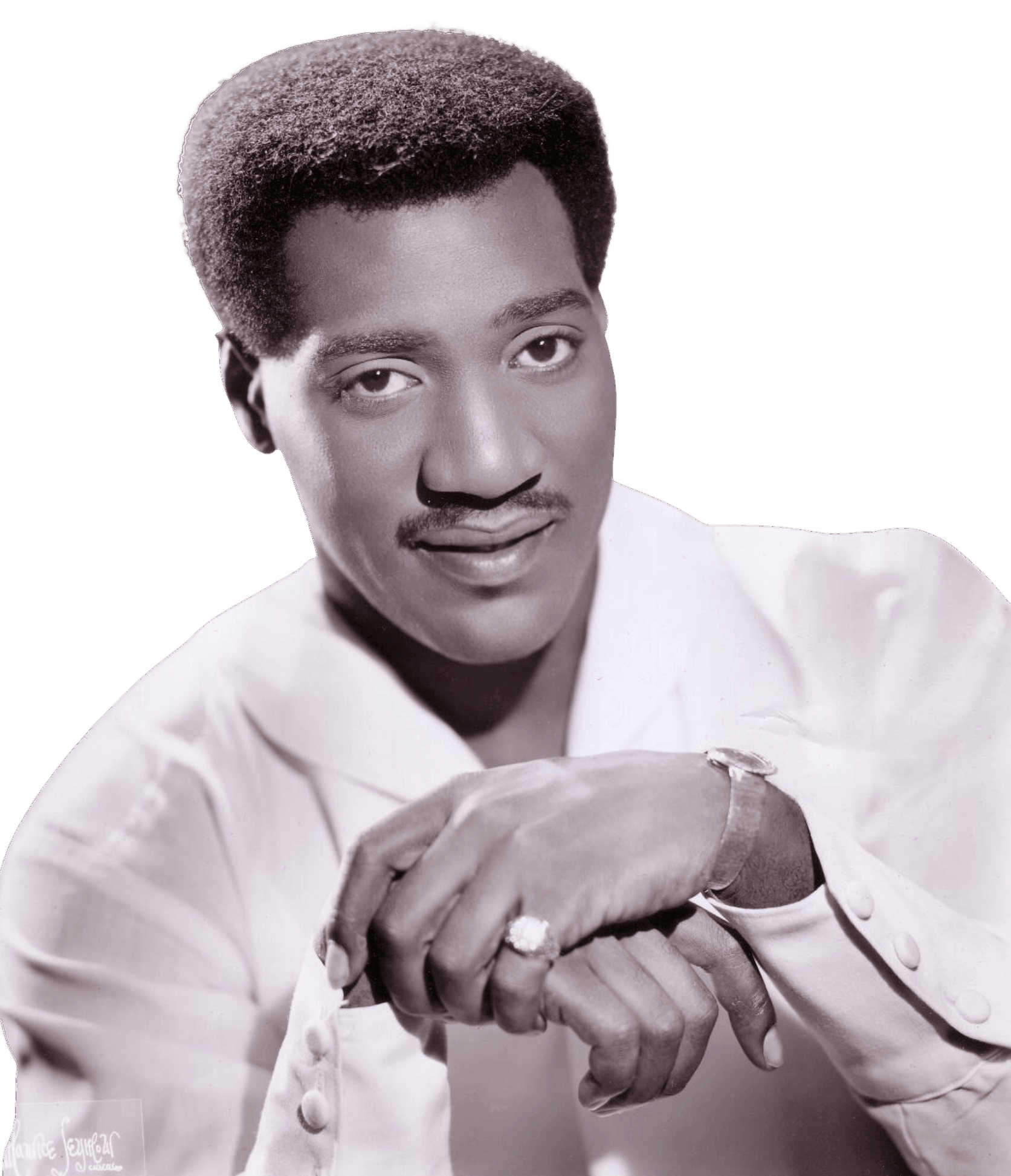
Otis Redding III carved out a distinctive musical identity as a guitarist, vocalist, and songwriter, carrying forward the monumental legacy of his father, the legendary "King of Soul" Otis Redding. Born into musical royalty, he spent decades navigating the complexities of the music industry through solo projects, band collaborations, and international performances. While his father's tragic death in a 1967 plane crash left an indelible mark on music history, Otis Redding III and his siblings actively preserved that heritage while forging their own contemporary paths in funk, soul, and R&B.
Understanding his career requires looking past the famous surname to examine his technical musicianship, his role in the family-band iteration of The Reddings, and his subsequent solo and collaborative endeavors. This review explores his artistic background, his instrumental contributions, his industry impact, and the enduring footprint he left on modern soul music before his passing in 2023.
The Foundations of a Musical Dynasty
Growing up as the son of Otis Redding and Zelma Redding provided a unique environment steeped in rhythm and blues history. Although Otis Redding III was only three years old when his father died, the cultural weight of the Redding catalog loomed large over his upbringing in Macon, Georgia. Rather than resting on the family laurels, he dedicated himself to mastering the guitar, developing a crisp, rhythmic style that blended classic Memphis soul grooves with modern funk sensibilities.
The family's deep connection to the Big O Ranch and the Otis Redding Foundation established a framework for community involvement and music education. These early experiences shaped his professional discipline. He understood that stepping onto a stage meant honoring a sacred musical lineage, yet he consciously chose to build his technical proficiency on the guitar rather than relying solely on vocal delivery, setting himself apart from traditional soul frontmen.
The Reddings: Family Harmony and Funk Fusion
In the late 1970s and 1980s, Otis Redding III teamed up with his brother, Dexter Redding, and their cousin, Mark Lockett, to form the musical group The Reddings. This ensemble combined soulful vocals with complex funk arrangements, slick basslines, and prominent horn sections. Signed to the Believe In A Dream label, associated with CBS Records, the group released several albums that charted on the Billboard R&B charts.
Their breakout hit, "Remote Control" (1980), showcased their ability to adapt traditional soul structures to the burgeoning electro-funk and disco-inflected R&B of the early 1980s. As a primary guitarist and songwriter for the band, Otis Redding III contributed heavily to the instrumental textures that defined their sound.
| Album Title | Release Year | Primary Label | Notable Chart Performance / Tracks |
|---|---|---|---|
| The Reddings | 1980 | Believe In A Dream / CBS | "Remote Control" (Top 10 R&B) |
| Back to Basics | 1981 | Believe In A Dream / CBS | Fan-favorite funk arrangements |
| Steamin' | 1982 | Believe In A Dream / CBS | Acclaimed instrumental breakdowns |
| Class | 1985 | PolyGram | Soul ballads and upbeat dance tracks |
The Reddings toured extensively, bridging the gap between classic Stax Records history and contemporary urban radio formats. Their willingness to experiment with synthesizers, drum machines, and intricate guitar interplay demonstrated that the younger generation of Reddings was not merely a novelty act, but a technically proficient musical force.
Solo Career and Collaborative Endeavors
Following the tenure of The Reddings, Otis Redding III pursued various solo projects and collaborative ventures. He worked as a session musician, performed live tribute shows celebrating his father's historic Monterey Pop Festival appearances, and collaborated with international artists who sought out his authentic soul pedigree.
His guitar work was characterized by precision and restraint, prioritizing the groove over flashy self-indulgence. Whether performing intimate acoustic sets or headlining festival stages across Europe and the United States, he maintained a reputation for professionalism and warm stage presence. He also contributed significantly to the posthumous management of his father's musical catalog, ensuring that classic recordings were properly remastered, reissued, and contextualized for new generations of listeners.
Philanthropy and Preservation of the Otis Redding Legacy
Beyond his commercial releases and stage performances, Otis Redding III dedicated a substantial portion of his life to charitable initiatives. Through the Otis Redding Foundation, he participated in music camps, songwriting workshops, and scholarship programs designed to give underprivileged youth access to creative education in Macon and beyond.
Participating in these educational programs allowed him to connect directly with aspiring musicians. He frequently emphasized the importance of understanding music theory, copyright law, and instrument mastery. By channeling his father's enduring spirit into youth mentorship, he helped secure a vibrant cultural future for the community that birthed southern soul music.
What Was the Musical Style of Otis Redding III?
Otis Redding III blended traditional Memphis soul guitar styles with 1980s funk, rhythm and blues, and occasional rock inflections. While he occasionally provided lead and backing vocals, his primary technical focus was on rhythm and lead guitar arrangements. His playing style favored rhythmic pocket-playing, clean chord voicings, and melodic fills that supported the vocal line rather than overpowering it.
How Did He Contribute to Preserving His Father's Legacy?
He actively preserved his father's legacy by performing tribute concerts, participating in archival documentary projects, and serving leadership roles within the Otis Redding Foundation. He worked alongside his mother, Zelma Redding, and his sister, Karla Redding, to manage the Otis Redding Museum and educational centers, ensuring authentic representation of his father's artistic history.
What Were the Major Hits of The Reddings?
The Reddings achieved their greatest commercial success with the 1980 single "Remote Control," which climbed into the upper tiers of the Billboard R&B charts. Other notable releases included tracks from albums like Back to Basics and Steamin', which received steady rotation on urban contemporary radio stations throughout the decade.
Did Otis Redding III Release Solo Albums?
While much of his recorded output was tied to band projects and session work, he released independent recordings and maintained a steady performance schedule as a solo touring artist. His live shows frequently blended original compositions with beloved classics from his family's rich musical catalog.
Continuing the Tradition and Final Years
Otis Redding III passed away in April 2023 at the age of 59, following a battle with cancer. Tributes poured in from across the music industry, celebrating his gentle demeanor, his dedication to soulful musicianship, and his tireless work keeping his father's flame alive. His departure marked the loss of a vital link to the golden era of Stax soul, yet his contributions to youth education and funk-soul instrumentation remain permanently woven into American music history.
For those seeking to explore his work today, starting with the recordings of The Reddings offers a clear window into his instrumental capabilities. Listening to tracks like "Remote Control" reveals how a second-generation artist successfully translated the emotional gravity of classic soul into the danceable rhythms of the modern era.