While several jurisdictions share the name, this guide focuses exclusively on Orange County, California, providing the most current and authoritative technical procedures for navigating the Orange County Sheriff’s Department (OCSD) inmate database and public record systems in 2026.
Locating an individual within the sprawling correctional system of Southern California requires a nuanced understanding of the California Public Records Act, recent privacy legislation, and the specific digital infrastructure maintained by the Orange County Sheriff’s Department. As of 2026, the integration of biometric verification and updated privacy statutes has significantly altered how the public accesses inmate information and booking photographs. This comprehensive analysis provides the technical roadmap for legal professionals, families, and researchers to navigate the Orange County custodial system effectively.
Navigating the OCSD Inmate Database in 2026
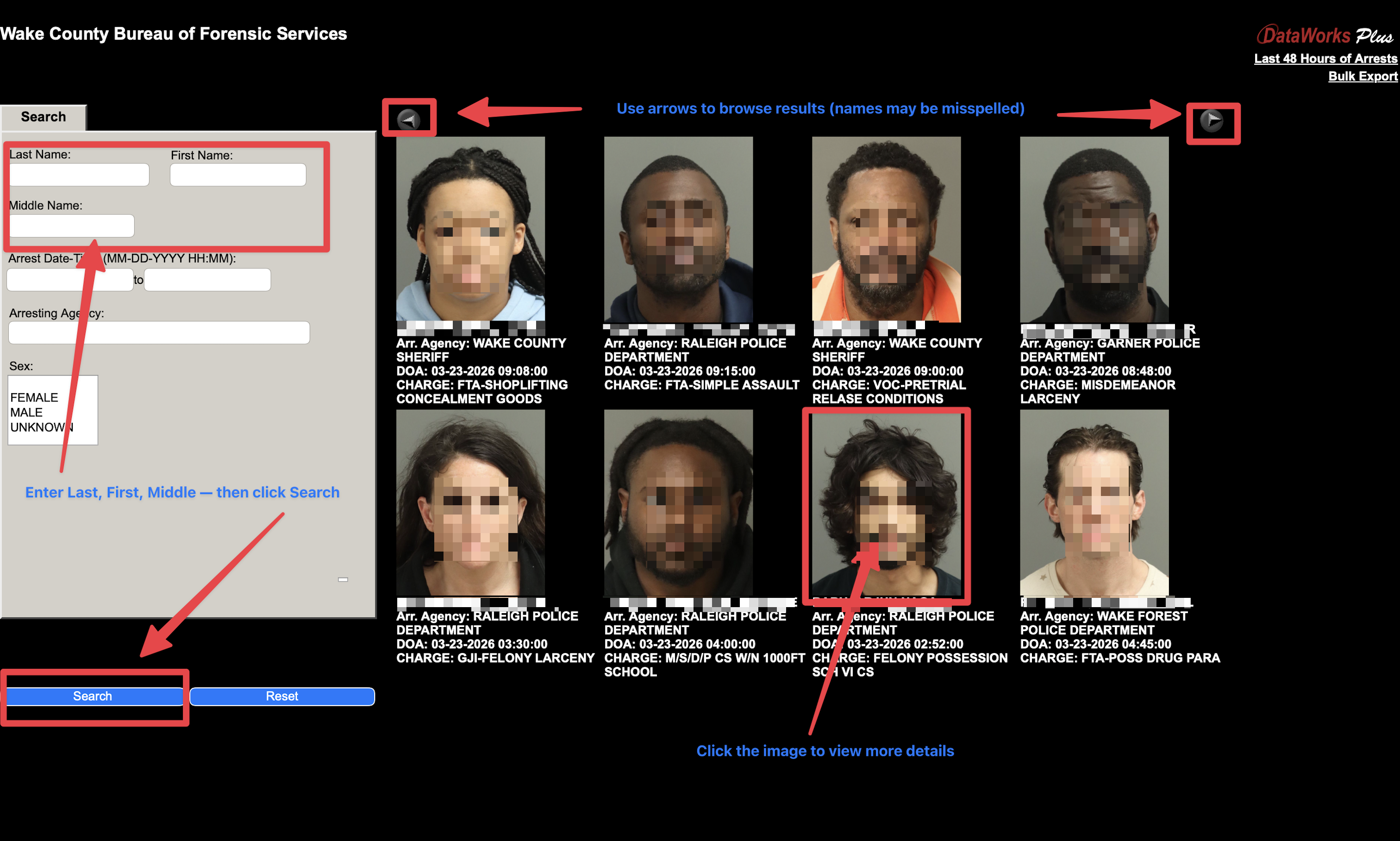
The primary portal for locating individuals in custody is the OCSD Inmate Information System. In 2026, this system serves as the centralized digital ledger for all individuals processed through the county's various correctional facilities. Accessing these records requires specific identifiers to ensure accuracy and to prevent the common pitfalls of name duplication in a county of over three million residents.
To conduct a successful search, the system typically requires at least a partial last name. However, for high-precision results, the following technical data points are recommended:
- Booking Number: A unique 7-digit identifier assigned upon intake.
- Full Legal Name: Including middle names to differentiate between common surnames.
- Date of Birth: Critical for distinguishing between individuals with identical names.
- Gender and Race: Used as secondary filters in the OCSD query engine.
The 2026 interface provides real-time updates on an inmate's status, including their current housing location, bail amount, and upcoming court dates. It is important to note that the database usually updates every 15 to 30 minutes, meaning there may be a slight lag between an arrest in the field and the appearance of the record online.
Understanding Mugshot Accessibility and Privacy Laws
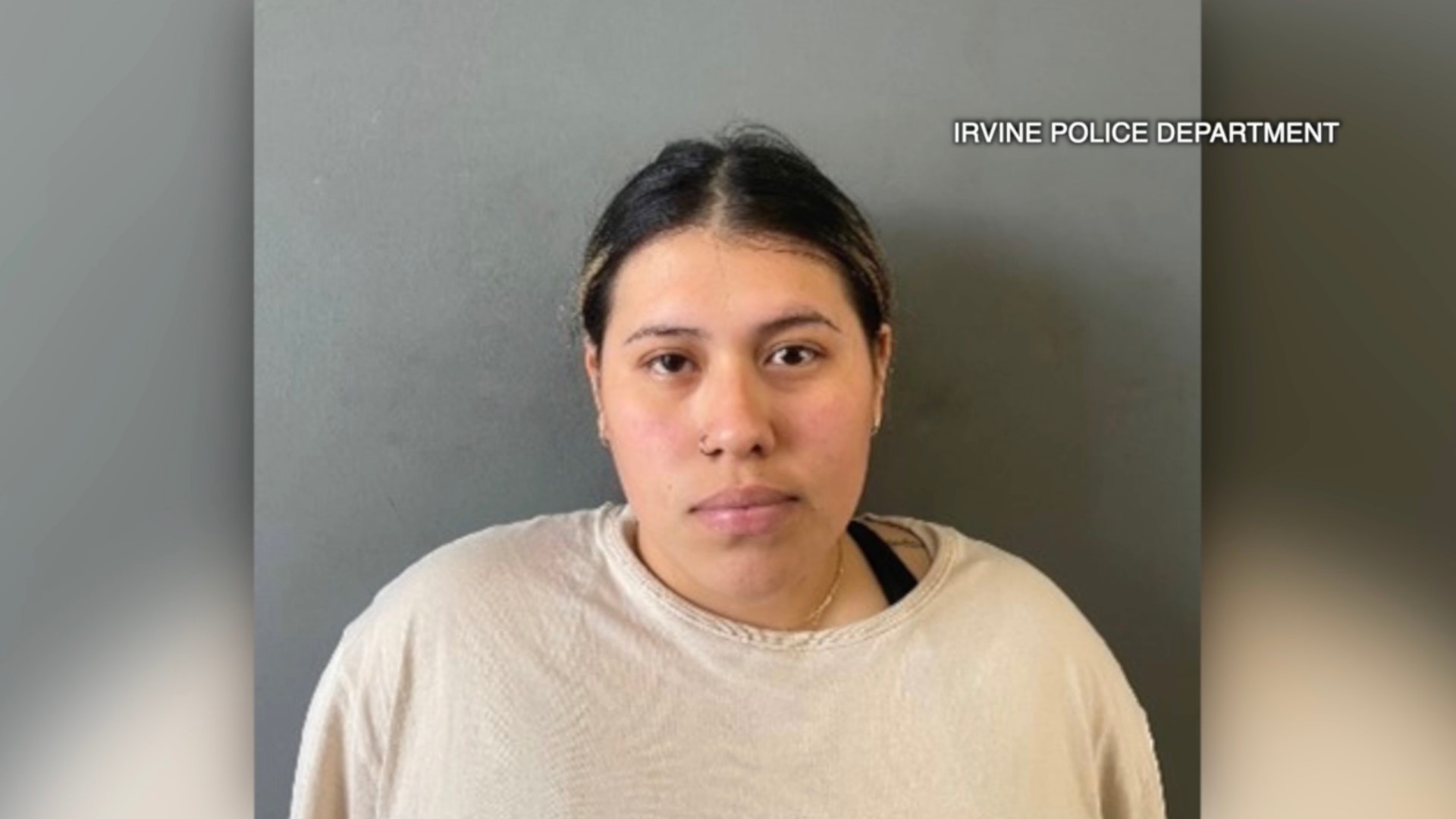
The availability of mugshots (booking photographs) in Orange County has undergone significant legal shifts leading into 2026. Following the evolution of California Assembly Bill 1475 and subsequent 2025 privacy mandates, the public display of booking photos is strictly regulated to balance public interest with the presumption of innocence.
Legal Status of Booking Photographs in 2026
Under current California law and Orange County Sheriff’s Department policy, mugshots for individuals arrested for non-violent crimes are generally not released to the public unless a specific law enforcement necessity exists. This includes instances where the individual poses an immediate threat to public safety or if the public's assistance is required to locate a fugitive.
For individuals convicted of crimes, the records become part of a more accessible public archive, but the initial "arrest-phase" mugshot is often shielded from third-party "mugshot extortion" websites. The OCSD maintains a strict internal database, but public-facing portals now prioritize data privacy for those who have not yet been adjudicated.
If you are a legal professional or an authorized representative, you may access these records through a formal Discovery Request or by visiting the OCSD Records Division in Santa Ana. For the general public, search results in 2026 will typically return text-based data including charges, physical descriptions, and custody status, while the photograph itself may be restricted.
Orange County Correctional Facilities: 2026 Operational Overview
Inmates in Orange County are distributed across several specialized facilities based on their classification, gender, and medical needs. Understanding where an individual is likely to be held is essential for coordinating legal visits or bail services.
| Facility Name | Location | Primary Population | Security Level |
|---|---|---|---|
| Intake Release Center (IRC) | 550 N. Flower St, Santa Ana | All new bookings and medical transfers | High (Intake/Processing) |
| Central Men’s Jail | 550 N. Flower St, Santa Ana | Male inmates awaiting trial or sentenced | Maximum Security |
| Theo Lacy Facility | 501 The City Drive South, Orange | Male inmates, specialized programs | Medium/Maximum Security |
| Women’s Jail | 550 N. Flower St, Santa Ana | All female inmates | All Classifications |
| James A. Musick Facility | 13502 Musick, Irvine | Minimum security/Rehabilitation (Fully Modernized 2026) | Minimum Security |
The Intake Release Center (IRC) remains the "front door" of the Orange County jail system. In 2026, the IRC utilizes advanced digital processing, meaning that once an individual is booked, their information is transmitted to the Central Court complex and the online database simultaneously.
Step-by-Step Guide to Conducting an Inmate Search
Performing a search in 2026 involves more than just a name query. Follow these technical steps to ensure you are viewing the most accurate and up-to-date information.
- Access the Official OCSD Portal: Ensure you are using the official .gov or .org domain maintained by the Sheriff’s Department. Avoid third-party "people search" sites that often harbor outdated or cached data from 2024 or 2025.
- Input Search Parameters: Enter the last name followed by the first name. If the list is too long, use the "Date of Birth" filter to narrow the results.
- Review the Inmate Profile: Once a match is found, click on the Booking Number. This will open a detailed view containing:
- Custody Status: (In Custody, Released, or Transferred to State Prison).
- Current Housing: The specific facility and module.
- Bail Information: The total bail amount required for release.
- Court Information: The specific court (e.g., Central Justice Center, Harbor Justice Center) and the next scheduled appearance.
- Verify Charges: Review the listed California Penal Code (PC) or Vehicle Code (VC) sections. Note whether the charges are listed as Felonies (F) or Misdemeanors (M).
Technical Standards for Bail and Release in 2026
Once you have identified an inmate and confirmed their bail amount through the search portal, the release process in Orange County follows a rigorous protocol. In 2026, the OCSD accepts bail through several methods, including cash, cashier's checks, and licensed bail bondsmen.
The 2026 Bail Process Framework
Cash Bail Full Payment: The full amount of the bail must be paid directly to the IRC cashier. This money is held by the court and returned (minus administrative fees) once the case is concluded, provided the defendant attends all hearings.
Bail Bonds: This remains the most common method. A licensed agent posts a bond for a non-refundable fee (typically 7-10% in 2026). The search portal provides the "Total Bail" figure which bondsmen use to calculate their premiums.
Own Recognizance (OR) Releases: For certain low-level offenses, the court may authorize a release without financial collateral. This status is updated in the online database as "Released on OR."
It is important to understand that the "Release" process at the IRC can take anywhere from 4 to 12 hours after bail is posted, depending on the volume of bookings and the time of day. Technical delays often occur during shift changes (typically 6:00 AM and 6:00 PM).
Analysis of Search Reliability: Official Portals vs. Third-Party Aggregators
When searching for inmate mugshots and records in Orange County, users often encounter a variety of platforms. A comparison of these sources is vital for data integrity.
- Official OCSD Portal:
- Pros: Real-time accuracy, direct link to court schedules, verified charge descriptions.
- Cons: Limited historical data for individuals released years ago; mugshots restricted per 2026 privacy laws.
- Third-Party Public Record Aggregators:
- Pros: Often aggregate data from multiple counties (e.g., Los Angeles and Riverside) into one view.
- Cons: Frequent data lag, potential for "hallucinated" records or mixed identities, and predatory "removal fees" for mugshots that should legally be private.
- Court Case Access (OC Pay):
- Pros: Best for detailed legal filings and sentencing information.
- Cons: Does not show real-time "in-custody" status; strictly for legal documentation.
For anyone requiring 100% accuracy, the OCSD official portal is the only industry-standard resource for Orange County.
Frequently Asked Questions (FAQs)
How can I find out if someone was arrested in Orange County today? Check the OCSD Inmate Information website using the "Recent Bookings" filter or search by name. The database is updated in near real-time, generally within an hour of the booking process being completed at the Intake Release Center.
Why can’t I see the mugshot for a recent arrest in 2026? Due to California state privacy laws (such as the evolved AB 1475), the Sheriff’s Department has restricted the online publication of booking photos for non-violent offenses. Mugshots are generally only visible to the public if the individual is a fugitive or if there is a compelling public safety interest.
How do I find an inmate's court date in Orange County? Once you locate the inmate on the OCSD portal, click their booking number to see the "Court Information" section. This will list the date, time, and specific department number at the relevant Justice Center (Central, West, North, or Harbor).
What does "Released to Other Agency" mean in the search results? This status indicates that the inmate has been transferred to another jurisdiction's custody. This could be a transfer to the California Department of Corrections and Rehabilitation (CDCR) for a prison sentence, or a transfer to a neighboring county like Los Angeles for outstanding warrants there.
Can I search for Orange County inmates by charge instead of name? The official public portal does not allow for searching by charge alone to protect privacy and prevent data mining. You must have a name or a booking number to access specific inmate records.
How do I send money to an inmate I found through the search? Once you have the booking number from your search, you can use authorized 2026 digital platforms like GTL (Global Tel Link) or the IRC's on-site kiosks to deposit funds into the inmate's commissary account.
Expert Insight on Maintaining Record Accuracy
As an authoritative source in Southern California public records, I recommend that anyone performing an inmate search in 2026 should verify the "Last Updated" timestamp on the results page. If you are a legal professional or an employer, do not rely on third-party screenshots. Always perform a fresh query to ensure the individual hasn't been exonerated or the charges dropped. In the 2026 legal climate, the "right to be forgotten" and data privacy are paramount, and the OCSD system is designed to reflect these values while maintaining the transparency required by the California Public Records Act.
For further assistance or to confirm information that appears ambiguous, contact the Records Division of the Orange County Sheriff's Department directly at their Santa Ana headquarters.