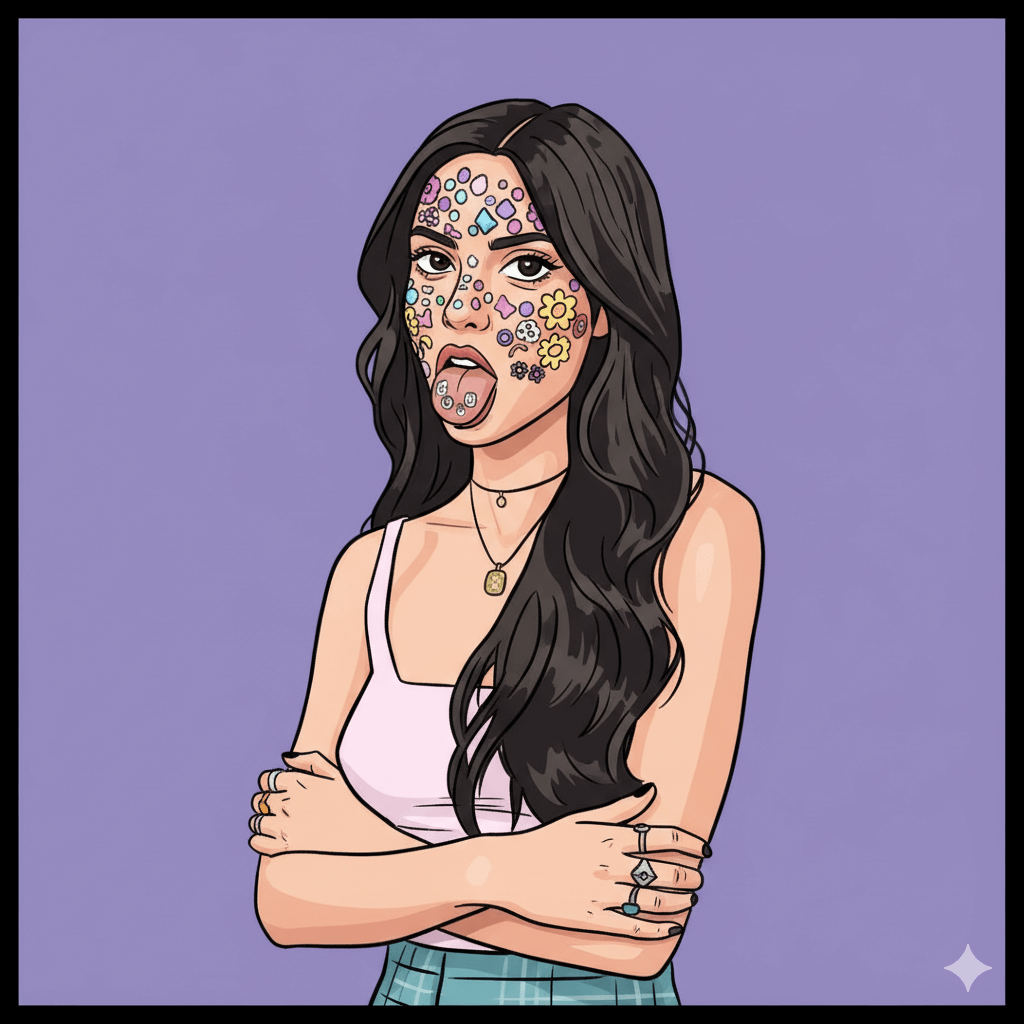
Olivia Rodrigo’s public profile reflects a distinct blend of raw emotional vulnerability, sharp artistic ambition, and grounded self-awareness, anchoring an MBTI type widely deduced as INFP (Introverted, Intuitive, Feeling, Perceiving). Through her meteoric rise from Disney Channel regular to global pop-rock icon, her public persona bridges deeply introspective songwriting with a remarkably relatable, down-to-earth public image.
Understanding the Intersections of Celebrity Personality Analysis
Analyzing a public figure's Myers-Briggs Type Indicator (MBTI) profile and behavioral traits requires separating verified psychological preferences from constructed media personas. For pop culture figures like Olivia Rodrigo, personality analysis relies on observing recurring patterns in interviews, songwriting themes, social media habits, and professional collaborations. Rather than attempting a clinical diagnosis, personality profiling in entertainment journalism examines how an artist processes emotion, interacts with fame, and expresses their internal world to millions of listeners.
Public profiles are inherently multi-layered. They combine genuine psychological predispositions with media training, brand strategy, and the natural evolution of youth transitioning into adulthood under a global microscope. Rodrigo’s public journey offers a clear case study in how an artist maintains creative authenticity while navigating the rigorous demands of the modern music industry. Her narrative provides rich data for examining the INFP cognitive framework—often characterized by idealistic passion, deep empathy, private sensitivity, and a spontaneous approach to life and work.
Core MBTI Framework: Why Olivia Rodrigo Fits the INFP Profile
The Myers-Briggs Type Indicator categorizes individuals into 16 psychological archetypes based on how they direct their energy, take in information, make decisions, and manage the outside world. Within this framework, Olivia Rodrigo consistently exhibits traits associated with the INFP (Introverted, Intuitive, Feeling, Perceiving) personality type, frequently referred to as the "Mediator" or "Idealist."
Introversion and Creative Solitude
Despite performing in packed arenas worldwide, Rodrigo often highlights her need for privacy, alone time, and quiet reflection. Introverts recharge away from external stimulation. For Rodrigo, this manifests in her writing process—she frequently composes her most resonant lyrics in solitude, often starting at a piano or in her bedroom. Her interviews reveal a thoughtful, measured speaking style, suggesting she processes thoughts internally before sharing them with the public.
Intuition and Emotional Symbolism
Intuitive types focus on abstract concepts, future possibilities, and underlying meanings rather than just surface-level facts. In Rodrigo’s songwriting, this is evident through rich metaphor and universal emotional translation. Instead of merely recounting events, she elevates personal heartbreak into sweeping narratives about growing pains, societal expectations, and existential self-doubt.
Feeling as the Decision-Making Core
The Feeling preference indicates that decisions are driven by personal values, empathy, and emotional impact rather than purely cold logic. Rodrigo’s music is universally defined by its emotional rawness. Tracks like drivers license and deja vu do not analyze relationship breakdowns through a detached lens; they lean directly into messy, unedited grief, jealousy, and longing. This willingness to expose vulnerability is a hallmark of dominant Introverted Feeling (Fi).
Perceiving and Artistic Spontaneity
A Perceiving preference points to flexibility, adaptability, and an aversion to rigid structures. Rodrigo’s career trajectory—pivoting swiftly from acting on Disney projects like Bizaardvark and High School Musical: The Musical: The Series to alternative pop-rock dominance—demonstrates a willingness to embrace organic changes. Her public image avoids the hyper-calculated pop perfection of previous eras, often leaning into messy aesthetics, vintage clothing, and unpolished live performances that embrace human error.
Key Personality Traits Evident in Public Appearances and Interviews
Beyond formal MBTI categories, examining Rodrigo's specific behavioral tendencies reveals a complex mix of youthful exuberance and hyper-observant maturity. These traits define how she interacts with the media, her fan base, and her artistic peers.
| Trait Category | Behavioral Manifestation in Public Profile |
|---|---|
| Self-Deprecating Humor | Frequently downplays her monumental success with self-aware humility and awkward charm in talk show appearances. |
| Artistic Integrity | Actively resists industry pressures to conform, choosing aggressive pop-rock instrumentation over safe ballads. |
| Fierce Loyalty | Maintains tight-knit circles of childhood friends and frequent creative partners like producer Dan Nigro. |
| Nostalgia & Reverence | Publicly worships her musical idols (Fiona Apple, Lorde, Alanis Morissette, Taylor Swift), treating songwriting history with academic respect. |
Self-Aware Humility Amidst Global Stardom
One of the most striking aspects of Rodrigo’s public profile is her ability to acknowledge her massive success while retaining an unpretentious demeanor. When SOUR broke streaming records in 2021, her interviews captured a sense of genuine disbelief rather than entitlement. This trait endears her to Generation Z audiences who value authenticity and reject corporate pop artifice.
Creative Tenacity and Industry Independence
While her early career was managed by structured corporate machinery, Rodrigo’s musical output signals a fierce demand for creative control. Collaborating closely with producer Dan Nigro, she carved out a distinct sonic identity that marries 1990s alt-rock grit with confessional modern pop. This independence reflects the INFPs' core need for autonomy and authentic self-expression.
Navigating Fame: The Conflict Between Private Sensitivity and Public Exposure
For individuals with introverted, feeling-dominant personality profiles, sudden global fame presents acute psychological challenges. The transition from a private teenager to an intensely scrutinized celebrity requires developing robust defense mechanisms.
Managing Public Scrutiny and Speculation
Because INFPs invest deeply in their personal values and relationships, public gossip, internet speculation, and tabloid culture can feel particularly invasive. Rodrigo has frequently addressed the anxiety of having her personal life dissected by millions of online commentators. Her response has generally been to retreat into her art, using songwriting as a secure channel to process external pressures rather than engaging in continuous public counter-arguments.
The Power of Confessional Songwriting as a Coping Mechanism
Artistic outlets serve as vital emotional processing tools for public figures with sensitive profiles. By converting personal pain into universally beloved anthems, Rodrigo reclaims ownership of her narrative. This dynamic explains why her fan base feels an intense parasocial connection to her; she transforms private vulnerability into public catharsis, inviting listeners to share in her emotional journey.
Comparative Analysis: Rodrigo’s Profile Versus Traditional Pop Archetypes
To fully understand Rodrigo's public footprint, it is helpful to contrast her INFP-leaning profile with other common pop music personality archetypes, such as the Extraverted Thinker (ENTJ/ESTP) performer or the Sensor-Feeler (ISFJ) traditional pop idol.
- The Strategic Showman (ENTJ/ESTP): Artists in this category often view pop stardom as a grand production, meticulously managing their brand, public rivalries, and commercial evolution with calculated precision. In contrast, Rodrigo’s profile is marked by emotional immediacy, periodic creative reinvention driven by gut feeling, and less concern for maintaining a flawless public image.
- The Classic Pop Idol (ISFJ/ESFJ): Traditional idols prioritize harmonious fan engagement, polished choreography, and pristine vocal delivery. Rodrigo, however, frequently leans into imperfection—straining notes during high-energy rock breakdowns, sporting smudged eyeliner, and expressing awkwardness in interviews—which aligns much more closely with the unpolished, authentic ideal of the modern alternative artist.
Frequently Asked Questions
What MBTI personality type is Olivia Rodrigo?
Olivia Rodrigo is widely typed by personality analysts as an INFP (Introverted, Intuitive, Feeling, Perceiving). This classification is derived from her demonstrated preference for internal reflection, deep emotional expression through songwriting, metaphorical storytelling, and an adaptable, spontaneous approach to her career.
How does Olivia Rodrigo handle the pressures of fame as an introvert?
Rodrigo manages fame by balancing intense public obligations with strict periods of personal privacy. She relies on close-knit friendships, creative solitude, and channeling her stress into confessional songwriting rather than engaging heavily with day-to-day tabloid culture.
What are Olivia Rodrigo’s primary creative influences?
She frequently cites alternative and rock icons such as Fiona Apple, Lorde, Alanis Morissette, and Avril Lavigne as major inspirations. These influences heavily shape her preference for emotionally raw, guitar-driven pop-rock over polished, synthesized mainstream trends.
Why do fans connect so deeply with Olivia Rodrigo’s public persona?
Fans connect with Rodrigo because of her radical vulnerability and self-aware humility. By openly discussing universal themes of heartbreak, insecurity, and teenage growing pains without artifice or emotional filtering, she fosters a strong sense of shared human experience.
Cultivating Authentic Self-Expression in Creative Pursuits
Observers, aspiring artists, and fans studying Olivia Rodrigo’s public profile can draw actionable insights into the power of personal authenticity. Navigating personal or professional growth under observation requires prioritizing internal values over external expectations. By leaning into natural strengths—whether that involves creative introspection, emotional depth, or artistic independence—individuals can build resilient public profiles that withstand external pressures while maintaining genuine connections with their audience.