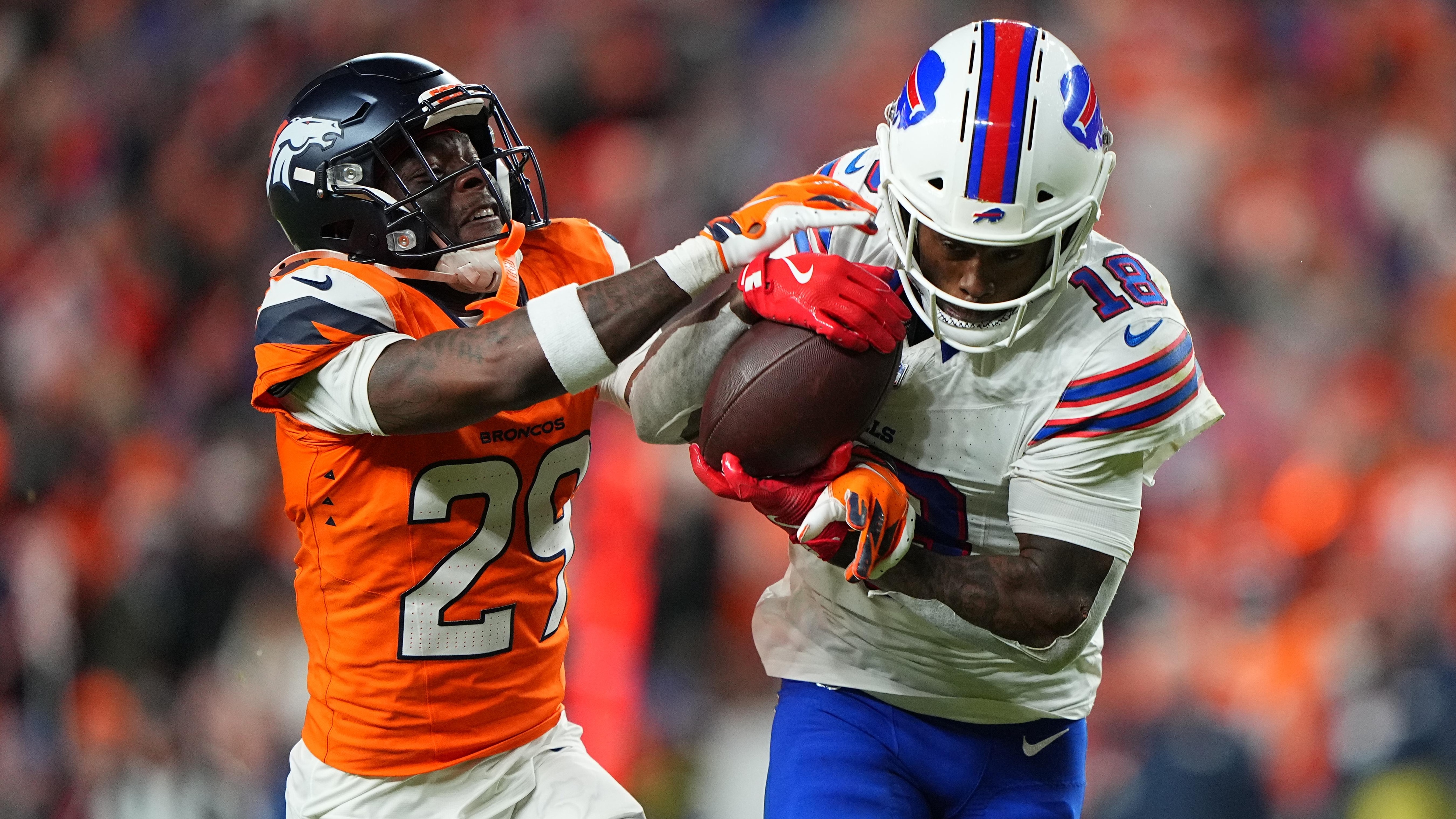
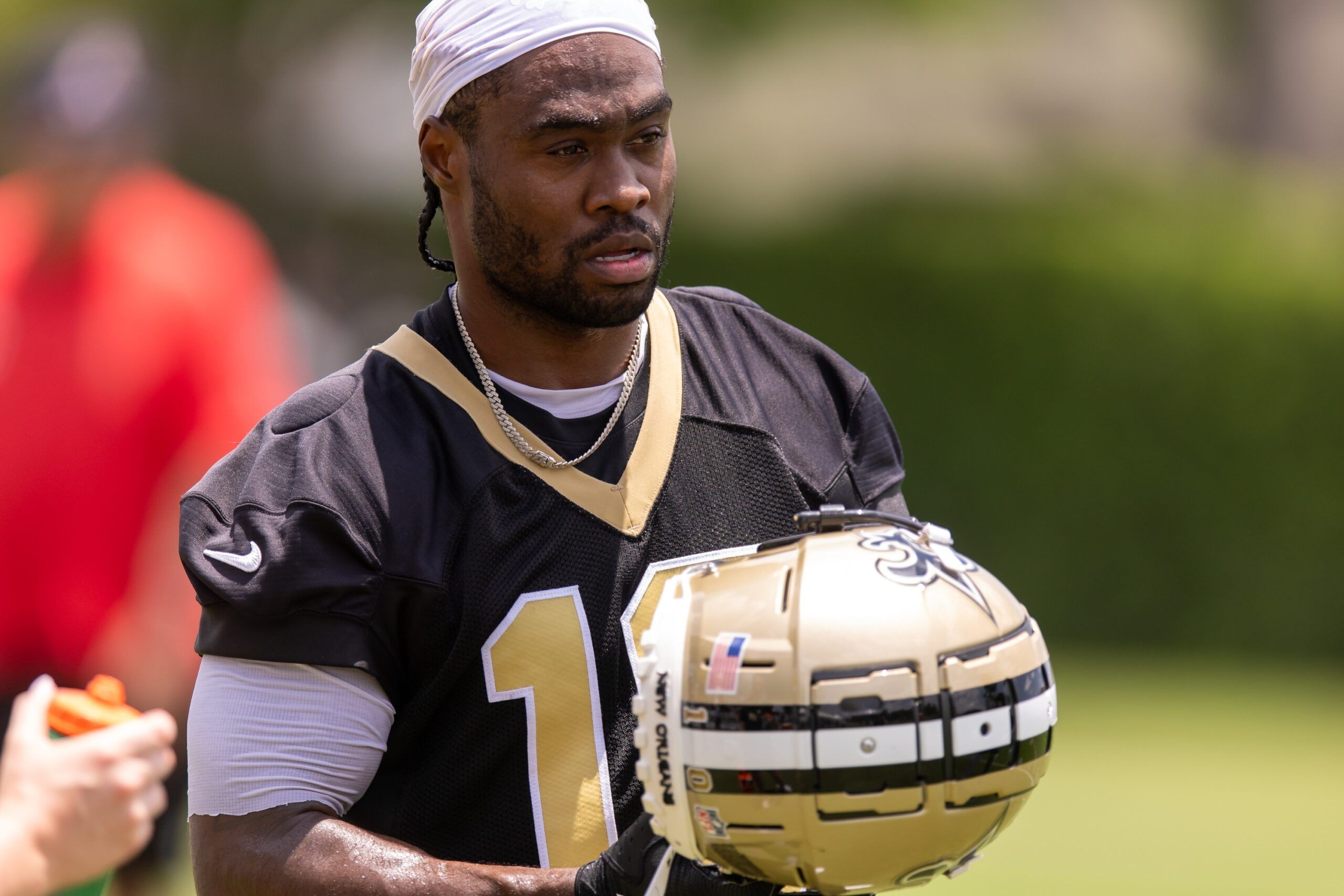
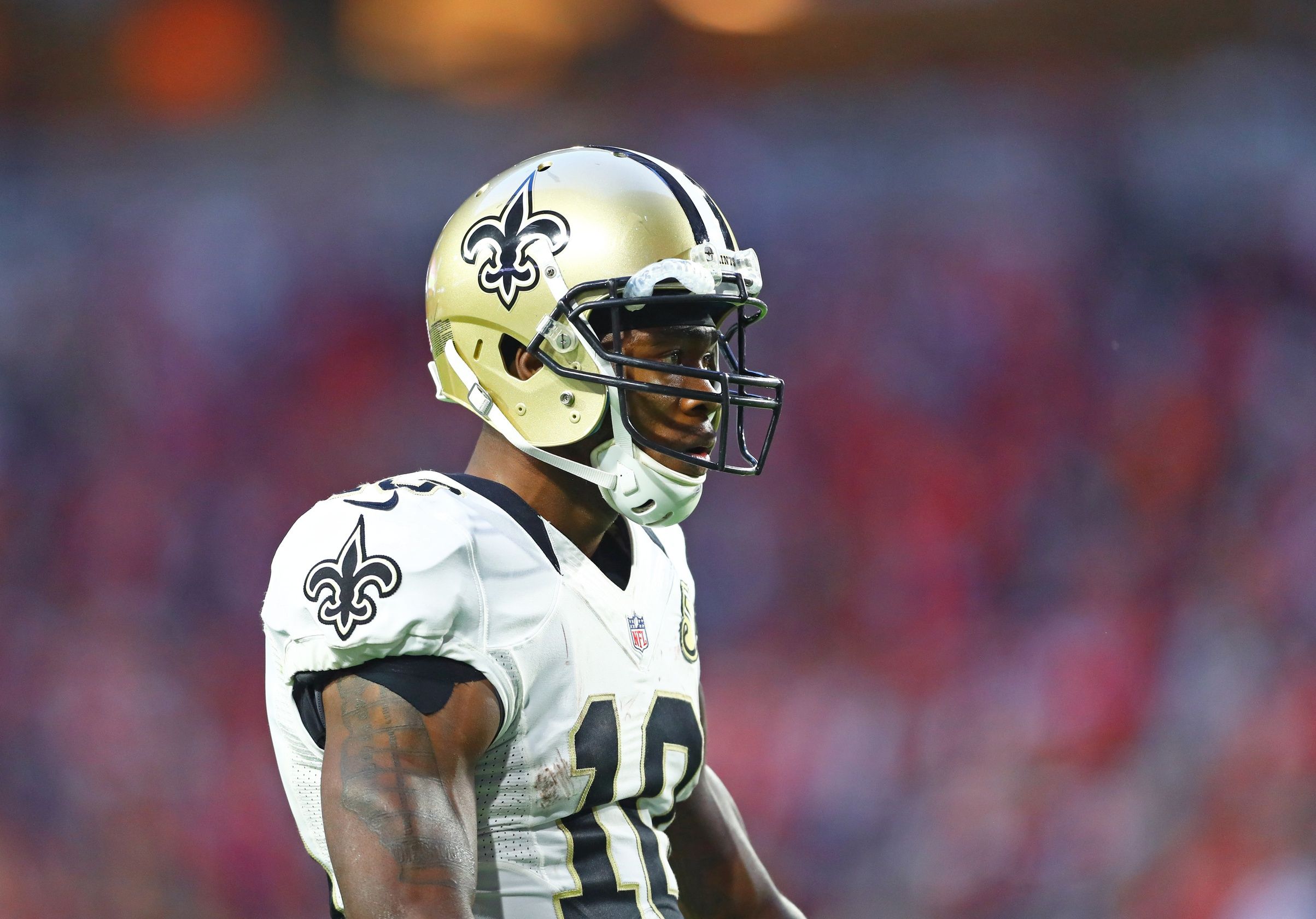
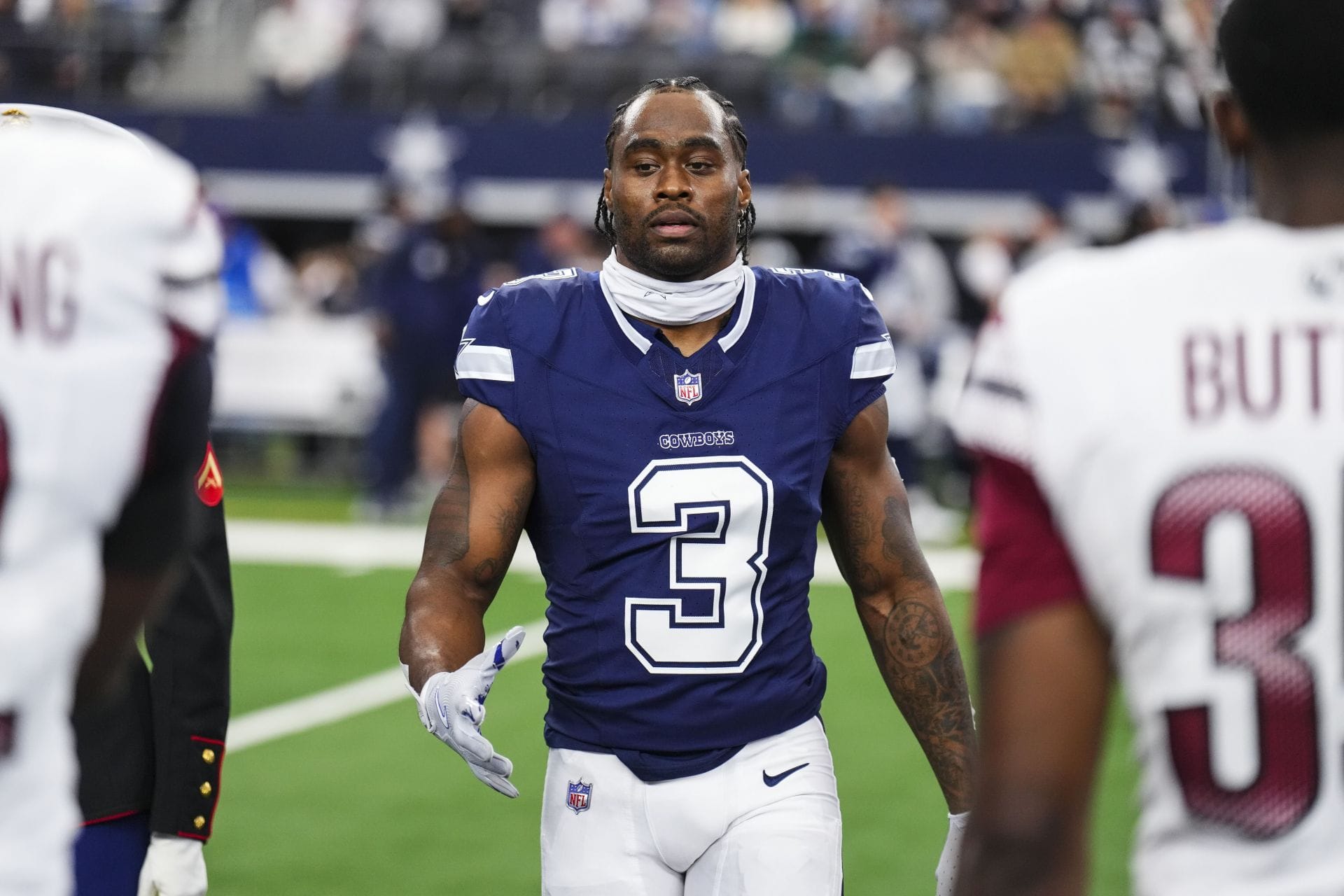
As of early 2026, Brandin Cooks is 32 years old, having been born on September 25, 1993. In the current NFL landscape, he serves as a highly experienced veteran wide receiver, primarily utilized as a sophisticated deep threat and a refined route runner who provides essential leadership and floor-spacing for modern offensive schemes.
Detailed Biographical Profile of Brandin Cooks
To understand Brandin Cooks’ current standing in the NFL, one must first look at the timeline of his professional development. Born in Stockton, California, Cooks entered the league as a young, explosive talent out of Oregon State University. By the time the 2026 season approaches, he has spent over a decade at the highest level of professional football, a feat rarely achieved by players whose primary asset was initially pure vertical speed.
Cooks' age of 32 puts him in the "veteran" category, a phase where most wide receivers either transition into specialist roles or see a decline in snap counts. However, Cooks has historically maintained a high level of physical conditioning that has allowed him to defy the typical "age cliff" associated with the position. His career began when he was drafted 20th overall by the New Orleans Saints in the 2014 NFL Draft. Entering the league at just 20 years old, he had the advantage of youth, which allowed him to accumulate significant statistical milestones before hitting his thirties.
Throughout his twenties, Cooks became known for his "burner" status—a player capable of taking the top off a defense. As he has moved into his early thirties, his role has evolved from a player who relies solely on 4.33-speed to one who uses leverage, defensive back manipulation, and veteran savvy to maintain his productivity. His age is often a point of discussion for front offices and fantasy football analysts alike, as he represents the bridge between the explosive speed-sters of the previous generation and the technically proficient route runners of the current era.
Analyzing the Current NFL Role of Brandin Cooks
In 2026, the "role" of a wide receiver like Brandin Cooks is multifaceted. While he was once a clear-cut "WR1" (the primary target on a team), his current role is more accurately described as a high-leverage "Z" receiver and a locker room mentor. The "Z" receiver typically lines up off the line of scrimmage, allowing them to avoid press coverage and use their speed to navigate the secondary.
The Deep Threat Specialist
Even at 32, Cooks maintains the respect of opposing defensive coordinators. His role requires him to stretch the field vertically, which pulls safeties away from the line of scrimmage. This "gravity" creates space for tight ends and slot receivers to operate in the underneath and intermediate zones. Even if Cooks does not receive the target, his role in clearing out the "deep third" of the field is vital for the team’s overall offensive efficiency.
Technical Proficiency and Route Running
As pure linear speed naturally plateaus or slightly declines in a player's thirties, the role shifts toward technical mastery. Cooks has developed into one of the most reliable route runners in the league. His current role involves winning on "timing routes"—slants, digs, and out-routes where the ball is thrown before the receiver even makes his break. His chemistry with quarterbacks is a hallmark of his professional reputation, allowing him to integrate into new offensive systems more quickly than younger, less experienced players.
Veteran Leadership and Mentorship
A less visible but equally important part of Cooks' current NFL role is his influence on the "WR room." Having played for five different franchises (Saints, Patriots, Rams, Texans, and Cowboys), he possesses a wealth of knowledge regarding different offensive philosophies, from the West Coast offense to Air Coryell variants. Teams value him not just for his on-field production, but for his ability to teach younger receivers how to prepare like a professional, study film, and maintain their bodies for a long career.
Career Trajectory and Historical Performance Metrics
Brandin Cooks holds a unique place in NFL history due to his consistency across multiple different teams. He is one of the few players in the history of the league to record 1,000-yard receiving seasons with four different franchises. This speaks to a role that is "plug-and-play," meaning he can provide high-level production regardless of the quarterback or the coaching staff.
The following table highlights the consistency of his role and production across his various professional chapters leading into the 2026 era:
| Franchise | Primary Years | Role Type | Major Statistical Milestone |
|---|---|---|---|
| New Orleans Saints | 2014–2016 | Emerging Speedster | Back-to-back 1,000-yard seasons |
| New England Patriots | 2017 | Vertical X-Receiver | 1,082 yards; Super Bowl LII appearance |
| Los Angeles Rams | 2018–2019 | Scheme Connector | Career-high 1,204 yards (2018) |
| Houston Texans | 2020–2022 | Primary Target | Two 1,000-yard seasons with varying QBs |
| Dallas Cowboys | 2023–2025 | Veteran Complement | Reliable WR2/3 and Red Zone threat |
| Current (2026) | 2026 | Veteran Leader | Focus on high-leverage 3rd downs/Deep shots |
The Impact of Age on Wide Receiver Longevity
In the NFL, the age of 30 is often cited as the beginning of the end for wide receivers. Statistics provided by Pro Football Reference suggest that targets and yardage often begin to dip significantly after a player's 11th or 12th season. For Brandin Cooks, entering 2026 means he is navigating his 13th professional season.
The reason Cooks has remained relevant is his refusal to rely on a single physical trait. Receivers who only run fast often struggle when they lose half a step. In contrast, Cooks has invested heavily in his "release" packages at the line of scrimmage. By winning the first two yards of a route through footwork and hand fighting, he compensates for any minor loss in top-end velocity.
Furthermore, his role in 2026 is bolstered by the league's shift toward "11 personnel" (one running back, one tight end, three receivers). This shift has increased the demand for reliable veteran receivers who can stay on the field for 70% or more of the offensive snaps. While a 22-year-old rookie might have more "burst," a 32-year-old Cooks has a higher "football IQ," meaning he rarely runs the wrong route or misses a sight adjustment against a blitz.
Strategic Value and Market Dynamics in 2026
From a front-office perspective, Brandin Cooks’ role is that of a "stabilizer." In an era of the NFL where rookie contracts are the most valuable assets, a veteran like Cooks is often brought in to provide a safety net for a young quarterback. His ability to find "soft spots" in zone coverage makes him a favorite for quarterbacks who need a reliable target when the primary play breaks down.
His current role also reflects the economic realities of the NFL. By 2026, the salary cap has continued to rise, and veteran receivers of his caliber often sign "incentive-heavy" short-term deals. These contracts reflect a role that is high in value but lower in long-term risk for the team. Teams competing for a Super Bowl often look for a player like Cooks to be the "missing piece" who can provide three to four catches a game, specifically in crucial third-down situations or late-game two-minute drills.
Essential Considerations for Fans and Analysts
When evaluating Brandin Cooks in 2026, it is important to distinguish between "volume" and "efficiency." In his early twenties, Cooks was a volume-based player who could see 130 targets a year. In his current role, he may see fewer targets (roughly 70-90), but those targets are often high-value.
- Reliability: He remains one of the more durable players at his position, despite his smaller frame (approx. 5'10", 183 lbs).
- Adaptability: His role requires him to play both inside (slot) and outside (perimeter), making him a "chess piece" for offensive coordinators.
- Professionalism: He has avoided the off-field distractions that sometimes plague high-profile receivers, which is why he has been welcomed into so many different locker rooms.
Why Age 32 is a Milestone
Turning 33 in September 2026 puts Cooks in an elite bracket of longevity. Only a small percentage of receivers maintain a starting role at this age. His ability to do so is a testament to his "technical floor"—the idea that even on a bad day, his technique ensures he is in the right place at the right time.
Current Contractual Influence
By this stage of his career, Cooks is likely playing on a year-to-year basis or a veteran-friendly extension. His role is heavily influenced by his "cap hit" versus his "on-field production." Teams keep him because he provides "WR2" production at a cost-effective rate compared to the skyrocketing market for younger superstar receivers.
FAQ: Common Questions About Brandin Cooks
How many teams has Brandin Cooks played for in his NFL career?
As of 2026, Brandin Cooks has played for five major NFL franchises: the New Orleans Saints, New England Patriots, Los Angeles Rams, Houston Texans, and Dallas Cowboys. His ability to produce 1,000-yard seasons with the first four of these teams is a league record for versatility. This movement was rarely due to poor performance; rather, it was often the result of his high trade value and the specific needs of teams looking for an immediate vertical threat.
What was Brandin Cooks' 40-yard dash time?
During the 2014 NFL Scouting Combine, Brandin Cooks ran a blistering 4.33-second 40-yard dash. This speed became his calling card and defined his early role as a deep-threat specialist. While he may not maintain that exact time at age 32, his "game speed"—the ability to run fast while wearing pads and navigating defenders—remains highly competitive in the current 2026 NFL environment.
Has Brandin Cooks won a Super Bowl?
While Brandin Cooks has played in multiple Super Bowls (most notably with the New England Patriots in Super Bowl LII and the Los Angeles Rams in Super Bowl LIII), he has had a series of "near misses" regarding a championship ring. His current role on a veteran roster is often motivated by the desire to finally secure a Super Bowl title before his retirement.
What are the "concussion concerns" associated with Brandin Cooks?
Earlier in his career, Cooks suffered several high-profile concussions, leading to concerns about his long-term health and role in the league. However, through rigorous medical protocols and changes in his playing style—such as learning how to better protect himself when going over the middle and utilizing different helmet technology—he has managed to maintain a remarkably consistent presence on the field throughout his late twenties and into 2026.
How does Brandin Cooks compare to other veteran WRs like Stefon Diggs or Davante Adams?
While players like Davante Adams or Stefon Diggs are often viewed as "target monsters" who dominate the share of an offense, Brandin Cooks occupies a role focused more on "vertical efficiency." He is often the secondary or tertiary option in a high-powered offense, whereas Adams and Diggs have historically been the focal points. This makes Cooks an ideal "complementary piece" for an established offensive system.
Monitoring Brandin Cooks’ Performance in the 2026 Season
For those following the NFL in 2026, the best way to evaluate Brandin Cooks is to look beyond the box score. Observe how the opposing team’s "top cornerback" or "safety help" aligns when Cooks is on the field. If he is still drawing the attention of deep safeties, he is successfully performing his current role, regardless of how many catches he records.
As the season progresses, pay attention to his "snap-to-target" ratio. At age 32, teams may manage his "pitch count" to keep him fresh for a potential playoff run. A successful 2026 for Cooks involves being the reliable, veteran hand that makes the crucial catch on 3rd-and-long or beats a double-team during a critical red-zone possession. His journey from a 20-year-old rookie in New Orleans to a 32-year-old veteran leader is a blueprint for wide receiver longevity in the modern era.