A O Maya (frequently stylized as Aho Maya or Ah Oh Maya) is a viral audio trend and social media phrase originating from modern Nepali pop music and digital culture. Translating literally to "Oh Love" or "Hey My Love," the phrase gained international popularity across short-form video platforms as a term of endearment, an aesthetic audio hook, and a viral hashtag.
Linguistic Origins and Literal Meaning of "A O Maya"
To understand why "A O Maya" resonates so strongly across digital platforms, it is essential to examine its linguistic roots in the Nepali language and broader South Asian cultural traditions. The phrase consists of two core linguistic elements combined to express deep emotional connection, romantic affection, or poetic longing.
The term Maya (माया) is a foundational word in Nepali and Sanskrit. While in classical Sanskrit philosophy Maya can refer to illusion or the creative power of the universe, in contemporary Nepali vernacular it serves as the primary word for love, affection, warmth, and romantic attachment. Unlike simple fondness, Maya encompasses an enduring emotional bond that can be shared between romantic partners, family members, or close companions.
The prefix A O (often written phonetically as Aho, Ah Ho, or A-Oh) acts as a melodic interjection or vocal call. Similar to "Oh!" or "Hey!" in English, it serves to draw attention, add emotional emphasis, or soften the delivery of a statement. When combined into A O Maya, the expression translates to:
- "Oh, my love"
- "Hey, beloved"
- "Ah, sweet love"
In traditional and contemporary musical compositions, this vocalization serves as a poetic hook. Its melodious structure allows vocalists to express affection fluidly, making it exceptionally well-suited for repetitive, catchy musical refrains that easily transition into short-form video audio clips.
Disambiguation: Social Media Term vs. Technical 3D Graphics Term
Because the letter combination "AO" appears frequently across different industries, online searches for "A O Maya" occasionally yield results from two completely distinct domains. Disambiguating these terms prevents confusion for content creators, music fans, and technical professionals alike.
- "A O Maya" Terminology
- Social Media / Music
- Phrase: "A O Maya" / "Aho Maya"
- Meaning: "Oh Love"
- Context: TikTok, Reels, Nepali Pop Audio
- 3D Computer Graphics (CG)
- Technical Shading: Ambient Occlusion (AO)
- Platform: Autodesk Maya
- Context: Rendering, 3D Shading, Maya Viewport
- Social Media / Music
- The Digital Vernacular and Music Trend: This is the primary subject of this guide. It refers to the romantic vocal hook, slang phrase, and viral audio track used across TikTok, Instagram Reels, and YouTube Shorts to signify love, travel aesthetics, and emotional moments.
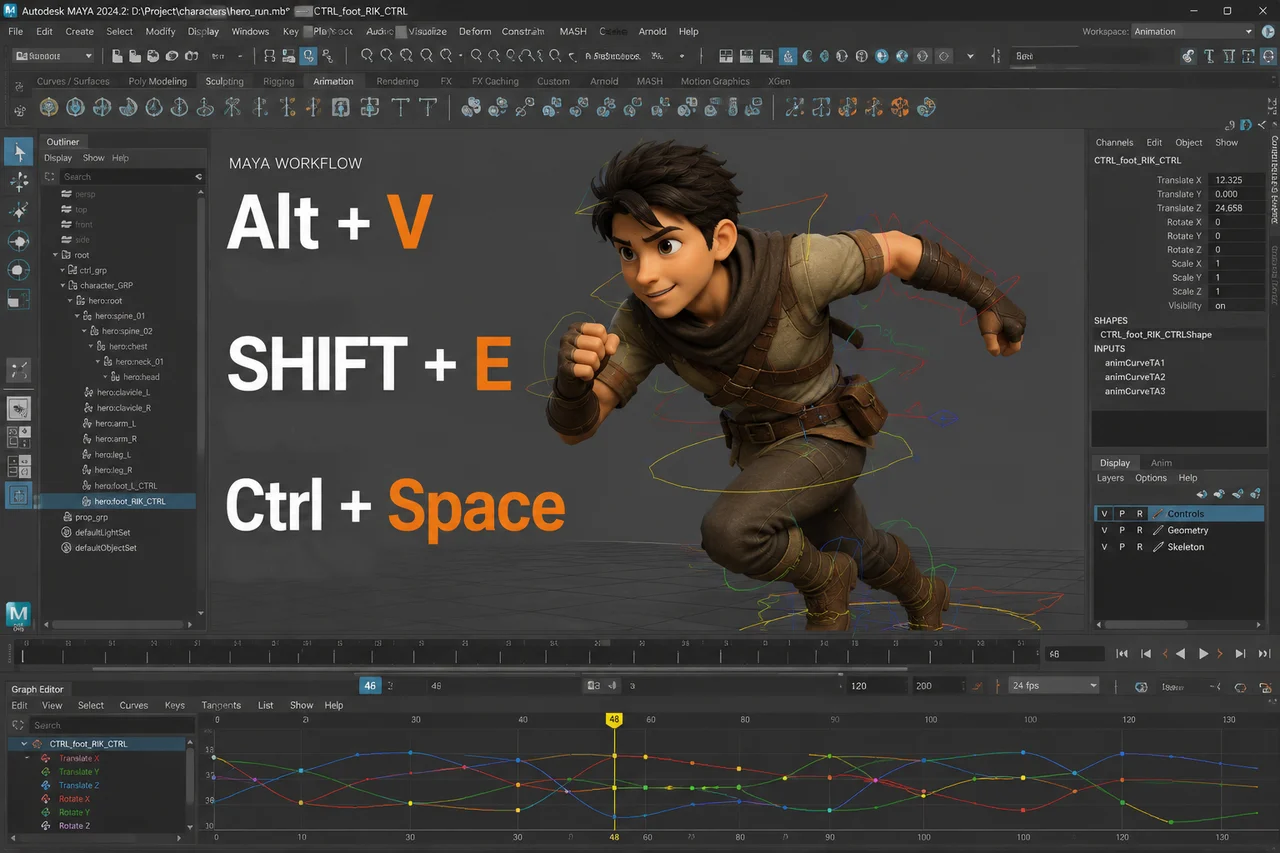
- The Computer Graphics Rendering Pass (AO in Autodesk Maya): In 3D animation and digital rendering, AO stands for Ambient Occlusion, a shading technique used within Autodesk Maya (a industry-standard 3D software package). An "AO Maya pass" calculates how ambient light hits surface geometry, creating realistic contact shadows in corners and crevices.
While both usages circulate widely online, their contexts are entirely separate. If you encountered the phrase on a video caption, music playlist, or trending audio feed, it refers to the cultural phrase meaning "Oh Love." If you encountered it in a tutorial regarding shaders, render engines (such as Arnold), or 3D asset creation, it refers to Ambient Occlusion rendering in Autodesk Maya.
How "A O Maya" Transformed into a Viral Social Media Trend
The transformation of regional musical phrases into global social media phenomena has become a hallmark of modern internet culture. The trajectory of "A O Maya" follows a structured path of digital adoption driven by algorithm-assisted discovery and user-generated content.
1. Music Release and Local Popularity
The term initially gained momentum through South Asian pop tracks, indie acoustic releases, and Nepali folk-fusion music. Songs featuring the vocal refrain "Aho Maya" or "A O Maya" captured listeners through easy-to-sing melodies and lighthearted romantic themes. Local audiences first adopted these tracks on streaming platforms such as Spotify and YouTube.
2. Audio Snippet Extraction on TikTok and Instagram
As short-form video platforms prioritized original audio integration, key 15-second to 30-second clips featuring the "A O Maya" chorus were extracted and uploaded by creators. The rhythmic cadence of the vocal hook made it an ideal background track for visual transitions, slow-motion sequences, and aesthetic montage edits.
3. Cross-Cultural Algorithmic Spillovers
Social media recommendation algorithms reward high completion rates and high engagement metrics. Because the audio clips possessed a pleasant, universal melodic structure, viewers across Europe, North America, and Southeast Asia interacted with videos using the sound—even without understanding the exact Nepali lyrics. This engagement pushed the sound onto global "For You" pages and trending audio charts.
4. Content Diversification
Once established as a trending audio, creators expanded its application beyond simple lip-syncing. The sound evolved into a backdrop for multiple content genres:
- Travel and Nature Vlogs: Video montages showcasing mountain landscapes, sunset vistas, and scenic drives.
- Couple and Relationship Content: Clips highlighting romantic anniversaries, candid moments, and shared activities.
- Fashion and Outfit Transformations: Transitions highlighting visual aesthetic shifts synchronized to the vocal drop of "Maya."
- Pet and Lifestyle Edits: Endearing videos of pets or cozy daily routines.
Contextual Usage Comparison: Social Media Platforms and Applications
The phrase "A O Maya" is used across various formats depending on the platform, audience, and medium. The following table provides an overview of how the term functions across digital environments.
| Platform / Context | Primary Format | Typical Function | Audience Perception |
|---|---|---|---|
| TikTok | Short-Form Video Audio | Backing track for romantic edits, travel clips, and aesthetic transitions | Trendy, romantic, visually appealing |
| Instagram Reels | Trending Sound & Reel Audio | Soundtrack for lifestyle vlogs, aesthetic reels, and couple posts | Elegant, emotional, atmospheric |
| Video Captions & Tags | #AOMaya, #AhoMaya |
Content categorization, metadata optimization, trend joining | Searchable, aligned with global trends |
| Digital Chat & Slang | Text Messaging / Comments | Playful term of endearment, friendly greeting, affectionate comment | Warm, casual, culturally connected |
| YouTube Shorts | Vertical Video Background | Narrative background music for travel shorts and creative edits | Engaging, uplifting melodic backdrop |
| 3D Graphics (Autodesk Maya) | Technical Shader / Render Pass | Ambient Occlusion shading pass for realistic surface lighting | Professional, technical rendering term |
The Cultural Impact of Regional Audio Going Global
The global rise of "A O Maya" highlights a broader shift in digital media consumption: the democratization of regional pop culture through algorithmic discovery.
Historically, global pop trends were dominated almost exclusively by English-language media produced in major Western entertainment hubs. Today, platforms that utilize audio-driven discovery allow songs and phrases from diverse linguistic traditions—such as Nepali, Korean, Spanish, or Punjabi—to transcend geographical boundaries without traditional radio broadcasting support.
When international users adopt a phrase like "A O Maya," it serves as a bridge to regional art forms. Viewers who discover the audio often seek out original full-length tracks, explore related artists, and gain exposure to the linguistic nuances of South Asian music. This dynamic fosters cross-cultural appreciation, converting a brief social media sound bite into a gateway for broader artistic discovery.
Best Practices for Content Creators Using Trending Phrases
For digital creators, social media managers, and influencers looking to leverage viral audio trends like "A O Maya," execution requires strategic planning and cultural awareness. Incorporating trending sounds effectively ensures high engagement while preserving authenticity.
- Select High-Quality Audio
- Match Visuals to Tempo/Mood
- Apply Accurate Hashtags (#AOMaya)
- Maintain Contextual Integrity
1. Select High-Quality, Verified Audio Clips
When adding the sound to a project on TikTok or Instagram Reels, choose official or widely adopted audio versions rather than distorted re-uploads. Official audio tags carry higher search weight and are more likely to be featured on platform exploration pages.
2. Match Visual Pacing to Audio Dynamics
The vocal structure of "A O Maya" typically features a gentle buildup followed by a melodic release on the word "Maya." Structure your video transitions (such as cuts between travel scenes or outfit changes) to align precisely with these vocal cues to maximize visual satisfaction and watch time.
3. Maintain Contextual Authenticity
While viral sounds are versatile, ensure the visual content fits the atmospheric tone of the audio. The phrase carries romantic, peaceful, and warm connotations. Utilizing it behind aggressive, chaotic, or mismatched video footage can lead to lower audience retention and poor algorithmic performance.
4. Combine Niche and Broad Metadata
When publishing content featuring the trend, combine specific tags like #AOMaya and #AhoMaya with broader contextual hashtags such as #TravelVlog, #CoupleGoals, or #AestheticEdits. This dual tagging strategy helps platform algorithms serve your content both to users tracking the specific trend and to broader audience segments interested in the underlying topic.
Frequently Asked Questions
What does "A O Maya" mean in English?
"A O Maya" (or Aho Maya) translates to "Oh my love," "Hey love," or "Ah, beloved" in English. "Maya" is the Nepali word for love or affection, while "A O" or "Aho" acts as an expressive vocal call or interjection.
Which language does the phrase "A O Maya" originate from?
The phrase originates from the Nepali language. It is widely used in traditional poetry, folk songs, and modern pop music across Nepal and South Asian communities worldwide.
Is "A O Maya" the same thing as AO in Autodesk Maya?
No. While they share similar letters, "A O Maya" in social media refers to a viral romantic audio phrase. In 3D computer graphics, "AO Maya" refers to Ambient Occlusion—a rendering technique used in Autodesk Maya software to generate contact shadows.
Why is "A O Maya" trending on TikTok and Instagram Reels?
The term became a trending audio clip because of its melodic, catchy vocal hook in popular music tracks. Creators frequently use it as background music for romantic videos, travel montages, visual transitions, and aesthetic vlogs.
Can I use the "A O Maya" sound for commercial videos?
Using trending audio clips for personal or organic creator accounts is generally allowed directly within platform libraries like TikTok and Instagram. However, using copyrighted music tracks in commercial advertisements or sponsored business campaigns often requires specific licensing agreements from the rights holders.
Strategic Guidance for Navigating Digital Vernacular Trends
Understanding viral expressions like A O Maya requires viewing them not merely as temporary internet hype, but as dynamic components of contemporary digital language. As regional phrases continue to cross international borders via social media algorithms, creators and audiences benefit from recognizing their true linguistic origins, cultural contexts, and ideal applications.
When integrating viral sounds into your personal content or brand strategy:
- Always verify the literal meaning and cultural background of foreign-language audio before publishing.
- Align your visual aesthetics with the emotional tone of the underlying audio track.
- Monitor platform audio pages to catch emerging variations of trending sounds early in their lifecycle.
By combining respectful cultural appreciation with precise technical execution, creators can effectively harness trending terms to build engaging, globally resonant content.