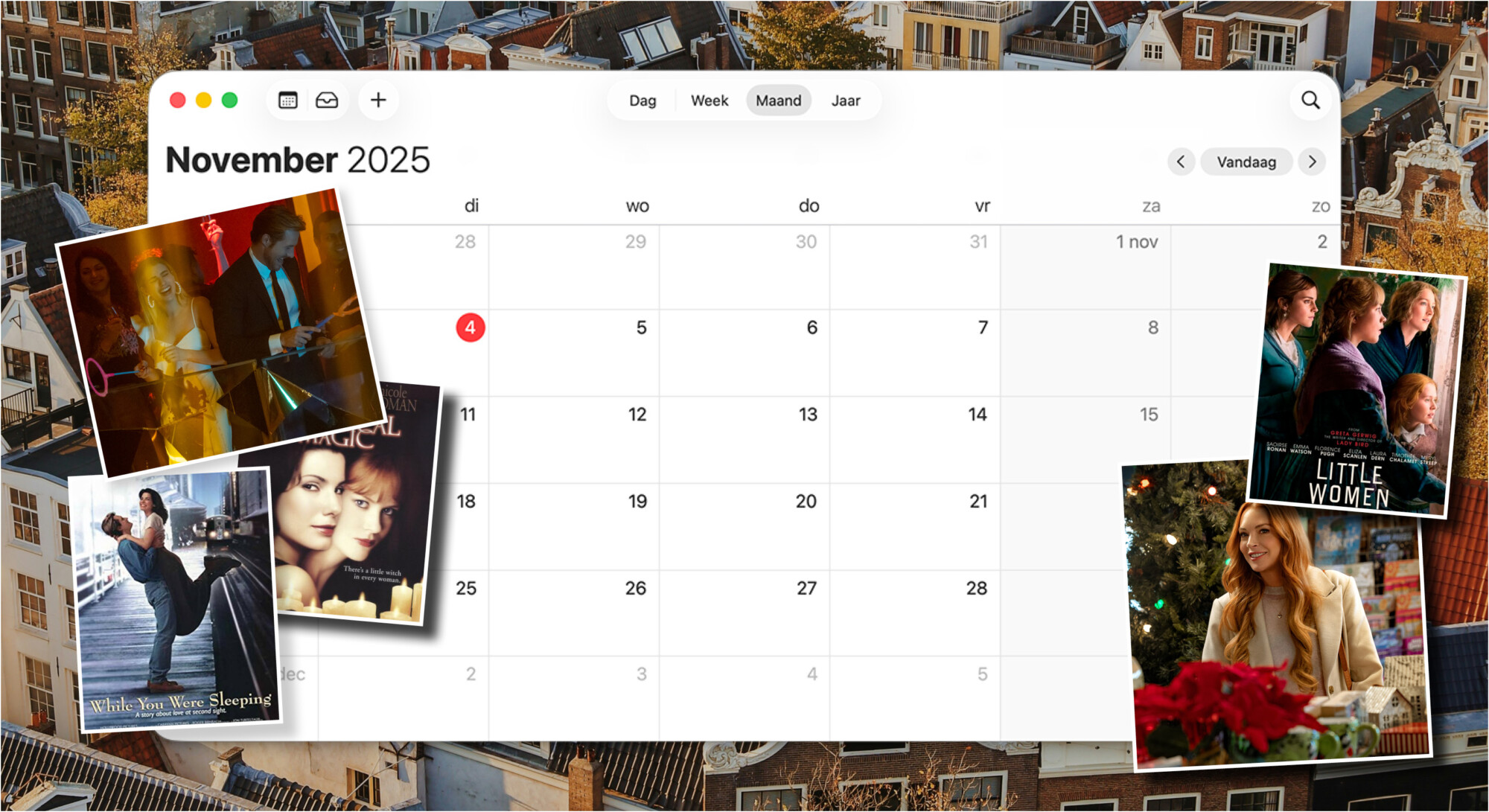
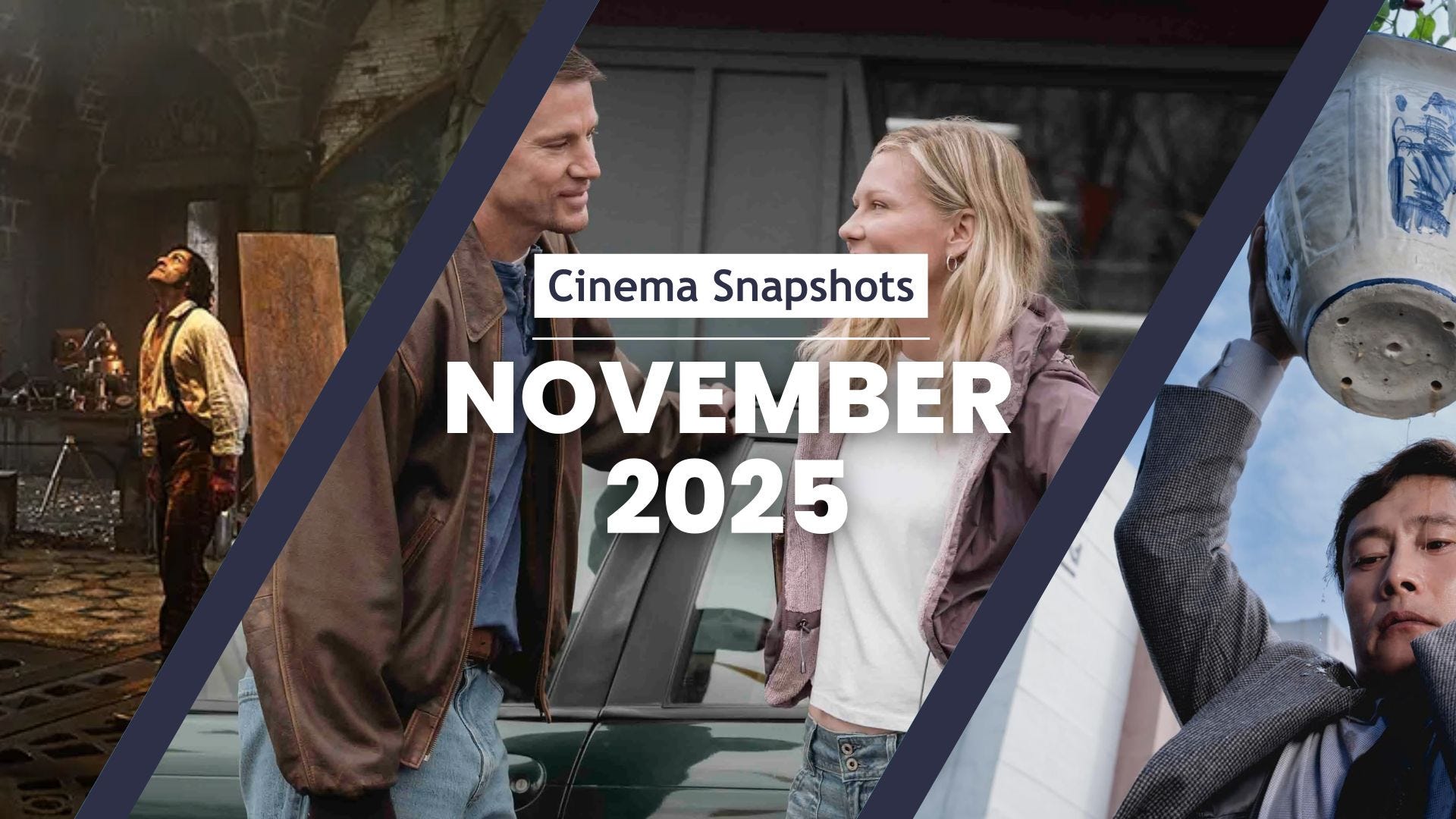
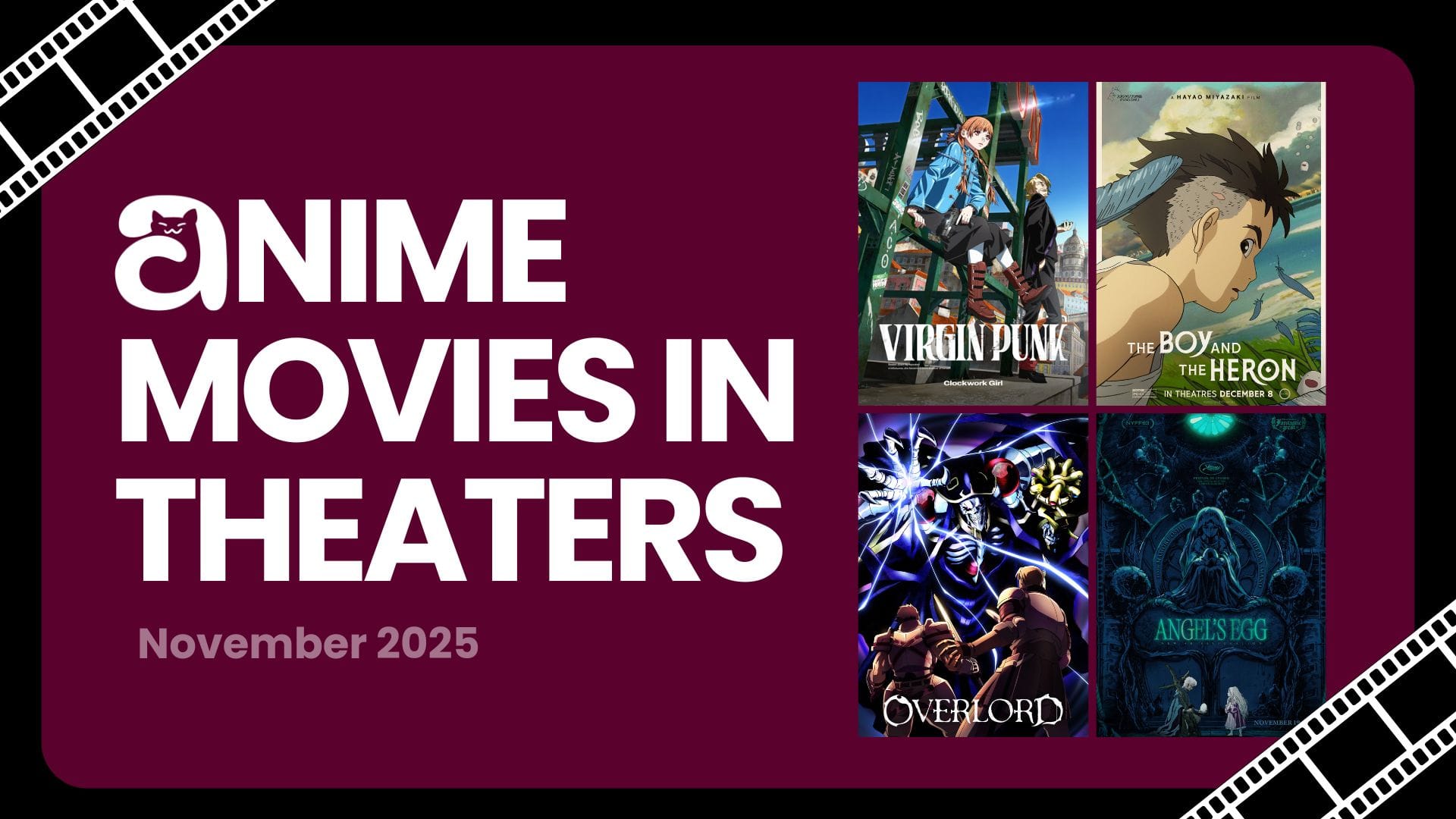
The November movie 2025 release calendar represented a critical commercial and artistic bridge between the year's high-octane summer blockbuster season and the prestigious year-end awards qualifying window. Studios strategically positioned major franchise entries, historical dramas, and family-oriented animated features during this period to maximize holiday box office momentum ahead of Thanksgiving.
The Strategic Positioning of Late Autumn Releases
The film industry recognizes the autumn transition as a pivotal window for theatrical distribution. During this period, studios shift away from the pure spectacle of summer toward narrative-driven projects, family-friendly counter-programming, and early contenders for major industry accolades. The November movie 2025 calendar exemplified this careful orchestration, balancing high-budget intellectual properties with original mid-budget storytelling designed to attract diverse demographic segments.
Studios utilize the weeks leading into the North American Thanksgiving holiday as a litmus test for consumer appetite. By deploying tentpole releases early in the month, distributors establish brand awareness that compounds through word-of-mouth as holiday vacations begin. This timing requires precise logistical coordination between production companies, domestic and international distributors, and major exhibition chains to secure premium format screens, including IMAX and Dolby Cinema locations.
Furthermore, the economic dynamics of this release window rely heavily on extended theatrical windows. Unlike streaming-first models, major late-autumn releases generally depend on exclusive theatrical runs to build perceived value before transitioning to digital video-on-demand (VOD) platforms and subscription video-on-demand (SVOD) services. This approach protects box office revenues while cultivating cultural relevance through critical reviews and social media discourse.
Major Tentpoles and Franchise Deployments
Blockbuster cinema anchors the early-to-mid November schedule, serving as the primary driver for overall box office performance. Intellectual property management dictates that major studios avoid direct cannibalization by spacing out similar genre entries. Consequently, the November movie 2025 lineup featured carefully segregated genre offerings, ensuring that action-adventure enthusiasts, fantasy fans, and sci-fi followers had distinct weekends to visit commercial theaters.
Exhibition chains depend on these high-profile tentpoles to offset the operational costs associated with maintaining modern projection and sound infrastructures. When major studios commit their flagship properties to this timeframe, theater operators allocate significant screen counts and marketing real estate to support them. This synergy between Hollywood distributors and cinema owners remains essential for maintaining the financial health of the global theatrical exhibition sector.
| Film Title / Project Category | Primary Genre | Target Demographic | Strategic Release Timing |
|---|---|---|---|
| Major Fantasy Sequel | Fantasy / Adventure | General Audiences / Families | Early November (Pre-Holiday) |
| Superhero / Action Tentpole | Comic Adaptation / Action | Teenagers / Young Adults | Mid-November |
| Holiday Family Animation | Animated / Comedy | Families / Young Children | Pre-Thanksgiving Week |
| Prestige Historical Drama | Biography / Drama | Mature Audiences / Cinephiles | Late November (Awards Qualifier) |
Awards Contenders and Prestige Cinema
Beyond commercial blockbusters, November serves as the primary launchpad for prestige cinema. Filmmakers aiming for recognition from major critics' associations and the Academy of Motion Picture Arts and Sciences often schedule their premieres during this window. These releases rely on critical acclaim, festival momentum from venues like Venice, Telluride, and Toronto, and targeted marketing campaigns directed at influential voting bodies.
The economics of prestige films differ fundamentally from franchise tentpoles. Rather than targeting massive opening-weekend grosses, these titles often employ a platform release strategy. They open in limited markets—typically New York and Los Angeles—before expanding nationwide as critical accolades and word-of-mouth accumulate. This deliberate pacing helps sustain box office longevity and enhances the film's cultural footprint throughout the competitive awards season.
Family Counter-Programming and Holiday Animation
As schools break for the Thanksgiving holiday, family-oriented animated features capture a dominant share of the box office. Animation studios invest heavily in this period, knowing that multi-generational audiences seek shared entertainment experiences. The counter-programming strategy ensures that parents accompanying children have viable viewing options alongside teenagers and adult filmgoers.
The production lifecycle for these animated features spans multiple years, requiring meticulous scheduling to hit the lucrative holiday window. Marketing campaigns for these titles often leverage fast-food partnerships, toy merchandising lines, and digital engagement initiatives to build early anticipation. Consequently, the success of a November animated release reverberates across consumer product sectors well beyond the theatrical run.
Box Office Dynamics and Exhibition Trends
Analyzing the box office performance of the November movie 2025 slate requires examining broader shifts in consumer viewing habits. Audiences have increasingly demonstrated selective behavior, prioritizing eventized cinema over routine theatrical attendance. This selectivity places a premium on high-end formats, luxury seating, and immersive audio experiences that cannot easily be replicated in home-viewing environments.
Exhibitors have responded by upgrading theater amenities, introducing reserved seating, enhanced food and beverage menus, and premium large-format (PLF) auditoriums. These investments help justify higher ticket prices and encourage longer stays. The financial health of theater chains is closely tied to the consistent delivery of diverse, high-quality content throughout the autumn and winter holiday seasons, making the performance of late-year releases a vital economic indicator for the entire entertainment sector.
Frequently Asked Questions
What types of movies are typically released in November?
November traditionally features a diverse mix of major franchise blockbusters, family-oriented animated films designed for the Thanksgiving holiday, and prestige dramas positioned for awards consideration. This multi-tiered scheduling allows studios to capture different audience segments simultaneously while maximizing box office revenue ahead of the December holiday season.
How do studios decide release dates for late-autumn films?
Studios evaluate competitive positioning, target demographic overlap, and availability of premium theatrical screens when selecting release dates. Distributors use historical box office data and market research to avoid counter-programming clashes, ensuring that similar genre titles do not dilute each other's box office potential.
What role do film festivals play in November releases?
Fall film festivals serve as crucial launchpads for prestige and independent titles released later in the year. Strong critical reception at festivals builds early momentum, generates valuable media coverage, and establishes the film's credibility with critics and awards-voting bodies.
Why is the Thanksgiving holiday important for box office earnings?
The Thanksgiving holiday period represents one of the highest-yielding box office windows of the year due to extended school breaks and holiday vacations. Families and general audiences have increased free time, leading to higher theater attendance and sustained multi-week runs for family-friendly and tentpole releases.
Are November movie releases available on streaming services immediately?
Major theatrical releases generally maintain an exclusive theatrical window ranging from 30 to 45 days, and sometimes longer for high-performing tentpoles. Exclusive theatrical windows protect box office revenues before films transition to digital purchase platforms and subscription streaming services.
Strategic Viewing and Next Actions
For industry professionals, researchers, and film enthusiasts tracking the evolution of cinematic distribution, analyzing the performance of late-autumn slates offers valuable insight into shifting consumer preferences and studio strategies. To stay informed on upcoming theatrical windows and distribution shifts, consult verified industry tracking resources such as Box Office Mojo or trade publications like Variety and The Hollywood Reporter for real-time financial data and release schedule adjustments.