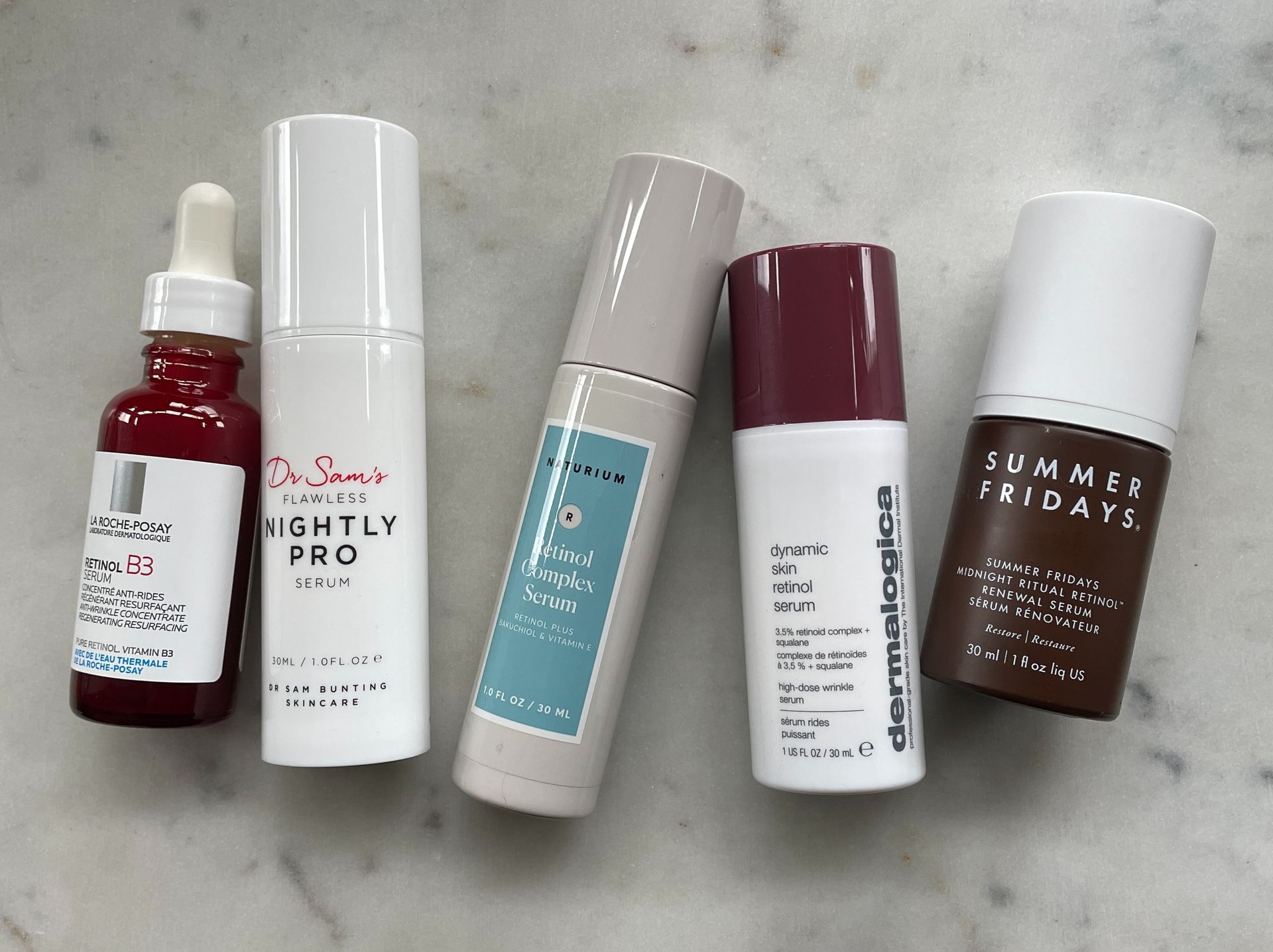
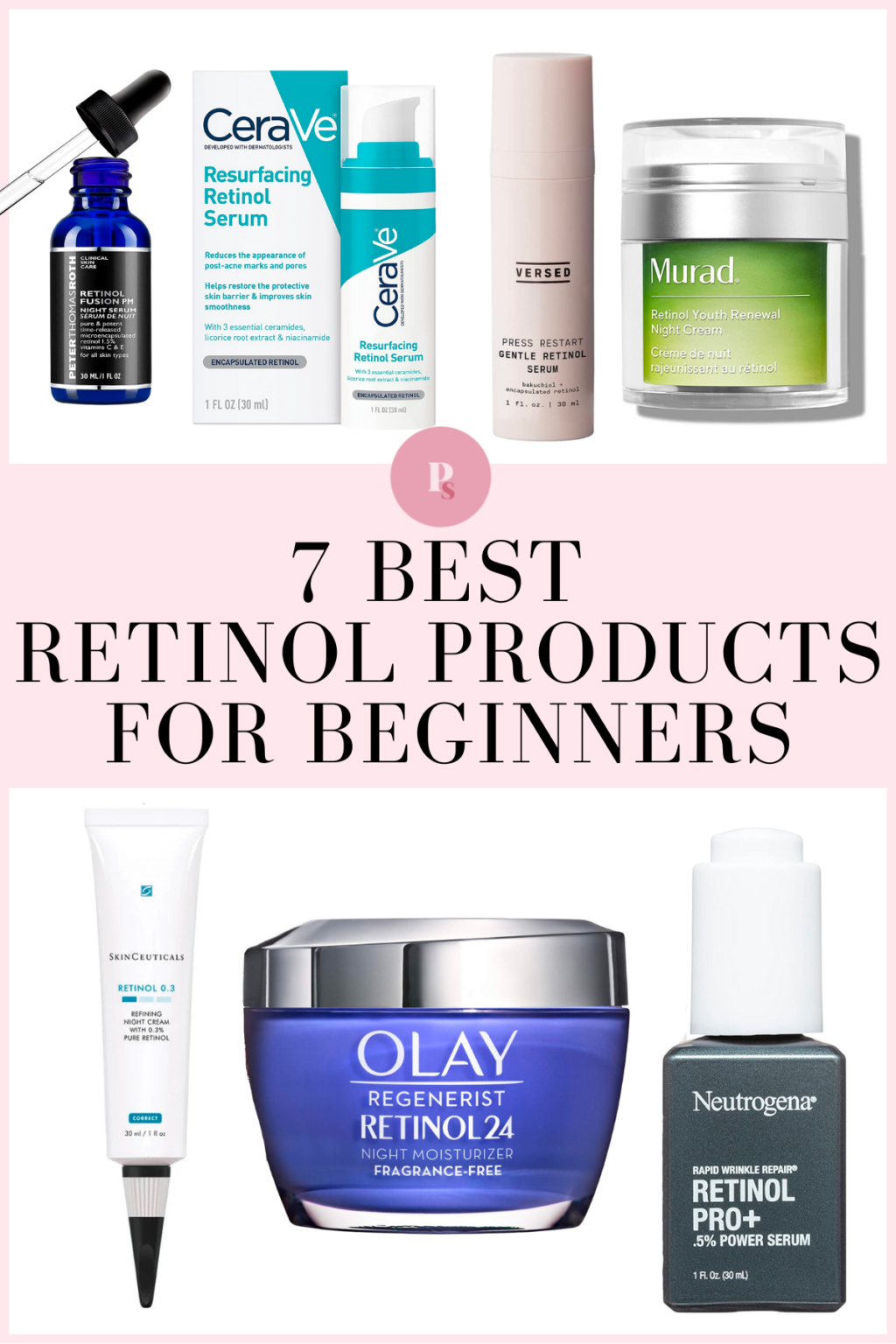
A non-toxic retinol serum is a clean-formulated topical skincare product designed to promote cellular turnover and collagen production without the use of controversial synthetic additives, harsh preservatives, or toxic fillers. It utilizes stabilized vitamin A derivatives or botanical bio-retinols paired with skin-nourishing, non-irritating ingredients to deliver anti-aging benefits safely.
Defining the Non-Toxic Retinol Serum
In contemporary cosmetic science, a non-toxic retinol serum bridges the gap between high-performance dermatological actives and clean beauty standards. Traditional retinoid formulations have historically relied on synthetic stabilizers, chemical preservatives such as micro-encapsulated BHT (butylated hydroxytoluene), parabens, synthetic fragrances, and heavy silicones to prevent active oxidation and mitigate immediate surface irritation. However, a non-toxic approach eliminates these questionable additions in favor of bio-compatible carriers, plant-derived soothing agents, and clean preservation systems compliant with European Union cosmetic standards and independent verification frameworks like the Environmental Working Group (EWG).
It is essential to understand that the phrase "non-toxic retinol" encompasses two distinct product categories within modern skincare:
- Clean-Formulated Synthetic Retinoids: Formulations containing true vitamin A derivatives (such as pure retinol, retinaldehyde, or retinyl palmitate) that use clean stabilization methods (like lipid encapsulation) while excluding parabens, phthalates, synthetic dyes, artificial fragrances, and formaldehyde releasers.
- Botanical Bio-Retinols: Products featuring naturally derived plant compounds—most notably Bakuchiol, Rambutan extract, and Bidens Pilosa—that target the same cellular pathways as retinoids to boost collagen and smooth skin texture without causing retinoid dermatitis or sensitivity.
Both variations aim to enhance skin health without burdening the cutaneous barrier or systemic health with persistent chemical exposure. When selecting a serum, identifying whether the product relies on encapsulated vitamin A or a botanical analogue helps set realistic expectations regarding potency, speed of results, and skin compatibility.
Retinoid Conversion Pathway:
- Retinyl Esters (Gentlest/Slow)
- Pure Retinol (Standard Active)
- Retinaldehyde (Fastest OTC)
- Retinoic Acid (Active In Skin)
Botanical Bio-Retinols (e.g., Bakuchiol):
- Bypasses conversion; directly stimulates gene expression for collagen synthesis
Biological Mechanism: How Retinol and Bio-Retinols Work in the Skin
To appreciate the function of a non-toxic retinol serum, one must examine how vitamin A interacts with dermal biology. Human skin cells naturally express nuclear retinoic acid receptors (RARs) and retinoid X receptors (RXRs). When active retinoic acid binds to these receptors, it triggers a cascade of cellular signaling that fundamentally alters cell behavior.
Acceleration of Epidermal Cell Turnover
The skin's natural desquamation cycle—the process by which basal keratinocytes divide, migrate to the surface, die, and shed—takes approximately 28 to 40 days in adults. Retinoids accelerate this mitosis in the basal layer, pushing younger, healthier cells to the stratum corneum faster. This rapid turnover sweeps away hyperpigmented corneocytes, smooths rough texture, and helps clear pore blockages before comedones can form.
Collagen Synthesis and Matrix Metalloproteinase Inhibition
In the deeper dermal layer, retinoids stimulate fibroblasts to synthesize Type I, III, and IV collagen, as well as elastin fibers and glycosaminoglycans (such as hyaluronic acid). Simultaneously, retinoids downregulate the expression of matrix metalloproteinases (MMPs)—enzymes activated by ultraviolet (UV) radiation that break down existing dermal collagen. By encouraging new structural proteins while inhibiting collagen degradation, retinol gradually restores dermal thickness and reduces the depth of fine lines and wrinkles.
The Bio-Retinol Pathway (Bakuchiol)
Botanical alternatives like Bakuchiol operate through a distinct chemical structure—a terpenophenol extracted from the seeds of Psoralea corylifolia—yet achieve parallel gene expression profiling. Peer-reviewed research demonstrates that Bakuchiol upregulates collagen types I and IV and improves cell turnover similarly to topical retinol. Because it does not bind to retinoid receptors in a manner that triggers inflammatory cytokine release, bio-retinols deliver structural restoration without the characteristic peeling, redness, or burning associated with traditional retinoic acid.
Key Ingredients and Clean Formulation Criteria
Evaluating a non-toxic retinol serum requires analyzing both the active ingredient and the surrounding emulsion matrix. A serum is only as non-toxic as its base ingredients and preservation systems.
Non-Toxic Formulation Architecture:
- Active Core: Encapsulated Retinol OR Plant Bio-Retinol (Bakuchiol/Rambutan)
- Buffer System: Ceramides, Squalane, Hyaluronic Acid, Centella Asiatica
- Clean Preservation: Ferulic Acid, Tocopherol (Vit E), Sodium Benzoate/Potassium
- Excluded List: No BHT/BHA, No Parabens, No Phthalates, No Synthetic Perfume
Essential Active Formats
- Lipid-Encapsulated Retinol: Microscopic phospholipid or liposomal spheres coat pure retinol molecules. This delivery mechanism shields the sensitive active from oxidation caused by light and air, while providing controlled, time-released penetration into the skin. Encapsulation minimizes surface toxicity and sudden epidermal irritation.
- Retinaldehyde (Retinal): A direct precursor to retinoic acid requiring only one metabolic conversion step within the skin. High-quality non-toxic formulations use retinal bound in biocompatible delivery systems to offer higher efficiency at lower concentrations.
- Bakuchiol: Typically incorporated at clinical levels between 0.5% and 2.0% in squalane or plant-oil bases, offering antioxidant protection alongside anti-aging signaling.
Supporting Hydrators and Barrier Buffers
Because vitamin A can temporarily compromise barrier function during initial use, clean formulations pair the active with barrier-repairing compounds:
- Ceramides (NP, AP, EOP): Replenish intercellular lipids to prevent trans-epidermal water loss (TEWL).
- Plant-Derived Squalane: Mimics natural human sebum to soften skin and stabilize oil-soluble active molecules.
- Hyaluronic Acid (Multi-Molecular Weights): Provides multi-layer hydration to counteract initial flaking.
- Botanical Extracts: Centella Asiatica (Madecassoside), Niacinamide (Vitamin B3), and Green Tea Extract calm cutaneous inflammation and neutralize free radicals.
Unwanted Additives to Avoid
A true non-toxic retinol serum excludes:
- BHT and BHA: Synthetic antioxidants commonly added to stabilize traditional retinol that carry concerns regarding bioaccumulation and endocrine disruption.
- Parabens (Methyl-, Propyl-, Butyl-): Preservatives linked to hormone-disrupting activity.
- Synthetic Fragrances and Phthalates: Undisclosed chemical mixtures that rank among the leading causes of allergic contact dermatitis.
- PEGs and Ethoxylated Compounds: Emulsifiers that may contain residual processing contaminants such as 1,4-dioxane.
Comparative Breakdown: Traditional Retinoids vs. Non-Toxic Formulations
Understanding how different retinoid formats compare helps in selecting the appropriate active for your skin type, sensitivity profile, and ethical preferences.
| Attribute | Traditional OTC Retinol | Non-Toxic Encapsulated Retinol | Non-Toxic Retinaldehyde | Botanical Bio-Retinol (Bakuchiol) |
|---|---|---|---|---|
| Primary Active | Unencapsulated Retinol | Liposomal/Encapsulated Retinol | Retinaldehyde | Bakuchiol / Rambutan |
| Metabolic Steps to Active Form | 2 Steps (Retinol $\rightarrow$ Retinal $\rightarrow$ Retinoic Acid) | 2 Steps (Slow, controlled release) | 1 Step (Retinal $\rightarrow$ Retinoic Acid) | Direct biological signaling (No conversion needed) |
| Relative Potency | Moderate | Moderate to High | High | Gentle to Moderate |
| Irritation / Peeling Risk | High | Low to Moderate | Moderate | Extremely Low |
| BHT / Paraben Content | Often present as stabilizers | Excluded | Excluded | Excluded |
| UV Sensitivity Risk | High (Night use only) | High (Night use only) | High (Night use only) | Negligible (Can be used AM/PM) |
| Pregnancy / Nursing Compatibility | Contraindicated | Contraindicated | Contraindicated | Generally considered safe (Consult physician) |
Step-by-Step Guide: How to Safely Introduce and Apply the Serum
Introducing a non-toxic retinol serum requires a methodical approach to allow skin adaptation (retinization) without triggering barrier collapse.
The Evening Skincare Application Sequence:
- Gentle non-stripping cleanser, then pat face completely dry
- [OPTIONAL] Light hydrating toner or serum (Wait 5 minutes)
- Pea-sized portion of Non-Toxic Retinol Serum applied evenly
- Lock in moisture with a rich, clean ceramide cream
Step 1: Patch Testing
Before facial application, test the product on a discreet patch of skin, such as the inner forearm or behind the ear. Apply a small drop nightly for three consecutive nights. If no severe erythema, itching, or swelling occurs, the serum is safe for facial introduction.
Step 2: Cleansing and Preparation
Wash the face with a mild, pH-balanced, fragrance-free cleanser. Gently pat the skin completely dry with a clean towel.
Crucial Application Rule: Never apply true retinoid serums to damp skin. Water speeds up the absorption rate of active retinoids, accelerating deep penetration and dramatically increasing the risk of irritation, burning, and peeling. Wait 3 to 5 minutes after cleansing before proceeding.
Step 3: Application (The "Pea-Sized" Rule)
Dispense no more than a pea-sized amount of serum for the entire face. Dot the product onto the forehead, cheeks, nose, and chin, then spread it evenly outward, avoiding the immediate orbital bone, eyelids, nostrils, and lips.
Step 4: The Sandwich Technique (For Sensitive Skin)
If your skin is prone to eczema, rosacea, or dry spots, utilize the "sandwich method":
- Apply a thin layer of a clean, non-comedogenic moisturizer.
- Wait 10 minutes for it to absorb.
- Apply your pea-sized portion of non-toxic retinol serum.
- Follow with a second thin layer of moisturizer to seal in hydration.
Step 5: Frequency Ramping (The 1-2-3 Method)
Do not jump directly into daily application when using true vitamin A derivatives. Ease into usage using this gradual schedule:
- Weeks 1–2: Apply once every three nights.
- Weeks 3–4: Apply every other night.
- Week 5 onwards: Increase to nightly use as tolerated by your skin barrier.
Note: Botanical bio-retinols like Bakuchiol do not require a ramping period and can generally be applied once or twice daily from day one.
Step 6: Mandatory Daytime Sun Protection
Retinoids thin the stratum corneum during initial use and increase skin susceptibility to solar radiation. Apply a broad-spectrum, mineral-based sunscreen (Zinc Oxide or Titanium Dioxide) with an SPF of 30 or higher every morning, regardless of weather conditions.
Common Mistakes to Avoid
- Over-Applying Product: Using more than a pea-sized amount does not accelerate anti-aging results; it simply overwhelms the skin's defense mechanisms, leading to chemical irritation and peeling.
- Combining with Strong Exfoliating Acids: Avoid using Alpha Hydroxy Acids (AHAs like glycolic or lactic acid), Beta Hydroxy Acids (salicylic acid), or high-concentration L-ascorbic acid (Vitamin C) in the same evening routine as your retinol serum. Layering active acids disrupts the cutaneous pH, destabilizes the lipid barrier, and can induce severe dermatitis.
- Skipping Morning Sunscreen: Retinol increases photosensitivity. Failing to protect your skin during the day leads to accelerated UV damage, negating the anti-aging benefits of the serum.
- Neglecting Barrier Damage Warnings: If your skin experiences burning upon applying basic cleansers, persistent flaking, or tight redness, stop active use immediately. Focus on barrier repair using ceramide-rich creams for 7 to 14 days before attempting re-introduction at a lower frequency.
Frequently Asked Questions
Is a non-toxic retinol serum safe during pregnancy or breastfeeding?
Serums containing synthetic or true vitamin A derivatives (pure retinol, retinaldehyde, retinyl palmitate) are strictly contraindicated during pregnancy and lactation due to potential teratogenic risks. However, non-toxic plant-based bio-retinols, such as 100% natural Bakuchiol, are widely considered safe alternatives. Always consult your OB-GYN before introducing active skincare during pregnancy.
How long does it take to see visible skin improvements?
Cellular turnover benefits, such as smoother texture and reduced pore congestion, typically appear within 4 to 6 weeks of consistent use. Dermal structural changes—including the fading of hyperpigmentation and smoothing of fine lines—require 12 to 24 weeks of continuous application to allow new collagen fibers to mature.
Can non-toxic retinol serums be used around the delicate eye area?
You should avoid applying standard facial retinol serums directly to thin eyelid skin or right up to the lower lash line unless the product is specifically ophthalmic-tested and formulated for the eye contour. For general facial serums, stop application at the outer orbital bone.
What is the difference between a clean retinol serum and prescription Tretinoin?
Over-the-counter clean retinol serums contain retinoid precursors (or bio-retinols) that require local metabolic conversion by skin enzymes into retinoic acid. Prescription treatments (like Tretinoin or Adapalene) contain pure retinoic acid that binds directly to cell receptors immediately upon contact. Prescription formulas act much faster and with greater intensity, but carry a significantly higher risk of severe irritation, peeling, and redness.
Can I use a non-toxic retinol serum if I have sensitive skin or rosacea?
Yes, provided you choose the right formula and approach. Individuals with sensitive skin or rosacea often do best with lipid-encapsulated formulations or plant-based bio-retinols like Bakuchiol. Utilizing the sandwich application method and starting with once-a-week frequency minimizes the risk of flaring sensitive skin conditions.
Actionable Recommendations for Your Skincare Routine
To successfully integrate a non-toxic retinol serum into your regimen and achieve optimal skin health, follow these concrete next steps:
- Audit Your Current Skincare Shelf: Remove products containing BHT, synthetic fragrances, parabens, and aggressive alcohol denat bases. Identify any active exfoliating acids (glycolic, lactic, salicylic) or vitamin C products so you can move them exclusively to your morning routine.
- Select the Right Serum Profile: If your primary concern is sensitive skin, hyper-reactive barrier, or pregnancy safety, select a botanical bio-retinol serum standardized to 1% Bakuchiol. If your primary focus is rapid anti-aging, firming, or deep wrinkles, opt for a clean, lipid-encapsulated pure retinol (0.25% to 0.5%) or a stabilized retinaldehyde formula.
- Establish a Barrier Safety Net: Pair your non-toxic serum with a simple, clean, fragrance-free barrier cream containing ceramides, squalane, and fatty acids.
- Implement the Ramping Protocol: Begin by applying the serum once every three nights on clean, thoroughly dry skin. Keep a skincare log for the first 30 days to monitor surface hydration, redness, and texture improvements.
Professional Advice Disclaimer: This article is for informational and educational purposes only and does not constitute formal medical or dermatological advice. If you suffer from chronic skin disorders such as severe eczema, active psoriasis, or cystic acne, consult a board-certified dermatologist prior to initiating high-potency topical actives.
EDITORIAL CATEGORY METADATA:
TOPIC METADATA: